
Understanding used car maintenance can help you avoid buying a vehicle that looks attractive but hides expensive mechanical problems. A clean body, polished dashboard and confident seller do not prove that a car received proper care. Before you pay, inspect its service history, fluids, tyres, engine bay, warning lights and driving behaviour.
A poorly maintained vehicle may still start easily during a short viewing. However, neglected oil changes, overheating, worn suspension parts or ignored warning lights can create serious repair bills later. The good news is that many clues are visible if you know where to look.
This guide explains ten important signs that a used car may have been neglected. It also shows how to inspect each area, which findings should make you walk away and when an independent mechanic should examine the vehicle. How to Check the Used Car Year Before You Buy
Why used car maintenance matters before you buy
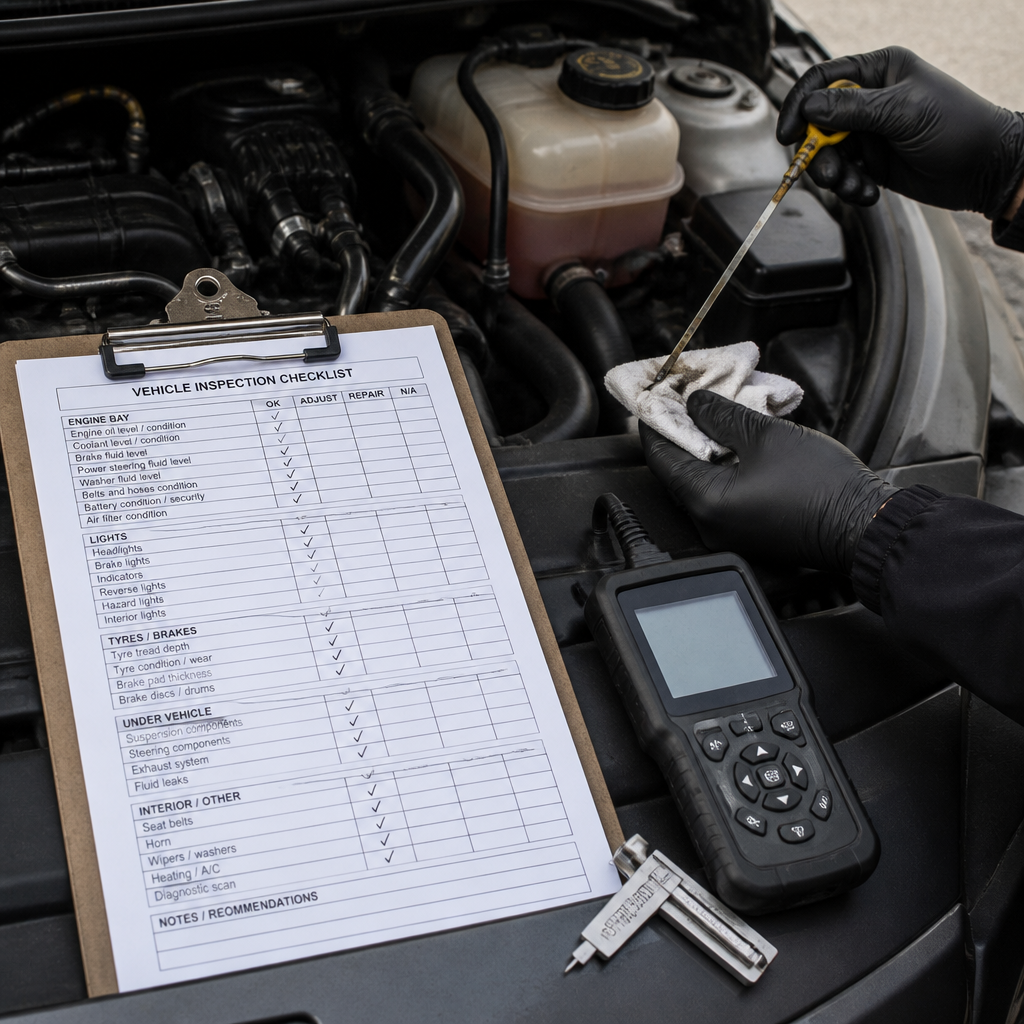
Every vehicle needs routine care. Engine oil, filters, coolant, brake fluid, tyres, belts and other components all deteriorate with time or use. The owner may need to replace some parts at specific mileage intervals. Other repairs depend on driving conditions, climate, road quality and the vehicle’s age.
When an owner ignores routine servicing, small problems can become larger ones. Old engine oil may lose its ability to protect moving parts. Low coolant can contribute to overheating. Worn tyres can reduce grip, while neglected brakes can damage additional components.
Maintenance records do not guarantee a perfect car. Still, they provide useful evidence that the owner followed a sensible care routine. In contrast, missing records, inconsistent mileage or vague answers should encourage closer inspection.
Remember that a used car’s condition depends on more than its age. A high-mileage car with regular servicing may be a safer purchase than a low-mileage car that spent years without proper care. Look for evidence of responsible ownership rather than relying on the odometer alone.
10 signs of poor used car maintenance
The following signs do not all prove that a vehicle has been neglected. Some may result from normal age, poor storage or a recent repair. Consider the complete picture. Several warning signs together deserve serious attention.
1. The seller cannot provide credible service records
One of the clearest warning signs is a complete lack of maintenance documentation. Ask for service invoices, inspection reports, parts receipts and any digital service history. A responsible owner may not have every receipt, but there should usually be some evidence of routine care.
Check whether the records identify the vehicle. Invoices may include a registration number, vehicle identification number, mileage, date and description of work completed. Receipts that show only vague phrases such as “service done” provide limited reassurance.
Also compare the recorded mileage with the dashboard. A large unexplained gap can indicate an incorrect odometer reading or missing history. The dates should make sense as well. For example, a vehicle reportedly used every week should not show the same mileage for several years without an explanation.
Ask direct, practical questions:
- When was the engine oil and filter last changed?
- When were the brake pads or discs last inspected?
- Has the timing belt or chain received attention?
- Has the vehicle ever overheated?
- Why is the owner selling it?
A seller may not remember every detail. That alone is not proof of dishonesty. However, evasive answers, contradictory explanations or pressure to pay before inspection should make you cautious.
What to do: Treat missing records as a reason to inspect more carefully, not as an automatic rejection. If the car otherwise seems promising, budget for a professional pre-purchase inspection and assume that overdue maintenance may be your responsibility.
2. The engine oil is very dirty, low or unusually thick
Engine oil protects internal components and helps control heat. Its appearance varies between engines, oil types and service intervals. Therefore, oil colour alone cannot diagnose an engine’s condition. Still, the dipstick can reveal useful clues.
Park the car on level ground and allow the engine to cool, unless the manufacturer specifies a different checking procedure. Remove the dipstick, wipe it clean, insert it again and check the level. The oil should normally sit within the marked range.
A very low level may point to leaks, oil consumption or neglect. Oil that looks extremely thick or contains visible sludge may suggest long service intervals or contamination. A creamy or milky appearance can indicate coolant contamination, although condensation and other issues can sometimes create similar signs.
Look around the engine for fresh oil. Check the area below the engine, the oil filter housing, valve cover and drain plug. A few old stains do not necessarily mean a major fault, but fresh wet oil deserves an explanation.
Be careful after a recent oil change. Fresh oil may make the dipstick look reassuring, while other maintenance items remain overdue. Ask for the invoice that proves when the oil was changed. A seller who changes the oil immediately before a viewing may simply be preparing the car for sale.
What to do: Do not open a hot cooling system or place your hands near moving belts. If the oil level is dangerously low, the engine shows sludge or there is an active leak, have a mechanic investigate before you consider an offer.
3. The coolant is low, contaminated or the engine overheats
Coolant carries heat away from the engine and helps protect the cooling system. A low reservoir may result from a leak, recent repair or poor maintenance. It should not be dismissed without checking further.
Only inspect the coolant reservoir when the engine is cold. The level should generally sit between the marked minimum and maximum lines. The fluid should look reasonably clean and match the type recommended for the vehicle. Do not judge every coolant by colour alone, because different products can have different colours.
Look for stains around hoses, the radiator, expansion tank, water pump area and the ground under the front of the vehicle. A sweet smell after driving may indicate a coolant leak. Steam, a temperature gauge that rises above normal or a cooling fan that runs excessively can also signal trouble.
During the test drive, watch the temperature gauge. It should reach its normal position and remain stable. If the seller says the gauge rises only in traffic, take that explanation seriously rather than accepting it as normal. Cooling problems often become more noticeable under load or in slow-moving conditions.
A history of overheating can cause expensive engine damage. Possible consequences include a failed head gasket, warped cylinder head or damaged internal components. You cannot confirm these faults through a casual visual inspection.
What to do: Walk away from a vehicle that overheats unless a qualified mechanic identifies a minor, documented repair and the price reflects the risk. Never remove a radiator cap while the system is hot.
4. The dashboard shows warning lights or failed self-checks
Warning lights provide important information about a vehicle’s systems. When you turn the ignition on before starting the engine, several lights should appear briefly as part of the system check. After the engine starts, many should switch off.
Pay close attention to the check-engine, oil-pressure, battery, brake, airbag and anti-lock braking system lights. A light that remains on may indicate a fault. A light that never appears during the ignition check may have been disabled, covered or otherwise manipulated.
Ask the seller to start the car while you watch the dashboard. Do not rely only on a warm engine. A seller may start the vehicle before you arrive to hide a difficult cold start or reduce the time that a warning light remains visible.
A scan tool can identify stored diagnostic codes, but codes require interpretation. Clearing a code does not repair the underlying problem. Some faults return only after the car completes several driving cycles.
Also test electrical features. Operate the lights, indicators, horn, wipers, air conditioner, windows, central locking, dashboard controls and any available driver-assistance features. Electrical problems may be simple, but they can also reflect water damage, poor wiring repairs or a weak charging system. How to Identify a Genuine Tokunbo Car in Nigeria
What to do: Do not buy a car on the promise that a warning light needs “only a reset.” Ask for a proper diagnostic report and repair evidence. If the seller refuses an independent scan, treat that refusal as a major warning.
5. The engine starts badly, idles roughly or produces unusual smoke
A healthy engine should generally start without excessive cranking when the battery and fuel system are in good condition. The exact sound depends on the engine type, temperature and vehicle design. However, repeated long cranking, rattling or uneven idling deserves attention.
Request a cold start. Feel the bonnet before starting, but do not touch hot components. A cold engine can reveal problems that disappear once the vehicle warms up. Listen for knocking, tapping, grinding or a loud rattling noise. Some brief noises are normal on particular engines, so a mechanic should confirm the cause.
Observe the exhaust after the engine starts and during acceleration. Blue smoke can suggest that the engine is burning oil. Persistent white smoke after warm-up may point to coolant entering the combustion chamber, although harmless condensation can appear in some weather. Thick black smoke may indicate excessive fuel or an air-intake problem.
Do not diagnose an engine from smoke colour alone. Lighting, temperature and camera effects can mislead you. Instead, note when the smoke appears and whether it continues after the engine reaches operating temperature.
Rough idle, stalling, hesitation or a strong fuel smell may indicate ignition, fuel, vacuum or emissions problems. Some issues are inexpensive. Others can involve injectors, sensors, catalytic components or internal engine wear.
What to do: Include a cold start in your inspection. If the seller insists that the vehicle must be warmed up before you arrive, ask why. A professional inspection can check compression, scan for faults and assess the engine more accurately.
6. The transmission shifts harshly, slips or makes strange noises
Transmission repairs can be costly, so examine the car’s behaviour carefully. With the engine running, select each gear as appropriate and notice whether engagement is smooth. Follow the owner’s manual and use the brake safely during this check.
On the road, look for delayed engagement, harsh shifts, slipping, shuddering or unexpected changes. A slipping transmission may allow engine speed to rise without a matching increase in road speed. A manual gearbox may show clutch wear through a high engagement point, clutch slip or difficulty selecting gears.
Listen for whining, clunking or grinding. Again, some drivetrain sounds vary by model, so comparison with another identical vehicle can help. A test drive should include gentle acceleration, moderate acceleration, reversing, slow manoeuvres and, where safe and legal, a range of speeds.
Inspect the transmission fluid only if the vehicle allows a safe check and the manufacturer provides a procedure. Some modern transmissions do not have a conventional dipstick. Fluid appearance and smell can offer clues, but they cannot replace a proper diagnosis.
Be cautious if the seller says a harsh shift is normal for the model without offering evidence. A software update may solve some transmission complaints, but mechanical wear requires different treatment.
What to do: Never test a vehicle aggressively. If the transmission slips, bangs into gear or refuses to engage, pause the purchase until an experienced technician examines it.
7. The brakes feel weak, uneven or noisy
Brake condition affects your safety immediately. Before moving, press the brake pedal. It should feel firm and should not slowly sink under steady pressure. A soft or spongy pedal may indicate air, fluid problems or other faults.
During a safe test drive, apply the brakes gently and then with moderate pressure. The vehicle should slow in a straight line. Pulling to one side may result from unequal braking, tyre problems, suspension wear or a seized component.
Listen for grinding, scraping or persistent squealing. A brief squeak does not always mean the brakes are unsafe, but grinding can indicate severely worn friction material. Vibrations through the pedal or steering wheel may suggest uneven discs, suspension issues or wheel problems.
Inspect the brake-fluid reservoir if it is accessible and safe to view. A low level may reflect worn pads, a leak or another issue. Brake fluid can damage paint, so never spill it or handle the system without proper knowledge.
Look through the wheels for the visible portion of the pads and discs. This view is limited, and a mechanic may need to remove the wheel for a complete inspection. Do not assume that thick-looking pads prove the braking system is healthy.
What to do: Treat a soft pedal, brake warning light or serious grinding as a safety problem. Arrange repairs before driving the vehicle regularly, or choose another car.
8. The tyres are mismatched, unevenly worn or damaged
Tyres reveal how the vehicle was driven and maintained. Check the size, brand, tread pattern and condition on all four corners. Some vehicles use different tyre sizes front and rear, so compare the markings with the manufacturer’s specification.
Uneven wear can indicate incorrect alignment, worn suspension parts, underinflation or overinflation. Wear on both outer edges may relate to low pressure. Wear in the centre can result from excessive pressure. Cupping or scalloped patches may point to suspension or balance problems.
Inspect the sidewalls for cuts, bulges, cracking and repairs. A bulge can indicate internal damage and may require immediate replacement. Check the spare tyre as well. A missing or unusable spare can create inconvenience during an emergency.
Examine the tyre age markings where available. Old tyres may have adequate tread but still require careful assessment because rubber changes over time. The exact replacement decision depends on condition, storage and manufacturer guidance.
Do not buy mismatched tyres simply because they appear to have plenty of tread. Different grip levels can affect handling, especially in wet conditions. A vehicle with four worn tyres may also need an alignment check after replacement.
What to do: Photograph each tyre and note its condition. Ask the seller whether the tyres were replaced together. Include likely replacement and alignment costs when comparing the purchase price. Used Car Nigeria: When Is the Best Time to Buy?
9. The suspension, steering or underbody shows neglect
Roads with potholes, rough surfaces and standing water can place heavy stress on suspension and steering parts. A neglected vehicle may show several clues beneath the body.
Look for leaking shock absorbers, damaged springs, torn rubber boots, bent components and excessive rust. Surface corrosion can be normal in some environments, but severe structural corrosion deserves expert attention. Pay particular attention to mounting points, subframes, brake lines and areas that support the body.
Push down on each corner only if the vehicle design and your safety allow it. The body should settle without repeated bouncing. This basic check is not conclusive, but excessive movement can support concerns about worn dampers or springs.
During the drive, listen for knocking over small bumps. Notice whether the steering feels loose, the vehicle wanders or the steering wheel remains off-centre on a reasonably straight road. These symptoms can involve alignment, tyres, bushings, ball joints or steering components.
Inspect the underside for fresh fluid, crushed panels, missing covers and impact marks. A clean underbody may result from a recent wash, so do not assume it proves the vehicle is free from leaks.
What to do: Ask for the car to be raised safely on a lift. Never crawl underneath a vehicle supported only by a jack. An independent inspection can identify worn parts that are difficult to see from the roadside.
10. The interior is heavily worn or shows signs of water damage
The cabin can reveal how the vehicle was used and stored. Compare the condition of the steering wheel, pedals, driver’s seat, gear selector and door handles with the claimed mileage. Wear is not an exact mileage test, but a significant mismatch deserves questions.
Check the carpets, boot floor and areas beneath the seats for dampness, stains, mould or a strong air freshener smell. Water damage can affect wiring, control modules and safety systems. It may follow flooding, leaking seals, blocked drains or a poorly repaired accident.
Inspect the seatbelts. They should extend and retract smoothly, latch correctly and show no serious fraying. Test the air-conditioning system and heater. Weak cooling may result from a simple service issue, but it can also involve leaks, compressors or electrical faults.
Look for missing trim, loose panels and non-factory wiring. Accessories are not necessarily a problem, but amateur modifications can create battery drain, fire risk or unreliable electrical operation.
Check the boot for tools, spare-wheel equipment and signs of standing water. Lift removable floor panels where possible. A damp boot may indicate damaged seals or previous flood exposure.
What to do: If you detect moisture, corrosion on electrical connectors or a strong attempt to mask odours, arrange a specialist inspection. Avoid buying a flood-damaged car unless its history and repairs are fully documented and independently verified.
How to inspect used car maintenance before making an offer
A systematic inspection is more reliable than walking around the car without a plan. Try to view the vehicle in daylight and in a dry setting. Rain can hide paint defects, leaks and uneven panel gaps. If possible, arrange the inspection when the engine is cold.
- Verify the vehicle identity: Compare the vehicle identification number on the car with the registration and available documents. Mismatches require an immediate explanation.
- Review the history: Check service records, inspection documents, ownership information and any available accident or recall information.
- Inspect the exterior: Look for inconsistent paint, uneven gaps, overspray, dents, cracked lamps and signs of rushed bodywork.
- Check the engine bay: Look for leaks, damaged wiring, missing covers, low fluids and signs of recent cleaning.
- Start the engine cold: Observe warning lights, starting effort, idle quality, smoke and unusual noises.
- Test every major control: Operate the lights, air conditioning, windows, wipers, horn, locks, infotainment and safety equipment.
- Drive carefully: Test steering, braking, acceleration, transmission, suspension and temperature stability.
- Arrange an independent inspection: Choose a technician who does not work for the seller. Ask for a written report and itemised recommendations.
Take photographs and write down findings. This prevents a seller from minimising several small issues that become expensive when combined. It also helps you negotiate from evidence rather than emotion.
Questions to ask the seller
Good questions can reveal how carefully the vehicle was maintained. Ask calmly and give the seller time to answer. Then compare the answers with the records and the car’s condition.
- How long have you owned the vehicle?
- What type of driving did it do most often?
- Where was it serviced?
- When was the last major service?
- Has it ever overheated or broken down?
- Has it been involved in a collision or flood?
- Are there any warning lights or known faults?
- Which parts need replacement soon?
- Can I arrange an independent inspection?
- Can I see the ownership and maintenance documents before paying?
Watch the seller’s behaviour as well as the words. A careful owner may explain faults openly and provide records. A seller who refuses basic questions, restricts the test drive or demands a deposit before inspection creates unnecessary risk.
When to walk away from a used car
Not every imperfect car is a bad purchase. Older vehicles naturally show cosmetic wear, and routine repairs may be manageable if the price reflects them. However, some findings are too risky to ignore.
- The vehicle overheats or loses coolant without a clear explanation.
- The seller refuses an independent mechanical inspection.
- The vehicle identification number or ownership documents do not match.
- The brakes feel unsafe or the steering has excessive play.
- The engine has serious knocking, heavy smoke or very low oil.
- The transmission slips, grinds or fails to engage properly.
- There are signs of flood damage or serious structural corrosion.
- The warning lights appear to have been disabled or recently cleared.
- The maintenance history contains major gaps and the seller will not explain them.
- The total repair cost removes the financial advantage of buying the car.
Trust evidence over urgency. A seller may claim that another buyer is waiting, but a rushed decision can leave you with a car that needs immediate repairs. It is usually better to lose one opportunity than to inherit someone else’s neglected vehicle.
How to calculate the real cost of a poorly maintained car
The advertised price is only one part of the purchase decision. Add the cost of immediate maintenance, safety repairs and overdue items. Then consider whether the car needs tyres, a battery, fluids, belts, filters, brake work or suspension components.
Ask a mechanic to separate findings into three groups:
- Immediate safety repairs: Items that affect braking, steering, tyres, lights or structural integrity.
- Reliability repairs: Problems that may leave you stranded, such as charging faults, cooling issues or severe leaks.
- Routine maintenance: Services that are due but do not necessarily indicate a major defect.
Get written estimates before negotiating. A seller may reduce the price by a small amount while the car still needs repairs worth much more. Also include registration, insurance, inspection, transfer and other ownership costs applicable to your location.
Do not assume that a low purchase price makes a neglected car good value. Cheap parts may not solve the problem, and several faults can appear at the same time. A better-maintained car with a higher price may cost less over the first year of ownership.
Maintenance records you should hope to see
Useful records show what was done, when it was done and at what mileage. Look for invoices from reputable workshops, parts receipts, inspection reports and notes that identify the work clearly. How to Inspect a Used Car Transmission Before You Buy
Depending on the vehicle, valuable records may include oil and filter changes, brake inspections, tyre replacements, coolant service, transmission service, battery replacement, belt work and suspension repairs. The correct schedule varies by model, engine and manufacturer, so compare the records with the owner’s manual when available.
Digital records can be useful, but verify that they relate to the vehicle you are viewing. A service stamp by itself is not proof that every listed item was completed. Ask questions about unusually expensive or important work.
Some cars have maintenance needs that are easy to overlook. For example, a timing belt may require replacement at a specified interval, while a timing chain can still suffer from wear or tensioner problems. Do not assume that “chain fitted” means the engine needs no timing-related inspection.
When records are incomplete, price the vehicle as if the undocumented maintenance is due. This approach protects your budget and creates a clearer basis for negotiation.
Using a professional pre-purchase inspection
A professional inspection is one of the most effective ways to reduce risk. Choose an independent mechanic with experience in the vehicle’s make and engine type. The seller should not control the inspection or prevent the technician from using a lift.
Ask the mechanic to inspect the engine, transmission, cooling system, brakes, tyres, steering, suspension, body structure, electrical systems and underbody. A diagnostic scan may reveal stored or pending fault codes. The mechanic may also identify leaks, worn mounts, damaged bushings and previous repair work.
Request a written report with photographs where possible. Ask which problems need immediate action, which can wait and what the likely repair priorities are. You do not need every minor defect repaired before purchase, but you should understand the risks.
An inspection cannot predict every future failure. It is a snapshot of the car’s condition on that day. Even so, it can uncover hidden problems that a short seller-led test drive will not reveal.
Common mistakes buyers make
Focusing on appearance
A polished exterior can distract you from mechanical problems. Inspect the vehicle before becoming emotionally attached. Cleanliness is positive, but it is not evidence of reliable maintenance.
Taking a short test drive
A trip around one block may not reveal overheating, transmission problems or suspension noise. Drive long enough to reach normal operating temperature, while staying safe and legal.
Accepting verbal promises
Statements such as “the light only needs a sensor” or “the noise is normal” should be supported by diagnosis and documentation. If a repair is simple, the seller may be willing to complete it before the sale.
Ignoring small faults
Several minor issues can reveal a pattern of neglect. A worn tyre, missing service record and low fluid may each seem manageable. Together, they may indicate that the owner delayed essential care.
Skipping the cold start
Warm engines often start more easily and run more smoothly. Insist on seeing the vehicle cold, or ask the mechanic to return it to ambient temperature before inspection.
Frequently asked questions about used car maintenance
Can a clean used car still be poorly maintained?
Yes. Cosmetic cleaning can hide dust, stains and minor damage, but it cannot prove that the engine, transmission, brakes and cooling system received proper care. Always inspect mechanical condition and records separately from appearance.
Is high mileage always a reason to reject a car?
No. Mileage must be considered with age, use and service history. A vehicle with high mileage and consistent maintenance may be dependable. A low-mileage vehicle that sat unused or missed servicing can still have leaks, degraded rubber, old fluids or electrical problems.
Should I buy a car with no service history?
You can consider it, but the risk is higher. Arrange a comprehensive independent inspection and budget for overdue maintenance. If the seller also refuses inspection or cannot verify ownership, choose another vehicle.
How can I tell if an engine oil change was recently done?
Fresh-looking oil may suggest a recent change, but it does not prove when the work occurred. Ask for an invoice, service entry or receipt. Check whether the oil level is correct and whether the filter area shows signs of leaks.
What is the most important test during a used-car inspection?
No single test is enough. A cold start, warning-light check, fluid inspection, road test and professional examination each reveal different information. Combining them gives you a much clearer view of the car’s condition.
Can a mechanic guarantee that a used car will not break down?
No. An inspection reduces uncertainty but cannot guarantee future reliability. Components can fail without warning, and hidden problems may develop later. A good inspection identifies current defects and likely maintenance needs.
Final checklist before you pay
Before completing the purchase, review the car one more time. Confirm that the vehicle identity and ownership documents are consistent. Make sure the agreed price reflects known repairs and that any promised work is written down.
- Verify the vehicle identification number.
- Review available maintenance and ownership records.
- Confirm that warning lights complete their normal self-check.
- Check the engine oil, coolant and visible leaks safely.
- Inspect tyres, brakes, lights and glass.
- Complete a proper test drive.
- Obtain an independent inspection report.
- Check for available safety recalls using an authoritative vehicle or manufacturer resource.
- Confirm the payment, transfer and delivery arrangements.
- Keep copies of receipts, agreements and inspection documents.
Buying a used car is not only about finding the lowest price. It is about understanding what you are taking responsibility for after the sale. Careful used car maintenance checks help you distinguish ordinary wear from evidence of serious neglect.
Take your time, ask precise questions and let an independent mechanic challenge your assumptions. If the seller welcomes a proper inspection, provides credible records and answers clearly, you can make a more informed decision. If several warning signs appear together, walk away before a seemingly affordable car becomes an expensive problem.
3 thoughts on “Used Car Maintenance: 10 Signs a Car Was Poorly Maintained”