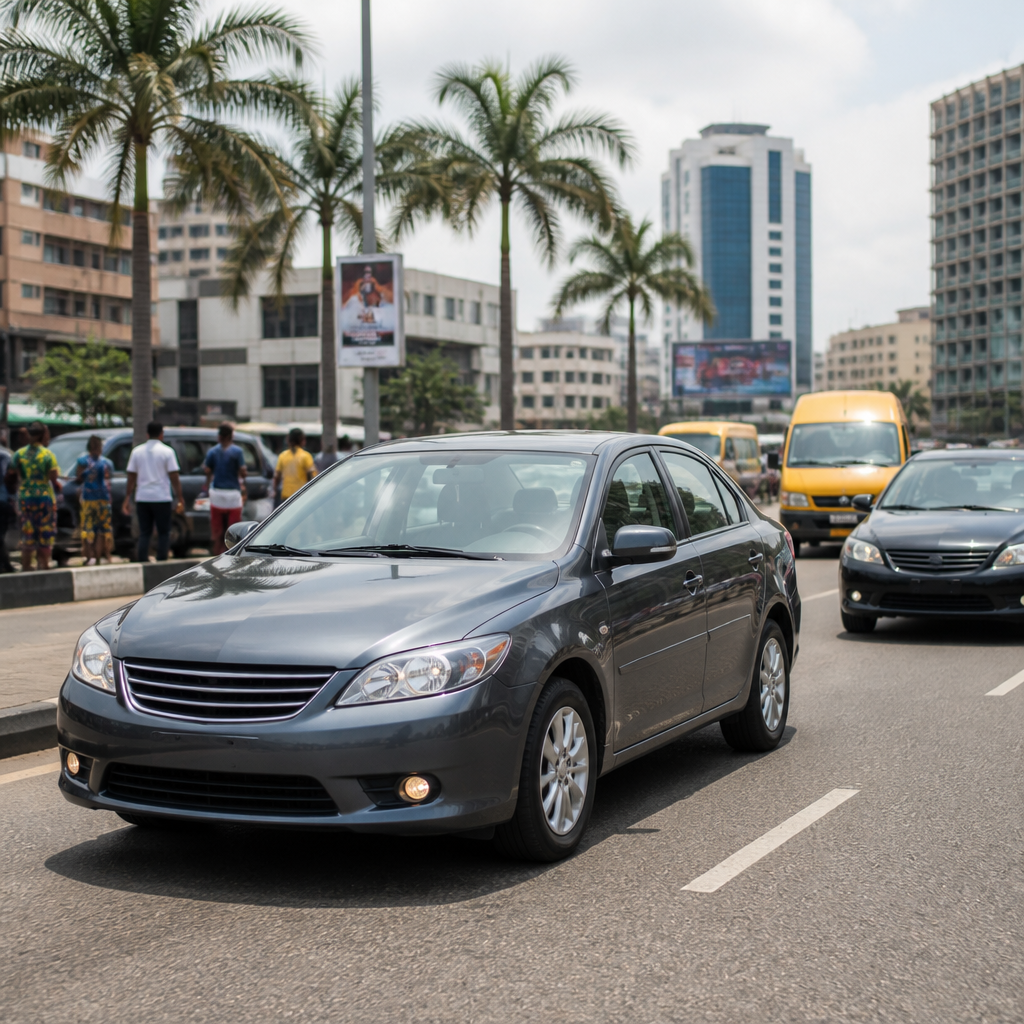
Choosing the right used cars for Lagos traffic can make daily driving less stressful, more affordable and safer. Lagos roads demand more than a good-looking vehicle. Your ideal car should handle slow-moving congestion, frequent stops, flooded sections, rough surfaces, tight parking spaces and long hours behind the wheel.
A car that feels perfect on an open highway may become uncomfortable and expensive in Lagos. Large engines can consume more fuel during idling. Low-slung bumpers can suffer on poor roads. Weak air-conditioning systems can become unbearable in traffic. Meanwhile, a vehicle with a strong cooling system, dependable transmission and easy-to-find parts may serve you better for years.
This guide explains what to look for before you buy. It also compares practical vehicle types, discusses popular models, highlights important inspection points and shows how to match a car to your route, budget and driving habits. The goal is not to recommend one model for every buyer. Instead, it is to help you choose a dependable used vehicle for real Lagos conditions. How to Detect Engine Problems During a Test Drive
What makes a used car suitable for Lagos traffic?
Lagos traffic creates a demanding combination of conditions. Drivers may spend a long time moving slowly, then encounter open stretches where acceleration matters. A suitable car must cope with both extremes without overheating, wasting excessive fuel or causing discomfort.
Several qualities matter more than fashionable styling or a long list of electronic features:
- Reliable cooling: The radiator, cooling fans, thermostat and air-conditioning system must work properly in slow-moving traffic.
- Good fuel economy: Stop-and-go driving often increases fuel consumption, so an efficient engine can reduce running costs.
- Strong air conditioning: A comfortable cabin matters when traffic delays last for a long time.
- Durable suspension: The vehicle should handle potholes, uneven surfaces, speed bumps and broken road edges.
- Reliable transmission: Automatic gearboxes are convenient in congestion, but they need careful inspection and proper maintenance.
- Reasonable ground clearance: A little extra clearance helps on rough roads and during heavy rain, although it does not make a vehicle flood-proof.
- Available parts and technicians: Common models are often easier to maintain than rare imports with unfamiliar systems.
- Useful size: A compact car can be easier to park and manoeuvre, while a larger vehicle may offer more space and clearance.
Reliability depends on condition, not only on the badge. A neglected popular model can be a worse purchase than a well-maintained less common vehicle. Service records, inspection results and the car’s present mechanical state should guide your decision.
Best used cars for Lagos traffic by vehicle type
Different drivers need different vehicle shapes. A single commuter may value low fuel use and easy parking. A family may need more cabin space. A business owner may prefer a vehicle that can carry equipment without becoming difficult to drive in crowded areas.
Compact hatchbacks
Small hatchbacks are often practical for solo commuters, young families and drivers who regularly use busy urban roads. Their shorter bodies make them easier to park. They also tend to have lower running costs than larger SUVs.
Examples may include the Toyota Yaris, Honda Fit, Kia Picanto, Hyundai i10, Hyundai Grand i10, Suzuki Swift and Nissan March, depending on availability and condition. Some of these vehicles are imported in different specifications, so buyers should confirm the engine, transmission and parts compatibility before paying.
A compact car can be an excellent choice when your usual route involves paved roads and tight parking. However, small size does not remove the need for a careful inspection. Check the cooling system, suspension, air-conditioning performance and transmission response. Some imported hatchbacks may also have complex hybrid or continuously variable transmission systems that require specialist knowledge.
Small and midsize saloons
Saloons remain popular because they offer a stable ride, useful boot space and a familiar layout. Models such as the Toyota Corolla, Toyota Camry, Honda Civic, Honda Accord, Hyundai Elantra, Kia Cerato and Nissan Sentra may suit different budgets and family needs.
A compact saloon, such as a Corolla or Civic, is usually easier to manoeuvre than a larger executive car. It can also provide a good balance between cabin comfort and fuel consumption. A midsize saloon, such as a Camry or Accord, offers more space and a softer highway ride, but its larger engine may cost more to fuel and maintain.
When considering an older saloon, inspect the underbody carefully. Low front bumpers, damaged engine covers and bent suspension components can indicate repeated contact with rough surfaces. Also check whether the car pulls to one side, vibrates during braking or produces unusual noise over speed bumps.
Compact crossovers
Compact crossovers combine a higher driving position with more manageable dimensions. Models such as the Toyota RAV4, Honda CR-V, Hyundai Tucson, Kia Sportage and Nissan Qashqai may appeal to families who want extra space without driving a very large SUV.
The higher seating position can improve visibility in crowded traffic. Extra ground clearance may also help on poorly maintained roads. Still, buyers should not assume that every crossover is economical. Some have larger engines, all-wheel-drive systems or expensive suspension components.
Inspect the vehicle’s drive system, especially if it has all-wheel drive. Look for evidence of neglected differential, transfer-case or driveshaft maintenance. A front-wheel-drive model may be simpler and cheaper to maintain if you do not need additional traction for your normal routes.
Seven-seat family vehicles
Drivers with larger families may need a three-row SUV or minivan. The Toyota Highlander, Honda Pilot, Toyota Sienna, Honda Odyssey and selected seven-seat crossovers can provide useful passenger space. However, a larger vehicle is not automatically better for Lagos.
Before choosing a seven-seat vehicle, measure your parking space and consider your daily route. A large body can be difficult in narrow streets and crowded car parks. Fuel use may also rise, particularly when the vehicle carries passengers and spends long periods idling.
Check the third-row seats in person. Some vehicles advertise seven seats but offer limited legroom when all rows are occupied. Examine the air-conditioning system for the rear cabin as well. A front cooling system may not keep a full vehicle comfortable in hot weather.
Hybrid vehicles
Hybrid cars can be attractive for urban driving because their powertrains may use electric assistance during low-speed operation. In the right condition, a hybrid can reduce fuel consumption in some traffic situations. However, hybrid ownership requires more careful inspection.
Ask for evidence of battery health and specialist servicing. Confirm that the technician understands the specific hybrid system. A low purchase price may not be a bargain if the high-voltage battery, inverter, cooling system or other hybrid components need replacement.
Imported hybrids also require attention to climate, previous use and parts availability. Some may have spent years in a different environment or may have been repaired after accident damage. Do not buy one solely because the dashboard shows impressive fuel economy. Verify the car’s condition first.
Popular model families worth considering
Model names alone cannot guarantee reliability. The same vehicle can perform very differently depending on mileage, maintenance, accident history, import condition and previous ownership. Still, some model families are commonly considered because they have broad market familiarity and may be easier to service.
Toyota Corolla and Camry
The Corolla is a practical option for drivers who want a familiar compact saloon. It usually offers reasonable cabin space, straightforward controls and a large pool of technicians familiar with the model. It can suit commuting, ride-hailing work and small family use when properly maintained.
The Camry gives occupants more space and a more relaxed ride. It may be suitable for family use or drivers who spend time on both city roads and longer intercity journeys. However, some Camry versions have larger engines and higher fuel requirements. Inspect the transmission, suspension, engine oil leaks and air-conditioning system carefully. How to Spot a Used Car Oil Leak Before You Buy
Honda Civic and Accord
The Civic can provide a comfortable compact-car experience with responsive handling. The Accord offers more cabin space and stronger highway comfort. Both models come in different generations, engines and transmissions, so inspection must focus on the exact vehicle rather than the name on the boot.
Check for warning lights, oil consumption, overheating signs and transmission hesitation. Some used Hondas may have been modified, poorly repaired or maintained with incorrect fluids. A specialist should verify the vehicle’s mechanical condition before purchase.
Honda CR-V and Toyota RAV4
These compact SUVs are often considered by families who want additional space and a higher seating position. They can handle everyday urban use while providing more luggage room than a small saloon.
Pay close attention to suspension wear, steering components, tyres and underbody damage. SUVs are sometimes driven on rough routes, so a clean exterior does not prove that the chassis is undamaged. If the vehicle has four-wheel drive, confirm that the system engages correctly and has received appropriate maintenance.
Hyundai, Kia and Nissan alternatives
Hyundai, Kia and Nissan offer many vehicles that may provide useful value in the used market. Models such as the Hyundai Elantra, Hyundai Tucson, Kia Cerato, Kia Sportage, Nissan Sentra and Nissan X-Trail can be worth considering when they have a strong maintenance history.
Parts availability varies by model and generation. Before buying, contact a reputable parts supplier or independent specialist. Ask whether routine service items and major components are easy to source locally. This simple step can prevent a long wait when the car needs repairs.
How to choose the right car for your daily Lagos route
The best vehicle for one Lagos driver may be unsuitable for another. Consider your actual routine instead of buying based on appearance or social pressure.
- For short urban commuting: A compact hatchback or efficient small saloon may be easier to park and cheaper to run.
- For family trips: A compact crossover or midsize saloon may provide a useful balance of space and manoeuvrability.
- For rough roads: Consider stronger ground clearance and suspension, but inspect the vehicle for existing underbody damage.
- For frequent highway travel: Look for stable handling, comfortable seats, good brakes and a cooling system that performs under load.
- For business use: Prioritise durability, service availability, cargo capacity and predictable maintenance costs.
- For tight parking areas: A shorter vehicle with parking sensors or a reverse camera can reduce daily stress.
Think about the number of passengers you carry most often. Do not buy a large SUV for occasional needs if it will spend most of its life carrying one person. Likewise, do not choose a tiny hatchback if your family regularly travels with luggage and several passengers.
Essential inspection checks before buying
A professional inspection is one of the most valuable expenses in a used-car purchase. It can identify mechanical problems, previous accident repairs and signs of neglect before money changes hands.
Check the body and accident history
Inspect the body in daylight. Look for differences in paint colour, uneven gaps between panels, overspray on rubber seals and poorly aligned doors. These signs do not always prove a serious accident, but they deserve further investigation.
Check the bonnet, boot floor, spare-wheel well and inner wings. Fresh paint in hidden areas may indicate repairs. Ask the seller directly about accidents and compare the answer with the inspection findings. If the explanation changes, treat that as a warning.
Examine the windscreen and windows for markings, cracks and mismatched replacement glass. Confirm that the vehicle identification number appears consistently on the body and documents. Do not accept altered, damaged or unclear identification markings.
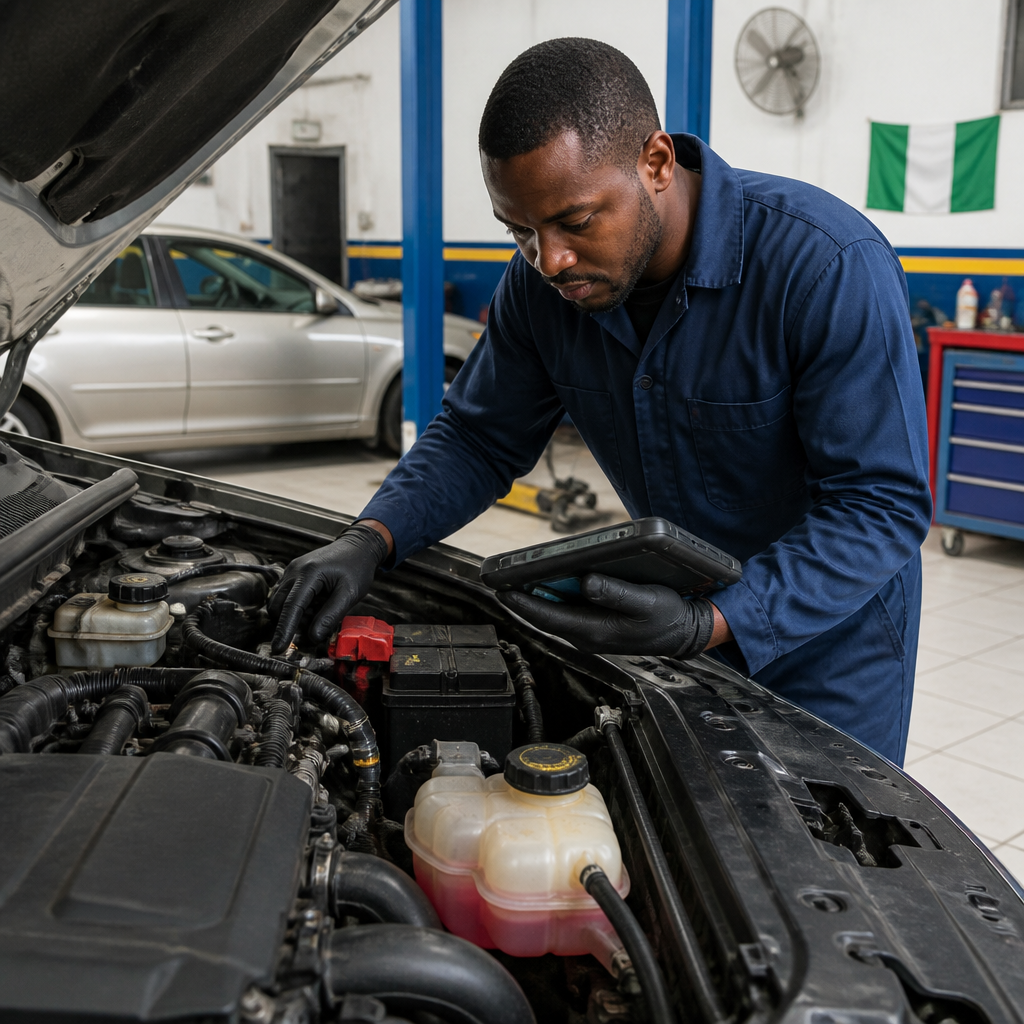
Inspect the engine and cooling system
Ask to see the engine when it is cold. A seller may warm a vehicle beforehand to hide difficult starting, excessive smoke or noisy components. Feel the engine carefully only if it is safe to do so, and ask the seller not to start it before you arrive.
Look for oil leaks, coolant stains, damaged hoses and corrosion around the radiator. Check the coolant reservoir for an appropriate fluid condition. Milky oil, excessive sludge or oily coolant can point to serious problems, although only a qualified technician can diagnose the cause.
During the road test, monitor the temperature gauge. The vehicle should maintain a stable operating temperature. Warning signs include rising temperature, steam, coolant smell, frequent fan noise or air conditioning that becomes weak when the engine is hot.
Test the transmission and drivetrain
An automatic transmission should engage smoothly. Delayed engagement, harsh shifts, slipping, shuddering or unusual noises require professional attention. Test reverse, drive and lower gears where appropriate.
For a manual vehicle, check clutch engagement, gear selection and unusual noise. A clutch that slips under acceleration may need replacement. A heavy or vibrating clutch pedal can also indicate wear, though the exact cause requires diagnosis.
Do not rely only on a short drive around the seller’s street. Drive over different surfaces where safe. Test acceleration, braking, turning and low-speed manoeuvring. Listen for knocks when passing over bumps.
Check suspension, steering and brakes
Inspect the tyres for uneven wear. Wear on one edge may indicate alignment, suspension or steering problems. Confirm that all four tyres are suitable sizes and that the spare tyre, jack and wheel tools are present.
During the test drive, the steering should feel controlled rather than loose. The car should not pull strongly to one side on a reasonably level road. Vibrations through the steering wheel may appear during braking or at certain speeds.
Listen for clunks from the front or rear suspension. Worn bushings, ball joints, shock absorbers and links can make a vehicle uncomfortable and unsafe. These parts may be repairable, but their cost should influence your offer. Used Car Maintenance: 10 Signs a Car Was Poorly Maintained
Test the air conditioning and electrical systems
Air conditioning is essential in Lagos traffic. Turn it on at idle and during the road test. It should produce cold air without excessive noise or a strong damp smell. Check whether the temperature changes when the car is stationary for several minutes.
Test the headlights, brake lights, indicators, horn, wipers, windows, central locking, dashboard displays and audio system. Confirm that warning lights illuminate briefly during ignition and then go off after the engine starts. A warning light that never appears may have been deliberately disabled.
Verify documents and vehicle identity
Compare the vehicle identification details on the car with the available documents. Ask for a clear ownership trail and confirm that the seller has the right to transfer the vehicle. Documentation requirements can change, so use the relevant official authority for current guidance.
Be cautious when a seller refuses an independent inspection, rushes you to pay or offers a price far below comparable vehicles. A low price does not compensate for unclear ownership, outstanding obligations or a car that cannot be legally transferred.
Imported used cars: extra checks for Nigerian buyers
Many used vehicles in Nigeria arrive through international markets. Imported cars can offer good value, but buyers need to investigate their previous history. A clean-looking vehicle may have been exposed to flood damage, severe collision damage or long-term neglect before export.
Ask for auction photographs or previous inspection records when available. Search for signs of flood exposure, such as corrosion under seats, damp odours, rust on electrical connectors and dirt in unusual areas. Flood damage can appear months after purchase when electrical systems begin to fail.
Check whether the vehicle was repaired before export. Panel replacement, airbag deployment and structural repairs require close examination. A diagnostic scan can reveal stored faults, but it should not replace a physical inspection.
Confirm that the engine and transmission specification suits local service knowledge. Some versions use different sensors, wiring, software or fluids. Parts that fit one market specification may not fit another. Get the vehicle identification number and confirm parts compatibility before ordering expensive components.
Do not assume that a low odometer reading is accurate. Odometer tampering can be difficult to detect, particularly when a car has changed countries. Compare the mileage with service records, tyre wear, interior wear and available history. An independent technician can identify inconsistencies.
Fuel economy and running costs in traffic
Fuel economy matters, but official fuel figures should not be treated as a promise of real-world consumption. Traffic, tyre pressure, air-conditioning use, vehicle load, driving style and maintenance all affect fuel use.
A smaller engine often uses less fuel, but not in every situation. An underpowered engine may work hard when carrying passengers or climbing slopes. A larger engine may feel relaxed but consume more fuel while idling. Choose a powertrain that fits your normal load and route.
Before buying, estimate the full monthly cost. Include fuel, routine servicing, tyres, insurance, parking, repairs and occasional replacement parts. A car with a low purchase price may have high ownership costs if it needs immediate suspension, cooling or transmission work.
- Ask which engine oil and transmission fluid the vehicle requires.
- Find out how often routine servicing should be performed.
- Price common wear items such as brake pads, tyres, filters and suspension parts.
- Ask a specialist about known weaknesses for the exact model year and engine.
- Keep money aside for repairs after purchase rather than spending every naira on the purchase price.
Good driving habits also help. Avoid unnecessary hard acceleration between traffic gaps. Keep tyres correctly inflated according to the manufacturer’s specification. Service the cooling system and replace worn belts, hoses and filters before they fail.
Automatic, manual or CVT: which transmission suits Lagos?
Automatic transmissions are convenient in heavy traffic because they reduce clutch work. This can make long commutes less tiring. However, an automatic gearbox needs careful testing and correct servicing.
Manual cars may cost less to buy and can be simpler for some mechanics to repair. They also give the driver more direct control. On the other hand, repeated clutch use in congestion can cause fatigue and accelerate wear if the vehicle is driven aggressively.
Continuously variable transmissions, commonly called CVTs, can deliver smooth acceleration and efficient operation. Yet they depend on correct fluid and maintenance procedures. A CVT that shudders, drones excessively or hesitates needs specialist diagnosis. Do not allow an inexperienced technician to guess at the repair.
There is no universally best transmission. Select the one that matches your comfort, route and access to qualified service. During the test drive, pay attention to heat-related symptoms because some problems appear only after the vehicle has spent time in traffic.
Common mistakes buyers should avoid
Many used-car problems begin before the purchase. Buyers often focus on paint, entertainment features or a low asking price while overlooking mechanical and ownership risks.
- Buying without an inspection: A test drive is useful, but it cannot reveal every problem.
- Choosing a vehicle that is too large: Bigger is not always safer or more practical for crowded urban driving.
- Ignoring cooling-system symptoms: Overheating can cause major engine damage.
- Trusting the odometer alone: Mileage should match the car’s records and physical condition.
- Skipping the paperwork check: Mechanical condition does not resolve ownership or transfer problems.
- Spending the entire budget: Used vehicles often need immediate servicing after purchase.
- Buying rare specifications without research: Difficult-to-source parts can create long delays and high costs.
- Accepting a rushed deal: Pressure is a reason to slow down, not pay faster.
Take a written list to every viewing. Compare vehicles using the same checks. This reduces the chance that excitement will make you overlook an important fault. How to Inspect a Used Car Transmission Before You Buy
A practical buying process
Start by defining your needs. Write down the number of passengers, typical route, parking conditions, fuel expectations and maximum budget. Then shortlist several models rather than becoming attached to one vehicle.
Next, research the exact generation and engine. Parts availability can differ considerably between model years. Contact a reputable technician who knows the vehicle before arranging a final inspection.
View the car in daylight and ask the seller not to warm it up. Check the documents before spending money on transport or a detailed inspection. If the car passes the first look, arrange an independent mechanical inspection.
After the inspection, separate urgent repairs from cosmetic issues. A worn bumper may be negotiable. A damaged chassis, overheating engine or unclear ownership situation may be a reason to walk away.
Finally, complete payment and transfer only through a process that protects both parties. Keep written records of the agreement, vehicle details, payment and documents received. Use current official guidance for registration and ownership procedures.
How to make a used car last in Lagos
Even a reliable vehicle needs preventive maintenance. Do not wait for a breakdown before checking critical systems.
- Inspect coolant level and look for leaks regularly.
- Service the air-conditioning system when cooling performance drops.
- Check tyre pressure and tread condition frequently.
- Replace worn brake components before they damage other parts.
- Keep the engine and transmission fluids at the correct levels.
- Clean mud and dirt from the underbody after driving through wet or dirty areas.
- Listen for new noises and investigate them early.
- Use a service log to record dates, mileage and repairs.
Road conditions can change quickly during heavy rain. Avoid driving through water when you cannot judge its depth. Water can damage the engine, transmission, brakes and electrical components. A vehicle with extra ground clearance is not automatically safe in floodwater.
Parking also affects vehicle life. Long exposure to intense sun can damage paint, rubber seals and interior materials. A shaded parking space or suitable protective cover may reduce deterioration, provided the cover is clean and used correctly.
Frequently asked questions
What is the best first used car for Lagos traffic?
For many first-time buyers, a well-maintained compact hatchback or small saloon is a sensible starting point. It can be easier to park, less expensive to fuel and simpler to manoeuvre. The specific model matters less than its condition, parts availability and service history.
Are SUVs better for Lagos roads?
SUVs can offer a higher seating position and additional clearance, but they are not automatically better. They may use more fuel, cost more to maintain and become difficult to park. Choose an SUV when you genuinely need its space, clearance or passenger capacity.
Should I buy a hybrid used car?
A hybrid may suit urban driving, but only after a specialist checks the battery and high-voltage system. Confirm parts availability and expected maintenance costs. A hybrid with uncertain battery health can become an expensive purchase.
Is a Japanese used car always the best choice?
Japanese vehicles are popular, but country of origin does not guarantee condition. A poorly maintained car from any market can develop serious problems. Judge the individual vehicle using inspection results, records and ownership history.
How important is air conditioning?
It is extremely important for many Lagos drivers because traffic can keep you inside the vehicle for long periods. Test the system at idle and during a proper road drive. Weak cooling may indicate refrigerant, compressor, condenser, electrical or airflow problems.
Can I rely on a mechanic recommended by the seller?
You may use the seller’s mechanic for background information, but an independent inspection offers stronger protection. Ideally, choose a technician who has no financial interest in the sale. Ask for findings in writing and request explanations for urgent repairs.
What should I do if the seller refuses an inspection?
Treat the refusal as a serious warning. A genuine seller should understand why a buyer wants to verify the vehicle. Do not pay a deposit simply because the seller claims another buyer is waiting.
Final checklist for choosing used cars for Lagos
Before committing to a purchase, confirm that the vehicle meets your daily needs and passes a proper inspection. Use this short checklist:
- Does the vehicle fit your route, parking space and passenger needs?
- Does the engine start easily from cold?
- Does the temperature remain stable in slow traffic?
- Does the air conditioner remain cold while stationary?
- Does the transmission engage smoothly?
- Are the brakes, steering and suspension in acceptable condition?
- Do the body panels and chassis show signs of serious accident damage?
- Do the identification numbers match the documents?
- Is the ownership history clear?
- Can you afford immediate servicing and unexpected repairs?
- Are parts and qualified technicians available for the exact model?
The most dependable used cars for Lagos are not always the newest, largest or most luxurious. They are vehicles that match the driver’s needs, have a sound maintenance history and can be supported locally. A compact saloon may be ideal for one commuter. A crossover may suit another family. A hybrid may work well for a buyer who can verify its battery condition.
Take your time, inspect before paying and calculate the full ownership cost. When you focus on cooling performance, transmission health, documentation, parts availability and practical size, you improve your chances of choosing a vehicle that remains useful long after the purchase.
2 thoughts on “Best Used Cars for Lagos Traffic: A Practical Buying Guide”