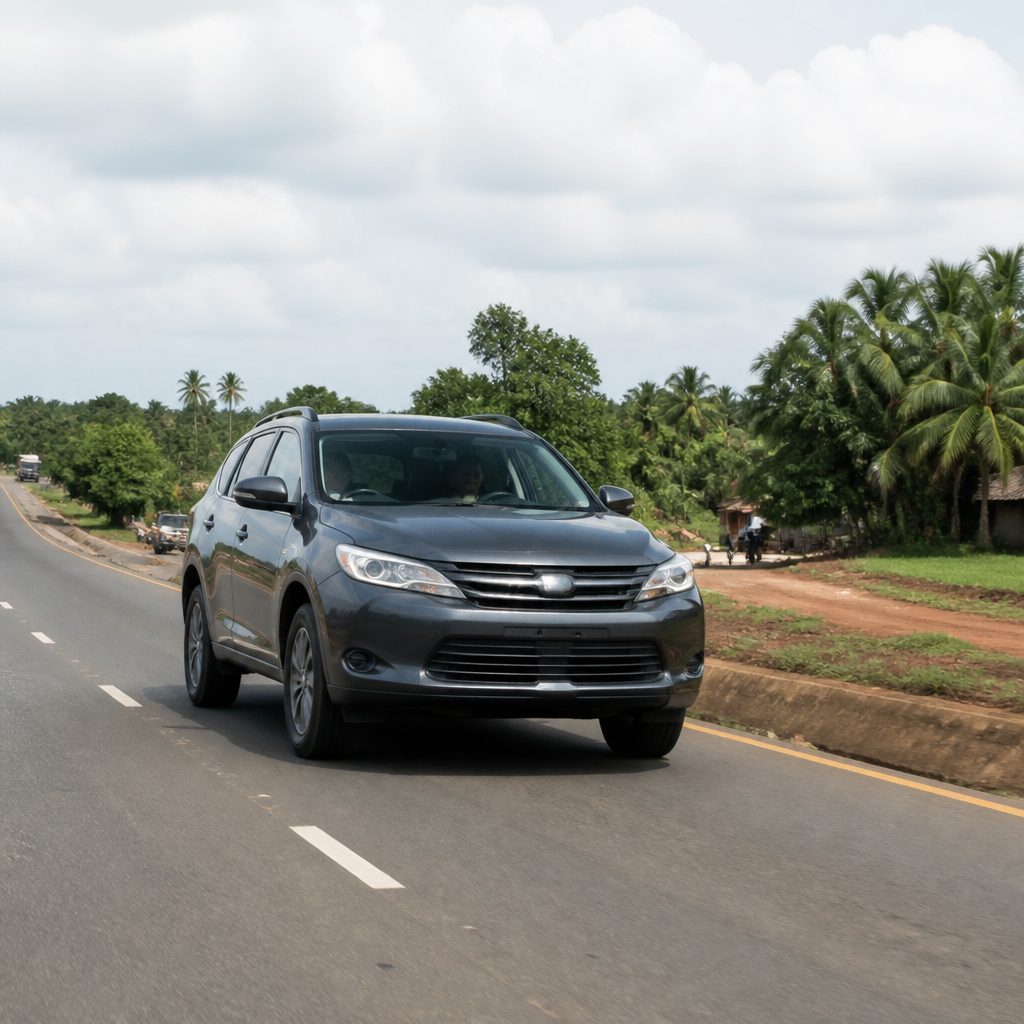
Choosing the best long-distance cars for Nigerian roads requires more than looking at a vehicle’s appearance or engine size. A suitable car must handle heat, traffic, uneven road surfaces, long hours behind the wheel, changing fuel quality, limited roadside support and the needs of passengers and luggage. Whether you regularly travel between Lagos and Ibadan, Abuja and Kaduna, Port Harcourt and Uyo, or across several states, the right vehicle can make every trip safer, calmer and less expensive.
Nigeria offers a wide range of driving conditions. Major highways may be smooth in some areas and heavily worn in others. You may encounter potholes, road repairs, flooded sections, speed bumps, dust, motorcycles, commercial vehicles and poorly lit roads during one journey. Therefore, the ideal car is not always the newest, fastest or most luxurious option. It is the vehicle that matches your routes, budget, family size, driving habits and ability to maintain it properly.
This guide explains what to look for before buying a long-distance car in Nigeria. It also compares vehicle types and practical model categories, including saloons, hatchbacks, crossovers, SUVs, minivans and pickup-based options. Model availability and condition vary widely, especially in the used-car market, so treat every recommendation as a starting point for inspection rather than an automatic buying decision. Tokunbo Car Inspection: 20 Things to Check Before Payment
What makes a car suitable for long-distance driving in Nigeria?
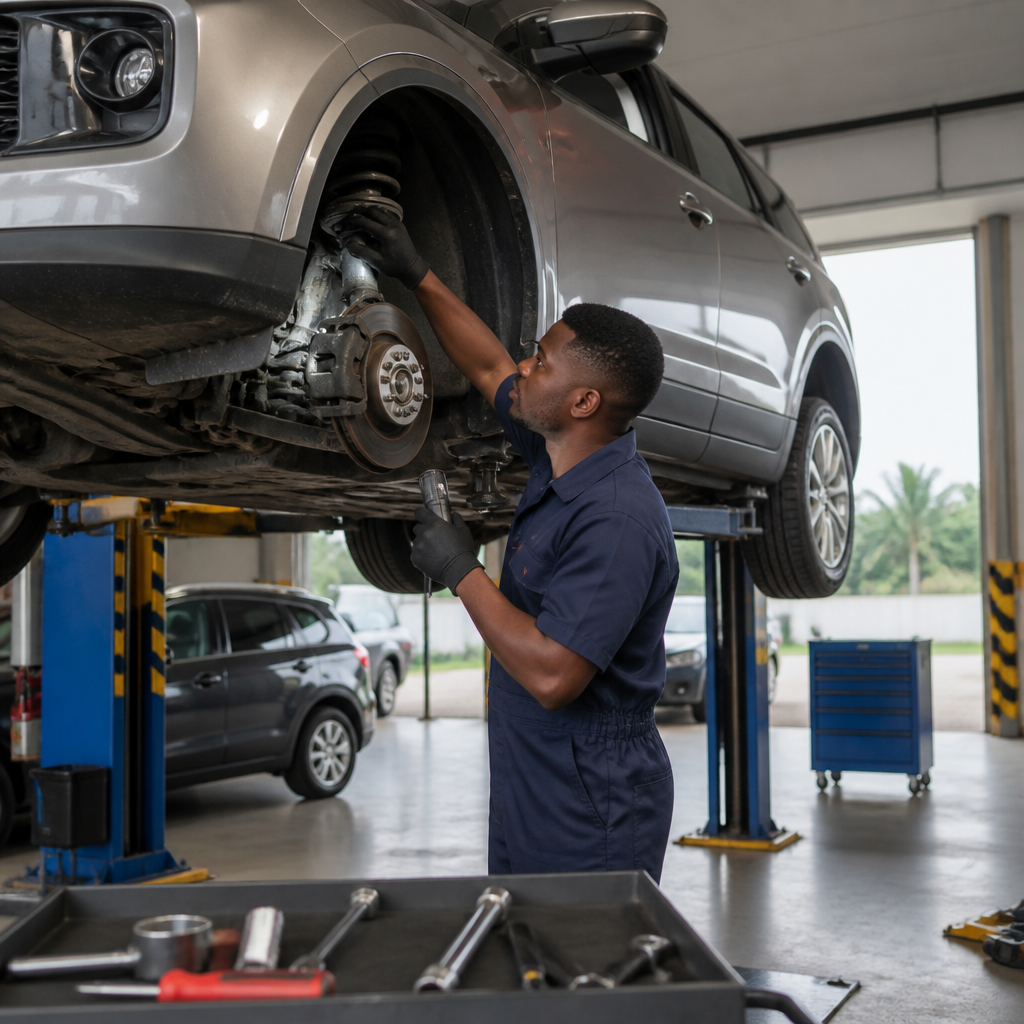
Long-distance driving places different demands on a vehicle than short urban trips. In city traffic, a small car may feel perfectly adequate. On a six-hour journey, however, seating support, cooling performance, fuel range, tyre condition, visibility and luggage capacity become much more important.
The best long-distance cars usually combine several qualities rather than excelling in only one area. They should be comfortable enough for extended driving, strong enough for the roads you use, economical enough to keep running costs manageable and common enough for mechanics to understand. They should also have parts that can be sourced without excessive delay.
Comfort for the driver and passengers
A supportive driver’s seat can reduce fatigue and help you remain alert. Look for adequate lower-back support, a steering wheel that adjusts to your driving position and enough space for your knees. Rear passengers also need reasonable legroom, especially if adults regularly travel with you.
Air conditioning is not a luxury on many Nigerian routes. Heat can make passengers tired and uncomfortable, while a poorly functioning cooling system may cause the driver to lose concentration. Test the air conditioner at idle and during a road test. Check whether it cools evenly, whether the blower works at every speed and whether unusual smells or noises appear when it is switched on.
Reliability and access to repairs
A car that is excellent in another country may be difficult to own in Nigeria if its parts are rare or only a few technicians understand it. For long-distance use, common models often provide a practical advantage. Mechanics are more likely to recognise their common faults, and replacement parts may be easier to find.
Still, popularity alone does not guarantee reliability. A neglected popular car can be riskier than a well-maintained less common model. Review service records, inspect the vehicle properly and confirm that the engine, transmission, cooling system and suspension are healthy before purchase.
Ground clearance and road tolerance
Ground clearance matters when your route includes rough shoulders, deep potholes, broken surfaces, unmarked speed bumps or flooded sections. A vehicle that sits too low may scrape its exhaust, bumper or underbody. A taller vehicle can provide more confidence, but extra height does not make it immune to damage. Drivers must still reduce speed and choose their line carefully.
Ground clearance also affects handling. A high SUV may be useful on rough roads, but it can lean more through corners than a lower saloon. This is one reason to choose a vehicle based on your real routes rather than assuming that the biggest car is automatically safest.
Best long-distance cars by vehicle type
Different body styles suit different travel patterns. A compact saloon may be ideal for one driver who wants low fuel consumption. A family that travels with children and luggage may prefer a crossover or SUV. A group that carries many passengers may need a minivan.
Mid-size saloons
Mid-size saloons remain strong choices for highway travel. They usually offer a comfortable ride, stable handling, a useful boot and better fuel economy than larger SUVs. Their lower centre of gravity can also make them feel more composed at highway speeds.
Examples often considered in the Nigerian market include the Toyota Camry, Honda Accord, Toyota Corolla and Hyundai Sonata, depending on the vehicle’s year, condition and availability. These cars can work well for intercity journeys when their suspension, cooling system and transmission are properly maintained.
A saloon may be the right choice if most of your travel takes place on paved highways and you do not regularly drive through badly damaged roads. However, a low front bumper, worn suspension or oversized wheels can reduce its practicality. Inspect the underside carefully and avoid cars that have been lowered or modified for appearance.
Compact saloons and hatchbacks
Smaller cars can be sensible long-distance options for individuals, couples and small families. They are usually easier to manoeuvre, less demanding on fuel and cheaper to maintain than larger vehicles. Models such as the Toyota Corolla, Honda Civic, Kia Cerato, Hyundai Elantra and Toyota Yaris may suit buyers who prioritise economy and straightforward ownership.
Before choosing a compact car, check the boot space and rear-seat comfort. A vehicle may feel roomy enough during a short test drive but become tiring when carrying four adults and luggage. Also consider how the car behaves on your usual routes. A small saloon with sound suspension may handle normal highways comfortably, but it may not be ideal for frequent travel on rough rural roads.
Crossovers
Crossovers offer a middle ground between saloons and traditional SUVs. They usually provide a higher seating position, a larger hatch area and useful clearance without the weight and fuel demands of a large four-wheel-drive vehicle.
Common examples include the Toyota RAV4, Honda CR-V, Hyundai Tucson, Kia Sportage and Nissan X-Trail. Their suitability depends heavily on condition, engine choice, tyre size and the quality of previous maintenance. A front-wheel-drive crossover may be perfectly adequate for paved intercity routes. It should not, however, be treated as a substitute for a serious off-road vehicle.
Crossovers can be especially useful for Nigerian families. Their rear seats often fold to create more cargo space, while the higher driving position can improve visibility in traffic. Check the air-conditioning system, automatic transmission, electronic features and suspension because repairs in these areas can be expensive when neglected.
Mid-size SUVs
Mid-size SUVs are suitable for drivers who combine highway travel with rougher roads, large families or frequent luggage carrying. Toyota Highlander, Toyota Fortuner, Honda Pilot, Nissan Pathfinder and Mitsubishi Pajero Sport are examples that may appear in the market, depending on import channels and local availability. Used Car Nigeria: When Is the Best Time to Buy?
The advantages include stronger road presence, more cabin space and greater clearance than most saloons. Some versions also offer four-wheel drive, which can help on slippery or uneven surfaces. However, four-wheel drive does not overcome unsafe speed, worn tyres or poor driving decisions.
Large SUVs generally consume more fuel and may cost more to service. Their tyres, suspension components and brakes can also be more expensive. If you mainly drive on good roads with one or two passengers, a mid-size saloon or crossover may provide better value.
Minivans and people carriers
Families, schools, hotels and group travellers may find a minivan more practical than an SUV. Vehicles such as the Toyota Sienna, Toyota Hiace or Honda Odyssey can offer useful passenger capacity and flexible seating, although exact configurations differ by year and market.
Minivans make loading easier and can keep passengers comfortable on long trips. Their boxier shape also provides useful headroom. On the other hand, they may require more attention when cornering, parking or driving in strong crosswinds. Check the sliding doors, rear air conditioning, transmission and suspension carefully.
For commercial passenger use, confirm that the vehicle meets the relevant requirements for its intended operation. Documentation, insurance and roadworthiness should never be treated as optional because the vehicle travels long distances regularly.
Pickups and rugged utility vehicles
Pickups can suit drivers who carry equipment, farm goods or bulky items. Toyota Hilux, Ford Ranger, Mitsubishi L200 and similar vehicles are built for utility, but they are not always the most comfortable choice for family road trips. An empty rear bed can feel bouncy, and a diesel engine may need careful maintenance.
A pickup becomes more attractive when your route includes unpaved roads, construction areas or rural locations. Choose one with a healthy suspension, good tyres and a secure cargo solution. Do not carry loose items in a way that can become dangerous during sudden braking.
Important features to prioritise before buying
Vehicle size and brand reputation matter, but condition and equipment matter more. The following features deserve close attention when comparing cars for long journeys.
Engine and transmission condition
The engine should start promptly when cold and idle smoothly. Watch for excessive smoke, warning lights, strong fuel smells, oil leaks or unusual knocking sounds. A test drive should include slow traffic, acceleration, braking and steady cruising.
For automatic vehicles, the transmission should select gears smoothly without harsh delays, slipping or repeated hesitation. A manual gearbox should engage gears without grinding, while the clutch should not shudder or slip under acceleration. Transmission problems can become costly, so have a qualified technician inspect the car before purchase.
Cooling system
Long-distance travel in hot weather places continuous demand on the radiator, cooling fans, hoses, thermostat and coolant. Inspect the coolant reservoir, radiator area and engine bay for leaks or signs of overheating. A vehicle that runs hot in traffic may become more vulnerable during a long climb or slow-moving highway section.
Do not rely only on the temperature gauge. Some faults may appear intermittently. Ask for maintenance records and consider a professional inspection, especially if the seller has recently washed the engine bay or cannot explain previous repairs.
Tyres, brakes and suspension
Tyres are among the most important safety components on a travelling car. Check the tread, sidewalls, manufacturing age where visible, wear pattern and correct size. Uneven wear may point to poor alignment, worn suspension or previous accident damage.
Brake performance should be firm and predictable. The car should not pull strongly to one side, vibrate during braking or make persistent grinding sounds. Suspension components should not knock over ordinary bumps. A worn shock absorber can reduce stability and increase stopping distance, particularly on uneven surfaces.
Use the tyre pressure recommended by the vehicle manufacturer, not a random number copied from another car. The correct information may appear on a door-jamb label, in the owner’s manual or from the manufacturer. NHTSA provides general tyre safety information at https://www.nhtsa.gov/vehicle-safety/tires.
Safety equipment
Look for functioning seat belts in every seating position, airbags, anti-lock braking where fitted, electronic stability assistance where available and properly adjusted head restraints. A safety feature is only useful when it works, so do not ignore warning lights on the dashboard.
Check the vehicle identification information and investigate any history of major collision damage. A car that has been poorly repaired may have hidden alignment, electrical or structural problems. If the seller refuses an independent inspection, treat that refusal as a serious warning. How to Inspect a Used Car Transmission Before You Buy
Fuel economy and driving range
Fuel economy affects every trip, but advertised figures rarely match real Nigerian driving conditions. Traffic, air-conditioning use, speed, tyre pressure, passenger load, road quality and maintenance all influence consumption.
A smaller engine may use less fuel, but it may work harder when fully loaded or climbing hills. A larger engine may feel more relaxed but cost more to fill. Consider your normal passenger count and route instead of choosing solely by engine displacement.
Range also matters. A car with a modest tank may require more frequent stops, while a vehicle with a larger tank can cover longer stretches between reliable filling stations. Still, do not drive until the tank is nearly empty. Plan fuel stops in advance, particularly on unfamiliar routes.
How to choose among the best long-distance cars for your needs
There is no single winner for every Nigerian driver. Use your actual travel pattern to narrow the choice.
- List your regular routes. Note whether they are mostly paved, rough, hilly, congested or prone to flooding. A route profile is more useful than a general opinion that one brand is better.
- Count passengers and luggage. Include children, work equipment, spare tyres and other items you usually carry. A cramped cabin can make an otherwise reliable car unpleasant.
- Set a complete ownership budget. Include purchase cost, inspection, registration-related expenses, insurance, tyres, servicing, fuel and likely repairs.
- Choose common parts and support where possible. Ask local mechanics about the model’s known faults and the availability of genuine or reputable replacement parts.
- Compare condition, not just model year. A well-maintained older vehicle may be safer and more dependable than a newer car with accident damage or poor service history.
- Arrange an independent inspection. A technician should scan the vehicle where appropriate, inspect the underside, check for leaks and assess the engine, transmission, suspension, brakes and electrical systems.
- Take a proper road test. Drive on different surfaces if possible. Test acceleration, braking, steering, air conditioning, reverse gear and parking sensors.
- Verify ownership and documentation. Ensure the seller can explain the vehicle’s history and provide documents that can be checked through the appropriate official channels.
New versus used cars for long-distance travel
A new car offers the reassurance of minimal previous wear and, depending on the seller and model, access to warranty support. It may also include newer safety equipment, better cabin insulation and improved fuel management. The disadvantages include a higher purchase price and greater financial loss if the vehicle is damaged or depreciates quickly.
A used car can provide more space and equipment for the same budget. It may also be easier to repair if the model is already common in Nigeria. However, used vehicles require more careful inspection. Imported cars can have different specifications, previous accident histories or long periods of neglect before arrival.
Do not buy a used car because the dashboard looks clean or the engine bay appears freshly painted. Check cold-start behaviour, service invoices, diagnostic results and body alignment. Look beneath floor mats and around door frames for signs of water entry. Examine the spare wheel well for repairs or corrosion.
If a seller allows only a short drive around the block, ask why. A proper buyer should be able to evaluate the car under realistic conditions or arrange an inspection with a trusted professional.
Preparing your car before a long Nigerian journey
Even the best long-distance cars can fail when owners ignore basic preparation. Schedule a service before a major trip rather than waiting for a warning light or unusual noise.
A practical pre-trip inspection
- Check engine oil level and look for leaks.
- Inspect coolant level and examine hoses for swelling or cracks.
- Test the air conditioner and all lights.
- Check tyre pressure, tread and sidewalls, including the spare tyre.
- Test brakes and confirm that the parking brake holds properly.
- Inspect wiper blades and washer fluid.
- Check battery terminals and signs of weak starting.
- Confirm that the jack, wheel brace and warning triangle are present.
- Secure luggage so it cannot move into the passenger area.
- Carry drinking water, a phone charger and basic emergency supplies.
Do not overload the vehicle. Excess weight affects braking, steering, tyre temperature and fuel consumption. Keep heavy luggage low and distribute it evenly. If your vehicle has a roof rack, follow its load limit and secure every item carefully.
Drive for the conditions
Speed should reflect visibility, traffic, road surface and stopping distance. Reduce speed before potholes, standing water, sharp bends and busy settlements. Avoid sudden lane changes and leave enough space behind large vehicles that can block your view.
Fatigue is a serious risk on long journeys. Begin well-rested, take breaks and change drivers only when the replacement driver is also alert and legally permitted to drive the vehicle. If you feel sleepy, stop in a safe location. Opening a window or increasing music volume is not a reliable substitute for rest.
Weather can change rapidly. Heavy rain reduces visibility and may conceal damaged surfaces. Slow down, switch on appropriate lights and avoid driving through water when you cannot judge its depth. If water reaches the engine air intake or electrical components, a car can suffer severe damage.
Common mistakes to avoid when selecting a road-trip car
Choosing appearance over mechanical health
A polished body, attractive wheels and a modern infotainment screen do not prove that the car is reliable. Mechanical condition should come first. Cosmetic improvements can be added later, but a neglected transmission or overheating engine may consume a large part of your budget.
Assuming an SUV is always better
An SUV may provide useful clearance and cabin space, but it can cost more to fuel and maintain. It may also be harder to control if driven too quickly on a bend. Buy an SUV when its space, clearance or utility matches your needs, not because its size creates an impression of safety.
Ignoring parts and service support
Before buying an uncommon model, ask where owners obtain filters, brake parts, suspension components, sensors and body panels. A cheap purchase can become expensive when routine parts are difficult to source. Confirm that a competent technician can diagnose the vehicle properly. Used Car Maintenance: 10 Signs a Car Was Poorly Maintained
Skipping paperwork checks
Ownership disputes and documentation problems can disrupt travel and make resale difficult. Compare the vehicle identification number across the car and its documents. Use the relevant official processes to verify the vehicle before completing payment.
How to maintain your car for dependable intercity travel
Follow a maintenance schedule based on the manufacturer’s recommendations and the vehicle’s actual condition. Replace fluids and filters at appropriate intervals. Do not postpone small repairs that can become major failures, such as a minor coolant leak, worn belt, weak battery or damaged tyre.
Keep records of servicing, repairs, tyre replacements and parts used. These records help you plan future work and improve the car’s resale appeal. They also make it easier for a new mechanic to understand what has already been done.
Pay attention to changes in the way the car drives. New vibrations, pulling, steering looseness, unusual smells, hard starting, rising fuel consumption or repeated warning lights deserve prompt attention. A problem that seems minor around town may become dangerous hundreds of kilometres from home.
For general road-safety guidance, the World Health Organization’s road-safety information is available at https://www.who.int/health-topics/road-safety. Nigeria’s Federal Road Safety Corps is also an important official source for road-safety information and public guidance at https://frsc.gov.ng/.
Frequently asked questions
What is the best car for long-distance travel in Nigeria?
There is no universal answer. A well-maintained Toyota Corolla or Honda Accord may suit a driver who mainly uses paved highways. A crossover such as a Toyota RAV4 or Honda CR-V may be better for someone who wants extra clearance and flexible cargo space. A larger SUV or minivan may suit a big family. The best choice is the vehicle that fits your routes, passengers, budget and maintenance support.
Are sedans suitable for Nigerian highways?
Yes. A sedan can be comfortable, economical and stable on long paved routes. Its suitability depends on ground clearance, suspension condition, tyre quality and the roads you use. Avoid assuming that every sedan can handle rough roads equally well.
Is an SUV safer than a smaller car?
Safety depends on the vehicle’s design, condition, safety equipment and the driver’s behaviour. An SUV may offer a higher seating position and more space, but it can also be heavier and less economical. A smaller car with good brakes, sound tyres, effective safety systems and a careful driver can be a strong long-distance choice.
Should I buy a diesel vehicle for long-distance driving?
Diesel vehicles can suit drivers who cover high annual mileage or carry heavy loads, but they require proper maintenance. Fuel-system, turbocharger and emissions-related repairs can be expensive when neglected. Consider local technician expertise, parts availability and your actual usage before choosing diesel.
How important is air conditioning on a road trip?
It is highly important in Nigeria’s warm climate. A functioning air conditioner improves comfort and can help the driver remain focused. Test the system thoroughly before purchase, and service it when cooling performance declines.
What should I inspect first in a used long-distance car?
Start with the vehicle’s history and documents, then inspect the engine, transmission, cooling system, suspension, brakes, tyres and body structure. A qualified technician should carry out an independent inspection before you pay a deposit or complete the purchase.
Final buying advice
The best long-distance cars are not defined by a badge alone. They combine dependable mechanical condition, comfortable seating, effective cooling, suitable ground clearance, strong braking, good tyres and practical access to service support. They also match the roads and passengers you deal with most often.
Before buying, write down your normal routes and expected yearly mileage. Decide whether fuel economy, luggage space, clearance, passenger comfort or towing ability matters most. Then compare a small number of vehicles using the same checklist. Inspect each candidate independently, verify its documentation and take a meaningful road test.
Finally, remember that responsible preparation matters as much as vehicle choice. Maintain the car, check it before every major trip, plan fuel stops, rest when tired and adjust your speed to the road. With the right vehicle and sensible habits, long-distance travel across Nigeria can be more comfortable, predictable and enjoyable.
2 thoughts on “Best Long-Distance Cars for Nigerian Roads”