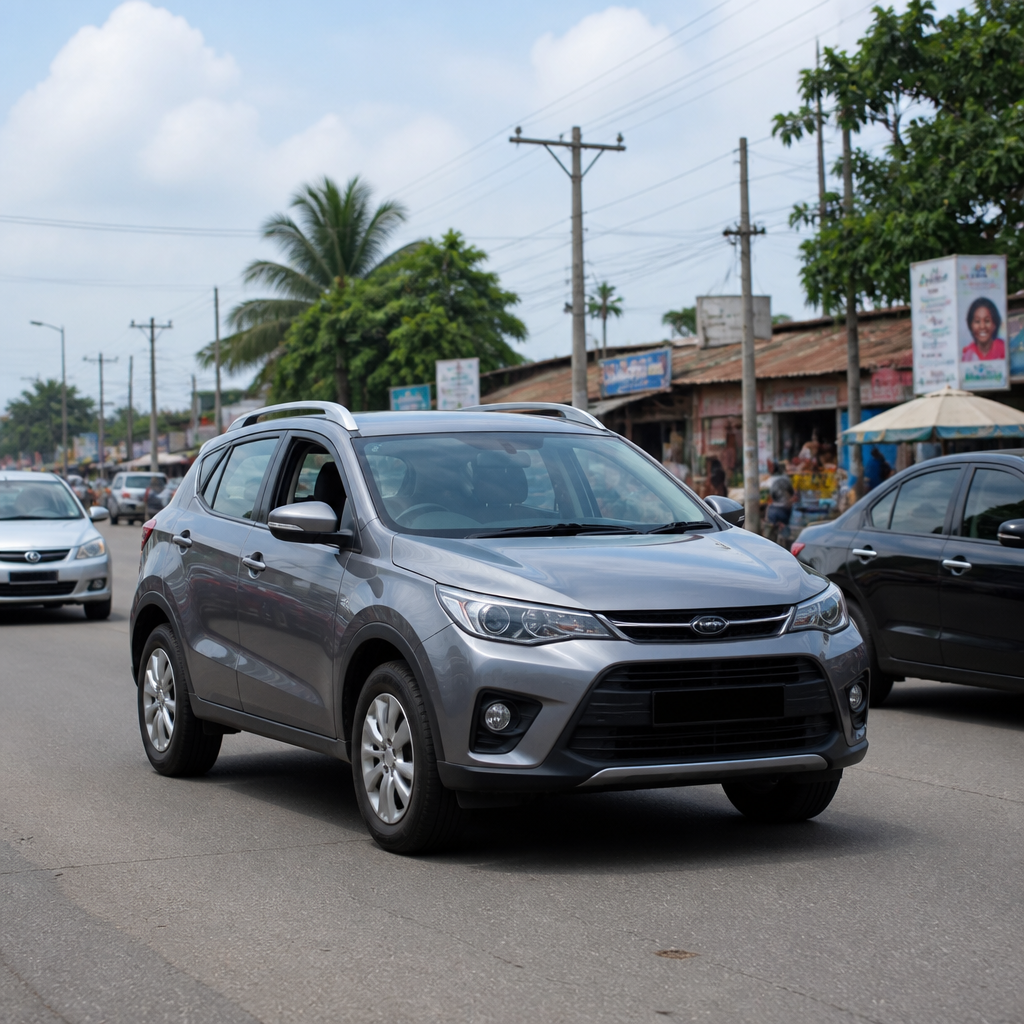
Choosing a fuel-efficient car for Nigerian roads requires more than selecting the smallest engine or trusting a seller’s promise. You need to consider traffic, road quality, maintenance, fuel availability, vehicle condition, driving habits, and the kind of journeys you make most often. A car that performs well in a laboratory test may consume much more fuel in Lagos traffic, on rough urban roads, or during long trips with passengers and luggage.
The right approach is to judge fuel economy alongside reliability, ground clearance, safety, repair support, and ownership cost. This guide explains what to check before buying, how to compare petrol, diesel, hybrid, and electric options, and how to test a vehicle realistically before you commit your money.
What fuel efficiency really means in everyday Nigerian driving
Fuel efficiency describes how far a vehicle can travel with a given amount of fuel or energy. In Nigeria, people often compare cars by asking how many kilometres they cover with a litre. That is useful, but it is not a fixed number. The result changes with traffic, road conditions, tyre pressure, air-conditioning use, driving style, vehicle load, and mechanical condition. Used Car Maintenance: 10 Signs a Car Was Poorly Maintained
For example, a compact saloon may use little fuel on an open highway. The same car may consume considerably more in slow-moving traffic where the engine idles, accelerates, and brakes repeatedly. A larger sport utility vehicle may use more fuel overall, but its clearance and stronger suspension could make it a better choice for a buyer who regularly uses rough roads.
Published fuel-economy figures are useful for comparison, not as a guarantee. Testing conditions differ from real roads. Therefore, treat official figures as a starting point and ask how the particular vehicle behaves in conditions similar to yours.
Measure ownership cost, not only litres per kilometre
A vehicle can be economical at the fuel pump and expensive elsewhere. A rare imported model may deliver good consumption but require costly parts or specialist repairs. Similarly, a very cheap used car may need suspension work, cooling-system repairs, transmission servicing, and new tyres soon after purchase.
Consider the full running cost:
- Fuel or charging cost.
- Routine servicing and engine oil.
- Replacement parts and labour.
- Tyres, brakes, suspension, and battery.
- Insurance, registration, and required documentation.
- Unexpected repairs caused by poor previous maintenance.
- Resale value and the availability of future buyers.
The most economical purchase is often a well-maintained model with readily available parts, even when another model has a slightly better advertised fuel figure.
Start with your Nigerian driving pattern
Before looking at vehicle adverts, write down how and where you drive. This simple step prevents many buying mistakes. A car for daily commuting in a crowded city has different requirements from a car used for inter-state travel, business deliveries, or rural trips.
Consider traffic and trip length
Frequent short trips in heavy traffic place special demands on a vehicle. The engine may spend a long time idling, while the air conditioner works continuously. Repeated cold starts and stop-and-go movement can also increase consumption.
If most of your journeys are short urban trips, a modest engine, smooth automatic transmission, and compact body may suit you. However, do not assume that a small engine is always the best choice. An underpowered engine may work harder when carrying passengers, climbing slopes, or using the air conditioner.
For regular highway travel, stability, comfort, safety, and cruising efficiency matter more. A slightly larger engine operating comfortably at normal speed may be more suitable than a tiny engine that constantly struggles under load.
Match the car to road conditions
Nigerian roads vary widely. You may encounter smooth expressways, potholes, speed bumps, flooded sections, unpaved streets, broken shoulders, and poorly marked road edges during the same journey. Examine the roads around your home, workplace, business locations, and family destinations.
Ground clearance is important where flooding, deep potholes, drainage channels, and rough surfaces are common. Nevertheless, higher clearance often comes with a taller body and greater aerodynamic resistance. Do not buy a large SUV solely for occasional difficult roads if most of your driving occurs on paved streets.
Think about a compromise. A compact crossover or durable small SUV may provide useful clearance without the fuel demand of a large four-wheel-drive vehicle. If you rarely leave paved roads, a well-maintained saloon or hatchback may be more economical and easier to manoeuvre.
Compare engine size, power, and vehicle weight
Engine size influences fuel use, but it does not tell the whole story. Vehicle weight, transmission design, gearing, aerodynamics, tyre choice, and engine technology also matter. Two cars with similar engine capacity can have different real-world consumption.
A lighter car generally needs less energy to move. Yet weight should not be your only consideration. A vehicle must still have adequate braking, suspension, cooling, and structural strength for the work you expect it to do.
Small naturally aspirated petrol engines can be economical and straightforward to repair. Turbocharged engines may provide strong power from a smaller capacity, but they can require careful servicing and good-quality lubricants. If you are considering a turbocharged used car, inspect the maintenance history and look for signs of oil leaks, smoke, unusual whistling, or delayed power delivery.
Do not choose an engine that is too small for your regular load. If you often carry five adults, luggage, tools, or goods, the engine may work harder than expected. That can reduce the practical advantage of a small engine and may accelerate wear when the car is poorly maintained.
Choose the right transmission for your use
Transmission choice affects both comfort and fuel consumption. Manual transmissions can be efficient when driven well, and many drivers appreciate their mechanical simplicity. However, frequent clutch use in severe traffic can become tiring and may wear the clutch quickly if the driver rests a foot on the pedal or rides the clutch.
Automatic transmissions are convenient in congested cities. Modern automatic designs can deliver good economy, but they vary in complexity. A used automatic car needs a careful inspection because transmission repairs can be expensive.
When buying a used automatic vehicle, check for:
- Delayed engagement when selecting Drive or Reverse.
- Harsh, slipping, or unusually noisy gear changes.
- Transmission-fluid leaks or a strong burnt smell.
- Warning lights on the dashboard.
- Evidence that the correct service procedure was followed.
Continuously variable transmissions can feel different from conventional automatics. They may hold engine speed during acceleration, which some drivers mistake for a fault. Even so, unusual juddering, shuddering, delayed movement, or loud mechanical noise deserves professional diagnosis. How to Identify a Genuine Tokunbo Car in Nigeria
Do not buy a transmission based only on fuel claims. Select one that suits your traffic, driving confidence, repair budget, and access to competent technicians.
Petrol, diesel, hybrid, or electric: which is suitable?
Each powertrain has strengths and limitations. The best option depends on your routes, budget, access to service, and expected ownership period.
Petrol cars
Petrol cars remain a practical choice for many Nigerian drivers. They are available in many body styles, and technicians commonly understand their systems. Petrol engines often start easily and work well for mixed city and highway use.
Fuel consumption depends heavily on engine size and vehicle condition. A petrol car with a faulty oxygen sensor, blocked air filter, weak spark plugs, dragging brakes, or underinflated tyres may use far more fuel than it should.
Diesel cars
Diesel engines can suit drivers who cover long distances or carry heavy loads. They often produce strong low-speed torque, which helps with hauling and highway work. However, diesel systems can be more sensitive to maintenance quality and fuel contamination.
Before buying a used diesel vehicle, inspect the fuel system, injectors, turbocharger, cooling system, and exhaust equipment. A diesel that has been neglected may produce smoke, hard starting, rough idle, weak acceleration, or expensive repair needs.
Hybrid cars
Hybrid vehicles combine an internal-combustion engine with electric assistance. They can be particularly efficient in repeated stop-and-go driving because the electric system can assist during acceleration and recover some energy during braking.
However, a used hybrid requires specialist assessment. Ask whether qualified technicians and suitable diagnostic equipment are available in your area. The high-voltage battery, inverter, cooling systems, and hybrid controls should be checked by someone who understands that specific model.
Do not assume that a hybrid battery is automatically defective because the car is used. Conversely, do not accept vague assurances about battery health. Request a proper diagnostic report and understand the cost of replacement or repair before buying.
Electric vehicles
Electric vehicles have no petrol engine and can be efficient for suitable daily routes. Their operating experience differs from a petrol or diesel car. The key questions include where you will charge, how long charging takes, how far the car travels under your normal conditions, and how the battery performs in heat and traffic.
Consider electricity reliability, charging access at home or work, available service support, and the cost of tyres and other parts. Also check the battery warranty terms that apply to the particular vehicle. A car imported from another market may have charging hardware or software requirements that do not suit your circumstances.
How to inspect a used fuel-efficient car
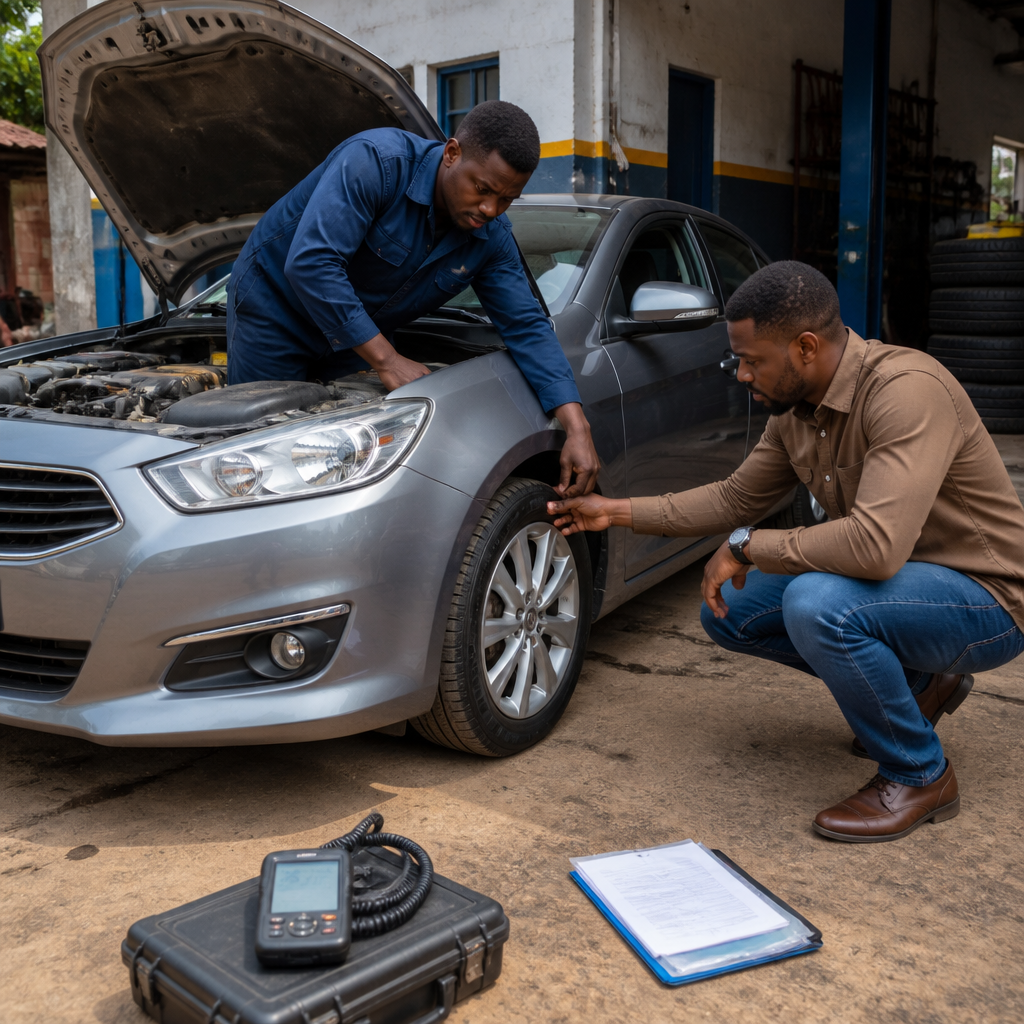
A vehicle’s badge and advertised consumption cannot replace an inspection. A badly maintained economical model may cost more to operate than a larger but healthier vehicle. Take a trusted technician or arrange an independent pre-purchase inspection before paying a deposit.
Check the engine and cooling system
Inspect the engine when it is cold, not only after the seller has warmed it. A warm engine can hide difficult starting and some smoke problems. Ask the seller not to start the car before you arrive, if possible.
Look for oil leaks, coolant stains, damaged hoses, corroded connectors, loose wiring, and signs of overheating. Check the oil level and appearance, but remember that clean oil alone does not prove good maintenance. Inspect the coolant reservoir and never open a hot radiator.
During startup, listen for knocking, excessive rattling, squealing, or uneven running. Blue smoke can indicate oil burning. Persistent white smoke may point to coolant entering the combustion chamber, although temporary vapour in some conditions can have other explanations. Black smoke may indicate an overly rich mixture or another fuel-system problem. A qualified technician should diagnose the cause.
Inspect tyres, brakes, and suspension
Tyres affect rolling resistance, grip, braking, and fuel use. Check tread depth, uneven wear, sidewall damage, manufacture information, and whether all four tyres are suitable for the car. A vehicle with mismatched or badly worn tyres may be unsafe and inefficient.
Look for leaking shock absorbers, damaged bushes, worn ball joints, uneven ride height, and steering play. On a road test, listen for repeated knocks over bumps. Do not ignore a vehicle that pulls to one side, vibrates at speed, or needs constant steering correction.
Dragging brakes can waste fuel and create dangerous heat. After a careful test drive, a technician can check whether one wheel is excessively hot. Do not touch brake components immediately after driving because they may be hot.
Review the dashboard and electrical systems
Turn the ignition on before starting the engine. Several warning lights should appear briefly and then go out after startup. If a warning light never appears, the bulb may have been removed or the system altered. How to Detect Engine Problems During a Test Drive
Test the air conditioner, headlights, indicators, windows, central locking, wipers, horn, reverse lights, instrument display, and audio system. In Nigeria’s heat, air-conditioning performance is not a luxury issue. A weak system can make driving uncomfortable and may indicate faults in the compressor, condenser, blower, or electrical controls.
Use a suitable diagnostic scan where appropriate. A scan is not a complete inspection, but it may reveal stored fault codes, readiness issues, or problems that are not visible during a short drive.
Use a realistic road test
A short drive around a quiet street is not enough. Ask to drive the car in conditions that resemble your normal use. Include smooth pavement, a rough section, traffic, turns, a hill if available, and a safe higher-speed road.
Observe how quickly the engine reaches normal temperature and whether the temperature remains stable. Test acceleration, braking, steering, parking, reversing, and air-conditioning operation. Listen for changes in engine sound when the compressor switches on.
Watch the fuel-consumption display if the vehicle has one, but do not treat it as a final answer. A short test can produce misleading results. Instead, focus on mechanical behaviour and combine the result with service records and an independent inspection.
If you buy the vehicle, reset the trip meter after filling the tank. Record the fuel added and kilometres travelled over several refills. A simple calculation is:
Fuel economy in kilometres per litre = kilometres driven ÷ litres added.
For example, if you drive 420 kilometres and add 42 litres, the result is 10 kilometres per litre. Repeat the measurement under normal conditions. Compare city and highway use separately when possible. This gives you a more useful picture than a single dashboard estimate.
Understand how driving habits affect fuel use
Even a good car can consume excessive fuel when driven aggressively or maintained poorly. Smooth driving usually saves fuel and reduces wear. Accelerate progressively, look ahead, and avoid rushing toward red lights before braking hard.
Excessive idling wastes fuel. If you are waiting for a long period and it is safe and appropriate to switch off, consider doing so. However, never switch off the engine in situations where you need immediate movement, steering assistance, climate control, or safety systems.
Remove unnecessary heavy items from the boot. Roof racks and external cargo carriers can increase aerodynamic drag, especially at higher speeds. Keep windows and doors properly sealed, and use the air conditioner sensibly rather than driving in unsafe heat.
Maintain correct tyre pressure according to the vehicle manufacturer’s guidance. Do not inflate tyres beyond the recommended pressure simply to chase better consumption. Overinflation can reduce grip, affect ride quality, and change handling.
Maintenance habits that protect fuel economy
Follow the maintenance schedule for the exact engine and model. Use the specified oil grade and replace filters when required. An old or blocked air filter may restrict airflow, while worn spark plugs can cause poor combustion in petrol engines.
Inspect the following items during routine servicing:
- Engine oil and oil filter.
- Air filter and intake system.
- Spark plugs or diesel glow and injection systems.
- Fuel filter and fuel-system condition.
- Coolant level, hoses, radiator, and thermostat.
- Tyre pressure, wheel alignment, and balancing.
- Brake condition and possible brake drag.
- Battery, charging system, and electrical connections.
Do not delay an engine warning light. Continuing to drive with a fault may increase consumption and turn a manageable repair into a major one. Keep invoices and service notes. A clear maintenance history helps you monitor costs and supports resale value.
Beware of common buying mistakes
One common mistake is focusing on purchase price while ignoring condition. A cheap car with a failed transmission, damaged cooling system, or worn suspension may not be economical. Add an inspection and repair reserve to your budget before making an offer.
Another mistake is choosing a vehicle that is too delicate for your routes. A low-slung car may be efficient on smooth roads but frustrating on broken surfaces. Repeated impacts can damage tyres, wheels, suspension, exhaust parts, and underbody components. Tokunbo Car Inspection: 20 Things to Check Before Payment
Some buyers also choose the biggest vehicle they can afford because it feels safer or more prestigious. Size alone does not determine safety. A well-maintained vehicle with effective brakes, good tyres, functioning restraints, and a sound body is more valuable than an oversized car in poor condition.
Be cautious when a seller promises unusually low fuel use without evidence. Ask how the figure was measured, under what conditions, and whether the car has been modified. Confirm the vehicle identification number, ownership documents, import or customs records where relevant, and service history before completing the transaction.
How to compare shortlisted vehicles
Once you have three or four possible models, create a simple comparison table. Score each vehicle from one to five for the factors that matter to you.
- Expected fuel economy in your normal traffic.
- Ground clearance and suitability for your routes.
- Reliability reputation based on verifiable ownership experience.
- Availability and cost of parts.
- Number of competent technicians nearby.
- Safety equipment and crash protection.
- Interior space and luggage capacity.
- Air-conditioning performance.
- Purchase price and expected repair reserve.
- Resale prospects and documentation status.
Do not award a high score based on a seller’s claim alone. Mark uncertain items as unknown and investigate them. If two vehicles are close, choose the one with clearer history, better inspection results, and stronger local support.
Build a sensible purchase budget
Your budget should cover more than the amount paid to the seller. Set aside money for inspection, ownership transfer, insurance, registration-related requirements, initial servicing, fluids, tyres, and small repairs. The exact costs vary by vehicle and location, so obtain current quotations before buying.
Ask yourself how the car will fit into your monthly cash flow. A vehicle with excellent fuel economy is not a good choice if its loan or repair obligations leave no room for routine maintenance. Preventive servicing is part of fuel efficiency because a neglected engine rarely remains economical.
When comparing fuel types, estimate your monthly distance. Multiply your expected kilometres by the vehicle’s measured or cautiously estimated consumption. Then compare that result with the current fuel or charging cost available to you. Keep the calculation flexible because prices and traffic patterns can change.
Practical checklist before you pay
- Define your normal routes, passenger load, and road conditions.
- Select a few models with suitable clearance, size, and service support.
- Check the engine, transmission, tyres, suspension, brakes, and air conditioner.
- Confirm that the vehicle identification and ownership documents match the car.
- Arrange an independent inspection, preferably before negotiating the final price.
- Take a realistic road test in traffic and on roads similar to your own.
- Ask for maintenance records and verify major repairs where possible.
- Calculate the likely fuel, servicing, insurance, and repair costs.
- Confirm that parts and competent technicians are available near you.
- Pay only after the documentation, inspection, and agreement are clear.
Frequently asked questions
Is a smaller engine always more fuel-efficient?
No. A smaller engine may use less fuel when the vehicle is light and lightly loaded. However, it may consume more when constantly carrying passengers, climbing hills, or operating under heavy air-conditioning demand. Compare the complete vehicle and your real driving conditions.
Are automatic cars less economical than manual cars?
Not necessarily. Transmission design, vehicle age, maintenance, and driving conditions all matter. A modern automatic may be efficient and easier to use in traffic, while a poorly maintained automatic can be expensive. Judge each car individually.
Should I buy a hybrid to save money?
A hybrid can reduce fuel use in suitable driving conditions, especially repeated urban stops. However, calculate purchase price, battery condition, specialist support, and future repair costs. A hybrid is not automatically the cheapest option for every buyer.
How can I confirm a seller’s fuel-consumption claim?
Ask how the figure was measured, then conduct an independent inspection and monitor consumption after purchase. Use several refills rather than one short trip. Compare the result with your usual traffic, load, and air-conditioning use.
Does air conditioning use a lot of fuel?
Air-conditioning adds load to the engine, so it can affect consumption. The effect varies with the vehicle, outside temperature, system condition, and driving pattern. In Nigeria, comfort and safe concentration matter, so do not avoid necessary cooling merely to chase a small saving.
What is the best fuel-efficient car for Nigerian roads?
There is no single answer for every driver. The best choice is a well-maintained vehicle that matches your road conditions, passenger load, traffic, budget, and access to repairs. A modest, common model with good history may be a better purchase than a technically efficient but unsupported import.
Final advice for choosing wisely
Choosing a fuel-efficient car is a process, not a hunt for one magic engine size. Start with your daily routes. Then compare the complete vehicle, including its clearance, weight, transmission, maintenance needs, parts supply, safety, and history.
Inspect before paying, test the car in realistic conditions, and measure fuel use after purchase. Keep the tyres correctly inflated, service the engine on schedule, and drive smoothly. These habits can protect both fuel economy and reliability.
Most importantly, choose a car that you can maintain properly in your location. The best vehicle for Nigerian roads is not always the one with the lowest advertised consumption. It is the one that delivers reasonable fuel use while remaining safe, dependable, repairable, and suitable for the roads you actually travel.
1 thought on “How to Choose a Fuel-Efficient Car for Nigerian Roads”