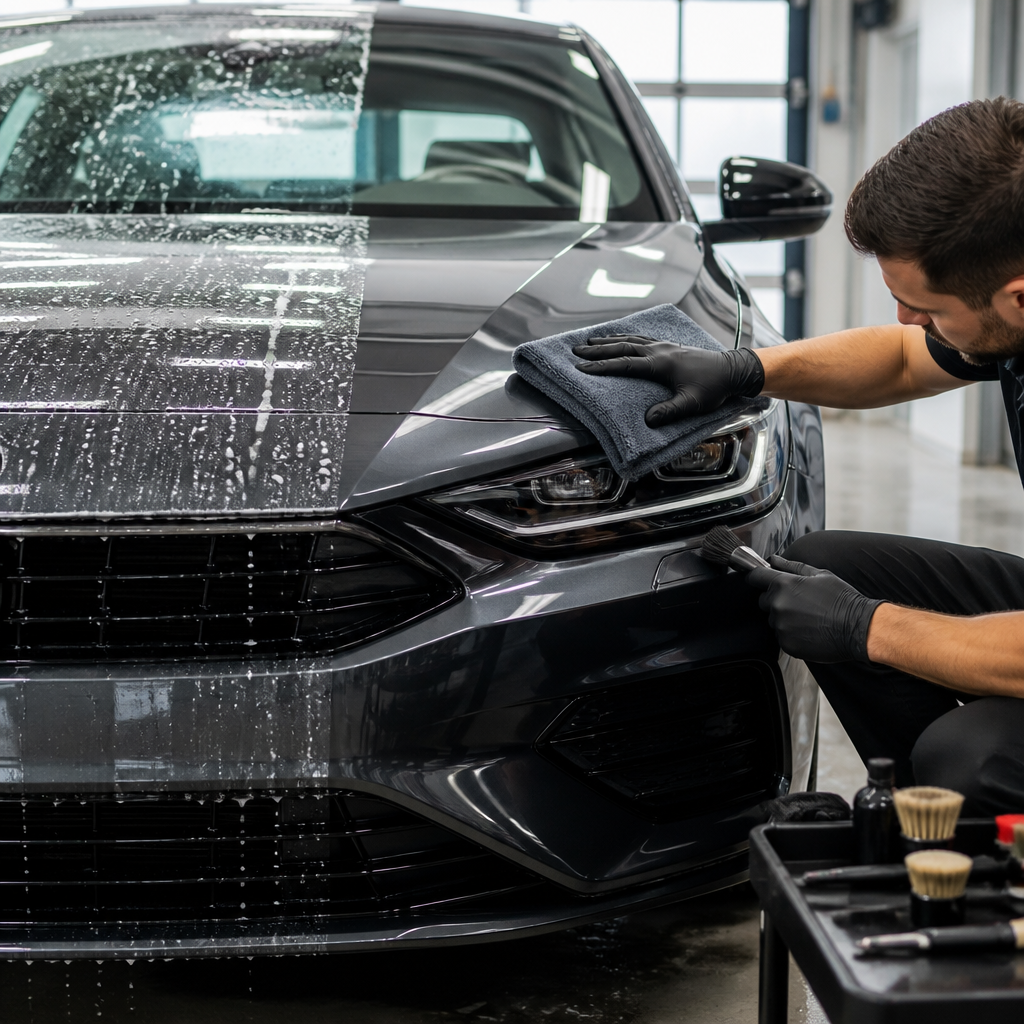
If you are comparing car detailing vs car washing, the main difference is simple: washing cleans the vehicle’s visible dirt, while detailing gives the interior and exterior a much deeper, more careful treatment. Both services have a place in a sensible maintenance routine, but they are not interchangeable. Choosing the right one can save you time, prevent unnecessary costs, and help your vehicle remain comfortable and presentable.
A quick wash may be exactly what your car needs after a dusty commute or muddy journey. However, a vehicle with stained seats, dull paint, unpleasant odours, embedded road film, or light surface defects may need detailing instead. This guide explains what each service includes, how long the results may last, what you can safely do at home, and when professional help makes sense.
Car detailing vs car washing: the basic difference
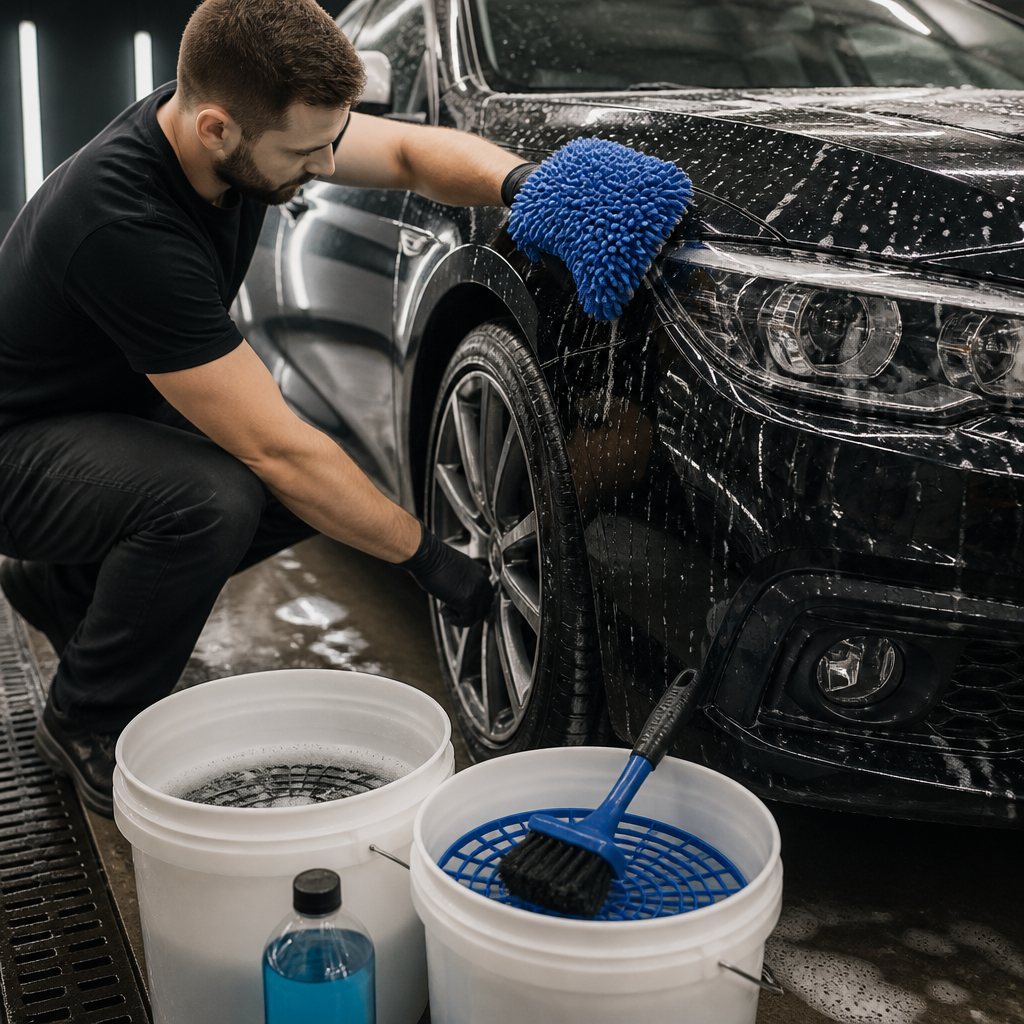
Car washing is a routine cleaning service. It usually focuses on removing loose dirt, dust, mud, traffic film, and other surface contaminants from the exterior. Depending on the package, it may also include a quick vacuum, dashboard wipe, tyre cleaning, and window cleaning. Harmattan Dust Car Care: Protect Your Vehicle
Car detailing is a more comprehensive process. It aims to clean, restore, and protect the vehicle in greater detail. A professional detailer may work on paint contamination, small surface marks, trim, wheels, glass, carpets, seats, air vents, and difficult-to-reach areas. Some services also add paint correction, wax, sealant, ceramic coating, leather conditioning, or fabric protection.
Think of a wash as regular housekeeping and detailing as a more thorough reset. A wash keeps ordinary dirt under control. A detail addresses neglected areas and improves the vehicle’s overall condition.
- Car washing: quick, regular cleaning for everyday dirt.
- Car detailing: intensive cleaning, restoration, and protection.
- Both: useful parts of a broader vehicle care routine.
The exact services differ between businesses. Always ask what the package includes before booking. A business may use the word “detail” for a basic wash with a few extras, while another may provide a much more extensive service.
What does a car wash usually include?
A standard car wash mainly deals with the vehicle’s exterior. The goal is to remove dirt without damaging the paint or leaving an obvious film behind. A responsible wash should use suitable cleaning products, clean water, and tools that reduce the chance of dragging grit across the bodywork.
Exterior cleaning
Exterior washing commonly includes the following:
- Rinsing loose dirt from the body.
- Applying car shampoo or another suitable vehicle-cleaning solution.
- Cleaning the bonnet, roof, doors, boot, bumpers, and lower panels.
- Cleaning the wheels and sometimes the wheel arches.
- Rinsing away soap and loosened contaminants.
- Drying the vehicle with towels, air, or a combination of both.
- Cleaning the exterior glass.
- Applying a basic tyre dressing or quick shine product in some packages.
Some automatic car washes add spray wax, underbody rinsing, or drying aids. These features can be convenient, but they do not replace proper paint correction or long-term protection. A wash product may improve gloss temporarily without removing deeper contamination.
Basic interior cleaning
Many full-service washes include a limited interior clean. This may involve vacuuming the seats and floor, wiping hard surfaces, cleaning the dashboard, and emptying small amounts of rubbish. It is usually a maintenance clean rather than a restoration service.
A basic wash may not include stain extraction, detailed brush work, leather treatment, headliner cleaning, odour treatment, or cleaning between buttons and tight seams. If the interior has spills, ground-in dirt, pet hair, or persistent smells, ask for an interior detail instead.
What does car detailing include?
Detailing is not one fixed service. It can range from a thorough clean to a multi-stage correction and protection process. The work depends on the vehicle’s condition, the owner’s goals, the materials inside the car, and the products available to the detailer.
Exterior detailing
An exterior detail often begins with a careful wash. The detailer may pre-rinse the vehicle, clean the wheels separately, wash the body in sections, and dry it using methods designed to limit scratching. The process then moves beyond ordinary washing.
Exterior detailing may include:
- Cleaning badges, grilles, fuel doors, door jambs, and panel gaps.
- Removing tar, tree sap, insect residue, and other bonded contaminants.
- Using a clay treatment or another suitable decontamination method.
- Cleaning and dressing exterior plastics and rubber trim.
- Polishing paint to improve clarity and reduce the appearance of some light defects.
- Applying wax, paint sealant, or another protective product.
- Cleaning and protecting wheels.
- Cleaning exterior glass and, where appropriate, applying glass protection.
Not every vehicle needs every stage. For example, paint correction requires careful inspection and should not be treated as an automatic part of every detail. Removing a mark by polishing also removes a small amount of clear coat. A skilled professional should assess the paint before recommending aggressive correction.
Interior detailing
An interior detail focuses on cleaning the cabin more thoroughly than a routine vacuum and wipe-down. The detailer may remove loose items, vacuum several times, use brushes around seams, and clean areas that are often missed during a quick service.
Interior detailing can include:
- Deep vacuuming of carpets, seats, mats, and luggage areas.
- Cleaning under seats and around seat rails where accessible.
- Brushing air vents, switches, seams, cup holders, and storage pockets.
- Cleaning plastic, vinyl, rubber, and other hard surfaces.
- Cleaning fabric seats and carpets with suitable products.
- Conditioning appropriate leather surfaces.
- Cleaning interior glass without leaving a greasy film.
- Removing light odours by cleaning the source rather than simply masking it.
Some stains cannot be removed completely. Bleached fabric, permanently discoloured material, damaged leather, and mould may require specialist treatment or replacement. A professional should explain the likely result instead of promising that every mark will disappear.
How the two services differ in time, depth, and result
The clearest difference between washing and detailing is the level of attention. A wash is designed to be efficient. Detailing is designed to be thorough.
| Area | Car wash | Car detail |
|---|---|---|
| Main purpose | Remove everyday dirt | Deep clean, restore, and protect |
| Typical time | Shorter service | Longer service, depending on condition |
| Exterior | Wash, rinse, dry, and possibly tyre dressing | Decontamination, polishing, trim care, and protection may be included |
| Interior | Quick vacuum and surface wipe | Detailed cleaning, stain treatment, and material care |
| Paint defects | Usually not addressed | Light defects may be improved through polishing |
| Protection | May include temporary spray wax | May include wax, sealant, or coating |
| Best use | Regular maintenance | Periodic renewal or preparation for sale |
A detailed service may leave the vehicle looking noticeably better, but it cannot reverse every form of damage. Deep scratches, dents, peeling clear coat, rust, cracked leather, and faded plastics may need body repair, replacement, or specialist restoration.
When should you choose a car wash?
A car wash is usually the right choice when your vehicle has ordinary surface dirt and no major cleaning problem. Regular washing helps prevent contaminants from sitting on the paint for too long. It also keeps lights, mirrors, windows, number plates, and cameras clearer.
Consider a wash when: Heavy Steering: Causes, Checks and Practical Solutions
- Your car has dust from daily driving.
- Mud or road spray has built up on the lower panels.
- Bird droppings or insects need prompt removal.
- You want to maintain a recently detailed vehicle.
- You are preparing for a normal trip or family occasion.
- The interior only needs light vacuuming and wiping.
Prompt cleaning matters because some contaminants can mark or stain surfaces if they remain in strong heat or sunlight. Bird droppings, tree sap, and insects are particularly worth removing carefully. Do not scrape them dry. Soften the material with water and a suitable product first.
Regular washing does not need to mean washing every day. The right frequency depends on where you drive, the weather, road conditions, parking environment, and whether the vehicle has a protective product. A car used on dusty roads may need more frequent cleaning than a car kept under cover.
When should you choose detailing?
Choose detailing when ordinary washing no longer solves the problem. A detail is also useful before an important event, after a long period of neglect, or when you want to improve the vehicle’s presentation before selling it.
Detailing may be suitable when:
- The paint feels rough even after washing.
- The exterior looks dull or carries stubborn road film.
- The cabin has stains, embedded dirt, or persistent odours.
- You have bought a used vehicle and want to reset its condition.
- You are preparing the car for sale or inspection.
- You want to apply or renew paint protection.
- You have transported pets, children, food, or messy equipment.
- You want a more thorough clean before a long journey.
Detailing can improve presentation, but it should not be used to hide serious mechanical or structural problems. A clean engine bay does not prove that an engine is healthy. Glossy paint does not confirm that a vehicle has never been repaired. When buying or selling, combine appearance checks with proper documentation, inspection, and a road test where appropriate.
Does detailing protect the paint better than washing?
Washing and detailing can both support paint care, but they do so in different ways. A careful wash removes abrasive dirt before it can be rubbed across the surface. Detailing may add decontamination, polishing, and a protective layer.
Wax and paint sealants can make the surface easier to clean and may add water-repellent behaviour. Their performance depends on the product, preparation, exposure, washing method, and weather. No protective product makes paint immune to scratches, stone chips, harsh chemicals, or careless washing.
Ceramic coatings are another type of protection. They bond to the surface differently from traditional waxes, but they still require preparation and maintenance. A coating cannot correct deep scratches or replace safe washing habits. Be cautious of claims that promise permanent protection or a completely scratch-proof finish.
Why preparation matters
Protection works best when the surface is clean and properly prepared. If dirt, oil, or bonded contamination remains underneath, the result may be uneven. For this reason, an experienced detailer normally inspects the paint before applying a product.
Ask the provider:
- What preparation is included?
- Which surfaces will receive the product?
- How should the vehicle be washed afterwards?
- How long must the product remain dry?
- What level of durability is realistic in your driving conditions?
These questions help you separate a genuine protection service from a quick product application with exaggerated promises.
How to wash your car safely at home
Home washing can work well if you use suitable equipment and avoid dragging grit across the paint. The aim is not to use the most expensive products. It is to reduce friction and keep dirty tools away from clean surfaces.
Prepare before you start
- Park in shade when possible, away from strong direct sunlight.
- Allow hot panels to cool before applying soap.
- Gather vehicle shampoo, clean water, a hose or pressure washer, soft wash mitts, and drying towels.
- Use separate tools for wheels and painted surfaces.
- Remove jewellery or anything that could scratch the bodywork.
Read product instructions before use. Household detergents may be too harsh for some automotive materials or may remove existing protection. A pressure washer can help loosen dirt, but keep the nozzle at a safe distance and avoid forcing water into damaged seals, electrical components, or open windows.
Use a top-to-bottom method
- Rinse the vehicle to remove loose dirt.
- Clean the wheels with separate equipment.
- Wash the roof and upper panels first.
- Work downwards, leaving the dirtiest lower panels until later.
- Rinse the mitt regularly and replace dirty water when necessary.
- Rinse soap away before it dries.
- Dry with a clean, absorbent towel using light pressure.
Do not use one old cloth for the wheels, engine bay, door sills, and paint. Brake dust and heavy grit can scratch clear coat. Likewise, avoid rough brushes on delicate trim and avoid wiping dry dust from the body.
Clean glass with a product that does not leave a greasy residue. If your vehicle has cameras or driver-assistance sensors, keep those areas clean and follow the vehicle manufacturer’s guidance. Dirty or obstructed sensors can affect the information available to the driver.
How to maintain a detailed vehicle
A professional detail lasts longer when the owner follows sensible maintenance habits. The biggest mistake is treating a detailed car like it no longer needs care. Protection reduces effort, but it does not eliminate contamination.
- Wash promptly after heavy mud, insect buildup, or bird droppings.
- Use clean, soft tools and suitable automotive products.
- Avoid automatic brushes if they are visibly dirty or poorly maintained.
- Do not wipe dusty paint with a dry cloth.
- Clean spills inside the cabin as soon as practical.
- Use floor mats to reduce wear and staining.
- Keep food, drinks, and muddy equipment contained.
- Park under cover when practical, while still allowing the vehicle to dry properly.
- Follow the care instructions supplied for waxes, sealants, coatings, leather, and fabric.
Interior materials need different treatment. Leather, coated leather, vinyl, fabric, plastic, and Alcantara-style materials should not all receive the same cleaner. Test an unfamiliar product on a hidden area first. Avoid soaking seats, headliners, electronic controls, and carpet underlay.
Common mistakes in car washing and detailing
Many defects result from technique rather than from the vehicle itself. Avoiding a few common mistakes can protect both your paint and your budget. Car Maintenance Rainy Season: A Practical Nigeria Guide
Using household soap
Dishwashing liquid is designed to remove kitchen grease. It may be too aggressive or unsuitable for regular vehicle care. Use a product intended for automotive surfaces and follow its instructions.
Washing in direct heat
When panels are hot, soap and water can dry quickly. This may leave spots or streaks and make the process harder. Shade and smaller working sections usually produce a better result.
Using one bucket or one cloth for everything
A cloth that touched wheels should not immediately touch the bonnet. Use separate tools and rinse them often. If a towel falls on the ground, set it aside rather than returning it to the paint.
Expecting polish to remove deep scratches
Polishing can improve some light marks, oxidation, and haze. It cannot safely remove every deep scratch. If you can feel a defect sharply with a fingernail, ask a professional for an assessment before attempting aggressive correction.
Masking odours instead of cleaning the source
Air freshener may cover an odour briefly, but it does not remove spilled food, damp materials, smoke residue, or contaminated carpet. Deep cleaning and drying are usually more useful than adding fragrance.
Ignoring drying and ventilation
Moisture left in carpets, seats, or door seals can contribute to musty smells. After interior cleaning, allow the cabin to dry properly. Do not close a wet vehicle for a long period if ventilation is possible and safe.
How to choose a professional detailer
The quality of a detailing service depends heavily on the person doing the work. Before booking, inspect the business’s process rather than relying only on photographs or broad claims.
Ask for a clear description of the package. It should explain whether the price covers the exterior, interior, wheels, glass, decontamination, polishing, and protection. Clarify whether stains, pet hair, heavy mud, engine-bay cleaning, or odour treatment costs extra.
Look for a provider that:
- Inspects the vehicle before promising a result.
- Explains limitations honestly.
- Uses separate tools for wheels and paint.
- Protects sensitive interior and exterior areas.
- Discusses drying time for wet interior work.
- Provides clear aftercare instructions.
- Does not guarantee that every scratch or stain will disappear.
Ask how the business handles runoff and wastewater. Cleaning products, oil, brake dust, and other contaminants should not be allowed to flow carelessly into drains or waterways. Local requirements can vary, so a responsible operator should understand the environmental rules that apply to its location.
You should also ask how long the vehicle may remain with the business, whether you need to remove personal items, and what happens if the detailer discovers damaged trim or fragile paint. Written communication helps avoid misunderstandings.
Environmental considerations when washing a car
Car cleaning creates dirty water. That water can contain detergents, grease, oil, brake dust, tyre residue, and road contaminants. Where it goes matters, especially when washing on driveways connected to storm drains.
Use as little water as practical, choose products carefully, and avoid allowing dirty runoff to enter drains or natural waterways. A commercial facility may have systems and procedures for managing wash water, but you should still ask how the service operates in your area.
Waterless and rinseless products can reduce water use in suitable conditions. They are not a universal solution. If the vehicle is heavily muddy or gritty, trying to clean it with minimal lubrication can increase the chance of scratching. Match the method to the vehicle’s condition.
Government environmental guidance can help vehicle owners and businesses understand responsible wash-water practices. Local authorities may have additional requirements, so do not assume that a method permitted in one place is permitted everywhere.
Which service is better before selling a car?
Before selling, a wash is the minimum sensible step. A clean exterior and tidy interior help buyers inspect the vehicle more easily. However, a detail may be worthwhile if the car has neglected surfaces, stains, odours, or dull paint.
Focus on honest presentation rather than attempting to disguise problems. Remove rubbish, clean the glass, vacuum the cabin, wash the wheels, and address obvious stains. If the paint has light oxidation, professional polishing may improve its appearance. Do not use excessive dressing on tyres, dashboards, or plastics, because an oily finish can look unnatural and may attract dust. How to Protect Car Paint From Nigeria’s Harsh Sun
Remember that detailing does not replace accurate vehicle information. A buyer may still want service records, ownership information, inspection results, and other relevant documents. Good presentation supports trust, but it should accompany truthful disclosure.
How often should you wash or detail a car?
There is no single schedule that suits every vehicle. Washing frequency depends on exposure, use, weather, road surfaces, parking, and personal standards. A vehicle that travels on unpaved roads or parks beneath trees may need attention more often.
Use regular washing for routine contamination. Consider a full detail when the interior or exterior needs more than a maintenance clean. Some owners choose detailing seasonally, while others book it before selling, after purchasing a used car, or before a major event.
Instead of following a rigid calendar, inspect the vehicle:
- Does the paint feel rough after washing?
- Are water marks or road film becoming difficult to remove?
- Do seats, carpets, or trim look visibly soiled?
- Is there a persistent odour?
- Has the protective product stopped behaving as expected?
- Are neglected areas becoming more difficult to clean?
These signs help you choose between another wash, a maintenance clean, or a deeper detail.
Frequently asked questions
Is detailing the same as washing?
No. Washing mainly removes everyday dirt from the vehicle. Detailing is more extensive and may include deep interior cleaning, paint decontamination, polishing, trim care, and protective products. The exact meaning depends on the provider’s package.
Can a car wash remove scratches?
A normal wash does not remove scratches. It may make the vehicle look brighter by removing dirt. Light surface marks may respond to polishing during a detail, but deeper scratches require careful assessment and may need paint repair.
Does every detail include waxing?
No. Wax, sealant, and coating services vary. Some details include a temporary protection product, while others charge separately. Confirm the package before booking and ask how the product should be maintained.
Can I detail my car myself?
Yes, you can perform many detailing tasks at home. Vacuuming, careful washing, glass cleaning, and gentle interior wiping are reasonable starting points. Paint correction, stain extraction, coating application, and work on delicate materials require more knowledge and suitable equipment.
Is an automatic car wash safe?
It depends on the equipment, maintenance, and wash type. Some systems may be gentler than others. Dirty brushes, unsuitable drying methods, or poor technique can contribute to fine marks. If paint condition is a priority, ask how the facility cleans its equipment and choose a method that limits contact and contamination.
Should I detail a newly purchased used car?
A detail can be useful after buying a used vehicle because it gives you a clean starting point. Before spending heavily, inspect the car’s mechanical condition, history, paint, tyres, and interior materials. Cosmetic work should fit the vehicle’s overall value and your ownership plans.
Does detailing increase a car’s value?
Detailing can improve presentation and may make a vehicle easier to show to potential buyers. It does not guarantee a higher sale price. Buyers also consider condition, maintenance, documents, mileage, demand, and any accident or repair history.
Final decision: wash, detail, or both?
The practical answer to car detailing vs car washing is that most vehicles benefit from both. Use washing for regular maintenance and detailing when the vehicle needs deeper cleaning, restoration, or protection.
Choose a wash when the car mainly has loose dirt, dust, mud, or road film. Choose detailing when stains, odours, bonded contamination, dull paint, or neglected areas require more attention. If you are preparing a vehicle for sale, begin with an honest inspection and select only the services that will make a meaningful difference.
Whichever option you choose, safe technique matters. Use suitable products, clean tools, separate wheel equipment from paint equipment, remove harsh contaminants promptly, and ask professionals to explain their process. A consistent maintenance routine will usually protect your vehicle better than an occasional expensive service followed by careless cleaning.
3 thoughts on “Car Detailing vs Car Washing: What’s the Difference?”