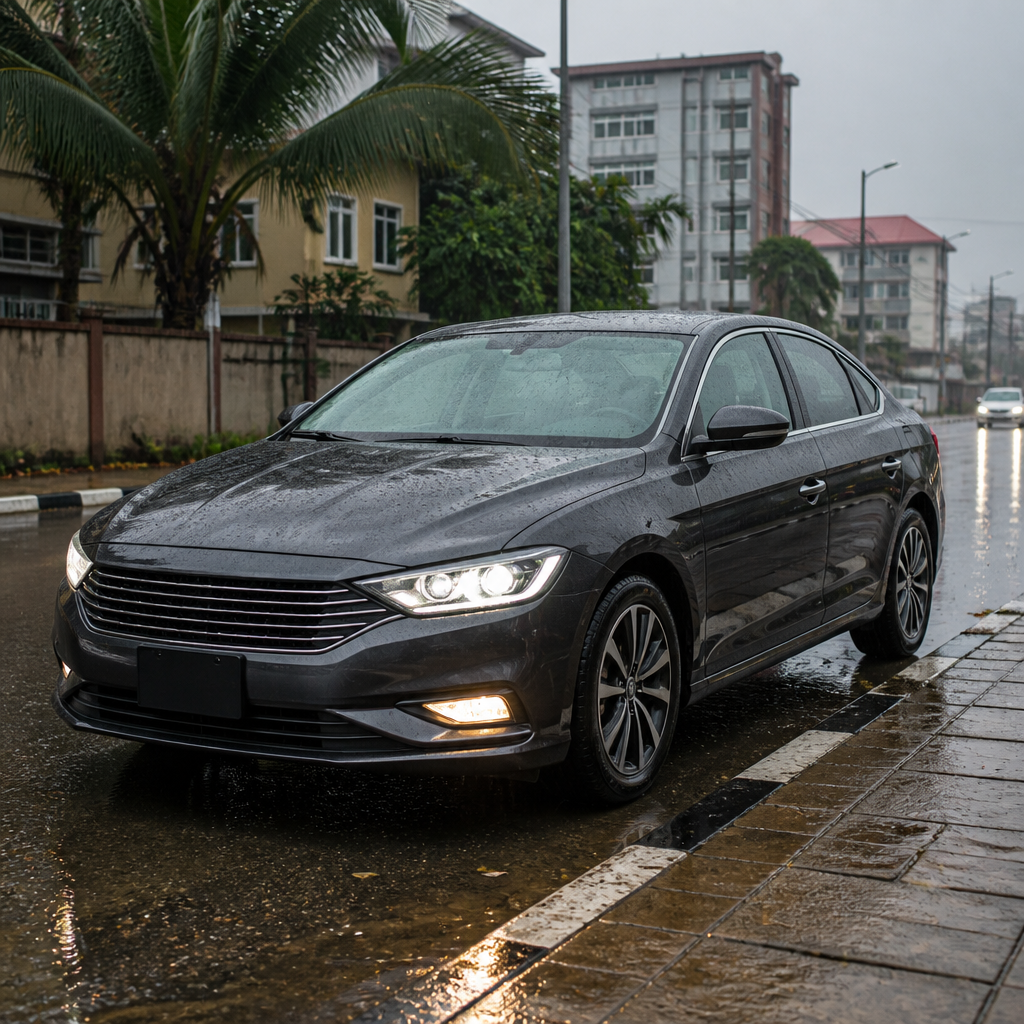
Good car maintenance rainy season habits can help you protect your vehicle, improve visibility and reduce avoidable breakdowns on Nigeria’s wet roads. Rain exposes weak tyres, worn wiper blades, poor brakes, loose electrical connections and damaged seals. It can also leave mud, sand and dirty water on parts that need regular attention.
This guide explains what to check before the rains become heavy, what to do after driving through water and how to respond when a car develops a problem during a downpour. The advice applies to most everyday cars, SUVs and light commercial vehicles. However, your owner’s manual and a qualified technician should take priority when they give vehicle-specific instructions.
Why rainy-season vehicle care matters in Nigeria
Rainy-season driving creates several challenges at the same time. The road surface becomes slippery, visibility can fall quickly and standing water may hide potholes, broken edges or open drainage. In busy urban areas, traffic may also become slower and less predictable when roads flood. Car Suspension Noise: Common Causes and Fixes
Water itself is not always the main danger to a vehicle. Contaminated water can carry sand, mud, leaves and waste. These materials can enter brake areas, collect under the body, block drains or remain trapped around suspension components. Repeated exposure may encourage corrosion, especially where paint or underbody protection is already damaged.
Some problems begin before the first heavy rainfall. A tyre with low tread, a cracked wiper blade or a weak battery may seem acceptable in dry weather. Rain then turns a small defect into a serious inconvenience. A short inspection before the wet season is therefore more useful than waiting for a warning light or roadside failure.
Start your car maintenance rainy season inspection early
Set aside time for a basic inspection before regular rainfall begins. You do not need special equipment for every check. A torch, tyre-pressure gauge, clean cloth, gloves and your vehicle handbook can help you identify many obvious issues.
- Walk around the vehicle. Look for damaged lights, loose trim, cracked glass, missing body panels and signs of fluid leaking underneath.
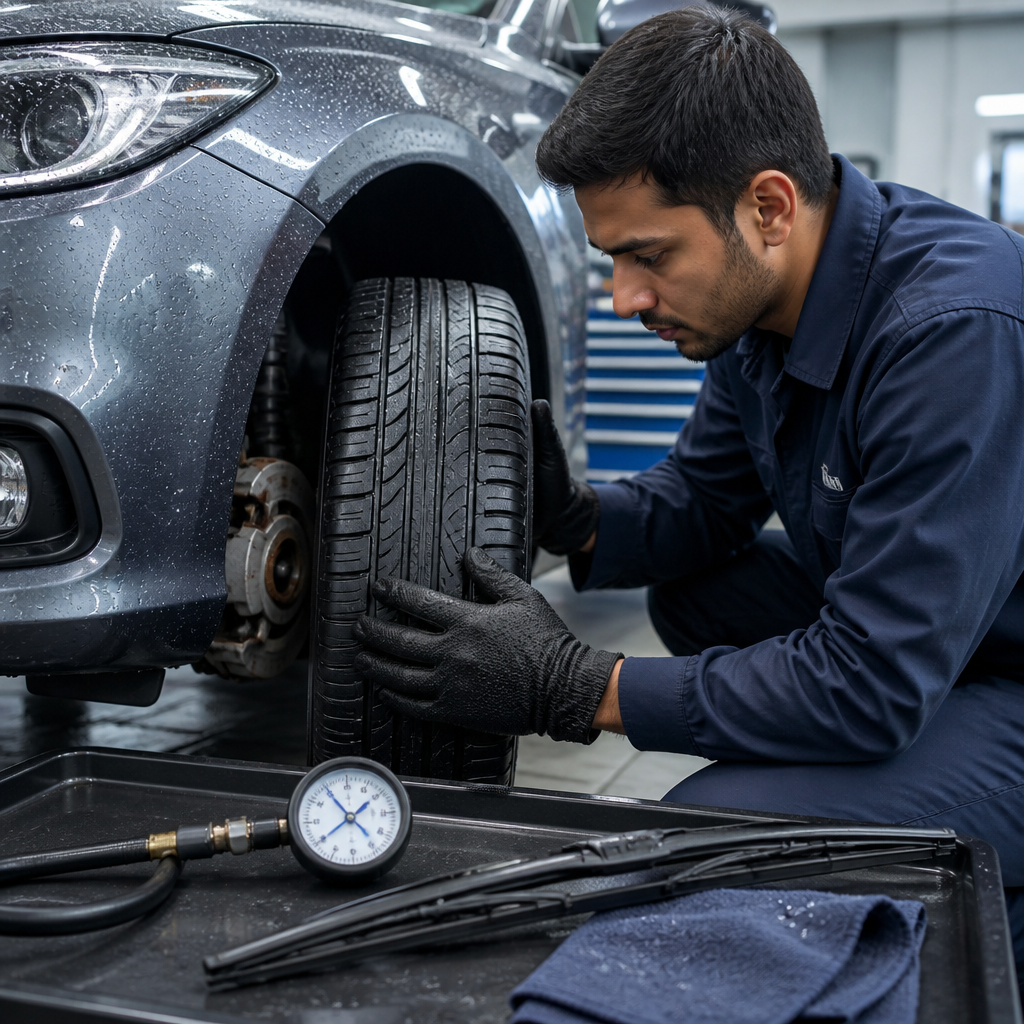
- Check the tyres. Inspect the tread, sidewalls and valve areas. Look for cuts, bulges, exposed cords or uneven wear.
- Test the lights. Confirm that the headlights, tail lights, brake lights, indicators and hazard lights work.
- Operate the wipers and washers. Make sure the blades clear water without leaving broad streaks.
- Open the bonnet. Check fluid levels, visible belts, battery terminals and signs of oil or coolant leakage.
- Inspect the cabin. Look for damp carpets, water stains, musty smells and blocked drainage around the doors or windscreen.
- Review your emergency equipment. Keep a warning triangle where appropriate, a torch, phone charger, basic tools and suitable reflective clothing.
Record anything that needs attention. A written list helps you separate urgent safety repairs from cosmetic work. Tyres, brakes, steering, lighting and windscreen visibility deserve priority.
Use the owner’s manual as your first reference
Different vehicles use different fluids, tyre pressures, fuse arrangements and maintenance schedules. Check the handbook before topping up coolant, replacing a fuse or lifting the vehicle. If the manual is missing, ask the manufacturer’s authorised representative or a trusted technician for the correct specification.
Do not assume that every fluid can be mixed. Coolant types, brake fluids and transmission fluids may not be interchangeable. The wrong product can damage components or create a safety problem.
Inspect tyres carefully before wet-road driving
Tyres are among the most important parts of a vehicle during rain. Their tread channels help move water away from the contact area. When tread is worn, damaged or uneven, the vehicle may have less grip on a wet surface.
Check all four road tyres, including the inner sidewalls when possible. Also inspect the spare tyre. A spare that has been stored for a long time may have low pressure, cracks or age-related deterioration even if it has never touched the road.
What to look for on each tyre
- Uneven tread wear: Wear concentrated on one edge can point to alignment, suspension or inflation problems.
- Sidewall damage: Bulges, deep cuts and exposed material require professional assessment. Do not treat a bulging tyre as safe because it still holds air.
- Embedded objects: Nails, screws and sharp stones can cause slow leaks. Avoid removing an object before the tyre is assessed if it is still holding pressure.
- Correct inflation: Use the vehicle manufacturer’s recommended pressure, normally found on a door-frame label or in the handbook. Do not use the maximum pressure printed on the tyre sidewall as the vehicle setting unless it matches the manufacturer’s recommendation.
- Matching condition: Tyres on the same axle should be in suitable condition and correctly sized. Ask a professional if you are unsure about mixing brands or tread patterns.
Check pressures when the tyres are cold, because heat from driving can affect the reading. A pressure check does not replace a visual inspection. A tyre can show a normal pressure and still have internal or sidewall damage.
Do not rely on aggressive manoeuvres to test grip on a public road. If the steering feels light, the car pulls to one side or the tyres repeatedly lose traction, reduce speed safely and have the vehicle inspected.
Maintain brakes, steering and suspension
Wet weather can make an existing brake or suspension problem more noticeable. Water may temporarily affect surface friction, but persistent squealing, grinding, vibration or pulling should not be dismissed as normal rain behaviour.
Before the season, ask a qualified technician to inspect the brake pads or shoes, discs or drums, brake hoses and fluid condition. The exact service needs depend on the vehicle. A brake warning light, soft pedal or pedal that sinks unusually should receive urgent attention.
Test the brakes gently in a safe location before joining heavy traffic. The vehicle should slow in a controlled manner without pulling strongly to either side. Keep a safe distance from other road users, because stopping can take longer on a wet road.
Steering and suspension also affect wet-road control. Worn shock absorbers, damaged bushes, loose steering components or poor wheel alignment may make the vehicle unstable over puddles and uneven surfaces. Warning signs include excessive bouncing, knocking sounds, uneven tyre wear and a steering wheel that no longer sits straight while travelling on a level road.
Never place your body under a vehicle supported only by a jack. If you need access underneath, use suitable stands and follow safe lifting procedures. When in doubt, use a professional workshop.
Replace worn wipers and improve visibility
Rainy-season visibility depends on more than the windscreen. Wiper blades, washer fluid, glass condition, demisting controls, mirrors and lights all matter. A driver who cannot see lane markings, pedestrians or vehicles clearly has less time to react.
Replace wiper blades when they leave heavy streaks, skip across the glass, squeak repeatedly or fail to clear the driver’s viewing area. Do not wait until the rubber tears. A damaged blade can expose its metal support and scratch the windscreen.
Clean the windscreen regularly, inside and outside. Dust, oily film and smoke residue can create glare when headlights or streetlights reflect through rain. Use a suitable glass cleaner and a clean, lint-free cloth. Avoid wiping the glass with a dirty rag that spreads grease across the surface.
Keep washer fluid available. Plain water may be useful in an emergency, but a suitable screen-wash product can help remove dirt more effectively. Never pour household detergent, harsh chemicals or an unapproved substance into the washer reservoir.
Use demisting controls correctly
When the inside of the windscreen fogs, use the vehicle’s demist setting. Direct airflow towards the glass and adjust the temperature and fan as needed. Air conditioning can help dry the air in many vehicles, even when the outside temperature is warm. What Causes a Car Lose Power While Driving?
Do not drive with a cloth in one hand while trying to wipe the windscreen continuously. Pull over safely if visibility cannot be restored quickly. Keep the dashboard free from objects that block the driver’s view.
Check lights, battery and electrical connections
Heavy rain and dark skies make functioning lights more important. Walk around the vehicle while another person operates the controls, or use reflections from a safe surface to confirm operation.
- Check dipped or low-beam headlights.
- Check high beams without using them improperly around other drivers.
- Check front and rear indicators.
- Check brake lights and the high-mounted brake light if fitted.
- Check tail lights, reverse lights and hazard lights.
- Check the number-plate light where fitted.
Clean cloudy lamp covers when possible. If water is collecting inside a lamp, the seal may be damaged. Moisture can affect bulbs, connectors and other electrical parts. Have the unit inspected instead of assuming that replacing the bulb will solve the problem.
Inspect the battery for loose or heavily corroded terminals. A weak battery may become more troublesome when the vehicle is exposed to repeated wet starts, traffic delays and frequent use of lights, fans and demisting systems. Keep the top of the battery clean and dry, but do not touch damaged battery cases or attempt repairs without suitable knowledge.
Electrical problems after rain may appear as flickering lights, intermittent starting, non-functioning windows or warning messages. Switch off unnecessary electrical loads and seek professional help. Do not repeatedly crank the engine if the starter only clicks or the wiring smells burnt.
Protect the engine bay without causing damage
Many modern engine bays can handle normal rain, but that does not mean they should be sprayed carelessly. High-pressure water can force moisture into connectors, sensors, bearings and air-intake areas. It can also remove protective grease or spread dirt into places that were previously clean.
Keep the bonnet seal, drainage channels and surrounding areas free from leaves and mud. Check for loose covers or missing fasteners. If you clean the engine bay, use a cautious method recommended for your vehicle, keep water away from exposed electrical components and allow the area to dry before driving.
Check engine oil and coolant only as instructed by the handbook. The engine should usually be switched off, parked on level ground and allowed to reach a safe condition before you open or inspect certain components. Never open a hot cooling-system cap. Pressurised coolant can cause severe burns.
Look for fresh fluid beneath the car after it has been parked. Clear water from the air-conditioning system may be normal, but oily, coloured or strong-smelling fluid needs investigation. If the temperature gauge rises unusually, stop safely and investigate once the engine has cooled. Continuing to drive an overheating vehicle can cause major damage.
Clean the car after muddy or flooded roads
Cleaning is a practical part of car maintenance rainy season work, not just a cosmetic task. Mud and road deposits can hold moisture against metal surfaces. Sand can remain in brake areas, suspension joints and underbody covers.
Rinse the exterior as soon as practical after driving through heavy mud or dirty water. Pay attention to wheel arches, the underside of the bumpers, sills and areas behind the wheels. Use moderate water pressure. A very strong jet aimed at seals, electrical connectors or wheel bearings may create new problems.
Clean the windscreen, mirrors, lights and registration area. Remove mud that blocks lamps or reduces the visibility of reflective markings. Dry door edges and rubber seals, especially if water has entered the gaps.
Inside the car, remove wet floor mats and let them dry fully. Check beneath the mats and around the seat rails. A damp cabin can develop unpleasant odours and may contribute to mould or corrosion if it remains wet. Do not use an electrical appliance in a wet cabin unless it is designed and safe for that use.
Deal with floodwater cautiously
Floodwater can hide open drains, potholes, road damage, cables, debris and changes in depth. It may also move faster than it appears. The safest choice is often to avoid the water and wait for a clear route or use another road.
Never enter water simply because another vehicle has passed through. Vehicle height, intake position, ground clearance and condition differ. A route that is manageable for one vehicle may be dangerous for another.
If you are already approaching standing water, slow down early and assess whether you can turn around safely. Do not enter water when you cannot see the road surface or when water is rising around the vehicle. Keep away from flowing water and obey instructions from appropriate road authorities.
If water enters the cabin, the engine stops in water or the vehicle loses power, do not keep trying to restart it. A restart attempt can worsen engine damage if water has entered the air-intake system. Move to a safe place if possible and arrange professional recovery.
Drive more gently when roads are wet
Vehicle maintenance supports safety, but it cannot overcome unsafe speed or poor judgement. Reduce speed when rain limits visibility or the road is covered with standing water. Leave more space between your vehicle and the one ahead.
Use smooth inputs. Brake progressively, steer gently and avoid sudden lane changes. Sudden movements can reduce control when tyres are already working on a wet surface. Keep both hands available for steering and avoid distractions. How to Inspect Car Suspension Before Buying
Do not use cruise control on wet roads if doing so would reduce your ability to respond quickly. Avoid hard braking unless necessary, and do not pump the brake pedal in a vehicle equipped with a functioning anti-lock braking system. Follow the instructions in your owner’s manual.
Be especially careful near large vehicles. Their tyres can throw spray across your windscreen, while your vehicle may enter water displaced by them. If visibility disappears, slow down safely, increase following distance and use appropriate lights.
Rain can make pedestrians, cyclists and motorcyclists harder to see. Check mirrors more often and expect people to move around puddles or sheltered areas. At night, glare from wet roads can hide hazards, so reduce speed further when necessary.
What to do if your car loses traction
A vehicle may begin to feel light or unresponsive when tyres ride over water. This can happen suddenly, especially where water has collected in wheel tracks. Do not make a sharp steering movement in panic.
- Stay calm and look in the direction you want the vehicle to travel.
- Ease off the accelerator smoothly.
- Keep the steering as steady as possible.
- Avoid sudden braking or acceleration.
- Once the tyres regain contact, slow down and move to a safe location if needed.
The correct response can vary with the vehicle and road situation. Learn the guidance in your owner’s manual and consider practical driver training. If the car repeatedly loses grip at modest speeds, inspect the tyres, alignment and suspension rather than treating the event as normal.
Protect the cabin and prevent leaks
Water inside the cabin is a warning sign. Inspect door seals, the boot seal, sunroof drains if fitted, windscreen edges and floor areas. Wet carpets may result from a blocked drain, damaged seal, poorly fitted windscreen or water entering through the ventilation system.
Do not ignore a damp smell. Lift removable mats and feel the carpet beneath them. Check the spare-wheel well in the boot because water can collect there without being obvious from the passenger area.
Keep door and boot drains clear. Small openings can become blocked by leaves, dust or mud. Use gentle cleaning methods and avoid pushing objects deep into a drain where they could damage a seal or become lodged.
If water continues to enter, have the vehicle tested for leaks. Drying the carpet alone will not solve the cause. Persistent moisture can affect wiring, electronic modules, seat fittings and the vehicle’s interior materials.
Prepare a practical rainy-season emergency kit
A small kit can make an unexpected delay easier to manage. Store items securely so they do not become dangerous in a sudden stop. Review the kit occasionally and replace anything damaged or expired.
- Charged mobile phone and suitable charging cable.
- Reflective vest or other high-visibility clothing.
- Warning triangle where appropriate.
- Waterproof torch with working batteries.
- Gloves and a basic first-aid kit.
- Clean drinking water.
- Small towel or absorbent cloth.
- Tyre inflator or pressure gauge if available.
- Suitable spare wheel, jack and wheel-removal tools.
- Vehicle handbook and important roadside-assistance details.
- Umbrella or compact rain protection, used only when it is safe to leave the vehicle.
Do not stand in a traffic lane to change a tyre during heavy rain. If the vehicle is in a dangerous position, call for help and move away from moving traffic when you can do so safely.
Know when to use a professional workshop
Some maintenance tasks are suitable for an owner, while others require training and proper equipment. Ask a qualified technician to inspect the vehicle if you notice brake problems, steering looseness, repeated electrical faults, water in the cabin, engine misfires or damage after flooding.
Professional attention is also wise after a significant impact with a pothole hidden by water. The car may appear to drive normally while the wheel, tyre, alignment or suspension has been damaged.
Choose a workshop that can explain the fault clearly. Ask what was inspected, which part needs replacement and whether the issue affects immediate safety. Keep records of work completed, including dates, parts and fluid specifications. These records can help with future maintenance and when you decide to sell the vehicle.
Be cautious about temporary fixes for safety-critical components. A sealant, wire twist or improvised fastening may help in a limited emergency, but it should not replace a proper repair.
A simple rainy-season maintenance schedule
Before the first heavy rains
- Check tyre pressure, tread and sidewalls.
- Inspect wipers, washer fluid and windscreen condition.
- Test all exterior lights.
- Check brakes, steering and suspension for warning signs.
- Clear body drains and inspect door and boot seals.
- Check engine oil, coolant and other fluids according to the handbook.
- Clean battery terminals carefully if corrosion is visible.
- Confirm that the spare wheel, jack and emergency kit are usable.
After driving through heavy rain
- Listen for new brake, wheel or suspension noises.
- Check the cabin and boot for dampness.
- Rinse mud and dirty deposits from the wheel arches and underside.
- Look for warning lights or unusual engine behaviour.
- Check that all lights remain functional.
- Do not restart the engine repeatedly if it stopped in floodwater.
Every few weeks during the wet season
- Recheck tyre pressure and inspect for slow leaks.
- Clean the windscreen and inspect wiper performance.
- Test brakes in a safe area.
- Look underneath for fresh leaks or damaged covers.
- Review the emergency kit and phone charging arrangement.
- Book an inspection if a small problem keeps returning.
Common rainy-season mistakes to avoid
Waiting for a breakdown: A warning sound, slow wiper or soft brake pedal should be investigated early. Small repairs are often easier to manage than failures in heavy traffic.
Using worn tyres because the pressure is correct: Inflation matters, but it does not restore damaged sidewalls or worn tread.
Driving through unknown water: Do not guess the depth or assume the road beneath is intact. Imported Used Cars vs Nigerian-Used Cars: What to Check
Using high-pressure water everywhere: Direct pressure can damage seals and push water into electrical areas.
Ignoring damp carpets: Moisture under mats can remain hidden and cause larger interior problems.
Replacing fluids without checking specifications: Use the correct product for the vehicle and follow the handbook.
Keeping hazard lights on while moving in every situation: Use vehicle lights in a way that improves visibility and follows local road guidance. Hazard lights should not replace careful driving or safe positioning.
Braking late: Wet roads require earlier planning. Look farther ahead and create more space.
Frequently asked questions
How often should I check my tyres during the rainy season?
Check them regularly and before longer trips. The exact interval depends on how much you drive, road conditions and the vehicle. Check pressure when the tyres are cold, then inspect for cuts, bulges, embedded objects and uneven wear.
Should I wash my car after every rainfall?
Not necessarily. Light, clean rain does not always require a full wash. However, rinse the vehicle after driving through muddy water, dirty floodwater or roads treated with heavy deposits. Clean the wheel arches, lights, windscreen and underside where practical.
Can I drive through shallow-looking water?
Appearance can be misleading. Water may hide a pothole, open drain, debris or a damaged road edge. Avoid water when the depth, flow or road condition is uncertain. If the engine stops in water, do not keep trying to restart it.
Why do my windows fog up more during rain?
Fogging can result from moisture inside the cabin, wet mats, poor airflow or incorrect climate-control settings. Use the demist function, keep the glass clean and inspect for leaks if the problem continues.
What does it mean if the car pulls after driving through water?
Pulling may indicate a brake issue, tyre problem, alignment fault or suspension damage. Slow down safely and arrange an inspection, especially if the pulling continues after the brakes have dried.
Can I clean the engine with a pressure washer?
Do not assume it is safe for your vehicle. High-pressure water can reach sensitive electrical and mechanical parts. Follow the manufacturer’s cleaning guidance or ask a technician to handle the job.
Should I replace all wiper blades at the same time?
Replacing both front blades together usually gives more consistent visibility, but inspect the rear blade separately if your vehicle has one. Use the correct size and fitting for each position.
What is the most important rainy-season check?
There is no single check that replaces the others. Tyres, brakes, visibility, lights and flood awareness all matter. If time is limited, prioritise safety-critical parts and address any obvious warning sign before driving.
Final checklist for safer wet-season motoring
Before setting out, ask yourself five questions: Can I see clearly? Do the tyres have suitable pressure and condition? Do the brakes and steering feel normal? Are the lights working? Is the planned route safe, with no need to enter unknown floodwater?
These simple questions support a consistent car maintenance rainy season routine. Combine them with gentle driving, more following distance and early repairs. The goal is not only to keep the vehicle looking clean. It is to preserve control, protect important components and reduce the chance of being stranded when roads become difficult.
Rain will always be part of driving in Nigeria. With preparation, careful inspection and sensible decisions around standing water, you can make wet-season travel more predictable. When a fault is beyond a basic check, stop using the vehicle if safety may be affected and consult a qualified professional.
2 thoughts on “Car Maintenance Rainy Season: A Practical Nigeria Guide”