
A rejected car insurance claim can be frustrating, especially when you depend on your vehicle for work, family responsibilities or daily travel. If you have a rejected car insurance claim in Nigeria, do not assume the insurer’s first decision is the end of the matter. You can review the reason, check your policy, gather evidence and request a formal reconsideration.
The right response depends on why the insurer rejected the claim. Some decisions result from a genuine policy exclusion or missing requirement. Others may follow incomplete documents, late notification, unclear facts or a misunderstanding between you and the claims team. This guide explains what to do next, how to write an appeal and when to seek help.
Stay calm and identify the exact reason for the rejection
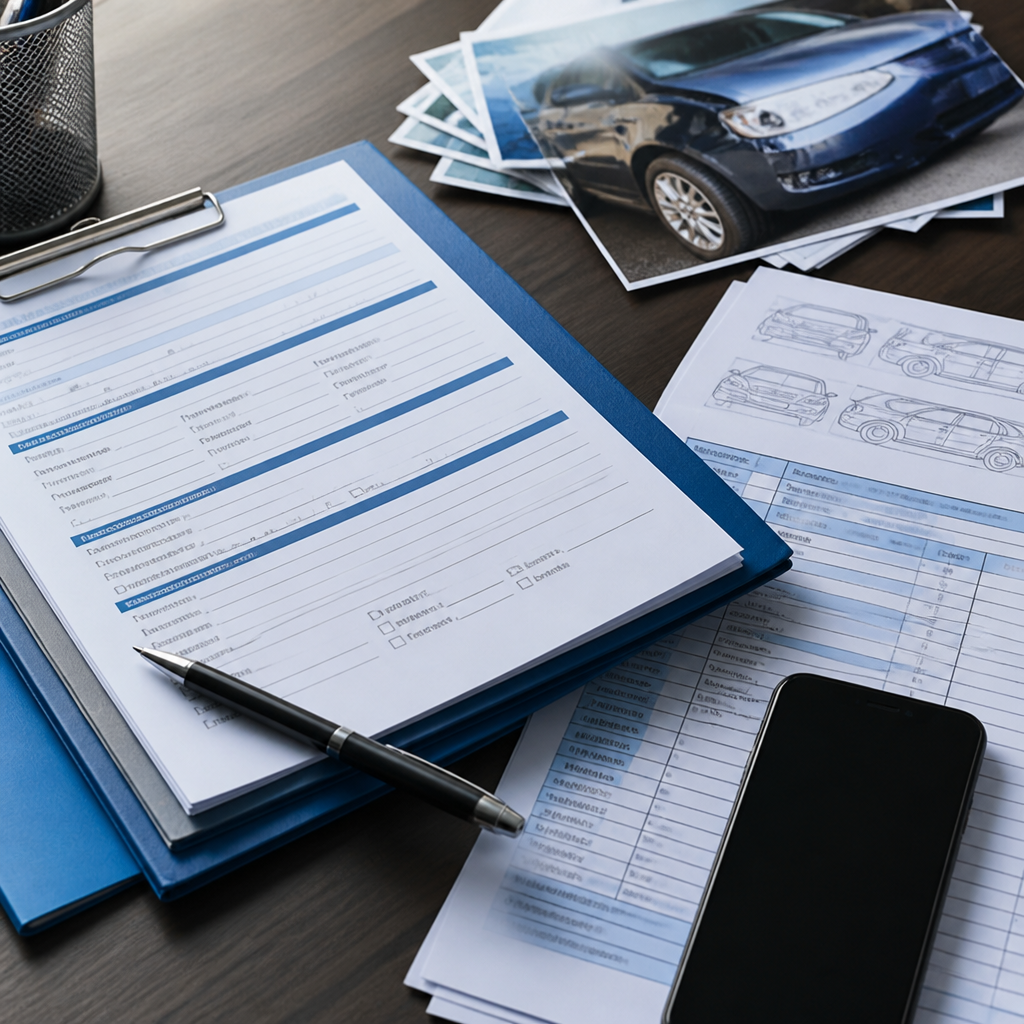
Start by obtaining the insurer’s decision in writing. A phone call may give you a general explanation, but you need a clear record of the precise reason. Ask for a rejection letter or email if you have not received one. Car Dealer Questions Before Paying a Deposit
The decision should ideally state the relevant policy term, exclusion or condition. It should also explain how that term applies to the facts of your accident or loss. If the message only says that the claim is “not covered” or “invalid,” ask the insurer to provide more detail.
Do not respond with an angry message or accuse the claims officer of dishonesty. Keep your communication professional. A clear paper trail will help you understand the dispute and support any later escalation.
Common reasons Nigerian motor claims are rejected
Insurers can reject claims for different reasons. The most common include the following:
- Policy was inactive: The incident happened before the cover started, after it expired or during a period when the policy was suspended or cancelled.
- Premium or instalment issue: The insurer says the required premium was not paid, or that an instalment arrangement was not maintained.
- Late notification: You did not report the accident or loss within the period required by the policy, and the delay affected the insurer’s ability to investigate.
- Incomplete documents: The claim file does not contain documents requested by the insurer, such as a policy certificate, driver’s licence, vehicle papers, police report or repair estimate.
- Excluded event: The loss falls under an exclusion, such as use outside the permitted purpose, deliberate damage or a situation specifically excluded by the contract.
- Driver or vehicle details differ: The driver, registration number, use of the vehicle or other information does not match the proposal or policy documents.
- Unlicensed or unauthorised driver: The driver did not hold the required licence or was not permitted to drive the vehicle under the policy terms.
- Fraud or exaggeration concerns: The insurer believes the loss was staged, dishonest information was supplied or the value of the damage was overstated.
- Mechanical failure rather than insured damage: The insurer considers the problem to be ordinary wear, poor maintenance or a mechanical breakdown rather than an insured accident.
- Commercial use dispute: The car was being used for deliveries, ride-hailing, transport services or another business purpose that the policy did not cover.
A rejection reason does not automatically prove that the insurer is right. However, it tells you what issue your response must address. Concentrate on the stated reason instead of sending a general complaint about the entire claim.
Read the policy and compare it with the facts
Your insurance policy is the starting point for any dispute. Find the schedule, certificate, proposal information, policy wording, endorsements, payment records and renewal documents. These materials may be separate, particularly where an agent or broker arranged the cover.
Read the sections dealing with the type of cover, insured events, exclusions, notification, documentation, authorised drivers, vehicle use, excess payments and settlement procedures. Look for definitions as well. Words such as “accident,” “theft,” “loss,” “reasonable care” and “commercial use” may have specific meanings in the policy.
Next, create a simple comparison. Write down what happened, what the policy says and what evidence supports your account. This approach can reveal whether the issue is a missing document, an incorrect fact or a genuine coverage limitation.
Check the type of motor insurance you bought
Not every motor policy covers every kind of loss. Third-party motor insurance generally protects against certain liabilities to other people. It may not pay for repairs to your own vehicle after a collision. Comprehensive insurance usually provides broader protection, but its exact benefits, exclusions and conditions depend on the wording.
Do not rely only on what an agent called the policy verbally. Compare the description given during purchase with the written schedule and terms. If the documents appear inconsistent, preserve both versions and raise the inconsistency in your appeal.
Look for conditions that affect, rather than remove, payment
Some policy terms may not mean that every claim becomes worthless. For example, an excess may reduce the amount payable. A depreciation rule may affect the valuation of parts. A repair-authorisation condition may require the insurer to approve work before repairs begin.
These issues are different from a complete rejection. Ask the insurer whether it is refusing the entire claim or offering a reduced settlement. Request a calculation showing how it reached the proposed amount.
Preserve evidence before making an appeal
Evidence is especially important when the dispute concerns what happened, who was driving, the extent of damage or the timing of the loss. Gather copies, not just originals, and keep a backup in secure digital storage.
Your evidence may include:
- The policy schedule, certificate and full wording.
- Receipts, transfer records or other proof of premium payment.
- Photographs and videos of the vehicle, accident scene and surrounding damage.
- The date, time and location of the incident.
- Names and contact details of witnesses.
- The driver’s valid licence and identification details.
- Vehicle registration and ownership or usage documents.
- Police or other official reports where appropriate.
- Medical records if injuries affected the incident or delayed reporting.
- Repair estimates, inspection reports, towing receipts and storage invoices.
- Messages, emails and letters exchanged with the insurer, agent or broker.
- Proof that you reported the event within the required period, if available.
Do not repair, sell, dismantle or dispose of damaged parts before the insurer has had a reasonable opportunity to inspect them, unless safety requires immediate action. If urgent repairs are necessary, take detailed photographs first and keep all invoices and replaced parts where practical.
Build a short incident timeline
A timeline makes your account easier to follow. Include when the policy was purchased, when the incident occurred, when you notified the insurer, when an adjuster inspected the vehicle, which documents you supplied and when the rejection arrived.
Use exact dates when you know them. If you are uncertain, say so rather than guessing. A reliable timeline is more persuasive than a long emotional explanation. How to Sell a Used Car Privately in Nigeria
Request the insurer’s claim file and assessment details
Ask the insurer to identify all outstanding information and explain the basis for its decision. You can request the relevant policy clause, assessment findings and valuation details. The insurer may not provide every internal document, but a specific request is more useful than asking generally why the claim failed.
Questions you can ask include:
- Which exact clause or exclusion supports the rejection?
- What facts led the insurer to apply that clause?
- Which documents were missing or considered unsatisfactory?
- Did an assessor inspect the vehicle, and what did the assessment conclude?
- Is the insurer rejecting liability completely or disputing only the amount?
- What deadline applies to an internal review or appeal?
- Can the insurer reconsider the decision if you provide additional evidence?
Send requests through a channel that creates a record, such as email, a formal letter or the insurer’s documented complaints process. If you speak by telephone, note the date, time, name of the representative and substance of the conversation. Then send a short email confirming your understanding.
Write a strong appeal against a rejected car insurance claim
An appeal should be factual, organised and tied to the policy. You do not need complicated legal language. The goal is to show why the decision should be reviewed and what evidence supports your position.
Use a clear subject line, such as “Request for review of motor claim decision.” Include the claim number, policy number, vehicle registration number, incident date and your contact details.
Suggested structure for your appeal
- State the purpose: Say that you are requesting a formal review of the rejected claim.
- Summarise the incident: Give a brief, chronological description of what happened.
- Identify the disputed reason: Quote or accurately describe the rejection reason.
- Explain your response: Show how the facts and policy support coverage, or explain why the insurer’s interpretation appears incorrect.
- List the evidence: Number each attachment and explain its relevance.
- Request a remedy: Ask for the claim to be reopened, reassessed, paid or explained in greater detail.
- Ask for written confirmation: Request a response within the timeframe stated in the policy or complaints procedure.
For example, if the insurer says you reported the accident late, explain when you discovered the damage, when you first notified the insurer and why any delay occurred. Attach call logs, emails or acknowledgement messages. If the delay resulted from hospital treatment or another serious circumstance, include suitable supporting evidence.
If the insurer says the vehicle was used commercially, explain the vehicle’s actual use at the time. Attach relevant records, but do not hide facts that may weaken your case. An incomplete or misleading appeal can damage your credibility.
Sample appeal wording
You may adapt the following wording:
“I request a formal review of the decision concerning claim number [claim number], under policy number [policy number]. The rejection letter dated [date] states that the claim is excluded because [reason]. I respectfully disagree because [brief explanation]. The attached documents show [key facts]. Please identify the specific policy wording relied upon, reconsider the claim in light of the attached evidence and provide a written response explaining the outcome.”
Keep the sample short and add facts that are true in your situation. Do not copy a statement that does not accurately describe the incident.
Observe deadlines and protect your legal position
Insurance policies often contain deadlines for notification, documents, cooperation, arbitration, complaints or legal proceedings. The exact period depends on the policy and the nature of the dispute. Read your documents carefully and do not assume that an appeal automatically pauses every deadline.
Make a calendar of all dates. Include the date of the rejection, any internal appeal deadline and any limitation period mentioned in the policy or applicable legal advice. If the time limit is unclear, ask the insurer in writing and obtain independent legal advice where the claim is substantial.
Do not sign a full and final settlement, discharge, waiver or release unless you understand its effect. A document that resolves one part of a claim may affect your ability to pursue another part. Ask questions before signing, particularly if you believe the offer is too low or the document uses broad wording.
Also, continue to protect the vehicle from further damage. For example, keep it secure, avoid unnecessary use and follow reasonable safety steps. An insurer may question additional damage that occurred after the original incident.
Escalate the complaint through the insurer’s official process
If the claims officer does not resolve the matter, escalate it to the insurer’s complaints, customer experience, compliance or management team. Use the company’s official contact details shown on its policy documents or website. Avoid relying on an unofficial social media account for a formal complaint. Car Deposit Refund in Nigeria: What Buyers Should Know
Give the escalation team a complete but concise file. Include your original appeal, the rejection, relevant policy pages, evidence and a timeline. State the outcome you want. For example, you may request a fresh assessment, a written explanation, payment of an agreed amount or correction of an administrative error.
Keep proof of delivery. Save sent emails, acknowledgement messages, courier receipts and screenshots of online submissions. If the insurer does not respond, send a polite follow-up that refers to the earlier complaint and attaches the original message again.
When an agent or broker was involved
Notify the agent or broker who arranged the policy. They may help clarify what cover was requested, what information was supplied and whether a document was issued incorrectly. However, continue dealing directly with the insurer as well. The agent’s assistance does not replace a formal complaint to the underwriting company.
Compare the proposal form, quotation, payment receipt, certificate and schedule. If the vehicle’s use, driver details or cover level was recorded incorrectly, identify where the error occurred and provide evidence. Do not change or recreate documents after the incident.
Consider regulatory and consumer complaint channels
If the insurer’s internal process does not resolve the issue, you may consider approaching the relevant regulatory or consumer-protection channel. In Nigeria, the National Insurance Commission is the primary regulator for insurance matters. Its official website is naicom.gov.ng.
Check the regulator’s current instructions before submitting a complaint. Requirements, contact channels and supporting documents can change. Provide copies of your correspondence and explain the specific issue. A regulator may review conduct, compliance or the handling of a complaint, but it may not act as your private lawyer or guarantee payment.
You can also review the consumer-protection information provided by the Federal Competition and Consumer Protection Commission through its official website at fccpc.gov.ng. Whether that route applies will depend on the facts, the parties involved and the nature of the complaint.
For broader information about the Nigerian insurance industry, the Nigerian Insurers Association provides an official industry resource at nigeriainsurers.org. Use official contact details and confirm whether a particular dispute-resolution service is available for your case.
Where the claim involves a road accident, official road-safety information may also be useful. The Federal Road Safety Corps website is frsc.gov.ng. Do not treat general road-safety guidance as a substitute for the terms of your insurance policy or professional advice.
Know when to consult a lawyer or independent professional
Professional advice may be worthwhile when the claim involves serious injury, death, theft, a large repair bill, suspected fraud, disputed ownership, a commercial vehicle, several parties or a threat of legal action. It may also help where the insurer relies on a complicated exclusion or where the deadline is close.
Choose a Nigerian lawyer who handles insurance, commercial, motor-accident or civil disputes. Ask about the scope of the engagement, likely steps, fees and documents required. A lawyer can help interpret the policy, prepare a demand letter and advise on negotiation, mediation or court proceedings.
You may also obtain an independent vehicle assessment if the disagreement concerns the cost of repairs or whether damage resulted from the accident. Give the assessor the relevant facts and ask for a written report. An independent report does not automatically bind the insurer, but it can provide useful evidence.
Do not exaggerate the loss, submit altered invoices or pressure a witness to change a statement. A weak claim can become more serious if the insurer alleges dishonesty. Be accurate even when the truth is inconvenient.
What not to do after a claim rejection
- Do not ignore the rejection: Silence can allow deadlines to pass and may make later review more difficult.
- Do not make unsupported public accusations: Defamatory or aggressive statements may create a separate dispute.
- Do not submit duplicate or inconsistent stories: Correct an error openly and explain why it occurred.
- Do not repair the vehicle without records: Keep photographs, estimates, invoices and replaced parts where possible.
- Do not rely on verbal promises: Request important decisions and settlement terms in writing.
- Do not assume comprehensive cover means unlimited cover: Exclusions, excesses, limits and conditions still apply.
- Do not sign a release under pressure: Understand whether it ends the entire claim.
- Do not delay because an agent is “handling it”: Confirm that the insurer has received your notification and documents.
How to reduce the risk of future claim problems
Many claim disputes begin before an accident occurs. When buying or renewing cover, give complete and accurate information about the vehicle, ownership, regular driver, location and intended use. Ask questions if you do not understand a term. How to Price a Used Car for Sale in Nigeria
Keep your policy documents in both paper and digital form. Store premium receipts, renewal notices and important messages in one folder. Check the renewal date and confirm that the vehicle details and cover level remain correct.
Report an accident or theft as soon as reasonably possible. Follow the policy’s notification instructions and cooperate with reasonable investigations. If you cannot provide a requested document, tell the insurer promptly and explain why.
After an accident, prioritise safety. Contact emergency services when necessary, avoid admitting liability at the scene and exchange relevant details with other parties. Take photographs only when it is safe to do so. Then notify the insurer using the approved channel.
Before authorising repairs, ask whether the insurer requires inspection, an approved repairer or prior consent. Keep estimates and invoices. These simple steps can prevent a disagreement about the amount or cause of damage.
Frequently asked questions about a rejected car insurance claim
Can I appeal a rejected car insurance claim in Nigeria?
Often, yes. Start by checking the policy and the insurer’s complaint procedure. Request the rejection reason in writing, gather evidence and submit a structured appeal. The outcome will depend on the policy terms, facts, documents and any applicable deadlines.
How long should I wait for the insurer’s response?
Use the timeframe stated in the policy or the insurer’s complaints procedure. If no clear period is provided, ask the insurer to confirm when you should expect a response. Follow up in writing if the stated period passes.
What if I lost the policy documents?
Ask the insurer, agent or broker for copies. Provide identifying information such as your name, vehicle registration, policy number and approximate purchase date. Also check email, text messages, banking records and cloud storage for certificates or receipts.
Can an insurer reject a claim because I reported it late?
A late report may create a problem, particularly if the delay prevented inspection or allowed damage to worsen. However, the effect depends on the policy wording and circumstances. Explain the reason for the delay and provide evidence supporting your explanation.
What if the insurer says my driver was not authorised?
Review the driver and vehicle-use terms. Confirm who was driving, what permission existed and whether the driver held the required licence. Do not conceal the driver’s identity. If the policy wording is unclear, request a written explanation and consider legal advice.
Can I complain if the insurer offers too little instead of rejecting the claim?
Yes. A low settlement can be disputed. Ask for the valuation, depreciation calculation, excess deduction, parts assessment and any other adjustment. Obtain a reliable repair estimate or independent assessment, then explain the difference with supporting documents.
Should I go to court immediately?
Not usually. First review the policy, complete the insurer’s internal complaint process and consider appropriate regulatory or professional help. However, do not let informal discussions cause you to miss a legal deadline. Obtain advice promptly if the amount is significant or time is limited.
Final checklist for handling a rejected claim
Use this checklist before sending your appeal:
- Obtain the insurer’s rejection in writing.
- Identify the exact clause, exclusion or missing requirement.
- Collect the policy, payment records and vehicle documents.
- Prepare a dated incident timeline.
- Save photographs, reports, estimates and correspondence.
- Check all appeal, complaint and legal deadlines.
- Write a concise response based on facts and policy wording.
- Attach numbered evidence and keep copies.
- Send the complaint through an official, traceable channel.
- Escalate internally if the first response does not resolve the issue.
- Consider regulatory, consumer-protection or legal assistance where appropriate.
- Avoid false statements, altered documents and rushed settlements.
A rejected car insurance claim deserves a careful, organised response. Begin with the written reason, test it against the policy and address the specific issue with reliable evidence. If the insurer maintains its position, use the formal complaint process and consider the appropriate Nigerian regulatory or legal route. Acting promptly and keeping accurate records gives you the best chance of reaching a fair resolution.
1 thought on “What to Do After a Rejected Car Insurance Claim in Nigeria”