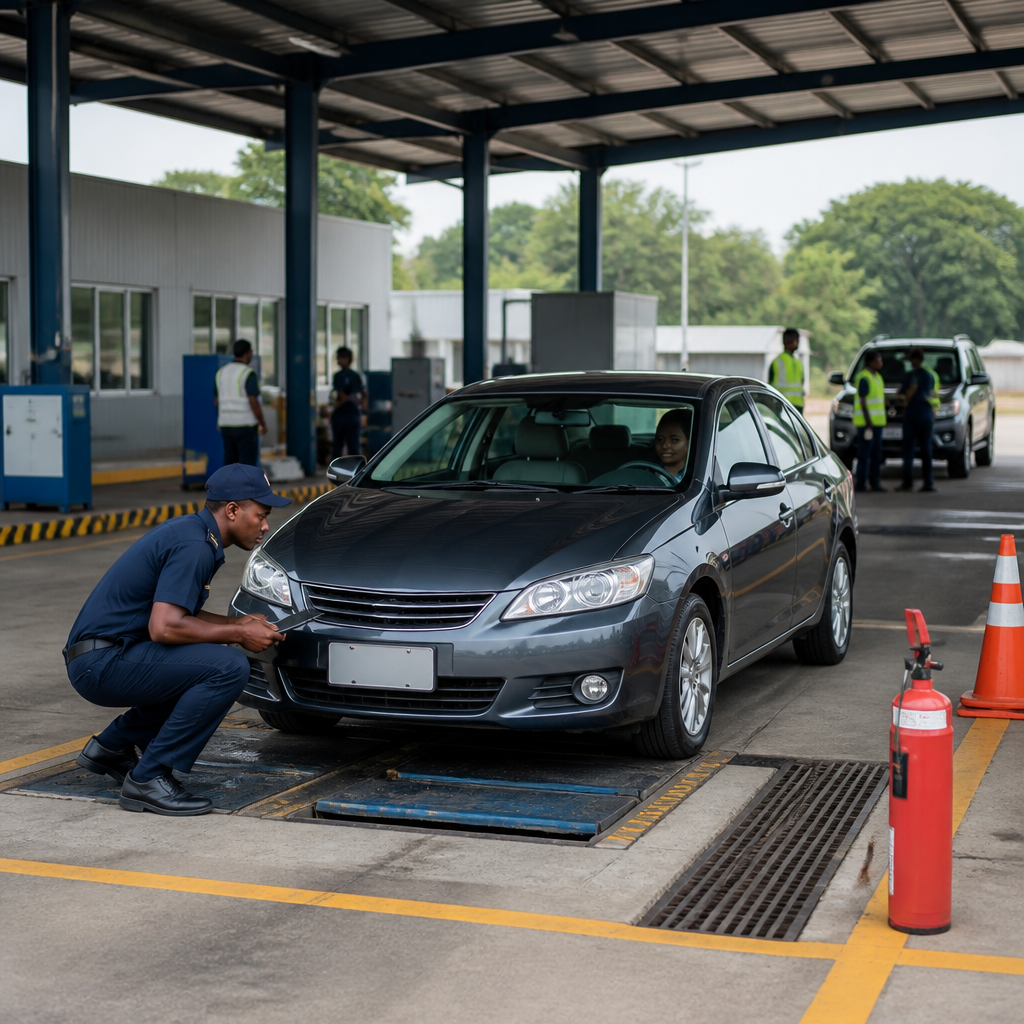
Getting a roadworthiness certificate in Nigeria involves preparing your vehicle, presenting the right documents and taking it to the relevant vehicle inspection authority. The certificate shows that the vehicle has undergone an official inspection and was considered fit for use for the period stated on the document.
However, the process is not always identical across the country. Vehicle inspection is handled through state-level transport or vehicle inspection agencies, and some locations use online platforms, appointment systems or designated inspection centres. For that reason, you should confirm the current procedure, payment instructions and office location in your state before you travel.
This guide explains the process in practical terms. It covers the documents you may need, how to prepare your car, what inspectors commonly examine, what happens if the vehicle fails, and how to protect yourself from avoidable delays or unofficial charges. How to Take Better Car Photos for Sale Online
What is a roadworthiness certificate?
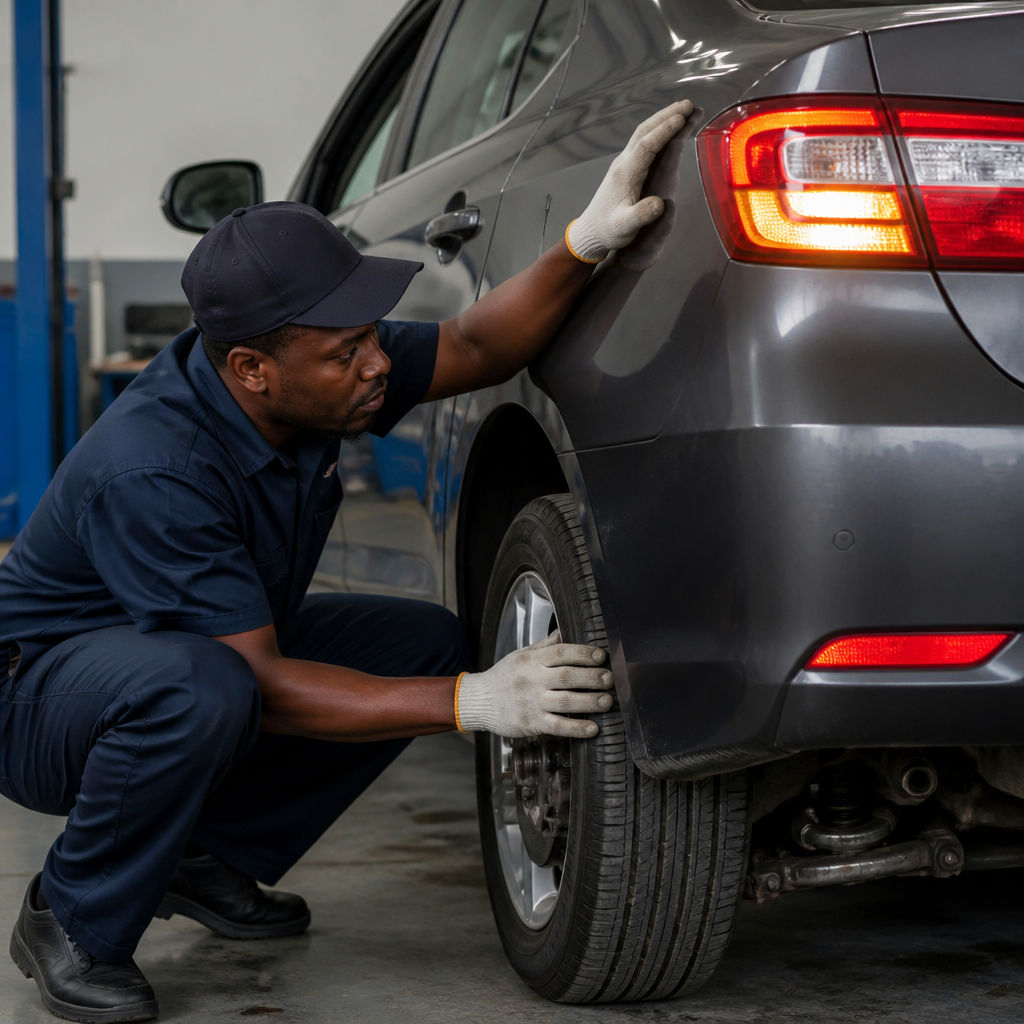
A roadworthiness certificate is an official document issued after an authorised inspection of a motor vehicle. The inspection is intended to assess whether the vehicle is mechanically and physically suitable for use on public roads.
The certificate is different from several other vehicle documents. It is not the same as a vehicle licence, proof of ownership, insurance certificate or driver’s licence. Each document serves a separate purpose, and a vehicle owner may need more than one valid document before legally operating the vehicle.
The exact appearance, validity period, issuing office and process can vary by state and vehicle category. A private car may follow a different administrative path from a commercial bus, taxi, truck, trailer or motorcycle. Always check the instructions issued by the authority responsible for vehicle inspection in your location.
Why the certificate matters
Regular inspection can identify defects that may put the driver, passengers and other road users at risk. Problems involving tyres, steering, brakes, lights, suspension or excessive smoke may not be obvious to someone who uses the vehicle every day.
The document may also be requested during enforcement exercises, fleet checks, commercial transport operations or other official interactions. Driving with an expired, missing or invalid certificate can create legal and financial problems, depending on the applicable rules in your state.
Most importantly, the inspection is a safety measure. Treat it as more than a paperwork exercise. A certificate cannot replace proper maintenance, and passing an inspection does not mean that the vehicle will remain safe if it is neglected afterward.
Who should apply for a roadworthiness certificate?
The registered owner of a vehicle should normally ensure that the vehicle has the documents required for its use. If you recently bought a used vehicle, do not assume that the previous owner’s certificate automatically covers you indefinitely. Confirm the document details, vehicle identity and expiry date, then ask the relevant authority whether a change of ownership or fresh inspection is required.
Companies and organisations operating several vehicles should create a document calendar. Assign someone to track inspection dates, insurance renewals, vehicle licences, maintenance and other compliance requirements. A missed renewal can take a vehicle out of service at the worst possible time.
Drivers who are not the owners should also check the status of the vehicle they operate. This is especially important for hired cars, company vehicles, buses, delivery vans and vehicles used for public transportation. The driver may be the person stopped during an enforcement check, even when the owner is responsible for the paperwork.
Documents to prepare before inspection
The required documents may differ between states and vehicle types. Therefore, treat the list below as a preparation guide rather than a universal checklist. Contact the appropriate vehicle inspection office if you are unsure.
- Proof of ownership or registration: This may be a vehicle registration document or another record accepted by the local authority.
- Previous inspection document: If the vehicle is being renewed, take the previous certificate or inspection record when available.
- Valid identification: Carry an accepted form of identification for the owner or authorised representative.
- Insurance evidence: Some processes may require proof of valid third-party motor insurance or another insurance document.
- Vehicle licence or related document: The authority may ask for other current vehicle papers during processing.
- Proof of payment: If payment is made online or through an approved bank or platform, retain the receipt or transaction reference.
- Authorisation letter: If an agent, employee or driver presents the vehicle for the owner, an authority letter and identification may be requested.
- Import or customs documents: These may be relevant if the vehicle is newly imported or its registration record is incomplete.
Keep the original documents safely stored and carry clear copies where appropriate. Do not hand over original papers to an unknown intermediary without a receipt. If an official needs to sight an original, remain present and collect it immediately after verification.
Check that the details match
Before visiting the inspection centre, compare the vehicle identification number, registration number, make, model, colour and owner details across your documents. A spelling error or mismatch can delay the application.
Pay particular attention to the vehicle identification number, often called the VIN or chassis number. It should be readable on the vehicle and consistent with the registration records. If the number is damaged, altered, hidden by dirt or difficult to read, ask the appropriate authority for guidance before inspection.
Do not attempt to alter, restamp or repair an identification mark yourself. That can create suspicion and may cause more serious legal and registration problems. Use an authorised process for correcting records or addressing damaged identification markings.
How to obtain a roadworthiness certificate in Nigeria
The following steps provide a practical route for most vehicle owners. Because state procedures change, confirm the current details with your state’s vehicle inspection authority before making payment or attending an office.
1. Identify the responsible authority
Start by finding the government agency or approved vehicle inspection office responsible for your location. In many cases, this is a state vehicle inspection service, transport authority or motor vehicle administration department. The Federal Road Safety Corps also provides road safety information and enforcement guidance, but the office that conducts and issues inspection documents may be a state authority.
Use an official government website, published office information or a verified government contact channel. Avoid relying only on a social media advert, a roadside agent or an unfamiliar website. Ask where private and commercial vehicles are inspected, whether appointments are required, and which payment channels are currently approved.
If you live in one state but use the vehicle mainly in another, ask whether the inspection must be completed in the state of registration or whether the local authority accepts applications from vehicles registered elsewhere. Do not assume that every state follows the same rule.
2. Confirm the current requirements
Before you leave home, confirm four things: the required documents, the inspection fee, the opening hours and the accepted payment method. These details can change, and an old checklist may no longer be accurate.
Ask whether the authority issues a physical certificate, an electronic record, a sticker, or a combination of documents. Also ask how you will receive the result if the vehicle passes. Some systems may provide a printed document at the centre, while others may require online retrieval or collection at a later time.
Record the official contact details and save your payment evidence. If you speak to an office by telephone, note the date, department and general guidance received. This will not replace a formal instruction, but it can help you explain what you were told if there is confusion.
3. Book an appointment if required
Some inspection centres may operate on a walk-in basis, while others may require an appointment or online application. Follow the system used by the authority in your area. Enter the vehicle details carefully and review the information before submitting it. How to Avoid Scams When Buying a Car Online in Nigeria
Do not create multiple applications because you are uncertain whether the first submission worked. First check for a confirmation message, reference number or payment record. Duplicate applications can cause confusion and may lead to additional administrative work.
Print or save the appointment confirmation. Keep a screenshot on your phone, but also write down the reference number in case the battery runs out or the network is unreliable at the inspection centre.
4. Pay only through approved channels
Use the payment instructions provided by the responsible authority. A legitimate process should make it clear whether payment is made through an official portal, bank, designated payment point or another approved channel.
Be cautious when someone offers to reduce the fee, bypass inspection or produce a certificate without presenting the vehicle. A document obtained through an unauthorised arrangement may be rejected during verification. It can also expose you to penalties, financial loss and possible criminal investigation.
Keep every payment record, including a receipt, transaction reference, application number and confirmation message. If the payment fails, do not immediately pay again. Confirm whether the first transaction was reversed, pending or successful.
5. Prepare the vehicle for inspection
Take the vehicle for a proper mechanical check before the official inspection. A qualified mechanic should examine the brakes, tyres, steering, suspension, lights, electrical system, engine condition, exhaust and other safety-related components.
Clean the vehicle, including the number plates, windscreen and areas around the chassis or VIN. Inspectors need to identify the vehicle and examine important parts. Excessive dirt can slow the process or make identification difficult.
Remove unnecessary items from the boot and cabin. Make sure the seat belts are accessible and the driver’s area is clear. If the vehicle carries equipment, tools or cargo, secure it safely and remove anything that could obstruct the inspection.
6. Take the vehicle and documents to the centre
Arrive with the vehicle, the required documents and the payment or appointment evidence. The owner should attend where possible. If another person is presenting the vehicle, give that person the documents and authority required by the centre.
At the centre, follow the queue and instructions. An officer may first verify the application and documents before directing the vehicle to an inspection lane. Keep your documents organised so that you can respond quickly if a detail needs clarification.
Do not argue with an inspector about a genuine safety defect. If you disagree with a result, ask for the reason in writing or request the available review or retest procedure. A calm request for clarification is more useful than trying to pressure staff into changing the result.
7. Complete the inspection
The inspection may involve visual checks, physical tests and verification of the vehicle’s identity. The exact sequence depends on the centre, vehicle class and equipment available.
Common inspection areas can include:
- Braking performance and visible brake defects.
- Tyre condition, tread, damage and inflation.
- Steering components and wheel alignment indicators.
- Suspension parts and signs of excessive wear.
- Headlamps, brake lights, indicators, hazard lights and other required lighting.
- Windscreen condition, mirrors, wipers and driver visibility.
- Seat belts, seats, doors, locks and emergency equipment where relevant.
- Number plates, vehicle identity markings and general body condition.
- Exhaust emissions, smoke or fluid leaks.
- Horn, dashboard warning indicators and other basic controls.
Not every item will be tested in the same way at every centre. The list is intended to help you prepare, not to predict the exact inspection method used at your location.
8. Collect the result
If the vehicle passes, check the certificate or electronic record before leaving. Confirm the registration number, vehicle description, owner information, issue date and expiry date. Report an obvious error immediately instead of waiting until the document is needed during enforcement.
Store the certificate safely and keep a digital backup where the authority permits it. A backup is useful if the paper document is damaged or misplaced. It does not necessarily replace the original, so follow the instructions issued by the authority.
If the vehicle fails, ask for the inspection findings. A clear list of defects helps you repair the right problems. Do not pay for a new inspection before confirming whether the centre offers a retest, the time allowed for correction and the documents needed for the second visit.
How to prepare your car for a successful inspection
The best preparation starts several weeks before the certificate expires. Waiting until the last day can leave you with limited repair options, long queues and an unusable vehicle if it fails.
Check the tyres carefully
Inspect all tyres, including the spare where applicable. Look for cuts, bulges, exposed cords, uneven wear and objects stuck in the tread. Confirm that the tyres are inflated to a suitable pressure and that the vehicle does not have unsafe differences between tyres.
A tyre can appear to have enough tread and still be unsafe because of age, sidewall damage or internal deterioration. Ask a qualified tyre professional for advice if you notice cracks, repeated pressure loss or unusual vibration.
Test the lights and signals
Ask someone to operate the lights while you walk around the vehicle. Check the headlights, parking lights, indicators, brake lights, reversing lights and hazard lights. Replace failed bulbs and repair loose connections. How to Sell a Used Car Privately in Nigeria
Clean cloudy lamp covers where possible, but replace a damaged unit when cleaning cannot restore safe visibility. Make sure the number plate lamps and reflectors are also in acceptable condition.
Pay attention to brakes and steering
Warning signs include pulling to one side, grinding sounds, a soft brake pedal, excessive pedal travel, steering vibration and unusual movement in the wheel. These problems require professional attention before inspection.
Do not rely on a quick fluid top-up to solve a brake or steering problem. A leak, worn component or damaged hose can remain dangerous even when the vehicle temporarily feels better.
Reduce smoke, leaks and excessive noise
Check for visible smoke, strong exhaust odour, oil leaks, coolant leaks and unusual engine noise. A mechanic can help identify whether the problem comes from the engine, exhaust system, cooling system or another component.
Do not use an additive or temporary seal simply to hide a defect. Short-term concealment may fail during inspection and can cause more expensive damage later.
Check the interior and safety equipment
Ensure that seat belts latch properly and retract as expected. Check that the doors open and close securely, the windscreen gives the driver a clear view, and the wipers remove water effectively.
Remove cracked or loose interior fittings that could injure occupants. Make sure the horn works and that dashboard warning lights are investigated rather than ignored.
What happens if your vehicle fails inspection?
A failed inspection does not necessarily mean that the vehicle is beyond repair. It means that the inspection identified one or more issues that must be corrected before the authority can confirm roadworthiness.
Ask the inspection centre for the exact reason for failure. The defect may be minor, such as a failed light, or more serious, such as inadequate braking performance, unsafe tyres or a problem with the vehicle’s identity records.
- Read the failure notice carefully. Make sure you understand every listed defect.
- Obtain a professional diagnosis. Use a competent mechanic rather than replacing parts randomly.
- Repair the defects. Keep invoices or repair records where available.
- Confirm the retest process. Ask about the time limit, payment and appointment requirements.
- Return for inspection. Take the failure notice, receipts and other documents requested.
If the problem is a document mismatch, do not focus only on mechanical repairs. Correct the registration or ownership information through the appropriate government channel. A vehicle can be mechanically sound and still face administrative problems.
If you believe the inspection result is incorrect, ask about the formal complaint, review or appeal process. Avoid confrontations and do not attempt to obtain a replacement certificate from an unauthorised source.
Renewing an expired roadworthiness certificate
Do not wait for the certificate to expire before beginning the renewal process. Start by checking the expiry date and contacting the responsible authority for the current renewal instructions.
Some renewal processes may require a fresh inspection, while others may involve additional steps depending on the vehicle type and the length of time since expiry. You should not assume that a previous pass guarantees automatic renewal.
Plan for possible repairs. Even if the vehicle passed the previous year, tyres, brakes, lights and suspension parts may have deteriorated. Weather, road conditions, heavy use and poor maintenance can change the vehicle’s condition quickly.
For businesses, create reminders at least one month before each expiry date. Keep a spreadsheet or fleet register with the plate number, vehicle identification number, driver, inspection date, expiry date and repair status. Restrict use of vehicles with expired documents until the issue is resolved.
Common mistakes that cause delays
Using an unofficial agent
Agents may offer convenience, but you remain responsible for the authenticity of the document attached to your vehicle. If you use assistance, choose someone recommended through a legitimate business relationship and insist on official receipts and application references.
Never agree to a process that involves skipping the inspection, falsifying details or paying a person to influence the result. The apparent shortcut can become a much larger problem during verification.
Arriving with incomplete documents
Many delays come from missing identification, payment evidence, previous records or proof of ownership. Prepare a checklist the day before and keep the papers together in a protective folder.
Ignoring identification mismatches
A mismatch in the plate number, chassis number, owner name or vehicle description can stop an application. Resolve the discrepancy before inspection if possible. Carry supporting documents for any lawful change of ownership or correction. How to Price a Used Car for Sale in Nigeria
Presenting a dirty or inaccessible vehicle
Inspectors need to see important parts and identify the vehicle. Dirt around the number plate or VIN can create unnecessary questions. A clean vehicle also makes it easier for your mechanic to notice leaks and damage.
Assuming a certificate lasts forever
Every certificate has conditions and an expiry date. Keep a reminder on your phone and in your vehicle records. If the document is lost, damaged or unreadable, contact the issuing authority for the correct replacement procedure.
How to avoid fraud during the process
Fraud risks increase when vehicle owners are in a hurry. Protect yourself by using official channels, checking web addresses carefully and refusing requests for payments to personal accounts when the authority has not approved that method.
Ask for an official receipt for every payment. The receipt should identify the service, amount paid and transaction or reference details. Do not accept a handwritten note as the only proof for a government service unless the responsible authority confirms that this is its approved procedure.
Inspect the final certificate before leaving. Look for spelling errors, incorrect registration details, missing dates or signs of alteration. A professional-looking document is not automatically genuine, so use the authority’s verification process whenever one is available.
Do not share sensitive personal information with unknown people. Be careful with copies of identification, ownership documents, payment cards and vehicle records. If you upload documents to an online portal, confirm that it belongs to the relevant government agency or an officially authorised service.
Questions to ask the inspection office
When procedures are unclear, asking specific questions can save a wasted trip. Consider asking:
- Which agency issues the certificate for my vehicle and location?
- Do I need an appointment before bringing the vehicle?
- What documents are required for a private, commercial or imported vehicle?
- What payment channels are currently approved?
- Can someone other than the owner present the vehicle?
- What happens if the vehicle fails the first inspection?
- Is there a retest period or additional fee?
- How will I receive the certificate after passing?
- How can I verify the document later?
- What is the procedure for correcting an error on the certificate?
Write down the answers and keep any official reference number. Requirements can differ between private and commercial vehicles, so describe your vehicle accurately when asking for guidance.
Frequently asked questions
Can I get a roadworthiness certificate without taking the vehicle for inspection?
You should expect the vehicle to be presented for inspection unless the responsible authority clearly states that a specific renewal category qualifies for another procedure. A certificate issued without the required inspection may be invalid and could expose both the applicant and intermediary to serious problems.
Is a roadworthiness certificate the same as insurance?
No. Roadworthiness concerns the condition and safety of the vehicle at inspection. Insurance provides financial protection under the terms of an insurance policy. A vehicle may need both documents, along with other required papers.
Can a mechanic issue the certificate?
A mechanic can inspect, service or repair your vehicle, but the official certificate should come from the authorised government or inspection body responsible for your location. A mechanic’s report may support your preparation, but it is not automatically a government certificate.
What should I do if I lose the certificate?
Contact the issuing authority and ask about replacement or verification. Provide the vehicle registration number, owner details, inspection reference and proof of identity where requested. Do not buy a replacement document from an unverified source.
Can I drive while waiting for renewal?
Do not assume that an application receipt extends the validity of an expired certificate. Ask the relevant authority about your specific situation and follow the applicable rules. If the certificate has expired, the safest approach is to resolve the renewal before continuing normal use of the vehicle.
Does passing inspection mean the car needs no further maintenance?
No. Inspection is a point-in-time assessment. Continue routine servicing, monitor tyres and fluids, respond to warning lights and repair new faults promptly. A vehicle can develop a dangerous defect after passing.
A practical checklist before you leave home
Use this checklist to reduce avoidable delays:
- Confirm the correct inspection authority and centre.
- Check the latest appointment and payment instructions.
- Confirm that the vehicle registration and identification details match.
- Gather proof of ownership, identification and other required papers.
- Save your payment receipt and application reference.
- Inspect the brakes, tyres, steering, suspension and lights.
- Check the horn, seat belts, mirrors, wipers and doors.
- Look for smoke, fluid leaks, warning lights and unusual noises.
- Clean the number plates and identification areas.
- Remove unnecessary cargo and keep the cabin accessible.
- Arrive early enough to handle queues or document questions.
- Review the certificate details before leaving after a successful inspection.
Final advice for vehicle owners
Obtaining a roadworthiness certificate is easier when you treat it as part of regular vehicle care rather than an emergency task. Start early, confirm the current state procedure, use approved payment channels and prepare the vehicle honestly.
Keep your documents organised and track expiry dates. If the vehicle fails, focus on the written defects and repair them properly. If a detail is unclear, ask the responsible authority instead of relying on a roadside rumour or an unofficial promise.
Rules, fees, office locations and digital procedures may change. Confirm current information through the relevant government authority before applying. The safest certificate is one issued through the proper process for a vehicle that is genuinely maintained and fit for the road.
2 thoughts on “How to Obtain a Roadworthiness Certificate in Nigeria”