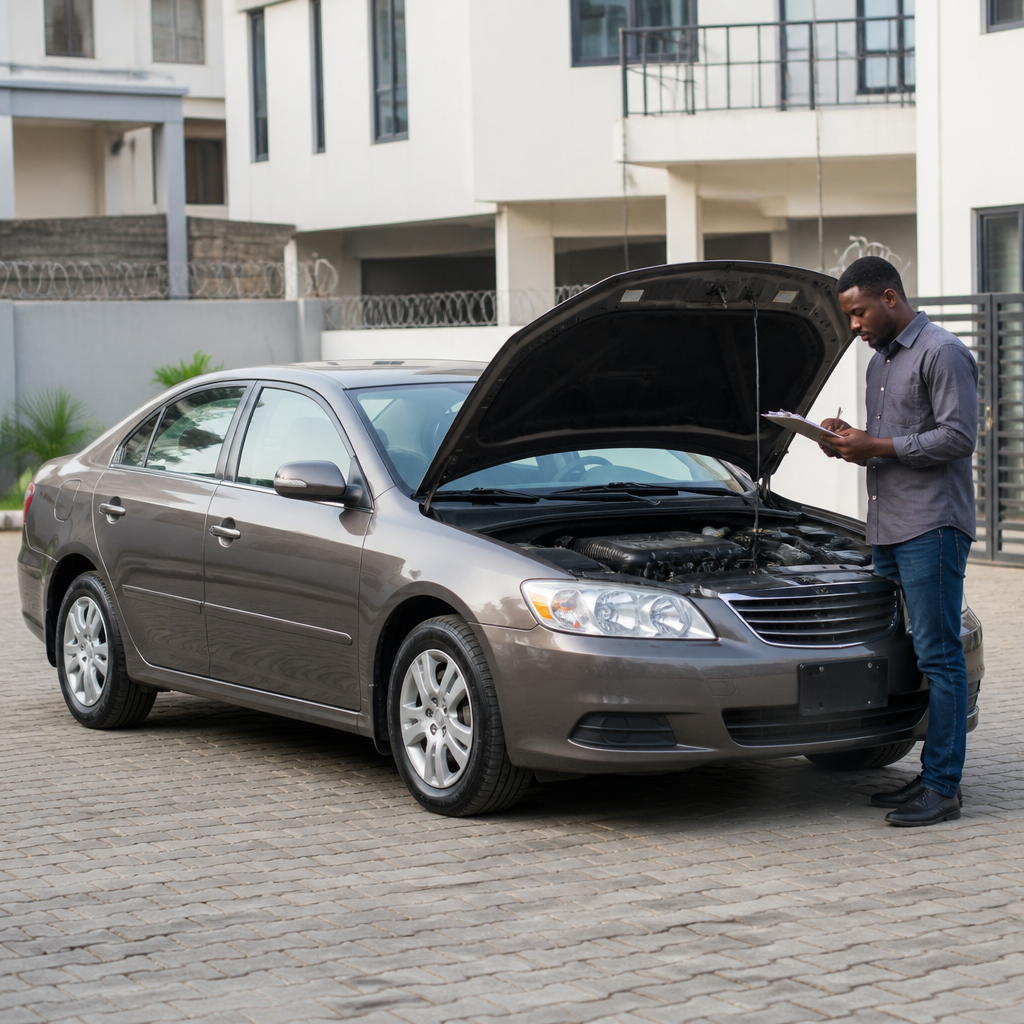
If you want to price a used car for sale in Nigeria, start with evidence rather than emotion. Your ideal price should reflect the vehicle’s current condition, history, documents, location, demand and the prices of genuinely comparable cars. A price that is too high can leave your advert ignored, while a price that is too low can make buyers suspicious and reduce your return.
This guide explains how to value your car, compare it with similar vehicles, account for repairs and paperwork, set a negotiation margin and create an advert that attracts serious buyers. It also explains common pricing mistakes, warning signs and the steps to take before accepting payment.
Why the right price matters
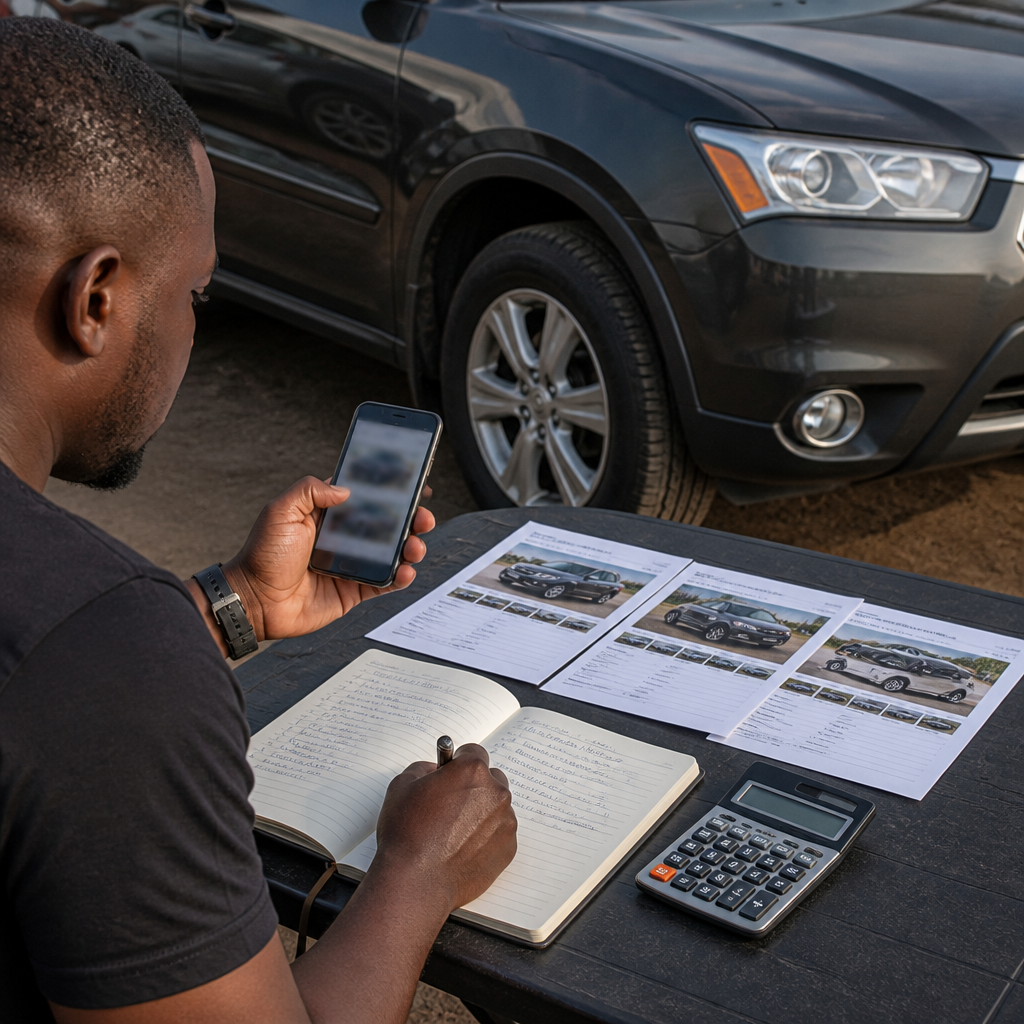
Pricing is one of the most important decisions in a private vehicle sale. Buyers usually compare several adverts before they contact a seller. They may look at the model year, trim, mileage, transmission, engine size, fuel type, location and visible condition. However, the lowest advertised price is not automatically the best comparison. How to Choose Tyres for Nigerian Roads
Two cars that appear similar online can have very different values. One may have a clean service history, complete documents and a healthy transmission. The other may need suspension work, have incomplete import records or show signs of previous accident repairs. Those differences should affect the price.
A realistic price also helps you sell more efficiently. If your advert sits far above comparable vehicles, you may receive views but few serious messages. You may then reduce the price several times, which can make buyers wonder whether the car has a hidden problem. A well-researched price creates a stronger first impression.
At the same time, do not assume that the cheapest car is the best deal for the buyer. Some low-priced vehicles need major work, have questionable paperwork or are being sold urgently. Your task is to explain why your car deserves its asking price without exaggerating its condition.
Price a used car by starting with the correct vehicle details
Before checking listings, write down the exact details of your vehicle. Small differences can have a meaningful effect on value, so avoid comparing your car with a broad category such as “Toyota sedan” or “Honda SUV.” Use the full description wherever possible.
- Make and model: Record the manufacturer and exact model name.
- Model year: Confirm the year shown on the relevant documents and identify whether buyers commonly distinguish between model year and registration year.
- Trim or grade: Note features such as leather seats, sunroof, reverse camera, safety equipment and upgraded infotainment.
- Engine: Record engine capacity, fuel type, turbocharging and any hybrid or electric system.
- Transmission: State whether the car uses a manual, conventional automatic, continuously variable transmission or another type.
- Drive type: Identify whether it is front-wheel drive, rear-wheel drive or four-wheel drive.
- Mileage: Record the current odometer reading and consider whether there is credible evidence supporting it.
- Vehicle origin: State whether it is locally used, foreign used or newly imported, using accurate terminology.
- Location: Include the city and state where a buyer can inspect the car.
- Ownership status: Clarify whether you are the owner, a dealer, an authorised representative or selling on behalf of someone else.
Take photographs of the dashboard, odometer, exterior, interior, engine bay, tyres and documents for your records. You do not need to publish every document online. However, a complete private record helps you answer questions consistently.
Confirm the identity and paperwork
A buyer may value a car differently depending on the quality of its paperwork. Gather the documents connected with the vehicle before you choose a final asking price. Depending on the vehicle’s history, this may include the vehicle registration information, proof of ownership, customs-related documents, purchase receipt, insurance details, roadworthiness evidence and service records.
Document requirements can vary by circumstance and location. Do not claim that a car has “complete papers” unless you have checked what is available and whether the information matches the vehicle. The Federal Road Safety Corps provides road safety and vehicle-related information through its official website, while the Nigeria Customs Service is the appropriate starting point for customs information.
If a document is missing, damaged or inconsistent, treat that as a pricing and selling issue. A buyer may request a discount, delay the transaction or walk away. More importantly, do not hide a paperwork problem. It is better to explain the situation clearly and price the car honestly than to create a dispute after payment.
Research comparable cars in the Nigerian market
The best starting point for a used-car valuation is a set of comparable vehicles currently offered for sale. Search several Nigerian marketplaces, dealer pages and local listings. Record the information in a simple table instead of relying on memory.
Try to find at least five to ten reasonably similar vehicles. Your comparisons should match as many of the following points as possible:
- Same make, model and generation.
- Similar model year or a clearly similar age range.
- Similar trim and engine specification.
- Similar transmission and fuel type.
- Similar mileage, allowing for normal differences.
- Similar ownership or import status.
- Similar condition and maintenance history.
- Similar city or region.
Record the advertised price, date checked, seller type, mileage, location, visible condition, documents mentioned and any obvious faults. Also note whether the advert appears fresh or has been online for a long time. A listing that remains active for months may indicate that the asking price is too high, although it may also reflect poor advertising or an unresponsive seller.
Separate asking prices from achieved prices
Online adverts usually show asking prices, not final transaction prices. Sellers may expect negotiation, and some adverts may be outdated. Therefore, do not treat every displayed figure as proof that a car is worth that exact amount.
Use listings to identify a market range. Then adjust that range based on your own vehicle’s condition, history and selling circumstances. If you know a recent transaction involving a genuinely comparable vehicle, it may provide useful context, but avoid presenting an unverified private sale as an official market statistic.
Dealer prices can also differ from private-sale prices. A dealer may include inspection time, preparation, overhead, warranty arrangements or financing support. A private seller may price lower because the buyer deals directly with the owner. However, a well-maintained private car with strong records can still compete effectively against dealer stock.
Inspect the condition before you price the car
Condition is often the largest difference between two vehicles with the same model and year. Be objective. Buyers will inspect the car, and an inaccurate description can damage trust immediately.
Walk around the vehicle in daylight and inspect each area separately. Look for mismatched paint, uneven panel gaps, dents, scratches, rust, cracked lamps, damaged glass and signs of water entry. A previous repair does not automatically make a car unacceptable, but you should understand its quality and disclose known material issues.
Inside the cabin, inspect the seats, carpets, dashboard, air-conditioning, power windows, central locking, audio system, warning lights and seat belts. Test features rather than assuming they work. A broken air conditioner or persistent warning light can affect buyer interest more than a small cosmetic mark.
Check the tyres for tread, uneven wear, cracks and matching sizes. Inspect the spare tyre, jack and wheel tools. Also look under the car for leaks or damage. A professional inspection is worthwhile when you cannot confidently assess the engine, transmission, suspension or electrical systems.
Mechanical condition and major repair risk
Mechanical problems should influence your price, but do not guess the repair cost. Ask a trusted mechanic to identify the fault and provide a realistic estimate. Use a range if the final cost depends on parts, labour or additional findings. How to Sell a Used Car Privately in Nigeria
Pay particular attention to repairs that can change a buyer’s decision:
- Transmission slipping, delayed engagement or unusual noise.
- Engine overheating, smoke, knocking or unstable idle.
- Serious oil, coolant or fuel leaks.
- Weak air-conditioning performance.
- Suspension noise, steering looseness or braking problems.
- Electrical faults, warning lights or starting difficulties.
- Structural damage or poor accident repairs.
- Worn tyres, a weak battery or overdue major servicing.
Not every maintenance item requires a full deduction from the price. For example, an ordinary service due soon may be expected on an older vehicle. However, safety-related problems and expensive repairs deserve careful treatment. You can either repair them before advertising or disclose them clearly and price the car accordingly.
Do not describe a vehicle as “perfect,” “faultless” or “nothing to fix” unless you can support that statement. Used cars naturally show age and use. A precise description is more persuasive than an unrealistic claim.
Adjust the value for mileage, age and history
Age and mileage matter, but they do not work in isolation. A higher-mileage vehicle with consistent servicing may be a better purchase than a low-mileage vehicle with poor maintenance. Buyers may also question an unusually low odometer reading when the interior wear does not match it.
When comparing mileage, consider the vehicle’s age and use. A car used mainly for city driving may show different wear from one used for long-distance travel. Stop-and-go traffic can place stress on the transmission, brakes and air-conditioning. Roads, climate and maintenance habits also affect the condition of tyres, suspension and bodywork.
A vehicle with verifiable service records can justify a stronger position than one with no history. Keep invoices, workshop notes and parts receipts where available. Records do not guarantee that the car has no problems, but they help a buyer understand how it was maintained.
Accident history requires honesty. Cosmetic repairs may have little effect when professionally completed, while structural damage, flood exposure or poorly repaired safety systems can have a substantial effect. If you do not know the full history, say that the history is unknown instead of making a confident claim.
Consider location, demand and selling speed
Prices can vary between Nigerian cities and regions because supply, buyer demand, transport costs and dealer activity differ. A model that attracts many buyers in one city may take longer to sell elsewhere. Your location also affects the convenience of inspection and delivery.
Research listings close to your likely buyer base. If you are selling in Lagos, compare cars available in Lagos before relying heavily on a listing in another state. You can still use wider Nigerian listings for context, but adjust for travel, logistics and the buyer’s inspection costs.
Demand may also change with fuel costs, spare-parts availability, reliability reputation, ground clearance, cabin space and ease of servicing. These factors are not fixed formulas. Use them as practical context rather than pretending they produce an exact valuation.
Your selling timeline matters as well. If you need to sell quickly, a competitive price and complete advert may produce better results than holding out for the highest possible figure. If you have time, you may begin near the upper end of a defensible range and review buyer response after a set period.
Build a realistic pricing range
Instead of choosing one number immediately, create three figures:
- Target sale price: The amount you would be pleased to receive after reasonable negotiation.
- Asking price: The public figure shown in the advert, including a modest negotiation margin.
- Minimum acceptable price: The lowest amount you would accept after considering the car’s condition, paperwork and your selling costs.
For example, suppose comparable cars appear within a broad range. Your vehicle has better service records but needs two new tyres. You might set the target near the stronger part of the range, then choose an asking price slightly above that target. The exact figures should come from your research, not from a universal percentage or a rigid formula.
Keep your negotiation margin reasonable. If the advertised price is far above your target, buyers may reject the car before discussing it. A small, explainable margin gives you room to negotiate without making the advert look unrealistic.
Write down the reason for every major adjustment. For example, add value for clean documents, recent major service and good tyres. Reduce value for transmission concerns, missing records, body repairs or overdue maintenance. This method keeps your decision logical when several buyers offer different amounts.
Use repair costs carefully
Sellers often assume that every naira spent on repairs should be added to the car’s value. That is not always true. Maintenance can protect value without increasing it by the full amount spent. Buyers may appreciate new tyres or a serviced air conditioner, but they may not reimburse the entire cost.
Repair an issue before sale when it improves safety, removes a serious objection or makes the car easier to inspect. Otherwise, disclose it and compare the cost of repair with the likely effect on buyer confidence. A mechanic’s written or clearly explained estimate can support your pricing discussion.
Decide whether to repair, clean or sell as-is
Presentation affects how buyers interpret your asking price. A clean, organised car is easier to inspect and photograph. Wash the exterior, clean the cabin, remove personal items and fix simple issues such as loose trim or burnt bulbs when the cost is sensible. How to Pay for a Used Car Safely in Nigeria
Do not use detailing to hide defects. Avoid heavy fragrance that may conceal dampness or smoke. Do not repaint only to disguise an accident repair. The purpose of preparation is to show the vehicle accurately, not to mislead the buyer.
For major repairs, compare three options:
- Repair the vehicle and sell it at a stronger price.
- Sell it honestly in its current condition with a clear discount.
- Obtain a trade-in or dealer offer and accept a lower return for convenience.
The best option depends on available funds, repair certainty, your timeline and the type of buyer you want to attract. If a repair could involve a much larger hidden cost, obtain a proper diagnosis before committing money.
Create an advert that supports your price
A strong advert makes the asking price easier to understand. Include the exact model, year, trim, mileage, transmission, fuel type, location and ownership status. Mention service records, recent work, known faults and document availability in clear language.
Use well-lit photographs taken from several angles. Include the front, rear, both sides, interior, dashboard with the engine running, tyres, engine bay and any important defect. Do not edit out warning lights, dents or scratches. Honest photographs reduce wasted inspections.
Explain the reason for selling without creating unnecessary drama. A simple statement such as “selling because of a change in transport needs” is enough if it is true. Avoid claims such as “urgent sale” unless you are genuinely prepared to accept a lower price.
Include an inspection process. Tell buyers when and where the car can be viewed, whether they may bring a mechanic and what forms of payment you will consider. You do not need to publish sensitive personal information or the full details of your documents publicly.
Respond consistently to buyers
Prepare short, accurate answers to common questions. Buyers may ask about mileage, ownership, accident history, service records, engine condition, air-conditioning, customs documents and your lowest price. Do not change your story between messages.
If a buyer asks for your last price before inspecting the car, you can explain that serious negotiation follows an inspection. You may still provide a realistic range or state that the asking price reflects the known condition. Avoid arguing with buyers who make unreasonable offers. Politely decline and continue with your process.
Negotiate without losing control of the sale
Negotiation should begin after the buyer understands what is being sold. Ask the buyer to inspect the vehicle and identify specific concerns. Then distinguish between a genuine repair issue and a general attempt to reduce the price.
Keep your target and minimum price private. Do not announce that you are desperate or reveal the lowest amount you would accept at the start. However, do not use false competition, fake offers or invented deadlines. Honest negotiation protects your reputation and reduces disputes.
If the buyer identifies a real problem, respond with evidence. You can agree to a reasonable adjustment, complete the repair yourself, or keep the original price if the issue was already disclosed. Put the final agreement in writing, including the vehicle details, sale price, payment status and documents handed over.
Be cautious when a buyer sends a third party to inspect the vehicle. Confirm who has authority to negotiate and who will make payment. Do not release the car because someone shows a transfer screenshot. Confirm that cleared funds have reached your account through your bank or payment provider.
Protect yourself during inspection and payment
Arrange inspections in a safe, practical location. If possible, bring another adult and tell someone where you are going. Keep original documents secure until you have confirmed the buyer’s identity and payment arrangements.
Allow a reasonable test drive, but take precautions. Check that the driver is properly authorised to drive and agree on the route before leaving. You may accompany the driver or arrange for a mechanic to inspect the vehicle without allowing an uncontrolled test drive.
Watch for common fraud signals:
- A buyer sends a payment screenshot instead of cleared funds.
- The buyer overpays and asks you to refund the difference.
- The buyer pressures you to release the vehicle before verification.
- A courier or agent claims to collect the car without proper authority.
- The buyer refuses a normal inspection but demands your documents.
- The buyer asks you to pay a strange fee before receiving payment.
- The buyer wants the ownership details changed before completing the sale.
Keep copies of the signed sale agreement, identification information that you are legally entitled to collect, payment confirmation and documents transferred. Complete the relevant ownership and registration steps through the appropriate authorities. Requirements may vary, so check official guidance rather than relying on a social-media message or informal advice. How to Verify a Vehicle’s VIN Before Buying in Nigeria
Common pricing mistakes to avoid
Copying the highest advert
The highest listed price may belong to a dealer, a rare trim, an exceptionally maintained example or a seller who has not yet found a buyer. Treat it as one data point, not proof of value.
Ignoring expensive faults
A low asking price does not compensate for a hidden transmission, engine or structural problem when buyers discover it during inspection. Diagnose major faults and describe them accurately.
Adding every past expense
Fuel, routine servicing, accessories and old repairs are costs of ownership. They may help preserve the car’s value, but they do not automatically increase its market value by the full amount spent.
Pricing according to emotion
Memories can make a car feel priceless to its owner. Buyers value the vehicle’s condition, history, practicality and market alternatives. Use evidence to balance personal attachment.
Changing the price without reviewing the advert
If the car does not attract serious enquiries, review the photographs, title, description, location and response time before assuming the price is the only problem. If several informed buyers raise the same concern, reconsider the price or address that concern.
A practical seven-step pricing process
- Gather the facts: Confirm the model, year, trim, mileage, location, ownership status and available documents.
- Inspect the vehicle: Check the body, interior, tyres, engine, transmission, suspension, electrical systems and safety items.
- Get professional input: Use a trusted mechanic when you cannot confidently assess a major system.
- Research comparable listings: Record at least five to ten close comparisons across relevant marketplaces and dealer pages.
- Adjust the range: Account for condition, mileage, service history, paperwork, location, demand and known repairs.
- Set three figures: Choose your target price, asking price and minimum acceptable price.
- Review buyer response: After a reasonable period, assess the number and quality of enquiries, then adjust the advert or price based on evidence.
This process is more reliable than asking a friend for a single number. Friends may know the model but not the current market, the paperwork risk or the cost of repairs. A documented approach gives you a defensible basis for negotiation.
Frequently asked questions
Should I use the price I paid as the selling price?
No. The amount you paid is useful background, but it does not determine today’s value. Market demand, age, mileage, condition, repairs and documents may have changed. Use current comparable vehicles and an honest inspection instead.
How much should I add for negotiation?
There is no universal percentage that works for every car or market. Add only a modest margin above your target price. A very large margin can reduce enquiries and make buyers dismiss the advert.
Does low mileage always justify a higher price?
No. Low mileage can help, especially when supported by credible records, but condition and maintenance matter too. A car with low mileage and neglected servicing may need more work than a regularly maintained higher-mileage example.
Should I repair the car before listing it?
Repair safety problems and major faults when the cost is reasonable and the result is clear. For uncertain or expensive repairs, obtain a diagnosis first. You can also sell as-is if you disclose the issue and price the car fairly.
Can I describe the car as foreign used or locally used?
Use the description that accurately reflects the vehicle’s history. Buyers may interpret those terms differently, so explain where the vehicle was used, when it arrived and what supporting documents are available.
What if a buyer says my price is too high?
Ask which comparable vehicle they are using and whether it matches your car’s year, trim, mileage, condition and documents. You do not need to accept every opinion. Review your evidence and adjust only when the broader market supports the change.
How often should I change the price?
Do not change it every day. Give the advert enough time to generate meaningful responses, then review the number of serious enquiries, inspection requests and repeated objections. Change one factor at a time where possible, such as the price, photos or description.
Final checklist before publishing your price
- Have you confirmed the exact model, year and trim?
- Have you checked the mileage and recorded any uncertainty?
- Have you inspected the engine, transmission, tyres, suspension and electrical systems?
- Have you listed known repairs and defects honestly?
- Have you gathered the documents that support your ownership and vehicle history?
- Have you compared similar vehicles in the same city or region?
- Have you separated asking prices from likely negotiated prices?
- Have you set a target price and a private minimum price?
- Are your photographs clear, recent and free from misleading edits?
- Have you planned a safe inspection and verified payment before releasing the car?
To price a used car successfully, combine market research with an honest assessment of the vehicle in front of you. The strongest asking price is not necessarily the highest one. It is the price you can explain with evidence, support with accurate information and defend during a fair inspection.
When the advert is clear, the documents are organised and the price matches the condition, you attract better-informed buyers. That can shorten the selling process, reduce unnecessary bargaining and help both sides complete the transaction with fewer surprises.