
If you want to sell a used car privately in Nigeria, the safest approach is to treat the transaction as a planned process rather than a quick advert. You need to prepare the vehicle, confirm your documents, set a realistic price, screen buyers, arrange a proper inspection, receive secure payment and document the handover.
Private selling can help you reach more buyers and avoid some dealer-related costs. However, it also means that you must manage the advert, negotiations, test drives, paperwork and payment yourself. A rushed deal can expose you to fake transfer alerts, identity problems, disputes about the car’s condition or incomplete ownership records.
This guide explains how to sell a used car privately in Nigeria from preparation to handover. It covers practical steps for cars located in Lagos, Abuja, Port Harcourt, Ibadan, Benin City, Kano and other areas, while recognising that local registration and transfer procedures may differ. Where a requirement depends on the state, ask the relevant vehicle registration authority for current instructions before completing the sale. car battery dying — How to Know If a Car Battery Is Dying
Start by deciding whether private selling is right for you
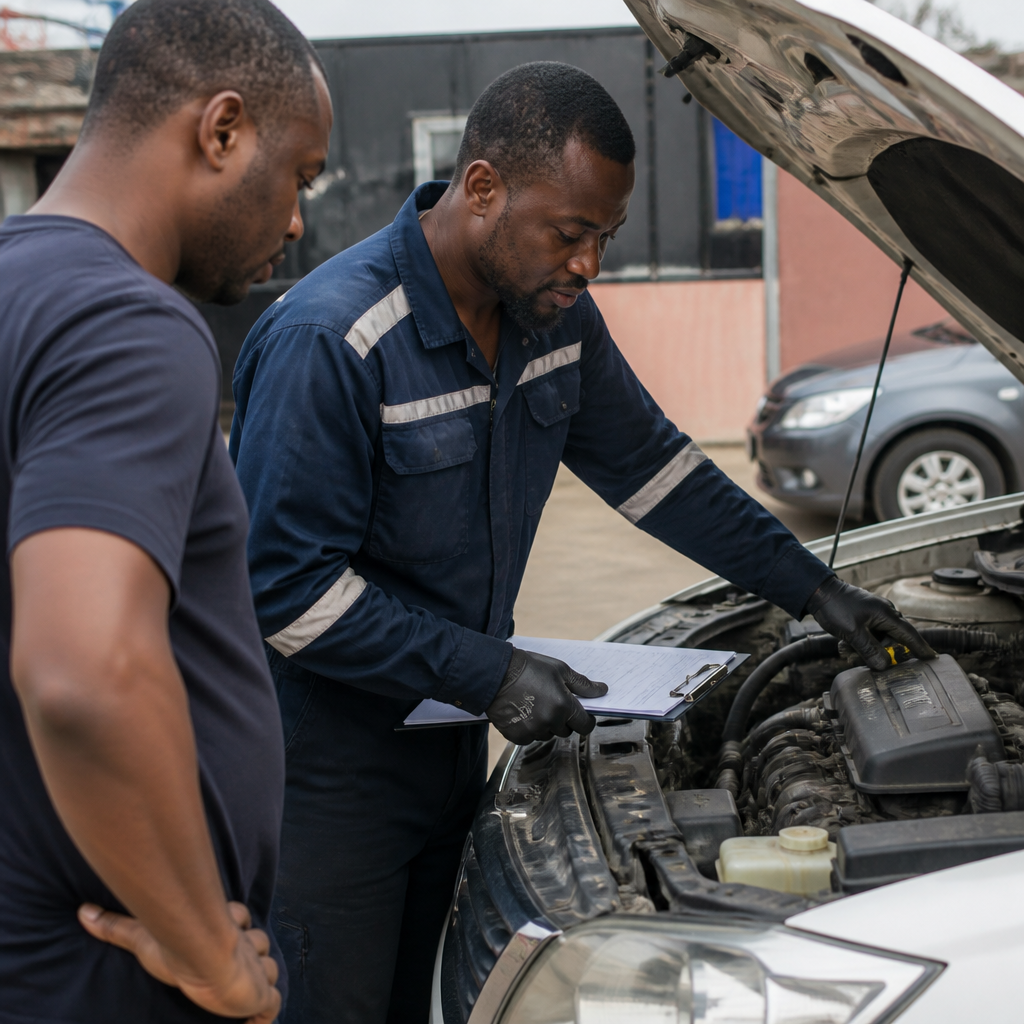
Before taking photographs or posting an advert, decide whether a private sale matches your priorities. A private buyer may offer a better price than a dealer because there is no dealer margin built into the offer. On the other hand, the process usually takes more time and requires more personal involvement.
Private selling may suit you if the car has a clear ownership history, you can answer questions about its condition and you are comfortable meeting buyers in a controlled location. It may be less suitable if you need money immediately, cannot verify the documents or do not want strangers inspecting the vehicle.
Be realistic about the work involved. You may receive calls from people who are only comparing prices. Some buyers may ask for a discount before seeing the car. Others may request a long test drive or insist that you release the vehicle after showing a transfer screenshot. Good preparation helps you separate genuine interest from avoidable risk.
Set your selling objectives
Write down three figures before negotiations begin:
- Advert price: the amount you initially plan to request.
- Target price: the amount you would be happy to receive.
- Lowest acceptable price: the limit below which you will walk away.
Do not reveal your lowest acceptable price in the advert. Also, avoid pricing the vehicle based only on what you need to pay for your next car. Buyers compare your vehicle with similar cars, not with your personal financial plans.
Gather and review the car documents
Documentation is one of the first areas a serious buyer will examine. A clean, consistent document trail can make the sale easier. Missing or conflicting documents can delay the transaction, reduce the price or cause a buyer to abandon it completely.
Collect every relevant document you hold. Depending on the car’s history and location, this may include the vehicle registration document, proof of ownership, purchase receipt, customs-related documents for an imported vehicle, insurance records, roadworthiness documents, service receipts and records of previous transfers.
Do not assume that a document is valid simply because it looks official. Check the names, chassis or vehicle identification details, engine information where shown, number plate and other identifying details. Errors should be clarified before the advert goes live.
Check that the identification details match
Compare the vehicle identification number, commonly called the VIN or chassis number, across the vehicle and documents. Check the number in the location specified by the manufacturer, such as the dashboard area, door frame or engine compartment. Do not rely on one location alone if the vehicle has more than one marking.
Look for signs of alteration around identification plates, stamped numbers and document fields. A mismatch does not automatically prove wrongdoing, because clerical mistakes can occur. Nevertheless, it is a serious warning that must be resolved through the appropriate authority before you proceed.
If you bought the car from someone else, make sure you can explain the ownership chain. Keep copies of documents you give to a buyer, but avoid sending unrestricted images of sensitive identity information to unknown people. You can cover unnecessary personal details when sharing documents for an initial review, then present the originals at a secure stage of the transaction.
Confirm the transfer requirements
Vehicle registration and ownership transfer procedures can depend on the state and the authority handling the record. Ask the relevant state vehicle licensing or motor vehicle administration office what the current process requires. Confirm whether both parties must attend, which forms are needed, what identification is accepted and whether additional verification applies.
Do not promise a buyer that transfer will be completed instantly unless you have confirmed the process. Instead, agree in writing who will submit documents, who will pay official fees and when responsibility for the vehicle changes hands.
For general road safety and vehicle administration information, you can consult the Federal Road Safety Corps through its official website. Customs-related questions should be directed to the Nigeria Customs Service or another appropriate official channel. These sources should supplement, not replace, confirmation from the authority responsible for the specific vehicle record.
Prepare the vehicle before taking photographs
A clean car photographs better and gives buyers confidence that you are organised. You do not need to spend heavily on cosmetic work. Start with a proper wash, interior cleaning, removal of personal items and a light inspection of the exterior.
Clean the windscreen, mirrors, lamps, number plates, dashboard and tyres. Remove rubbish from door pockets and the boot. If the car has strong odours, identify the cause instead of hiding it with excessive air freshener.
Check basic items before advertising. Confirm that the lights work, the air conditioner operates as described, the windows respond, the wipers function and the tyres have usable tread. You should not repair every defect, but you should know what needs attention.
Make essential repairs, not unnecessary upgrades
Small repairs may improve the buyer’s experience. Replacing a faulty bulb, fixing a loose trim piece or completing overdue routine maintenance can be worthwhile. However, avoid major spending unless you have evidence that it will increase the final selling price.
Keep receipts for work completed shortly before the sale. A buyer may value a documented repair more than a verbal claim that the car is in excellent condition. If a mechanic identifies a significant issue, decide whether to repair it or disclose it clearly and adjust the price. How to Choose a Reliable Car Dealer in Nigeria
Never disconnect a warning light, reset a fault without fixing the underlying problem or alter the odometer reading. These actions can create safety risks and serious disputes. Honest disclosure protects your reputation and makes the negotiation more straightforward.
Research the market and price the car fairly
Pricing is one of the most important parts of learning how to sell a used car privately. A price that is too high can leave the advert inactive for weeks. A price that is too low may attract suspicious buyers and make you lose money unnecessarily.
Compare similar vehicles in the same market. Look at the make, model, year, trim, engine type, transmission, mileage, condition, location and document status. Compare several adverts instead of copying the first price you see. Advertised prices are asking prices, not proof of what buyers actually pay.
Consider the following factors when setting your price:
- Vehicle age and overall mechanical condition.
- Recorded or credible mileage, while recognising that mileage alone does not prove condition.
- Transmission type, engine specification and equipment level.
- Tyre condition, service history and recent maintenance.
- Accident damage, repainting, rust, interior wear or warning lights.
- Completeness and consistency of ownership documents.
- Demand for the model in your location.
- Whether the buyer must handle repairs, registration work or document corrections.
Leave a reasonable negotiation margin, but do not create a huge gap between the advert and your actual expectation. An exaggerated price can make buyers assume that you are hiding a problem or are not ready to sell.
Create an honest and useful advert
A strong advert answers common questions before the buyer calls. Include the make, model, year, body type, transmission, fuel type, mileage, location and asking price. State whether the car is locally used or imported only when you can describe its history accurately.
Describe the condition in specific terms. Instead of writing that the car is perfect, mention that the air conditioner works, the interior has visible wear, the front bumper has been repainted or the tyres will need replacement soon. Buyers can handle imperfections when they are disclosed clearly. They become suspicious when the advert sounds unrealistic.
Use photographs that build trust
Take photographs in daylight, preferably after cleaning the car. Use a simple background and avoid excessive filters. Include the front, rear, both sides, interior, dashboard, seats, boot, engine bay, tyres and any notable damage.
Photograph the odometer only when you are comfortable doing so, and make sure the displayed mileage matches the advert. Do not hide number plates if the platform or your safety preference makes that appropriate, but do not publish sensitive personal documents in the background.
Include a clear image of any defect that a buyer would discover during inspection. This may reduce unnecessary calls, but it also signals that you are selling in good faith. If the car has a dent, cracked lamp, warning light or worn seat, show it rather than relying on a vague disclaimer.
Choose where to publish the advert
You can use reputable online marketplaces, social platforms, community groups and personal referrals. Each channel has different levels of buyer verification and moderation. Read the platform’s current rules and avoid paying anyone who claims they can guarantee a buyer without a verifiable service.
Use a separate phone number if you prefer to protect your main line. Do not publish your full home address. State a broad location and arrange inspections at a safe place with suitable lighting, such as a known business premises or another controlled public location.
Screen potential buyers before meeting
Not every enquiry deserves an immediate viewing. Ask a few practical questions before arranging an inspection. Ask whether the person is buying for themselves, whether they have seen the price and whether they are ready to inspect the car within a reasonable period.
Be cautious when a person refuses to discuss the car but focuses on sending a driver, collecting the vehicle quickly or paying through an unusual arrangement. A genuine buyer may be flexible, but the transaction should still have a clear identity, purpose and payment plan.
Keep communication in writing where possible. Summarise important points such as the asking price, known defects, inspection date and what documents are available. Written communication will not prevent every dispute, but it can reduce misunderstandings.
Recognise common warning signs
- The buyer sends a payment screenshot instead of waiting for your bank to confirm cleared funds.
- The buyer asks you to pay a release fee, courier charge, tax, insurance charge or refund before payment is complete.
- The buyer wants to overpay and asks you to send the difference elsewhere.
- The buyer pressures you to hide a defect or write an inaccurate description.
- The buyer refuses an independent inspection but demands immediate delivery.
- The buyer brings several strangers and tries to separate you from your documents or keys.
- The buyer proposes a complicated third-party payment arrangement without a clear reason.
You can end a conversation politely. A lost sale is less expensive than losing the vehicle or becoming involved in a fraudulent transaction.
Arrange a safe vehicle inspection
Let the buyer inspect the car properly. A serious buyer may want a mechanic to examine the engine, suspension, transmission, bodywork and electronics. This is normal for a used vehicle, especially when the buyer is paying a substantial amount.
Choose a location where you can see what is happening. Tell a trusted person where you will be and consider bringing someone with you. Do not hand over original documents for the buyer to take away. Let them inspect the originals while you remain present.
If the buyer wants a workshop inspection, agree on the workshop in advance. You may prefer a reputable independent mechanic rather than a facility selected by a stranger. The buyer can pay the inspection fee unless both parties agree otherwise. How to Choose the right tyres for Nigerian roads
Manage the test drive carefully
Check the driver’s licence before allowing a test drive. Confirm that the person driving is the buyer or someone the buyer has identified in advance. Do not allow a stranger to drive alone in the car with your documents, phone or other belongings inside.
Choose a short route with safe traffic conditions. Keep the keys accessible and do not give the buyer permission to take the car to another location. If you feel uncomfortable, offer to drive while the buyer observes the vehicle’s operation.
A test drive should not become an informal loan. Do not release the car based on an identity card, promise, post-dated cheque or unverified transfer. The buyer can complete the purchase after inspection and payment confirmation.
Negotiate without losing control of the deal
Expect negotiation. Buyers often use visible defects, current maintenance needs and comparable adverts to support a lower offer. Decide which points are valid and which are simply bargaining tactics.
Respond with facts. If the buyer points out worn tyres, explain whether the price already reflects them. If the buyer compares your car with a cheaper one, ask whether that vehicle has the same documents, condition, mileage and equipment. You do not need to argue. You only need to explain your position clearly.
Do not allow a buyer to negotiate against an imaginary deadline. Statements such as the vehicle must be released immediately or another person is waiting to pay should not make you skip verification. You can say that the car remains available until cleared payment and completed paperwork.
Once both parties agree, write down the important terms. Include the agreed amount, deposit if any, balance, payment method, known condition issues, documents to be provided, inspection result and planned handover date.
Use a secure payment process
Payment is the point where many otherwise careful sellers make mistakes. Treat a screenshot, SMS alert or email as an indication only. Verify the money through your own bank account or official banking channel. Do not rely on a message shown on the buyer’s phone.
Prefer a payment method that provides a clear record and allows you to confirm the funds independently. If the buyer pays in instalments, do not hand over the car or original documents until the full agreed amount has cleared, unless you have taken professional advice and created a properly documented arrangement.
Cash creates its own risks. If the parties agree to use cash, meet at a secure location and allow the receiving bank or appropriate professional to verify it. Avoid counting a large amount of money in an exposed public area.
Be careful with deposits
A deposit should have written terms. State whether it is refundable, under what circumstances it may be forfeited and how long the vehicle will be held. Do not describe a deposit as a completed sale if the balance remains unpaid.
If a buyer sends more money than agreed and asks you to refund the difference, pause the transaction. Confirm the original funds with your bank and investigate why the payment was made. Do not refund money until the transaction is fully understood and the funds are secure.
Complete the paperwork and handover properly
After the buyer has paid in full, complete a written sale agreement or receipt. It should identify the seller, buyer, vehicle, agreed amount, payment date and known defects. Include the vehicle identification details and both parties’ signatures. Each party should receive a copy.
The agreement should make clear that the buyer inspected the vehicle or had the opportunity to arrange an independent inspection. It should also record which documents and items are handed over, such as spare keys, service records, manuals and accessories.
Do not create false information to make the vehicle appear newer, cleaner or less expensive. If an official form asks for information you do not understand, ask the responsible authority or a qualified professional for clarification.
Record the handover
Make a simple handover checklist. Record the date and approximate time, odometer reading, number of keys, documents delivered and condition of the vehicle. Both parties should sign the checklist. How to Compare Used Cars Before Making a Decision
Remove personal data from the vehicle. Check the navigation history, paired phones, garage remotes, toll accounts, registration apps and stored addresses. Reset connected features where appropriate. Also remove personal documents, cards and spare house keys.
Hand over the keys only after you have confirmed cleared payment and signed the agreed paperwork. If the buyer will complete a registration or transfer step later, keep proof of the sale and notify the appropriate authority when required. Ask the authority what evidence it needs and retain copies safely.
After the sale: protect yourself from later disputes
Keep the advert, messages, inspection notes, payment confirmation, sale agreement and handover checklist. Store them securely for as long as reasonably necessary. These records can help you explain what was disclosed and when possession changed.
Notify your insurer or insurance provider about the sale according to the terms of your policy. Do not assume that coverage changes automatically. Also review any toll, parking, tracking or service subscriptions connected to the vehicle.
If the buyer contacts you about a problem after the sale, remain calm and review the written agreement. Ask for a clear description of the issue and any inspection report. Do not admit responsibility before understanding the facts, but do not ignore a legitimate safety concern either.
A private sale does not give either party permission to mislead the other. Honest disclosure, clear terms and complete records are the best protection for both sides.
Common mistakes to avoid
- Advertising before checking documents: You may attract buyers before discovering a transfer problem.
- Hiding known faults: This encourages disputes and damages trust.
- Using stock photographs: Buyers need to see the actual vehicle being sold.
- Sharing your home address: Use a safer meeting arrangement instead.
- Allowing an unaccompanied test drive: Keep control of the vehicle and the route.
- Accepting a screenshot as payment: Confirm cleared funds yourself.
- Handing over documents too early: Keep originals under your control until the agreed stage.
- Ignoring a document mismatch: Resolve inconsistencies before accepting a buyer’s money.
- Agreeing to a verbal instalment plan: Put every payment and handover condition in writing.
- Rushing because of pressure: A genuine buyer should understand reasonable safety checks.
A practical checklist for selling your used car
Use this checklist before publishing your advert:
- Confirm why you are selling and set your minimum acceptable price.
- Gather registration, ownership, purchase, service and import-related documents.
- Compare vehicle identification details across the car and documents.
- Ask the relevant authority about current transfer requirements.
- Inspect the car and decide which repairs are worthwhile.
- Clean the car and remove personal belongings.
- Take honest photographs in daylight.
- Write an advert with accurate specifications, condition notes and location.
- Screen buyers before arranging a meeting.
- Meet in a safe, controlled place and bring another person if possible.
- Allow a fair inspection and manage the test drive carefully.
- Agree the price and terms in writing.
- Confirm cleared payment through your own banking channel.
- Sign a sale receipt or agreement.
- Record the handover, documents, keys and mileage.
- Notify your insurer and relevant service providers after completion.
Frequently asked questions
Can I sell my car privately if I have lost a document?
You may be able to replace or verify the document, but do not hide the problem from buyers. Contact the authority or organisation that issued the record and ask about the current replacement process. A buyer may still be interested, but the missing document can affect price and timing.
Should I let the buyer choose the mechanic?
An independent inspection is useful, but you should agree on a safe and reputable location. You do not have to accept an unknown workshop or allow the car to leave your control without supervision. The buyer can pay for an inspection, while you remain present.
What if the buyer wants to pay through a third party?
Ask why the third party is paying and document the arrangement. Be cautious if the payment comes from an unrelated person or if the buyer requests a refund to another account. Do not release the vehicle until you understand the payment source and have confirmed cleared funds.
Can I accept a bank transfer for a private car sale?
You can agree on an electronic payment method, but verify the credit through your own bank account. Do not rely on a transfer receipt, screenshot, SMS or notification supplied by the buyer. If your bank cannot confirm the funds, the payment is not yet confirmed for handover purposes.
What should I do if a buyer wants to negotiate before seeing the car?
Give a clear range only if you are comfortable doing so. Explain that the final price depends on an inspection and agreement about the documented condition. Avoid reducing the price significantly before the buyer has seen the vehicle.
How can I make a private sale safer?
Prepare accurate documents, disclose known defects, meet in a controlled location, bring someone you trust, verify the buyer where appropriate, supervise the inspection and confirm cleared payment before handover. These steps do not remove every risk, but they reduce avoidable problems.
Final advice for a successful private sale
To sell a used car privately successfully in Nigeria, focus on transparency and control. A clean car and good photographs attract attention, but reliable documents, honest answers and a safe payment process complete the sale.
Give yourself enough time to check the records, compare prices and prepare the vehicle. Do not let a buyer’s urgency push you into releasing the car before payment or skipping the paperwork. If a document, payment or identity detail does not make sense, pause the transaction and seek clarification.
The strongest private sales are simple: the vehicle is accurately described, both parties understand the condition, the price is recorded, the money is confirmed and the handover is documented. Follow that process, and you can reduce the likelihood of fraud, confusion and expensive disputes.
1 thought on “How to Sell a Used Car Privately in Nigeria”