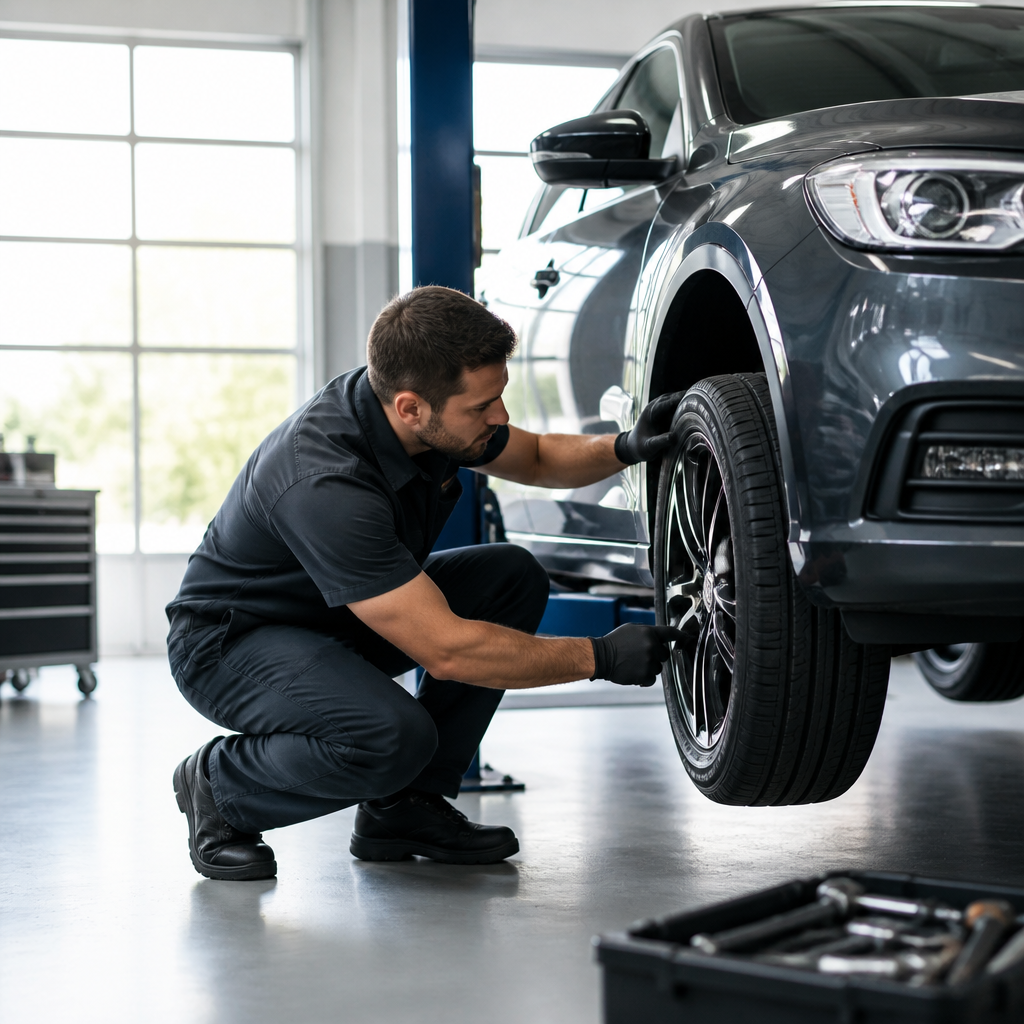
When your car vibrates while driving, it is usually giving you a warning that something needs attention. The cause may be simple, such as an underinflated tyre or a wheel that needs balancing. However, vibration can also point to worn suspension parts, damaged tyres, brake faults, or a problem in the drivetrain.
Learning when the vibration happens is the first step toward finding the cause. Does it appear only at a certain speed? Does the steering wheel shake when you brake? Do you feel the movement through the seat or floor? These details can help you or a qualified mechanic narrow down the fault.
This guide explains the most common reasons for vehicle vibration, the checks you can perform safely, and the signs that mean you should stop driving. It also covers what to tell a repairer, how to avoid unnecessary parts replacement, and how regular maintenance can prevent the problem from returning. Used Car Nigeria: When Is the Best Time to Buy?
What to do first when your car vibrates while driving
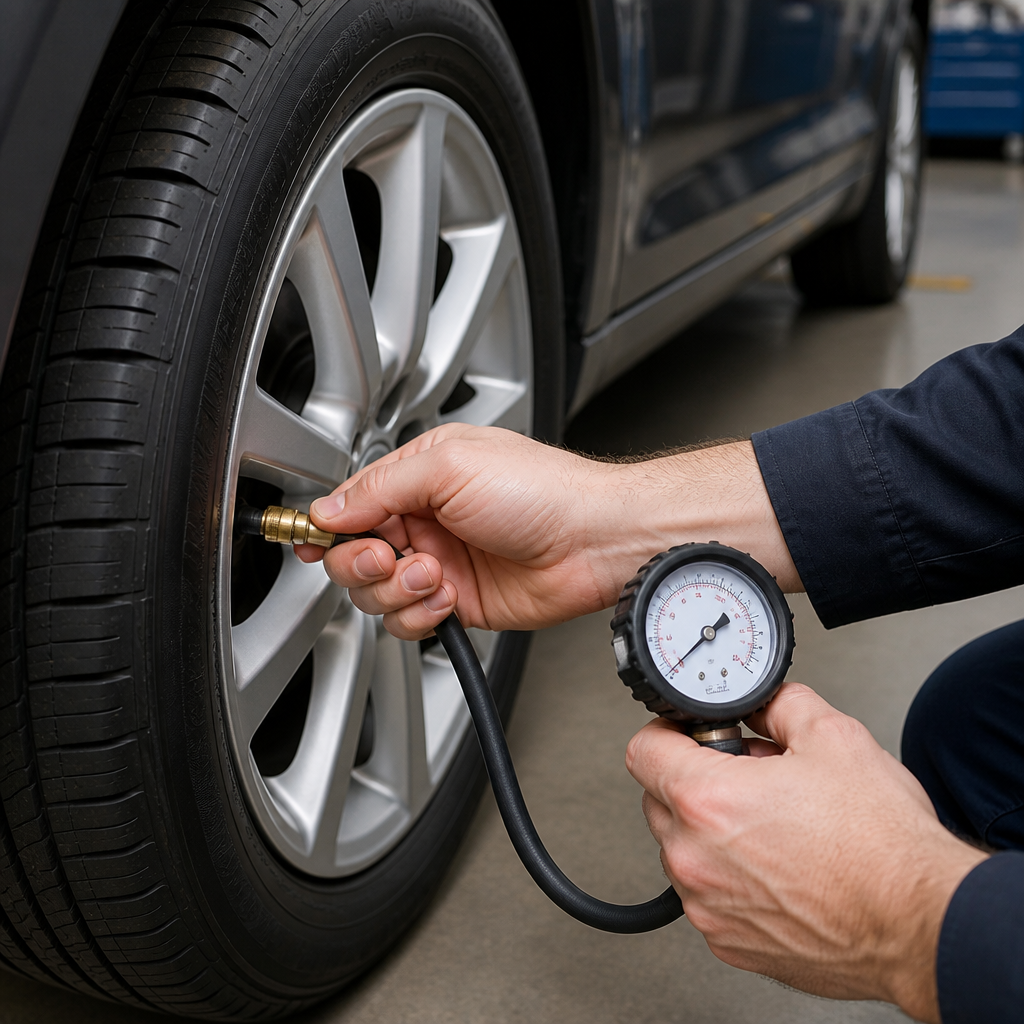
Do not ignore a new or worsening vibration. A small imbalance can become more noticeable over time, while a damaged tyre or loose wheel can create a serious safety risk. Start by reducing speed smoothly and choosing a safe place to inspect the vehicle.
- Notice when the vibration occurs. Record the speed, road conditions, braking, acceleration, and steering position involved.
- Check whether warning lights are showing. A tyre-pressure, ABS, traction-control, or engine warning light may provide an important clue.
- Look at the tyres and wheels. Check for low pressure, bulges, cuts, exposed cords, missing wheel weights, or an unusual amount of mud inside a wheel.
- Do not crawl under the vehicle beside a road. A visual check is useful, but leave lifting and underbody inspection to a properly equipped technician.
- Stop driving if the vibration is severe. Arrange roadside assistance or a safe recovery instead of taking a chance.
Never try to diagnose the problem by repeatedly driving faster. If a fault becomes worse at higher speed, testing it on a public road can put you and other road users at risk.
How the location and timing of the vibration provide clues
The place where you feel the vibration often helps identify the affected system. This is not a perfect diagnosis, because several faults can produce similar symptoms. Still, the pattern can help you explain the problem accurately.
Vibration through the steering wheel
Steering-wheel shake often relates to the front wheels or front suspension. Common possibilities include wheel imbalance, a bent rim, uneven tyre wear, incorrect wheel alignment, or worn steering and suspension components.
If the steering wheel shakes mainly between certain speeds, wheel or tyre problems become more likely. If it shakes when you press the brake pedal, inspect the braking system instead of assuming the wheels simply need balancing.
Vibration through the seat or floor
A vibration felt through the seat may come from the rear wheels, rear tyres, exhaust system, driveshaft, differential, or other drivetrain components. In a rear-wheel-drive vehicle, a worn universal joint or damaged driveshaft can create vibration during acceleration.
In a front-wheel-drive vehicle, inner driveshaft joints may cause a shudder under power. A mechanic will usually compare the symptom during acceleration, coasting, and cornering to identify the affected area.
Vibration through the brake pedal
A pulsing brake pedal usually indicates that the braking system needs inspection. The brake discs may have uneven friction surfaces, excessive runout, or heat-related damage. A sticking calliper can also create uneven braking and heat at one wheel.
Brake vibration should not be dismissed as normal. Brakes are safety-critical, and the problem can worsen if the underlying cause remains unresolved.
Vibration during acceleration
A shudder that appears when you accelerate may point to an engine, transmission, or drivetrain issue. Possible causes include worn engine mounts, a damaged driveshaft, a worn constant-velocity joint, or a transmission fault.
Engine misfires can also feel like vibration, particularly when the engine is under load. If the check-engine light flashes, reduce engine load and seek professional help promptly. A flashing warning light can indicate a fault that may damage the catalytic converter or cause the engine to run poorly.
Common reasons a car vibrates while driving
1. Tyres with low or uneven pressure
Incorrect tyre pressure is one of the easiest causes to check. A tyre that is significantly underinflated can flex excessively and create unstable handling. Overinflation reduces the contact area and may make the vehicle feel harsh or nervous.
Check pressure when the tyres are cold. Use the vehicle manufacturer’s recommended pressure, normally shown on a label inside the driver’s door area or in the owner’s manual. Do not use the maximum pressure printed on the tyre sidewall as the normal vehicle setting.
Pressure differences between tyres can also make the car pull to one side or feel uneven. If a tyre keeps losing air, do not simply keep inflating it. The cause may be a puncture, damaged valve, poor bead seal, or wheel damage.
2. Wheel imbalance
Every wheel and tyre assembly has small weight differences. A wheel-balancing machine identifies those differences, and the technician adds small weights to distribute the assembly more evenly. When balancing is incorrect, the car may vibrate at a particular speed range.
For example, the vehicle may feel smooth around town but shake noticeably on a faster road. The vibration may become stronger as speed rises, then change again at a higher speed. This pattern often suggests imbalance, although it does not prove it.
Wheel weights can fall off after impact, tyre replacement, or corrosion. Mud, stones, or packed debris inside the wheel can create a temporary imbalance as well. A proper inspection should check the wheel, tyre, balance weights, and mounting surface.
3. Damaged or unevenly worn tyres
A tyre can look inflated and still be unsafe. Inspect the tread and sidewalls for bulges, cracks, cuts, flat spots, and separated sections. A bulge usually means the internal structure has been damaged. Such a tyre should not remain in service.
Uneven tread wear can result from incorrect alignment, worn suspension parts, poor inflation, or neglected rotation. Cupping or scalloping creates a repeating high-and-low tread pattern. It may produce vibration, humming, or a drumming sound as the tyre turns.
Tyres can also develop a temporary flat spot after the vehicle sits for a long time. A mild flat spot may improve as the tyre warms during driving. Persistent vibration, however, requires an inspection because the tyre may have permanent damage or another fault.
4. A bent wheel or damaged rim
Potholes, kerbs, road debris, and hard impacts can bend a wheel. A damaged rim may cause air loss, poor balance, or a visible wobble. Alloy wheels can crack, while steel wheels may bend at the outer edge. How to Detect Engine Problems During a Test Drive
Wheel damage is not always obvious when the wheel is fitted to the vehicle. A repair shop may need to remove it and measure its runout. Do not assume that a balancing service will correct a physically bent wheel. Balance weights cannot repair a distorted rim.
If the impact was recent, ask the technician to inspect the tyre sidewall, suspension, steering parts, and alignment. A pothole can damage more than one component.
5. Incorrect wheel alignment
Wheel alignment controls the direction and angle of the wheels. An alignment problem can cause the vehicle to pull, produce an off-centre steering wheel, and wear the tyres unevenly. It may also make the car feel unstable or vibrate.
Alignment settings can change after a heavy impact or when steering and suspension components wear. However, an alignment adjustment alone will not solve a worn ball joint, bent control arm, or damaged tie rod. The technician should inspect the components before setting the alignment.
Ask for an alignment check if you notice a vehicle pulling to one side, rapid wear on one edge of a tyre, or a steering wheel that no longer sits straight on a level road.
6. Brake discs, callipers, or other brake faults
Brake-related vibration usually appears when you slow down. The steering wheel may shake during braking, or the brake pedal may pulse under your foot. One wheel may also become much hotter than the others after a normal drive.
Uneven brake-disc surfaces can result from heat, corrosion, incorrect installation, or a sticking calliper. A calliper that does not release properly can create drag, heat, accelerated pad wear, and pulling during braking.
Do not pour water onto a hot brake component. Sudden cooling can damage parts, and the steam may burn you. Let the vehicle cool safely, then arrange an inspection.
7. Worn steering and suspension components
Suspension and steering parts keep the tyres in contact with the road and help control wheel movement. Worn tie-rod ends, ball joints, control-arm bushes, stabiliser links, wheel bearings, or shock absorbers can cause vibration and vague handling.
A worn wheel bearing may produce a humming or rumbling sound that changes when you turn. A damaged suspension bush may create a clunk over bumps and allow the wheel angle to change under braking or acceleration.
These components can affect safety even when the vibration seems mild. Because some faults require the vehicle to be lifted and supported correctly, do not attempt a makeshift inspection with a jack alone.
8. Driveshaft or constant-velocity joint problems
Drivetrain vibration often changes with acceleration. A worn inner constant-velocity joint can cause a shudder while accelerating, while an outer joint may click during tight turns. A damaged driveshaft, worn universal joint, or failing centre support bearing can cause vibration beneath the vehicle.
Grease around a torn CV-joint boot is an important clue. The boot protects the joint from dirt and keeps lubricant inside. Once it tears, contamination can quickly accelerate wear.
Drivetrain repairs require correct diagnosis because several parts can create similar symptoms. A repairer may test the vehicle under controlled conditions and inspect the shafts, joints, mounts, and transmission.
9. Worn engine or transmission mounts
Mounts hold the engine and transmission in place while reducing vibration. When a mount cracks, collapses, or separates, vibration may travel into the cabin. You may notice it most at idle, when selecting a gear, or during acceleration.
A failed mount can allow excessive engine movement. That movement may put stress on exhaust sections, hoses, wiring, driveshafts, and other components. A technician should inspect the complete mounting system rather than replacing one part based only on a guess.
10. Engine misfire or fuel and ignition fault
An engine misfire occurs when one or more cylinders do not burn the air-fuel mixture correctly. The car may shake at idle, hesitate during acceleration, lose power, or show a check-engine warning.
Possible causes include worn spark plugs, a failing ignition coil, injector trouble, an air leak, low compression, or a sensor problem. The exact cause requires diagnostic testing. Replacing parts at random can become expensive and may not solve the fault.
If the check-engine light is flashing, avoid hard acceleration and arrange professional assistance. If the light is accompanied by severe power loss, smoke, overheating, or unusual noises, stop in a safe place. Best Long-Distance Cars for Nigerian Roads
Match the vibration to the driving condition
Before booking a repair, write down exactly when the vibration occurs. A clear description can save diagnostic time and reduce the risk of unnecessary work.
- Only at a certain road speed: suspect wheel balance, tyre condition, or wheel damage first.
- Only while braking: have the brake discs, pads, callipers, and wheel bearings inspected.
- Only during acceleration: check the drivetrain, engine mounts, transmission, and engine performance.
- Only while turning: inspect CV joints, wheel bearings, steering components, and suspension parts.
- At idle while parked: consider an engine misfire, mount problem, accessory fault, or air and fuel issue.
- Over bumps: inspect suspension joints, bushes, shock absorbers, and loose underbody components.
- After hitting a pothole: check the tyre, wheel, alignment, steering, and suspension for impact damage.
- With a humming sound that changes during turns: ask for a wheel-bearing inspection.
Keep in mind that one problem can cause several symptoms. For example, a pothole may bend a wheel and damage a suspension component at the same time.
Safe checks you can perform at home
You can perform a few basic checks without special equipment. These checks do not replace a professional inspection, but they may reveal an obvious issue.
Check tyre pressure and condition
Use a reliable pressure gauge and compare each tyre with the vehicle manufacturer’s recommended setting. Check the spare tyre too, especially if it is a full-size spare that may be needed unexpectedly.
Look for nails, screws, cuts, bulges, exposed cords, and objects lodged in the tread. Do not remove a nail or screw before you know whether the tyre can be repaired safely. Removing it may allow the tyre to lose air quickly.
Look for wheel and tread problems
Compare the tread wear on both sides of each axle. Notice feathering, bald patches, scalloped sections, or one-sided wear. Check that wheel nuts appear present and seated correctly, but do not rely on appearance alone to confirm correct tightening.
If a wheel nut is missing, loose, or visibly damaged, do not continue driving. A wheel that is not secured correctly can separate from the vehicle.
Check for leaks and unusual heat
After the car has been parked safely, look for fresh fluid beneath it. Do not touch brake discs, callipers, exhaust components, or other parts immediately after driving. They may remain hot for a long time.
An unusual burning smell, smoke, or one wheel that feels radiantly hot from a distance can suggest brake drag or another fault. Let the vehicle cool and seek professional help.
Review recent work and recent impacts
Think about what changed before the vibration began. Did you replace tyres, repair a puncture, rotate the wheels, hit a pothole, service the brakes, or drive through deep mud? The timing may help identify a disturbed wheel balance, incorrect fitting, or impact-related damage.
When should you stop driving immediately?
Some vibrations allow you to drive slowly to a nearby workshop. Others require immediate recovery. Stop as soon as it is safe if you notice any of the following:
- A severe or rapidly worsening vibration.
- A tyre bulge, deep cut, exposed cord, or obvious tread separation.
- A wheel that appears to wobble or move abnormally.
- A missing or loose wheel nut.
- Loss of steering control, strong pulling, or difficulty keeping the vehicle straight.
- Smoke, a strong burning smell, or a very hot wheel.
- A flashing check-engine light combined with shaking or major power loss.
- Grinding, clunking, snapping, or loud metallic noises.
- Brake-pedal pulsing combined with poor stopping performance.
- Fluid leaking from the vehicle or a warning light indicating a serious fault.
Turn on your hazard lights if appropriate, move away from moving traffic, and follow local roadside-safety procedures. If the vehicle is in a dangerous position, call for assistance rather than attempting a roadside repair.
How a professional technician diagnoses vibration
A good diagnosis begins with a conversation. Tell the technician the speed range, road type, steering position, braking behaviour, acceleration behaviour, sounds, warning lights, and recent repairs. Avoid describing the symptom only as “the car shakes.” Specific details are more useful.
- Road test: The technician may reproduce the symptom under controlled conditions. Never encourage unsafe speeds for a test.
- Visual inspection: The tyres, wheels, brakes, steering, suspension, exhaust, mounts, and drivetrain are checked for visible damage.
- Tyre and wheel measurement: A balancing machine and runout checks may identify imbalance or wheel distortion.
- Alignment check: The wheel angles are measured after confirming that steering and suspension parts are serviceable.
- Brake inspection: Disc condition, pad wear, calliper operation, and bearing play are examined.
- Electronic diagnosis: Scan tools can identify stored fault codes related to engine, transmission, ABS, or traction systems.
- Component testing: Worn joints, bushes, mounts, bearings, and shafts are checked for movement, noise, or damage.
Ask the repairer to explain the evidence behind the recommendation. For example, a balance report, tread pattern, visible torn boot, fault code, or measured play is more helpful than a vague statement that a part “looks bad.”
How to avoid unnecessary repairs
Vibration diagnosis can involve several related parts. A careful process helps you avoid paying for repairs that do not address the real cause.
- Start with safety and simple checks. Tyre pressure, visible damage, wheel security, and recent impacts should be considered first.
- Separate balancing from alignment. Balancing corrects weight distribution. Alignment corrects wheel angles. They are different services.
- Ask whether a part is worn or damaged. A recommendation should explain the condition and the risk of leaving it unrepaired.
- Request a written estimate. It should identify parts, labour, and any additional inspection needed.
- Do not approve a full set automatically. Some parts are replaced in pairs or sets for sound engineering reasons, but the technician should explain why.
- Keep old parts where practical. Seeing a failed component can help you understand the repair.
- Get a second opinion for an expensive diagnosis. This is especially useful when symptoms are unclear or several major parts are proposed.
A cheaper repair is not always the better repair. A damaged tyre, loose steering component, or brake fault deserves prompt attention, even if the vehicle still drives.
Preventing future vehicle vibration
Regular maintenance reduces the chance of vibration and helps you find problems before they become dangerous. Check tyre pressures regularly and before long trips. Inspect tread condition and replace tyres that are damaged or excessively worn.
Have the wheels balanced when fitting new tyres, after a vibration begins, or when a wheel loses a balance weight. Rotate tyres according to the vehicle manufacturer’s guidance and use the correct pattern for the tyre and drivetrain. Best Used Cars for Lagos Traffic: A Practical Buying Guide
Drive carefully over potholes and kerbs. If an impact is unavoidable, slow down safely rather than striking the obstacle at speed. After a hard impact, inspect the vehicle even if the vibration seems minor.
Do not overload the vehicle beyond the manufacturer’s stated limits. Excess weight can affect tyre performance, braking, suspension movement, and handling. Load luggage securely and distribute it as evenly as possible.
Keep service records. A note showing when tyres, brakes, alignment, suspension parts, or drivetrain components were last inspected can help identify changes over time.
Can you keep driving with a vibration?
It depends on the severity and the suspected cause. A mild vibration that appeared after tyre work may allow a slow trip to a workshop, provided the tyres are correctly inflated, there is no visible damage, and the vehicle remains controllable.
However, you should not continue normal driving when the vibration is strong, worsening, or associated with a warning sign. Avoid motorways, high speeds, heavy loads, and long journeys until the vehicle has been checked.
When in doubt, choose the safer option. The cost of a recovery service is usually far lower than the consequences of a tyre failure, loss of steering, brake failure, or drivetrain damage.
Frequently asked questions
Why does my car vibrate only at high speed?
High-speed vibration commonly relates to wheel balance, tyre damage, a bent wheel, or uneven tread wear. Alignment and suspension faults can also contribute. Have the complete wheel and tyre assembly inspected rather than requesting balancing without a visual check.
Why does the steering wheel shake when I brake?
Brake-related vibration may come from uneven brake discs, a sticking calliper, worn suspension parts, or a wheel-bearing issue. Because braking is safety-critical, arrange an inspection soon and stop driving if stopping performance is reduced.
Can low tyre pressure make a car vibrate?
Yes. Low or uneven pressure can make the vehicle feel unstable and may create vibration. It can also cause heat buildup and uneven wear. Inflate the tyres to the vehicle manufacturer’s recommended pressure and investigate any tyre that repeatedly loses air.
Is wheel alignment the same as wheel balancing?
No. Balancing corrects uneven weight distribution in the wheel and tyre assembly. Alignment adjusts the angles of the wheels relative to the vehicle and road. A car can need one service, both services, or neither if the real problem is a damaged part.
Why does the car shake when accelerating?
Acceleration-related shaking may come from a worn CV joint, driveshaft, engine mount, transmission component, or engine misfire. Note whether the symptom disappears when you lift off the accelerator. That detail can help the technician distinguish drivetrain vibration from a wheel problem.
Why does my car vibrate while stopped?
Vibration while stopped often points to an engine issue or a worn engine mount rather than a wheel fault. Possible causes include a misfire, air leak, fuel problem, or accessory fault. A flashing check-engine light requires prompt attention.
Can a car vibrate after changing tyres?
Yes. Possible causes include incorrect balancing, a tyre not seated properly, a bent wheel discovered during fitting, incorrect pressure, or a damaged replacement tyre. Return to the tyre shop promptly and ask for the wheel and tyre assemblies to be checked.
Is it safe to drive with a wheel bearing noise?
A noisy wheel bearing should be inspected. The risk depends on its condition, but continued wear can affect wheel movement and handling. If the noise is severe, the wheel feels loose, or steering changes, stop driving and arrange recovery.
Final takeaway
When your car vibrates while driving, treat the symptom as useful information rather than an annoyance. The pattern matters: speed-related shaking often points toward wheels or tyres, braking vibration suggests the brake system, and acceleration shudder can involve the engine or drivetrain.
Begin with safe checks, avoid high-speed testing, and arrange a professional inspection if the cause is not obvious. Do not drive with a damaged tyre, loose wheel, poor braking, severe vibration, or loss of control. Finding the problem early can protect your safety, prevent further damage, and make the eventual repair more straightforward.
4 thoughts on “Why Your Car Vibrates While Driving and What It Could Mean”