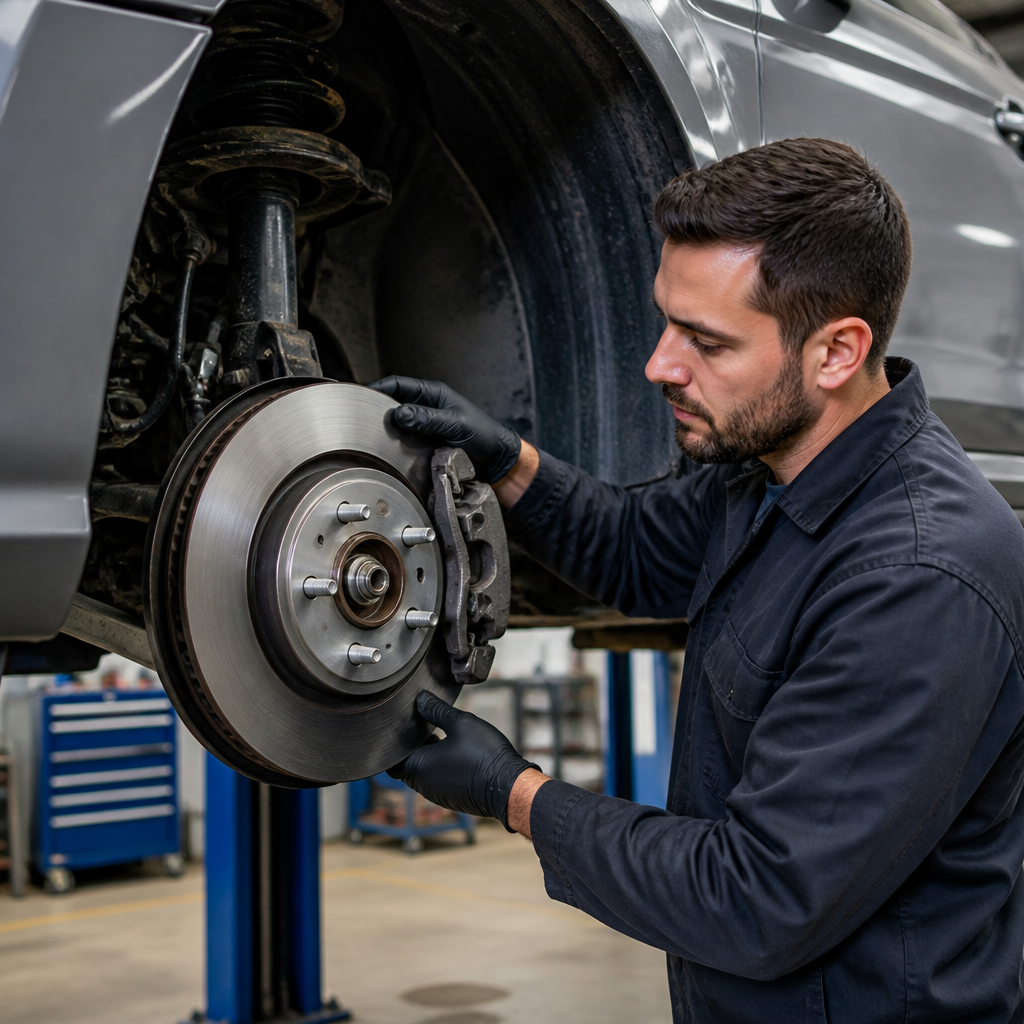
If your car shakes when braking, the vibration usually points to a problem in the braking system, wheel assembly, suspension or tyres. A mild pulse through the brake pedal may indicate uneven brake discs, while shaking through the steering wheel can suggest a front brake or wheel issue. Because braking affects your ability to control the vehicle, do not ignore a new or worsening vibration.
The good news is that many causes can be identified through the way the car behaves. Does the steering wheel shake only when you brake from highway speed? Does the whole body vibrate during gentle stops? Does the car pull to one side, make a scraping sound or produce a burning smell? These details help a qualified technician narrow down the fault.
This guide explains why a car shakes when braking, what you can check safely, which symptoms require urgent attention and how to avoid replacing parts unnecessarily. It also covers what buyers should inspect when a used car shows brake vibration during a test drive.
Regular maintenance reduces the chance of brake trouble. A complete service should include more than an oil change. It should also cover brake pads, discs, calipers, tyres, wheel fasteners, suspension joints and fluid condition. For a broader maintenance routine, see this practical guide to car service in Nigeria. car service maintenance guide
What the shaking can tell you
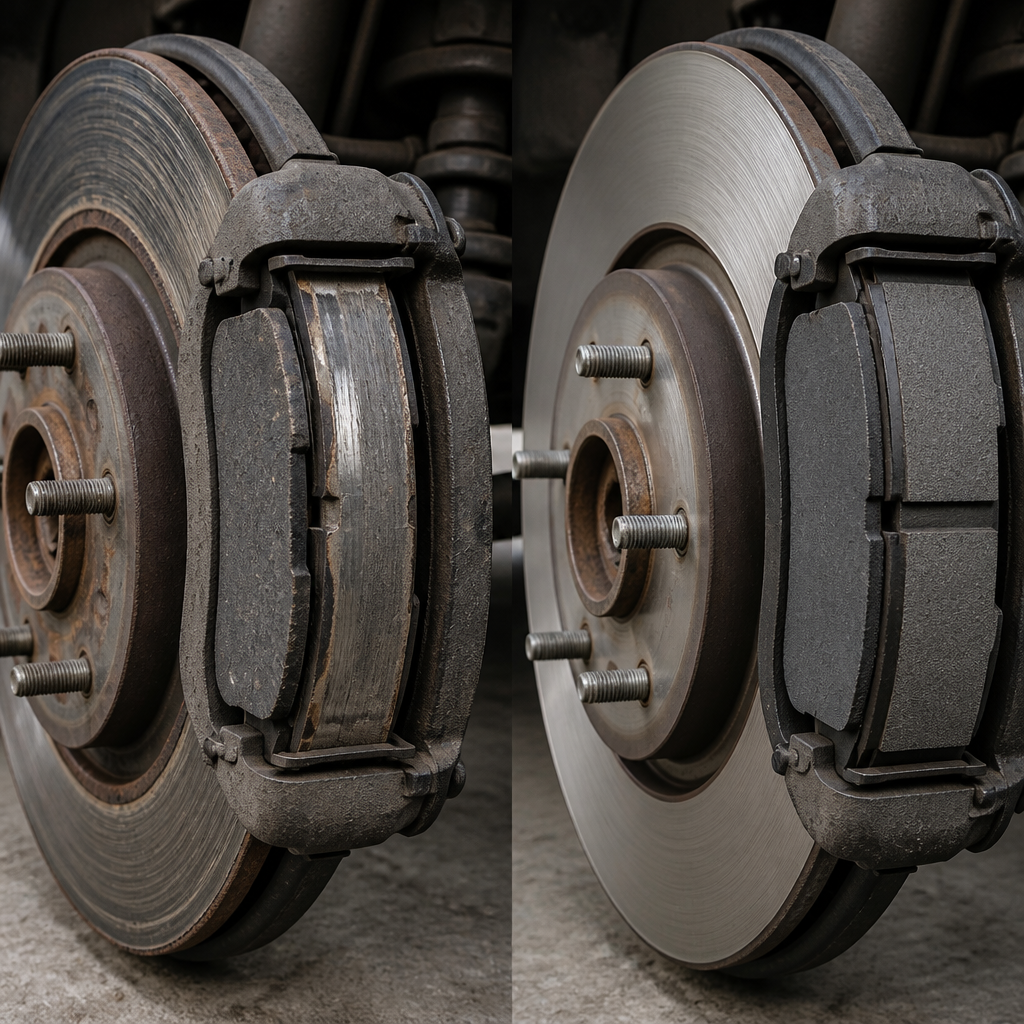
Brake vibration does not always feel the same. The location and timing of the movement provide useful clues, although they cannot replace a proper inspection. Describe the symptom accurately when you book a repair. That can save diagnostic time and prevent a technician from starting with the wrong component.
Shaking through the steering wheel
If the steering wheel moves from side to side when you apply the brakes, the problem may be concentrated at the front wheels. Uneven front brake discs are a common possibility. However, worn suspension bushes, loose steering components, wheel imbalance, a bent wheel or a damaged tyre can create a similar sensation.
Steering-wheel vibration is especially noticeable when slowing from a higher speed. The braking force acts through the front suspension, so any variation in disc thickness or movement in a steering component becomes easier to feel through the wheel.
Shaking through the brake pedal
A pulsing brake pedal often means that the brake disc and pad are not maintaining perfectly even contact. Some anti-lock braking system activity can also feel like pedal pulsation, but that normally happens during hard braking when the system is preventing wheel lock. If the pedal pulses during ordinary stops on dry pavement, arrange an inspection.
A soft or sinking pedal is different from a pulsing pedal. It may indicate air in the hydraulic system, a fluid leak, worn components or a master-cylinder problem. Treat a soft pedal as a serious safety concern, especially if stopping requires several pumps.
Shaking through the whole vehicle
When the seats, floor or body shake during braking, the cause may involve the rear brakes, rear suspension, tyres or a driveline component. A rear brake problem can be less obvious from the steering wheel, yet it can still reduce stability and increase stopping distance.
The vibration may also come from a tyre with internal damage, an out-of-round condition or a wheel that is not running true. In that situation, the car may shake while driving and become worse when you brake. The brakes may receive blame because braking makes the movement more noticeable.
Common reasons your car shakes when braking
Several faults can produce similar symptoms. A good diagnosis looks at the entire wheel and braking assembly instead of replacing only the most obvious part.
Uneven or damaged brake discs
Brake discs, also called rotors, provide the flat surfaces that the brake pads clamp. If a disc develops uneven thickness, excessive run-out or surface damage, the pads may move in and out as the disc turns. You can then feel a rhythmic vibration through the pedal, steering wheel or body.
People often call this condition “warped discs”. True heat-related distortion is possible, but uneven wear and thickness variation are also common explanations. A disc can develop these problems after repeated heavy braking, poor-quality parts, incorrect wheel installation, seized caliper hardware or long periods of corrosion.
Heat alone does not automatically ruin a disc. Brakes are designed to operate at high temperatures. Trouble develops when heat becomes excessive or uneven, when cooling is poor or when a component fails to release properly. A technician should measure disc run-out and thickness against the vehicle manufacturer’s limits.
Worn, glazed or contaminated brake pads
Brake pads wear down over time. As the friction material becomes thin, braking performance can decline and the pad may no longer contact the disc evenly. Glazing can occur when the pad surface becomes unusually hard and smooth after excessive heat. The result may include vibration, squealing or inconsistent braking.
Oil, grease, brake fluid or other contamination can also affect pad contact. Contaminated pads usually need replacement because cleaning may not restore reliable friction. If only one side is contaminated, braking can become uneven and the vehicle may pull.
Sticking brake caliper or slider pins
A caliper must apply and release the pads evenly. If a piston sticks or slider pins seize, one pad may remain in contact with the disc. That creates constant friction, heat and uneven wear. The car may pull to one side, and one wheel may become much hotter than the others.
Other warning signs include a burning smell, reduced fuel economy, smoke near a wheel or a vehicle that feels reluctant to roll. Do not touch a suspected brake component immediately after driving. It may be hot enough to cause a serious burn.
Loose, corroded or incorrectly fitted wheel components
A wheel that is not seated correctly against the hub can create movement that becomes noticeable during braking. Rust or dirt between the wheel and hub may prevent a flat connection. Incorrect wheel-nut tightening can also cause problems. Over-tightening may distort some components, while under-tightening is a serious safety risk.
Wheel fasteners should be tightened with the correct procedure and equipment. Do not assume that using a powerful impact tool is enough. After wheel or brake work, ask whether the contact surfaces were cleaned and whether the fasteners were tightened to the vehicle manufacturer’s specification.
Wheel bearing wear
A worn wheel bearing may produce humming, growling or rumbling that changes with road speed. In advanced cases, it can allow enough play to affect wheel control and braking. The vibration may not occur only during braking, but applying the brakes can make it more obvious.
Wheel-bearing diagnosis requires care. Tyre noise, uneven tread wear and drivetrain noise can sound similar. A technician should check for play, noise and roughness using the correct inspection method.
Tyre or wheel problems
A damaged tyre can cause vibration at certain speeds and during braking. Look for bulges, cuts, exposed cords, uneven tread, severe cracking or a tread pattern that is wearing in patches. A tyre with internal belt damage may appear acceptable from a distance, so unusual vibration deserves professional attention.
Incorrect tyre pressure can affect braking stability, although it is less likely to cause a rhythmic brake pulse by itself. Unequal pressure across an axle can make the vehicle feel unstable or pull to one side. Check pressures when the tyres are cold and follow the vehicle’s recommended values, not the maximum value printed on the tyre sidewall.
Wheel imbalance usually causes vibration at a particular road speed. It may continue when you stop accelerating and may not disappear when you release the brake. A bent rim can produce a similar effect. Wheel balancing and a careful rim inspection can separate these possibilities from a brake fault.
Worn suspension or steering parts
Braking transfers weight towards the front of the vehicle. That extra load can expose play in control-arm bushes, ball joints, tie-rod ends, strut mounts or other suspension components. The car may dive, wander, clunk or shake while braking.
Suspension wear matters because it can affect tyre contact with the road. Even new brake pads and discs cannot solve a problem caused by a loose steering joint. If the car shakes, pulls or feels unstable, the inspection should include the complete front and rear suspension.
Some suspension faults are difficult to identify by looking at the parked vehicle. A component may show little movement by hand but move under braking forces. Use a qualified workshop with suitable lifting and inspection equipment instead of relying only on a visual check.
Rear brake faults
Rear drum or disc brakes can develop uneven surfaces, worn hardware, sticking mechanisms or adjustment problems. A rear fault may produce vibration through the seat or floor rather than the steering wheel. It can also make the vehicle feel as though the rear is moving slightly from side to side.
Do not neglect rear brakes because the front brakes often do more of the work. The rear system helps keep the vehicle balanced during a stop. A fault can become more noticeable when the car carries passengers or luggage.
Brake fluid or hydraulic system problems
Hydraulic faults usually cause a soft, low or inconsistent pedal rather than a simple vibration. Still, a leak or air in the system can make braking uneven. Check the brake-fluid reservoir only when the vehicle is parked safely and the engine is cool enough for the surrounding components to handle.
Brake fluid should not be topped up blindly. A low level may reflect worn pads, a leak or another problem. Using the wrong fluid can damage seals or reduce performance. Consult the owner’s manual and have the source of the low level identified.
How heat and driving conditions contribute
Brake components convert motion into heat. Normal braking creates heat, and repeated hard stops create more. Problems arise when the heat cannot escape or when components cool unevenly.
Long downhill driving, heavy traffic, overloaded vehicles and repeated emergency stops can raise brake temperatures. Riding the brake pedal keeps the pads in contact and prevents the brakes from cooling. On a descent, select a suitable lower gear where appropriate and leave enough space to brake smoothly.
Water can temporarily affect braking after driving through deep puddles or washing the vehicle. Light, controlled braking can help dry the surfaces when traffic and road conditions allow. However, persistent vibration, grinding or pulling is not normal water-related behaviour.
Corrosion can develop when a vehicle sits unused, particularly in damp conditions. Light surface rust may clear after normal braking. Heavy corrosion, pitting or a vehicle that has been exposed to flooding requires closer inspection. Water and silt can affect brakes, wheel bearings, electrical parts and suspension components.
Before buying a used vehicle with possible water exposure, inspect more than the carpet and upholstery. Look for corrosion around wheel areas, unusual residue, damaged connectors and inconsistent operation. This guide on what buyers should check when a used car overheats also illustrates why a single symptom should lead to a wider mechanical inspection. used car mechanical inspection guide
When brake vibration is dangerous
Some brake vibrations allow you to drive slowly to a nearby workshop. Others require you to stop as soon as it is safe. Use caution because the exact risk depends on the failed component and its condition.
Stop driving and seek assistance if you notice:
- A brake warning light that remains on.
- A pedal that sinks to the floor or suddenly feels soft.
- Grinding, severe scraping or loud repeated knocking.
- Smoke, a strong burning smell or one wheel that is unusually hot.
- The car pulling sharply to one side.
- Longer stopping distances or brakes that respond slowly.
- A wheel that appears loose or moves abnormally.
- A tyre bulge, exposed cord or sudden loss of pressure.
- Heavy shaking that worsens quickly.
If the brakes feel unreliable, do not test the problem at higher speed. Park safely, turn on your hazard lights if appropriate and arrange roadside assistance or a controlled recovery. A short drive to the workshop is not worth risking a complete loss of braking control.
Symptoms that still need prompt attention
A mild vibration without warning lights is not necessarily an emergency, but it should not become a long-term condition. Brake faults often worsen gradually. The vibration may become stronger, stopping distances may increase and additional parts may suffer damage.
Write down when the vibration happens. Note the speed, whether the car is cold or hot, whether the steering wheel or pedal moves, and whether the vehicle pulls. This information helps the technician reproduce the issue without guessing.
Safe checks you can do before visiting a workshop
You can gather useful information without dismantling the brakes. Park on level ground, select the parking brake where safe and allow hot components to cool. Never place any part of your body under a vehicle supported only by a jack.
- Check the warning lights. Note any brake, ABS, traction-control or tyre-pressure warning. A warning light may indicate an electronic fault that vibration alone cannot reveal.
- Inspect the tyres. Look for bulges, cuts, uneven wear, exposed cords and objects lodged in the tread. Compare pressures with the recommended values.
- Observe the brake-fluid level. If it is low, do not assume that adding fluid solves the issue. Arrange a proper inspection for wear or leaks.
- Look behind the wheels. Without touching anything, check for heavy rust, fluid around the caliper, damaged parts or obvious debris.
- Notice the smell. A sharp burning smell after ordinary driving may point to a dragging brake or another overheating component.
- Compare wheel temperatures carefully. After driving, do not touch the wheels or brakes. An infrared thermometer can help a trained person compare temperatures, but unusual heat still requires a workshop diagnosis.
- Record the conditions. Note whether the shaking occurs during gentle braking, hard braking, downhill driving or only at a certain speed.
Do not spray lubricant on brake discs or pads. Do not sand a disc casually, and do not continue driving after removing a wheel unless every fastener has been correctly installed. Brake repairs require clean friction surfaces and precise assembly.
How a professional should diagnose the problem
A reliable diagnosis starts with a road test when conditions permit. The technician should confirm the complaint and identify whether the vibration comes through the steering wheel, pedal, seat or body. The vehicle should then receive a full inspection on suitable equipment.
The inspection may include measuring disc thickness and run-out, checking pad condition, examining caliper movement, testing wheel-bearing play and inspecting suspension joints. The technician may also check wheel balance, tyre condition and wheel seating.
Ask for the measurements and findings rather than accepting a vague statement that the discs are “bad”. Brake discs have minimum thickness limits. A disc below that limit may not safely absorb heat. A disc within specification may still need attention if it has severe damage or excessive run-out.
The repair plan should address the cause, not just the symptom. Replacing discs without fixing a seized caliper can lead to repeat damage. Fitting new pads onto a badly damaged disc may produce poor contact. Replacing a brake component while ignoring a loose suspension joint may leave the vibration unchanged.
Why replacing only one brake part can fail
Brake components work as an axle pair. In many cases, pads and discs should be replaced on both sides of the same axle so braking remains balanced. A technician may recommend additional parts if one side has suffered heat damage or contamination.
The exact repair depends on the vehicle and the inspection. Possible work includes replacing pads and discs, servicing caliper sliders, replacing a wheel bearing, balancing a wheel, correcting wheel installation or repairing suspension components. The workshop should explain why each item is necessary.
Brake bedding after repairs
New pads and discs need a suitable bedding-in process. This allows the friction materials to develop an even contact layer. Follow the workshop’s instructions and avoid unnecessary emergency stops immediately after the repair.
Bedding instructions differ by component and vehicle. Do not create your own high-speed braking routine on a public road. Use safe, legal conditions and follow the manufacturer or technician’s guidance.
How to test a used car for brake vibration
Brake vibration can reveal previous neglect, poor-quality repairs or accident-related damage. When inspecting a used car, include several controlled stops on a suitable road. Keep both hands on the wheel and obey local traffic rules.
Start with gentle braking at low speed. The pedal should feel firm and the vehicle should stop in a straight line. Then, if conditions are safe, apply the brakes progressively from a moderate speed. Watch for steering-wheel shake, pedal pulsation, pulling, grinding or a delayed response.
Do not confuse ABS operation with a normal brake fault. During a hard stop on a slippery surface, the ABS may produce rapid pedal pulsation and a mechanical sound. That sensation should stop when the system is no longer intervening. A vibration during ordinary dry-road braking needs further investigation.
A proper test drive should cover more than acceleration and comfort. Use this guide to testing a used car before payment to assess steering, transmission, suspension, warning lights and general road behaviour. used car test drive checklist
After the drive, walk around the vehicle and listen for unusual smells or heat. Do not touch the brakes. If one corner smells strongly or the car pulls after several stops, ask for a professional inspection before discussing payment.
Brake vibration may also be connected to previous collision repairs. A bent hub, wheel, suspension arm or poorly fitted replacement panel can affect how the car tracks and stops. Ask for evidence of maintenance and inspect the vehicle in daylight when possible.
When assessing a repaired or imported vehicle, learn how to detect accident and repainted cars before making a decision. Accident history does not automatically make a car unsafe, but hidden structural or suspension damage deserves careful verification. accident and repaint inspection guide
How to reduce the chance of brake vibration
Smooth driving helps, but it cannot compensate for worn parts. Use the following habits to protect the braking system:
- Keep a safe following distance so you can brake progressively.
- Avoid resting your foot on the brake pedal while driving.
- Use a suitable lower gear on long descents where the vehicle allows it.
- Do not overload the vehicle beyond its recommended capacity.
- Check tyre pressure regularly and inspect tyres for damage.
- Have unusual noises, pulling or pedal changes inspected early.
- Use brake parts that match the vehicle’s specification and driving conditions.
- Ensure wheel fasteners are installed and tightened correctly after wheel work.
- Ask for brake and suspension checks during routine servicing.
Part quality matters, but installation matters too. A good component can perform badly if the hub face is dirty, the caliper is not serviced or the wheel is fitted incorrectly. Choose a workshop that explains the work and provides clear parts and labour details.
Frequently asked questions
Can low tyre pressure make a car shake when braking?
Low or uneven tyre pressure can make a vehicle feel unstable and can worsen braking behaviour. It is less likely to cause a regular brake pulse by itself. Check the pressures first, but arrange a brake and tyre inspection if the shaking continues.
Are warped brake discs the only cause?
No. Uneven disc thickness is one possible cause, but worn pads, a sticking caliper, wheel imbalance, a damaged tyre, a loose bearing or worn suspension can feel similar. Replacing discs without a complete inspection may not solve the problem.
Why does the car shake only at high speed?
Higher speed can make small variations more noticeable. The issue may involve disc run-out, wheel balance, tyre damage or a suspension component. Note whether the vibration appears only while braking or also while cruising at the same speed.
Is it safe to drive with a small brake vibration?
There is no universal safe distance because the cause is unknown. A mild, stable vibration may allow a careful trip to a nearby workshop, but avoid high speeds and heavy loads. Stop driving if you notice pulling, grinding, smoke, a soft pedal or worsening vibration.
Should brake pads and discs be changed together?
Not always. The decision depends on the measured disc thickness, surface condition and pad wear. However, installing new pads on discs that are badly worn, cracked or below specification is not appropriate. A technician should inspect both parts and explain the recommendation.
Can car washing cause brake shaking?
Water can temporarily create noise or a slight change in braking feel. That effect should normally disappear after controlled braking dries the surfaces. Persistent shaking, grinding or pulling is not something to dismiss as water.
What should I tell the mechanic?
Explain when the vibration starts, how fast you are travelling, whether the pedal or steering wheel moves, whether the car pulls, and whether the symptom changes when the brakes heat up. Mention recent tyre, wheel, suspension or brake work. Specific information improves the diagnostic process.
Final advice
When your car shakes when braking, treat the symptom as a request for inspection rather than a nuisance to tolerate. The cause may be a routine wear item, but it could also involve a seized caliper, damaged tyre, loose wheel component or worn suspension part.
Begin with safe observations. Check warning lights, tyre condition and the circumstances that trigger the vibration. Then have a qualified technician inspect the braking, wheel, tyre, steering and suspension systems together.
Do not choose a repair based only on the phrase “warped discs”. Ask for a clear diagnosis, measurements where relevant and an explanation of how the proposed repair addresses the cause. Careful inspection is especially important when buying a used car, because brake vibration may reveal wider maintenance or accident-related issues.
Reliable brakes should provide predictable stopping, a firm pedal and stable control. If those qualities change, act early. Prompt attention can improve safety, prevent secondary damage and make the eventual repair more straightforward.
1 thought on “Car Shakes When Braking: Causes, Risks and Fixes”