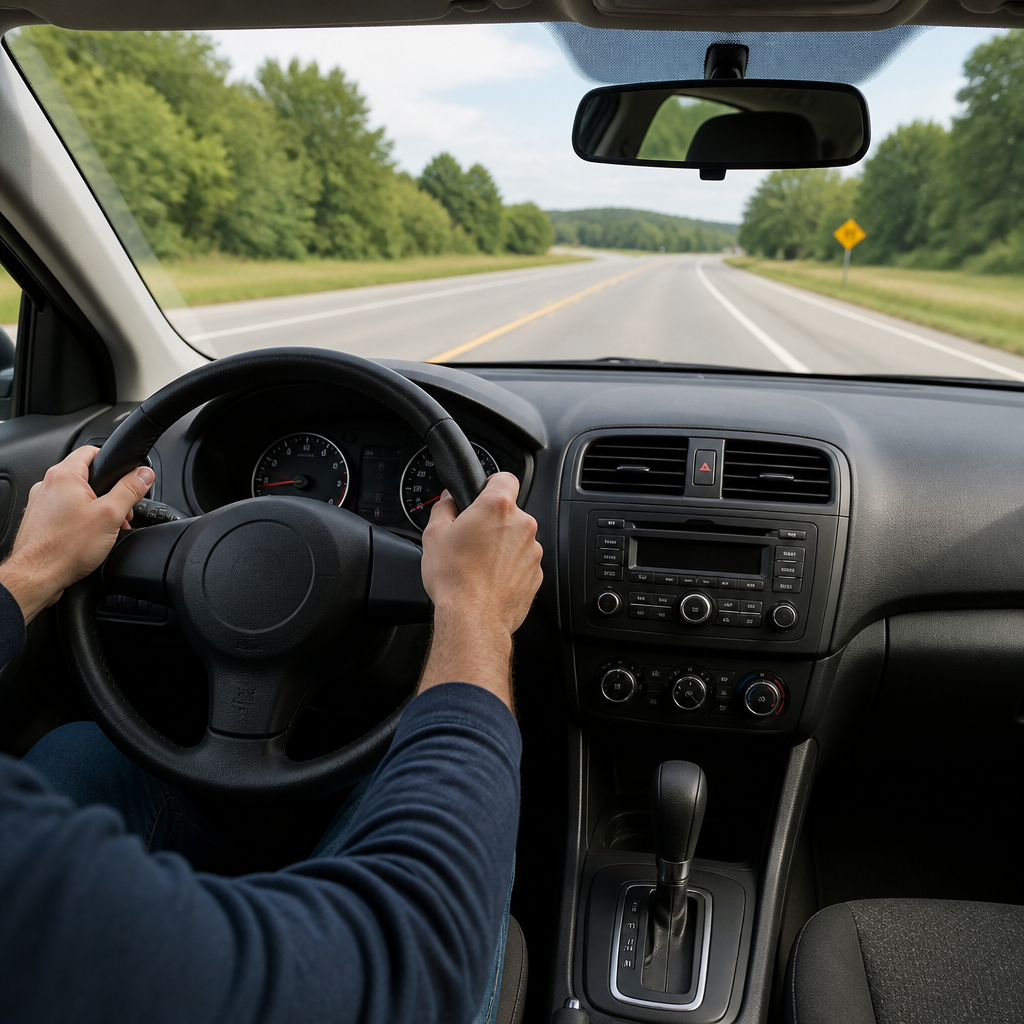
If you plan to test drive a used car before you pay, do more than drive around the seller’s street. A proper road test can reveal problems with the engine, gearbox, brakes, steering, suspension, air conditioning and electrical systems. It can also show whether the car feels safe and comfortable for your daily use.
This guide explains how to test drive a used car step by step. You will learn what to check before moving, which roads to use, how to identify warning signs and when to stop negotiating. A test drive cannot replace a professional inspection, but it can help you avoid paying for a vehicle with expensive or dangerous faults.
Prepare before you test drive a used car
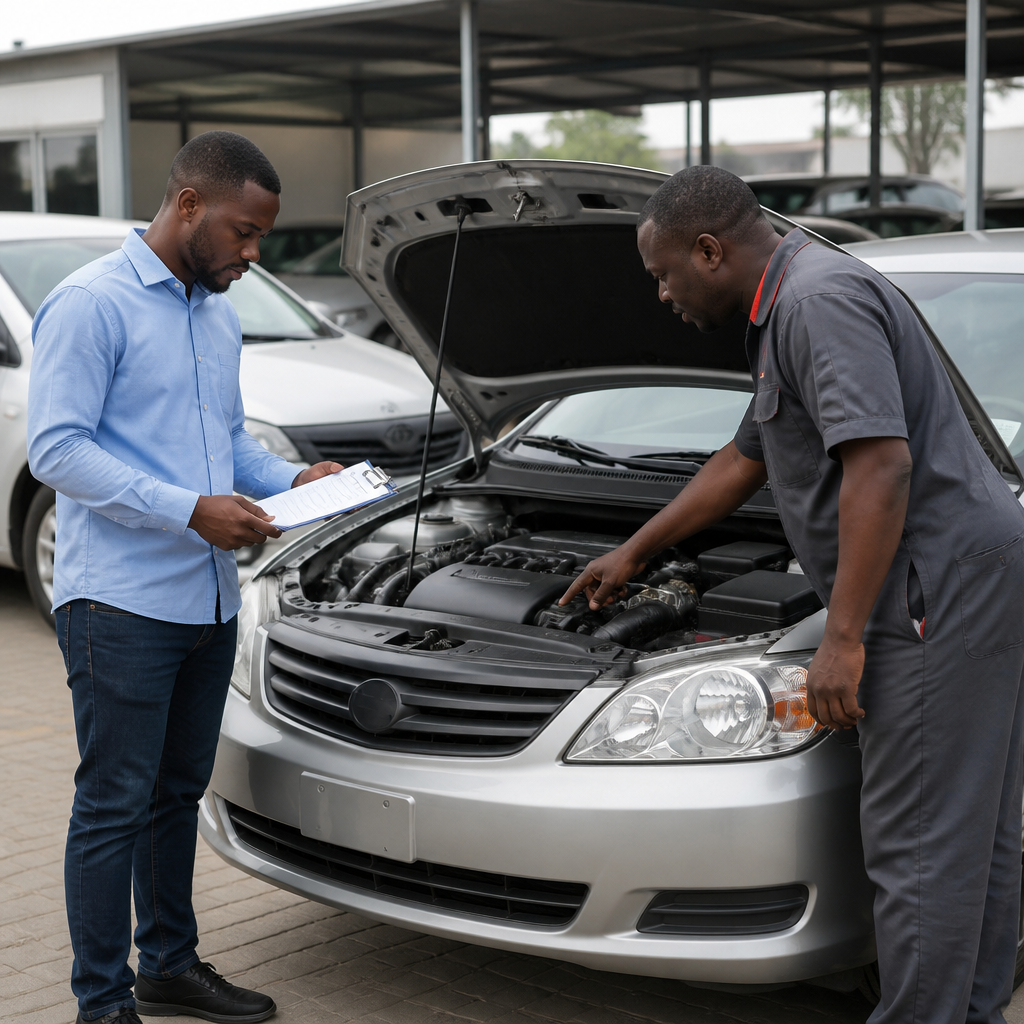
Preparation starts before you sit behind the wheel. Ask the seller to meet during daylight, preferably when the engine is cold. A cold start often reveals noises, smoke and starting problems that may disappear after the vehicle warms up.
Take a valid driving licence, a phone, a small torch and someone you trust. Your companion can watch the exhaust, listen for unusual sounds and inspect the dashboard while you concentrate on driving. Avoid arriving in a hurry. Rushing encourages emotional decisions, especially when the seller says another buyer is waiting.
Before the appointment, review the car’s advertised details and note its claimed mileage, engine size, transmission type and service history. If the vehicle is a Tokunbo import, ask about its arrival, clearing documents and previous condition. You can also read this practical guide on how to inspect a Tokunbo car before paying the dealer for a broader inspection routine. inspect a Tokunbo car before paying
Do not bring the full purchase money to the test drive. You should not pay a deposit merely because the seller allows you to drive the car. If a deposit is necessary to hold the vehicle, use a written agreement that states the amount, purpose, refund conditions and the vehicle details.
Ask for a cold start
Tell the seller that you want to start the car yourself. Feel the bonnet carefully or ask whether the engine has been running. A warm engine may hide hard starting, excessive smoke, rough idling or a weak battery.
When the engine is cold, turn the key or press the start button while watching and listening. The engine should start without prolonged cranking. A brief delay may have a simple cause, but repeated cranking, clicking, grinding or a warning light deserves investigation.
Observe the exhaust after starting. Blue smoke can suggest oil burning, while thick white smoke after the engine has warmed may indicate a cooling-system or combustion problem. Black smoke may point to an overly rich fuel mixture or another engine-management fault. Smoke can have different causes, so treat it as a reason for diagnosis rather than a certain verdict.
Complete a walk-around before driving
A test drive should begin with a stationary inspection. Walk around the car and compare the colour, gaps and condition of each body panel. Different shades of paint, uneven gaps, overspray on rubber trim or fresh paint in one area can suggest accident repairs or repainting.
Look along the sides of the vehicle from a low angle. Waves, dents and ripples may be easier to see in reflected light. Check the bumpers, doors, bonnet, boot lid, roof and wheel arches. Inspect underneath the front and rear ends for loose covers, hanging parts or signs of recent work.
Open and close every door, including the boot. Each door should latch firmly without excessive lifting or slamming. Check the bonnet release, boot release, door handles and central locking. A small broken handle may be easy to repair, but several poor-fitting panels can indicate neglect or previous impact.
Examine the tyres closely. Uneven wear on the inner or outer edge can point to alignment, suspension or steering problems. Check whether all four tyres have similar brands and tread patterns. Different tyres are not automatically a fault, but a mixture may show that the owner replaced them cheaply or that the car has had persistent alignment issues.
Look at the wheels for cracks, serious bends or fresh damage. Inspect the brake discs through the wheel openings where possible. Surface rust can occur after parking, but deep grooves, heavy corrosion or a pronounced lip may justify a brake inspection.
Check the fluid areas under the bonnet without touching hot components. Look for oil around the engine, coolant stains, wet power-steering areas and damaged hoses. The fluid levels should not be used as the only measure of condition. A seller can top up fluids before showing the vehicle, so stains and leaks matter too.
Check the interior and dashboard
Open the driver’s door and compare the interior wear with the claimed mileage. A worn steering wheel, collapsed seat bolster, shiny pedal surfaces and damaged gear selector may be reasonable on an older car. However, heavy wear on a supposedly low-mileage vehicle deserves questions.
Switch on the ignition without starting the engine. Several dashboard warning lights should appear briefly as the system performs its checks. After starting, many should go out. If a warning light remains illuminated, ask for the exact fault code and supporting repair records. Do not accept a seller’s assurance that a light is harmless without diagnosis.
Test the fuel gauge, temperature gauge, rev counter, speedometer and odometer. Confirm that the display does not flicker or go blank. Check the horn, indicators, hazard lights, headlamps, brake lights, reverse lights and interior lights. Ask someone outside the car to confirm the external lights work.
Operate the air conditioner on every setting. Test the fan at low and high speed, select different vents and switch between cool and warm settings. Listen for rattling from the blower and check whether the air becomes cold after a reasonable period. In a hot climate, a weak air conditioner is not a minor inconvenience.
Test the windows, mirrors, wipers, washer jets, seat adjustment, locks, audio system, reversing camera and parking sensors. Check the seat belts by pulling them firmly and inspecting for fraying. Look for damp carpets, a musty smell or water marks around the roof and doors. Moisture can lead to electrical faults and mould.
Test the engine and gearbox on the road
Once the stationary checks are complete, choose a route with different conditions. Include a quiet street, a smoother road, a rough section, a moderate incline and a safe place for braking. You need enough space to accelerate gently, change direction and listen without traffic noise dominating the experience.
Before moving, adjust the seat, mirrors and steering wheel. Make sure you can see clearly and reach the pedals without stretching. Confirm that the handbrake or parking brake releases properly. If the seller insists on driving instead, ask to drive yourself unless your licence, insurance or local rules prevent it.
Start slowly and pay attention to the first movement. An automatic gearbox should engage smoothly when you select drive or reverse. A manual car should move without excessive clutch shudder. A small delay can have different causes, but a hard thump, loud clunk or severe vibration requires further checking.
Accelerate gently from a stop. The engine should respond without hesitation, surging or stalling. Watch the temperature gauge as you drive. It should remain within its normal range. If the gauge rises quickly, fluctuates sharply or approaches the hot zone, stop the test and switch off safely.
Test moderate acceleration when the road is clear. Listen for knocking, rattling, whining or a deep vibration. An engine that sounds rough under load may have a serious issue, although some noises come from accessories, exhaust components or loose covers. Record the sound on your phone only if doing so is safe.
For an automatic transmission, check how it shifts through the gears. The changes should be reasonably smooth for the vehicle’s age and design. Watch for slipping, delayed engagement, harsh shifts, repeated hunting between gears or an engine that revs without a matching increase in speed.
For a manual transmission, select every gear during the drive. The gear lever should not resist excessively or jump out of gear. Test the clutch by moving off on level ground and, where safe, on a mild incline. A high biting point, burning smell or slipping under acceleration may mean the clutch needs attention.
Do not use a dangerous stunt to test a clutch or gearbox. You do not need to race the car, perform hard launches or exceed a safe speed. The goal is to observe normal operation, not to abuse someone else’s vehicle or put people at risk.
Check steering, tracking and suspension
On a straight, relatively quiet road, hold the steering wheel lightly and notice whether the car tracks straight. Do not remove your hands or deliberately release control. If the car constantly pulls to one side, check the road slope first. Persistent pulling can still indicate alignment, tyre or brake problems.
Turn the wheel through a normal corner and listen for clicking, knocking or groaning. A clicking sound during tight turns may come from a drive-shaft joint. A heavy steering wheel, uneven assistance or vibration can point to steering, tyre or suspension concerns.
Drive over a few controlled bumps at low speed. Listen for clunks, squeaks and repeated bouncing. The car should settle after a bump rather than continue floating. Do not deliberately hit potholes. A careful route is enough to reveal many loose or worn components.
At a safe speed, notice whether the steering wheel vibrates. Vibration at certain speeds can be related to wheel balance, bent wheels, tyre damage or suspension parts. Vibration during braking often suggests brake-disc or braking-system concerns, although other faults can produce similar symptoms.
Test the brakes carefully
Choose an empty, safe stretch of road for controlled braking. First apply the brake gently. The pedal should feel firm and predictable. It should not sink gradually while you maintain pressure.
Next, make one stronger stop at a safe speed, leaving plenty of distance. The car should stop in a straight line without severe pulling, shaking or unusual noises. Do not perform emergency braking near pedestrians, traffic or property.
Listen for grinding, scraping or repeated clicking. A light squeal may come from brake-pad material, but grinding can mean the friction material is worn. Ask a qualified mechanic to inspect the brakes before you pay.
Check the parking brake on a safe incline only if the area permits it. It should hold the vehicle without excessive travel. An electronic parking brake should engage and release without error messages. Never rely on the parking brake test alone to judge the entire braking system.
Test drive a used car in traffic and at low speed
A car can feel fine on an open road and still be difficult in traffic. Spend time at low speed. Turn into a parking space, make a three-point turn and reverse carefully. These actions reveal steering effort, turning noises, camera faults, parking-sensor problems and gearbox behaviour.
Try stop-and-go driving when conditions are safe. Notice whether the engine overheats while stationary, whether the air conditioner affects idle quality and whether the transmission becomes rough after warming up. Some faults appear only after several minutes of operation.
Drive over a gentle incline. The engine should climb without unusual smoke or overheating. An automatic transmission may downshift, which is normal, but it should not flare, slip or produce a burning smell. A manual car should not require excessive clutch slipping to climb a mild hill.
Use the mirrors and check blind spots. Make sure the seating position suits you and that the car provides a clear view. If more than one person will use the car, ask them to sit inside. A vehicle that feels uncomfortable, cramped or difficult to see from may become frustrating after purchase.
If you are buying a family vehicle, check child-seat space, boot access and rear-seat comfort. If you need the car for delivery or business use, consider loading access, fuel requirements and how it behaves with passengers. The best test drive reflects your real use rather than a short ceremonial lap.
Watch for warning signs during and after the drive
Pay attention to smells. A fuel smell may indicate a leak or a ventilation problem. A sweet smell can be associated with coolant. A burning oil smell may come from an engine leak or oil reaching a hot component. A clutch or brake smell after normal driving is a reason to stop and investigate.
After parking, leave the engine running briefly and inspect the dashboard again. Confirm that no new warning lights have appeared. Look under the car for fresh drips. Some leaks become visible only after the engine, air conditioner and transmission have operated.
Open the bonnet carefully after the vehicle cools enough to do so. Listen for excessive fan noise, belt squeal or ticking. Do not remove a radiator or coolant cap while the system is hot. Pressurised coolant can cause serious burns.
Check whether the exhaust still produces unusual smoke after the car has warmed up. Compare the smoke in daylight, because condensation can look white during a cold start. Persistent smoke needs professional diagnosis before you consider buying.
Ask yourself how the car feels as a complete vehicle. Does it respond predictably? Does it make you confident? Do the controls feel natural? A serious buyer should record observations rather than relying on the excitement of seeing the car in person.
Use a professional inspection before paying
A road test is valuable, but it cannot reveal everything. A mechanic can place the car on a lift, inspect the underside, check suspension joints, examine leaks and scan electronic systems. Ask for an independent inspection rather than using only the seller’s preferred technician.
Tell the mechanic about every symptom you noticed. Mention pulling, vibration, smoke, delayed gear changes, warning lights, unusual smells and starting behaviour. These details help the mechanic focus the inspection.
Request a written report or at least a clear list of faults. Separate urgent safety repairs from maintenance items and cosmetic defects. Tyres, brakes, suspension, cooling systems and steering deserve priority because they can affect safety and reliability.
For buyers comparing Tokunbo vehicles, a mechanical inspection should sit alongside body and history checks. A clean-looking imported car may still have flood, accident or long-storage damage. This guide on how to check a Tokunbo car for hidden mechanical problems can help you organise questions for the inspection. check a Tokunbo car for hidden mechanical problems
Do not let a seller pressure you to skip inspection because the car drives well. Some faults are intermittent, hidden under covers or noticeable only with diagnostic equipment. Paying for an inspection is usually cheaper than discovering a major fault after transfer of ownership.
Verify the VIN, history and mileage
Record the vehicle identification number from the car itself. Compare the VIN on the dashboard, door jamb, chassis area and vehicle documents where applicable. The locations vary by vehicle, so consult the manufacturer’s information if you are unsure.
Look for damaged plates, altered characters, fresh rivets or signs that a VIN label has been removed. Do not accuse the seller based on one visual detail, but pause the purchase until the number is independently verified.
Use reliable history and verification channels available for the vehicle’s country of origin and current registration. The United States National Highway Traffic Safety Administration provides a public VIN decoder for basic vehicle information at NHTSA’s VIN decoder. It should not be treated as a complete history report.
For vehicles connected to the United States, the National Insurance Crime Bureau offers VINCheck at NICB’s official VINCheck page. Availability and coverage differ by vehicle and jurisdiction, so use it as one part of your checks rather than final proof.
Compare the VIN with service invoices, import records and previous inspection documents. A mismatch is a stop sign until the matter is resolved. You can also follow this guide on how to check the VIN and verify car history before payment. check the VIN and verify car history
Be cautious with a mileage figure that does not match the car’s wear or records. Mileage can be displayed incorrectly for innocent reasons, but inconsistent service dates, inspection readings or interior condition need an explanation. Never alter or accept an altered odometer reading.
Check documents before you complete the deal
A successful test drive does not prove that the seller has the legal right to sell the vehicle. Ask to see the relevant ownership and registration documents before making the final payment. Confirm that names, identification details, VIN and registration information are consistent.
For an imported vehicle in Nigeria, ask questions about customs documentation, proof of ownership and any other documents required for lawful use and transfer. Requirements can vary according to the vehicle’s status and the responsible authority. Do not rely on a photocopy or an informal promise that original papers will arrive later.
Verify documents through appropriate official channels where possible. The Federal Road Safety Corps website is available at frsc.gov.ng. It is sensible to confirm current procedures directly with the relevant agency because online services, requirements and verification steps can change.
Check whether the vehicle has outstanding finance, a police issue, an ownership dispute or an insurance-related history. Ask the seller to provide written evidence where appropriate. If a seller refuses reasonable verification, treats documents as unimportant or asks you to pay first, walk away.
Before finalising, review this checklist of documents to collect when buying a used car. It covers the paperwork you should ask for and retain after the transaction. documents to collect when buying a used car
Use a written sale agreement
Put the agreement in writing. Include the buyer’s and seller’s names, contact details, vehicle make and model, VIN, registration number, mileage shown, agreed price, payment method and date. State what documents and accessories the seller will hand over.
Record any promise to repair, replace or deliver an item. A verbal assurance can be misunderstood later. If the car is sold as seen, understand what that wording means in the agreement and still insist on proper checks before payment.
Use a payment method that creates a clear record. Confirm the seller’s identity and bank details carefully. Avoid sending the balance to an unrelated person unless the legal arrangement is documented and independently verified.
How to negotiate after the test drive
Base your negotiation on evidence rather than general suspicion. A worn tyre, weak battery or overdue service may justify a specific adjustment. A gearbox fault, overheating problem, serious accident repair or uncertain VIN may justify refusing the car altogether.
Prepare three categories: repairs required immediately, maintenance likely soon and cosmetic issues. Safety repairs should not be dismissed because the seller offers a small discount. If the cost or risk is unclear, pause the deal until a qualified professional provides an estimate.
Do not assume every used car must be perfect. Older vehicles can have minor rattles, faded trim or small scratches. The important question is whether the condition matches the price, history and intended use.
Ask the seller to explain anything that changed during the test drive. For example, if the air conditioner stopped cooling, the temperature rose or the transmission became rough, write it down. A seller who becomes defensive may not be hiding a fault, but their reaction should encourage greater caution.
When should you walk away?
Walk away when the seller refuses a reasonable test drive or independent inspection. You should also stop if the VIN does not match, ownership is unclear, documents appear altered or the seller pressures you to pay immediately.
Serious mechanical reasons to pause include overheating, low oil pressure warnings, heavy smoke, severe gearbox slipping, brake failure, major steering play and a strong fuel leak. Do not continue driving a vehicle that feels unsafe. Park it, switch it off when appropriate and arrange professional assistance.
Walk away from a deal that depends on future promises. Statements such as the mechanic will fix it later, the papers are at home or the warning light only needs clearing do not protect you unless they appear in a clear written agreement. Even then, unresolved safety or identity concerns may make the vehicle unsuitable.
Trust evidence over urgency. Another buyer may or may not exist. A genuine seller should understand why you need to inspect, verify and think before transferring money.
A practical used-car test-drive checklist
Save this checklist on your phone and tick each item during the appointment:
- Arrange a daylight appointment and request a cold start.
- Bring your licence, a phone, a torch and a trusted companion.
- Inspect body panels, paint differences, panel gaps and accident-repair signs.
- Check tyres, wheels, brake discs and visible suspension components.
- Look for fluid leaks, coolant stains and damaged hoses.
- Test warning lights, gauges, horn, lights and dashboard displays.
- Operate the air conditioner, windows, mirrors, wipers, locks and audio system.
- Drive on quiet streets, smooth roads, rough sections and a gentle incline.
- Test acceleration, gear changes, clutch engagement and reverse selection.
- Check steering, tracking, turning noises, suspension and ride quality.
- Perform controlled braking in a safe location.
- Listen for knocking, grinding, whining, rattling and excessive vibration.
- Watch for smoke, warning lights, overheating and unusual smells.
- Inspect under the vehicle after the drive for fresh leaks.
- Arrange an independent mechanical inspection.
- Verify the VIN, history, mileage and ownership documents.
- Use a written sale agreement before making the final payment.
Common mistakes buyers make during a test drive
Driving only on a smooth road
A short drive on a quiet, smooth street may hide suspension, brake and transmission issues. Use a varied but safe route. You do not need to drive aggressively; you simply need to experience normal conditions.
Focusing only on appearance
A polished exterior can distract you from mechanical and documentation problems. Inspect the car before admiring the paint. A clean engine bay may have been washed recently, so look for fresh leaks after driving.
Ignoring dashboard lights
Warning lights are not decorations. Ask what each light means and request a diagnostic scan. Clearing a code before your visit does not prove that the underlying issue has been repaired.
Letting the seller control every moment
The seller may be helpful, but you need time to operate the controls and listen. Ask for quiet periods during the drive. If the seller talks continuously, politely request a few minutes to concentrate.
Paying before checks are complete
A test drive can make you feel that the car is already yours. Keep the decision separate from the excitement. Complete the inspection, history verification and document review before transferring the balance.
Frequently asked questions
How long should a used-car test drive last?
There is no universal time that suits every vehicle, but a few minutes around one block is rarely enough. Allow time for a cold start, stationary checks, varied roads, low-speed manoeuvres and a post-drive inspection. The route should be long enough for the engine and gearbox to reach normal operating temperature when conditions permit.
Should I test drive an automatic and manual car differently?
Yes. With an automatic, focus on delayed engagement, harsh shifting, slipping and transmission noises. With a manual, check clutch take-up, gear selection, clutch slip and whether the car stays in gear. Both types still require checks for braking, steering, overheating and warning lights.
Can I test drive a car without the owner?
The owner or dealer may reasonably accompany you, especially for security and insurance reasons. However, you should be allowed to drive normally and operate the controls. If the seller refuses to let you drive or refuses an independent inspection, treat that as a serious warning.
What if the car feels good but the mechanic finds faults?
Ask the mechanic to explain the faults, urgency and likely repair costs. Minor maintenance items may be negotiable. Major safety, engine, gearbox or structural problems should make you reconsider the purchase. Do not buy simply because you have already spent money on the inspection.
Should I test drive a car at night?
Daylight is better for examining paint, glass, tyres, leaks and documents. If possible, test the headlights and dashboard illumination during a safe evening drive as an additional check. Never sacrifice safety or legal compliance to inspect the vehicle at night.
What is the most important thing to check?
There is no single check that replaces the others. Start with identity and documents, then examine safety systems and mechanical condition. A car with a clean test drive but uncertain ownership is still a risky purchase.
Final advice before payment
Testing a used car is not about finding a reason to reject every vehicle. It is about replacing assumptions with evidence. Drive calmly, listen carefully and compare what you experience with what the seller advertised.
Complete the test drive, independent inspection, VIN verification and document review before paying. If the car passes those checks and the price reflects its condition, you can proceed with greater confidence. If it fails, your best decision may be to leave the deal behind.
4 thoughts on “How to Test Drive a Used Car Before You Pay”