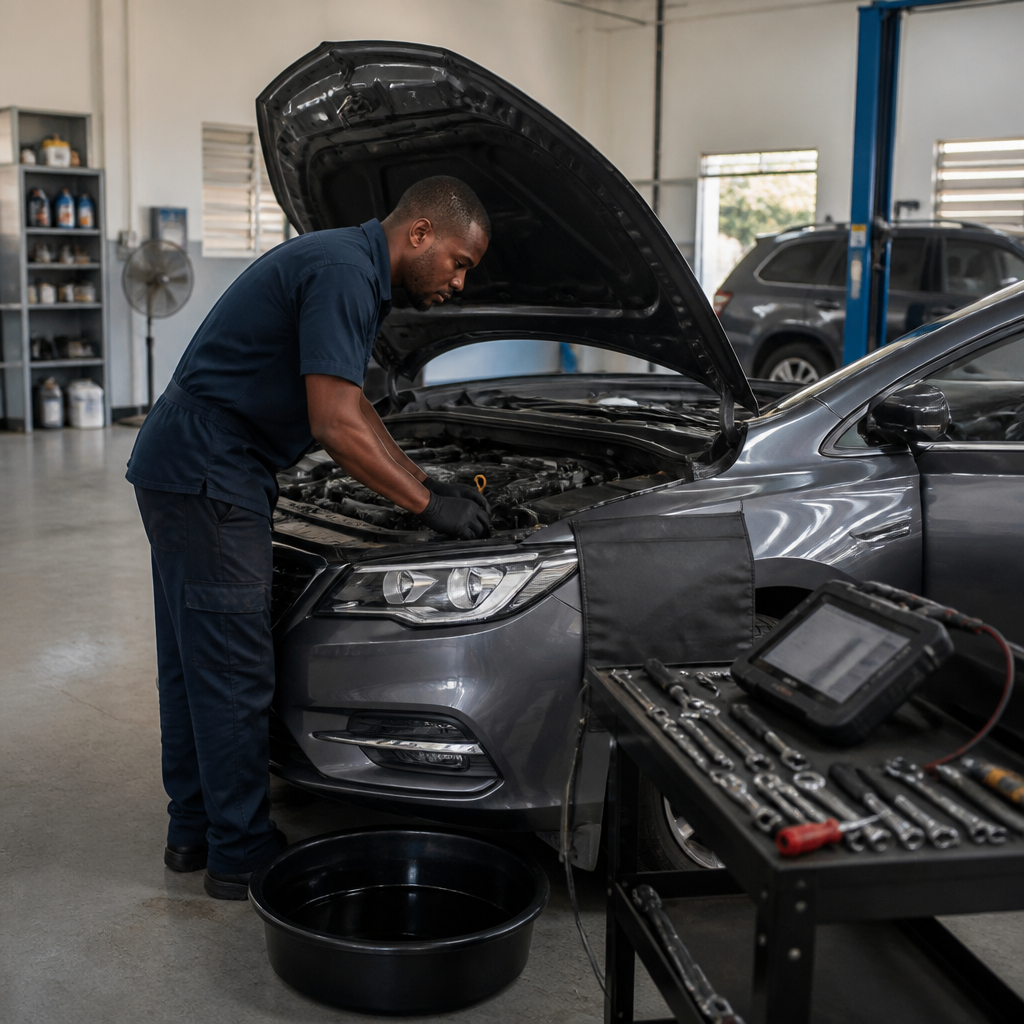
Knowing the right car service Nigeria schedule can protect your engine, reduce breakdowns and make daily driving safer. For many drivers, the correct interval is not simply once a year. It depends on the vehicle, engine type, mileage, age, road conditions, traffic, weather and the quality of parts and fluids used.
A modern car may have a service reminder, while an older vehicle may depend on a paper record or the owner’s memory. In both cases, servicing should be treated as planned maintenance rather than something you do only after a warning light appears. A car can continue moving while its oil, filters, brakes, cooling system or suspension are already deteriorating.
This guide explains how often to service a car in Nigeria, what should happen during each type of service, and how local driving conditions can shorten normal intervals. It also covers warning signs, service records, used-car checks and practical questions to ask a mechanic before approving work.
Before choosing an interval, find the manufacturer’s maintenance schedule for your exact model, engine and production year. The schedule in the owner’s manual is the starting point because different engines use different oils, filters, spark plugs, belts and inspection periods. If you do not have the manual, a reputable dealer, brand specialist or qualified technician may help identify the correct schedule from the vehicle identification number and engine details.
When buying a used vehicle, overheating is especially important to investigate. Repeated high temperatures can damage head gaskets, cylinder heads and other engine components. Our guide on checking an overheating used car in Nigeria explains what buyers should inspect before committing to a vehicle.
How often should you service a car in Nigeria?
As a general guide, many passenger cars need routine servicing at a mileage or time interval set by the manufacturer. Common schedules may be around every 5,000 to 15,000 kilometres, or every six to twelve months, depending on the model and service plan. These figures are not universal rules. Always use the shorter interval when the owner’s manual, dashboard reminder or technician recommends it.
If you drive only a few kilometres, time still matters. Engine oil absorbs moisture and can become contaminated even when the vehicle is not covering much distance. Rubber components also age, batteries lose charge, tyres develop problems and fluids can deteriorate while a car is parked.
Many vehicles operate under what manufacturers call severe or difficult conditions. Nigerian driving can meet several of those conditions at once. Examples include heavy traffic, frequent short journeys, dusty roads, high temperatures, rough surfaces, deep puddles, long periods of idling and repeated stop-and-go driving.
Under those conditions, a sensible owner may service more frequently than the maximum interval shown for ideal driving. For example, a vehicle used every day in congested urban traffic may need closer monitoring than the same model used mainly for long highway journeys. Ask the technician to consider how you actually use the car, not just the number on the dashboard.
A practical approach is to check the car monthly and book a proper service at the earlier of the recommended mileage or time limit. If the vehicle has no reliable history, begin with a baseline service. That usually involves checking the fluids, filters, belts, battery, tyres, brakes, suspension, cooling system and diagnostic information.
Why Nigerian driving conditions matter
Traffic changes the workload on a car. In a slow queue, the engine may run for a long time while the vehicle covers very little distance. The cooling fan, air-conditioning system, battery and transmission continue working, even though the odometer barely increases.
Dust creates another challenge. A dirty air filter restricts airflow and may affect fuel economy and engine response. Dust can also enter the passenger compartment, settle around electrical connectors and combine with moisture to create corrosion. Cars used on unpaved roads often need air-filter inspections more often than the standard schedule.
Heat places extra demand on the cooling system, battery, engine oil and air-conditioning system. This does not mean every hot day will damage a vehicle. It means small faults can become serious faster when the radiator is blocked, coolant is low, a fan is weak or the thermostat is not operating correctly.
Floodwater and standing water create separate risks. Water can contaminate engine oil, transmission fluid and wheel bearings. It can also affect sensors, wiring, brake components and carpets. If a car has driven through unusually deep water, arrange an inspection instead of waiting for a normal service date.
What is included in a routine car service?
A proper service is more than changing engine oil. The exact work depends on the service level and vehicle, but the technician should inspect the systems that affect reliability, safety and emissions. You should receive a clear explanation of what was checked, what was replaced and what needs attention later.
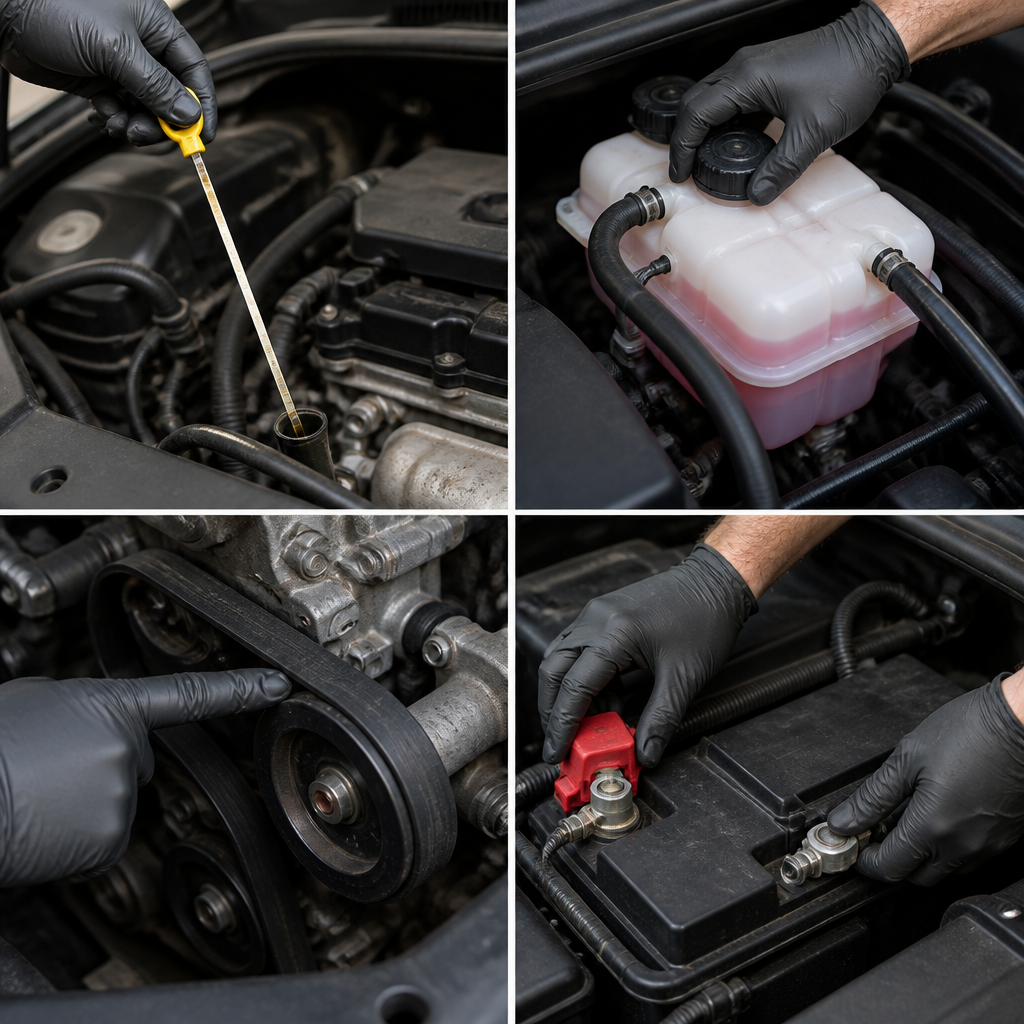
At minimum, routine maintenance commonly includes an oil and filter check or replacement, inspection of fluid levels, tyre condition, lights, battery, belts, hoses and visible leaks. The technician should also look at the brakes and suspension rather than assuming they are fine because the car still drives.
Engine oil and oil filter
Engine oil reduces friction, carries heat away and helps keep internal parts clean. Over time, it becomes contaminated and its protective properties reduce. Using the wrong grade can also affect lubrication, fuel use and engine performance.
Do not select oil only because it is expensive or because another vehicle uses it. The correct viscosity and specification should come from the owner’s manual or a trusted technical source. A mechanic should check for leaks and confirm that the filter seal is fitted correctly after replacement.
Check the oil level on level ground, preferably when the engine has been switched off for the period recommended by the manufacturer. A very low level may indicate a leak or oil consumption problem. A level that rises unexpectedly may indicate fuel or coolant contamination, which needs urgent diagnosis.
Filters
The engine air filter protects the engine from dust. A clogged filter can restrict airflow, while a damaged filter can allow abrasive particles into the intake system. Inspection frequency should increase when the vehicle regularly travels on dusty roads.
The cabin filter helps reduce dust entering through the air-conditioning system. If airflow becomes weak, the cabin smells musty or the windows mist more easily, the filter may need attention. Some older vehicles do not have a replaceable cabin filter, so the technician should confirm the design.
The fuel filter protects the fuel system from dirt and water. Its replacement interval varies widely. Diesel vehicles and cars exposed to questionable fuel quality may require closer attention, but replacement should follow the vehicle’s specification rather than guesswork.
Fluids, belts and hoses
During servicing, check the coolant, brake fluid, transmission fluid, power-steering fluid where fitted, windscreen-washer fluid and, on some vehicles, differential or transfer-case oil. Never open a hot cooling system. Hot coolant can cause serious burns.
Coolant is not the same as ordinary water. Emergency water may help in a genuine roadside situation, but repeated use can encourage corrosion, scaling or freezing-related protection problems in some systems. Use the coolant type and mixture recommended for the vehicle, and do not mix incompatible products without confirmation.
Belts and hoses deserve close inspection. Cracks, swelling, fraying, oil contamination or loose tension can lead to failure. A broken timing belt can cause severe engine damage on some engines, while a failed auxiliary belt may stop the alternator, air-conditioning compressor or water pump. The replacement interval must come from the specific engine schedule.
Brakes, tyres and suspension
Brake pads, discs, drums, shoes, hoses and fluid should be inspected regularly. A squeal, grinding sound, vibration, pulling, soft pedal or longer stopping distance should not wait for the next service. Brake wear may not be even on both sides, so visual inspection through the wheel is not always enough.
Check tyre pressure when the tyres are cold and use the pressure listed by the manufacturer. Inspect tread, sidewalls, valve stems and the spare tyre. Uneven wear can point to incorrect alignment, worn suspension parts, underinflation or overinflation.
Suspension components affect handling and tyre life. A car that bounces excessively, knocks over bumps, leans in corners or feels unstable may need more than a simple alignment. A technician should inspect shock absorbers, bushes, ball joints, tie rods and wheel bearings as appropriate.
Different types of car servicing
Workshops use terms such as minor service, major service, interim service and full service differently. Do not approve a package based on its name alone. Ask for a written list of the inspections and replacements included.
Minor or routine service
A minor service often focuses on engine oil, the oil filter and basic safety checks. Depending on the vehicle, it may also include inspection of the air filter, belts, fluids, tyres, brakes, lights and battery. This type of visit is useful between larger scheduled maintenance appointments.
Even a simple oil change should be done carefully. The technician should check for leaks, use the correct quantity, confirm the oil level after running the engine and reset the service reminder only after completing the work. Keep the old parts or request to see them if you want to verify what changed.
Major or full service
A major service includes broader inspections and scheduled replacements. It may involve spark plugs, fuel filters, air filters, cabin filters, transmission fluid, brake fluid, coolant, drive belts or other items. Not every major service includes all of these parts, so the vehicle’s maintenance schedule remains important.
Major service intervals can differ significantly between petrol, diesel, hybrid and electric vehicles. A diesel car may need particular attention to fuel filtration, emissions equipment and diesel-specific warning signs. A hybrid or electric car still needs tyres, brakes, suspension, cooling systems and electrical checks, even though it may not use conventional engine oil in the same way.
Inspection after purchase or an unknown service history
If you have just purchased a used car, do not assume that a clean interior or smooth test drive proves good maintenance. Start by checking the engine oil, coolant condition, brake fluid, battery, tyres, belts, filters, leaks and diagnostic fault codes. Replace overdue items after confirming their condition.
Mileage records can help you estimate when maintenance is due, but a dashboard number is not proof by itself. Look for service invoices, workshop stamps, parts receipts and consistent inspection notes. If the mileage appears inconsistent, our guide to checking tampered mileage before buying a used car can help you understand what to examine.
Signs your car needs servicing before the due date
A service reminder is useful, but it is not the only signal. Book an inspection early if the engine sounds different, fuel consumption changes sharply, the car struggles to start or the temperature gauge rises above its normal position.
- Warning lights: An oil-pressure, temperature, battery or brake warning light needs prompt attention. Do not keep driving simply because the car still moves.
- Overheating: Steam, a rising temperature gauge, a coolant smell or repeated coolant loss can indicate a cooling-system problem.
- Unusual noises: Knocking, grinding, squealing, whining or clicking may come from the engine, brakes, belts, bearings or suspension.
- Fluid leaks: Dark oil, red or brown transmission fluid, coloured coolant or clear brake fluid on the ground should be investigated.
- Changed handling: Pulling to one side, vibration, a soft brake pedal or excessive bouncing can affect safety.
- Starting and charging problems: Slow cranking, dim lights or repeated jump-starts may indicate a weak battery, alternator or electrical fault.
- Smoke or unusual smells: Blue, white or heavy black smoke, burning smells and fuel odours deserve professional diagnosis.
Some warning signs require stopping immediately. If the oil-pressure light stays on, the temperature enters the danger zone, the brake pedal drops or smoke comes from the engine bay, move to a safe location and seek assistance. Continuing can turn a repairable fault into major damage.
How to create a practical maintenance schedule
Start with the manufacturer’s schedule, then adjust it for your real driving pattern. Record the date, mileage, work completed, parts used and the next recommended inspection. A simple notebook, spreadsheet or phone reminder is enough.
- Check the manual: Identify the recommended intervals for oil, filters, spark plugs, belts, fluids and inspections.
- Record the current mileage: Note when the last confirmed service took place. If the history is uncertain, treat overdue items cautiously.
- Describe your usage: Tell the technician about traffic, short trips, dusty roads, towing, long journeys and flood exposure.
- Separate urgent repairs from future work: Safety problems come first. Cosmetic issues can wait if they do not affect operation.
- Set reminders: Use both mileage and calendar reminders. The first one reached should trigger an appointment.
- Keep evidence: Save invoices, receipts, diagnostic reports and photographs of replaced parts.
A driver who covers 1,000 kilometres monthly in city traffic may reach a mileage interval sooner than a driver who uses a car occasionally. However, the occasional driver should not ignore time-based maintenance. Batteries, fluids, tyres and rubber parts can age without much mileage.
For a family car, check fluids, tyre condition and warning lights before long journeys. For a taxi, ride-hailing vehicle or delivery car, daily usage is heavier, so inspections should be more frequent. Commercial use also increases brake, suspension, clutch and air-conditioning wear.
After servicing, check that the dashboard has no unexplained warning lights. Confirm the oil level, look for leaks and ensure the vehicle does not make a new noise. Keep the invoice because it provides a maintenance trail and helps the next technician understand the car.
Choosing a mechanic or workshop in Nigeria
A good workshop should explain the diagnosis before replacing parts. Ask what failed, how the technician tested it and whether the recommended repair is urgent. Be cautious when a mechanic recommends many expensive parts without showing symptoms, measurements or inspection findings.
Use a workshop with tools suitable for your vehicle. Some faults require a scan tool, battery tester, cooling-system pressure test, compression test or electrical test. A visual guess may miss intermittent or computer-controlled problems.
Ask whether replacement parts are genuine, original-equipment equivalent or aftermarket. These descriptions are not interchangeable. A cheaper part may be suitable in one application and unreliable in another. Confirm the part specification and keep packaging or receipts where possible.
Do not allow a technician to mix fluids or install parts based only on appearance. Two oils, coolants, batteries or filters may look similar but have different specifications. The correct part number and fluid standard matter more than a familiar brand name.
Agree on the scope before work begins. A useful estimate should identify labour, parts, diagnostic charges and any additional work that requires approval. If the workshop discovers another fault, ask for an explanation before authorising the extra cost.
Service records, vehicle documents and ownership
Maintenance records are not the same as registration, insurance or proof-of-ownership documents. However, all of them help you manage a vehicle responsibly. Keep service invoices separately from official vehicle papers, and store digital copies somewhere secure.
If you are buying a used car, verify its documents independently and inspect its mechanical condition separately. A vehicle can have valid papers and still need major repairs. Conversely, a well-maintained car can still create problems if its ownership or licensing records are incomplete.
For a broader check on paperwork, read our guide to checking vehicle document validity before driving. It explains why owners should not rely on a verbal assurance that documents are current.
Keep the vehicle identification number, registration details, insurance information and emergency contacts available. When a workshop records the VIN and mileage on an invoice, it becomes easier to track the vehicle’s history and avoid confusion between similar cars.
If a car changes ownership, pass the maintenance records to the next owner. A clear history can support the vehicle’s resale value and prevent duplicate work. It also gives the new owner a more realistic starting point for future servicing.
What should you check between services?
Monthly checks can identify small problems before they become expensive. Perform them when the car is parked safely and the engine is cool where appropriate.
- Check the engine oil level according to the manual.
- Inspect the coolant level without opening a hot radiator or expansion tank.
- Look for fresh fluid underneath the vehicle.
- Check tyre pressure, tread and sidewalls, including the spare.
- Test headlights, brake lights, indicators and hazard lights.
- Listen for new sounds during starting, braking and turning.
- Check the windscreen washer level and wiper condition.
- Look for battery corrosion, loose terminals or signs of leakage.
- Confirm that the brake pedal feels normal and the handbrake holds the car.
Do not crawl under a vehicle supported only by a jack. If you need to inspect underneath, use proper stands or leave the task to a workshop. Also avoid touching belts, fans and hot components while the engine is running.
Common servicing mistakes to avoid
Waiting for a breakdown
Preventive maintenance is usually easier to plan than emergency repair. A breakdown can also leave you in traffic, far from a trusted workshop or in unsafe conditions. Service the vehicle before a known interval expires, especially before a long trip.
Changing oil but ignoring everything else
Fresh oil does not repair worn brake pads, a weak battery, a blocked radiator or damaged tyres. Oil changes are important, but they should happen alongside appropriate safety and condition checks.
Using additives as a substitute for diagnosis
Some products claim to clean, seal or restore engine components. They may have a legitimate use in specific situations, but they should not replace proper testing. A coolant leak, low oil pressure or misfire needs diagnosis before an additive is considered.
Resetting warning lights without fixing the fault
Clearing a fault code may remove the light temporarily while the problem remains. Ask the technician to explain the code, test the related system and confirm whether the repair solved the cause.
Ignoring a road-test problem
After a service, the car should feel normal. If it pulls, vibrates, brakes differently or loses power, return to the workshop promptly. A post-service road test can reveal issues that are not obvious while the vehicle is stationary.
Before purchasing a used vehicle, a structured road test is also useful. Our guide on testing a used car before you pay covers the checks buyers can perform during a test drive without treating a short drive as a substitute for a professional inspection.
Preparing your car for Nigerian roads and long trips
Before travelling between cities, inspect the tyres, spare wheel, jack, wheel brace, lights, wipers, coolant, oil and battery. Confirm that the brakes feel normal and that the air-conditioning works if the journey will involve extended heat exposure.
Carry basic emergency items suited to your situation. These may include a warning triangle, torch, phone charger, drinking water, first-aid supplies and a correctly inflated spare tyre. A reflective vest can also improve visibility when dealing with a roadside problem, where appropriate.
Do not overload the vehicle. Excess weight increases strain on tyres, brakes, suspension and the engine. Secure luggage so it cannot interfere with the driver or become dangerous during sudden braking.
If the route includes rough roads or water crossings, slow down and avoid entering water when you cannot judge its depth. After a difficult journey, inspect the underside, brakes and fluids. Any new vibration, noise or warning light should receive attention before the next trip.
How much does servicing cost?
There is no single reliable price for car servicing across Nigeria. The final amount depends on the make, model, engine, oil specification, parts quality, workshop location, labour, diagnostic work and repairs discovered during inspection. A small petrol hatchback and a large diesel SUV will not have the same service needs.
Ask for an itemised estimate rather than accepting a vague package price. The estimate should distinguish routine service from additional repairs. It should also state whether the quoted oil quantity, filters, labour, inspection and diagnostic scan are included.
A low quote may exclude important checks or use unsuitable parts. A high quote may include work that is not yet necessary. Compare the explanation, specifications and warranty terms, not just the total figure.
Budget for scheduled maintenance instead of treating every service as an unexpected expense. Setting aside money monthly can make major items such as tyres, brake work, battery replacement or timing-belt maintenance easier to manage.
Frequently asked questions about car service Nigeria
Can I service my car once a year?
Sometimes, but not always. Annual servicing may suit a low-mileage vehicle if the manufacturer’s schedule permits it. If the car reaches its mileage limit earlier, operates in heavy traffic or has severe-use conditions, service it sooner.
Is a service needed if the car feels fine?
Yes. Some wear develops without obvious symptoms. Oil degradation, brake-pad wear, tyre damage, battery weakness and coolant problems may remain hidden until they become serious.
Should an old car be serviced more often?
Often, an older vehicle benefits from closer monitoring because seals, hoses, sensors, suspension parts and cooling components may be worn. However, the correct interval depends on its condition and maintenance history. A professional inspection can identify what needs attention.
Does city driving require more frequent service?
It can. Frequent idling, short trips, congestion, repeated braking and poor road surfaces increase stress on several systems. Discuss your typical route with the technician and consider the severe-use guidance in the owner’s manual.
Can I use any engine oil?
No. Use the viscosity and specification approved for the engine. The wrong product may reduce protection or create compatibility problems. If you are unsure, check the manual or ask a qualified technician to confirm the requirement.
What if I missed a service?
Book an inspection as soon as practical. Tell the workshop how far the vehicle has travelled since the last confirmed service. The technician can prioritise safety checks and identify time-sensitive maintenance that may now be overdue.
Should I service a car before selling it?
A basic inspection and honest correction of safety faults can make the sale easier. Keep the invoice and disclose known issues. Avoid hiding warning lights or resetting service information without addressing the underlying problem.
Is dashboard mileage enough to decide service timing?
No. Use mileage together with time, driving conditions and maintenance records. A car that has barely moved for a year may still need fluid, battery, tyre and inspection attention.
Final maintenance checklist
The best maintenance plan is one you can follow consistently. Use the manufacturer’s schedule as your foundation, then adjust for traffic, dust, heat, road quality, short journeys and commercial use. Record every visit and ask questions when a recommendation is unclear.
- Find the correct schedule for your exact vehicle.
- Service by the earlier of the mileage or time interval.
- Use the correct oil, coolant, filters and replacement parts.
- Inspect brakes, tyres, lights, battery, belts, hoses and suspension.
- Respond quickly to warning lights, leaks, overheating and unusual noises.
- Increase inspections when driving in traffic, dust, heat or rough conditions.
- Keep detailed service records with dates, mileage and invoices.
- Separate urgent safety repairs from optional or cosmetic work.
- Arrange a baseline inspection when service history is uncertain.
- Check the vehicle before long journeys and after difficult road conditions.
In short, car service Nigeria planning should be based on the vehicle’s official schedule and the conditions in which you drive. A regular service can cost less than an avoidable breakdown, but its greatest benefit is confidence: you know the car has been checked before a small defect becomes a safety risk.
3 thoughts on “Car Service Nigeria: How Often Should You Service a Car?”