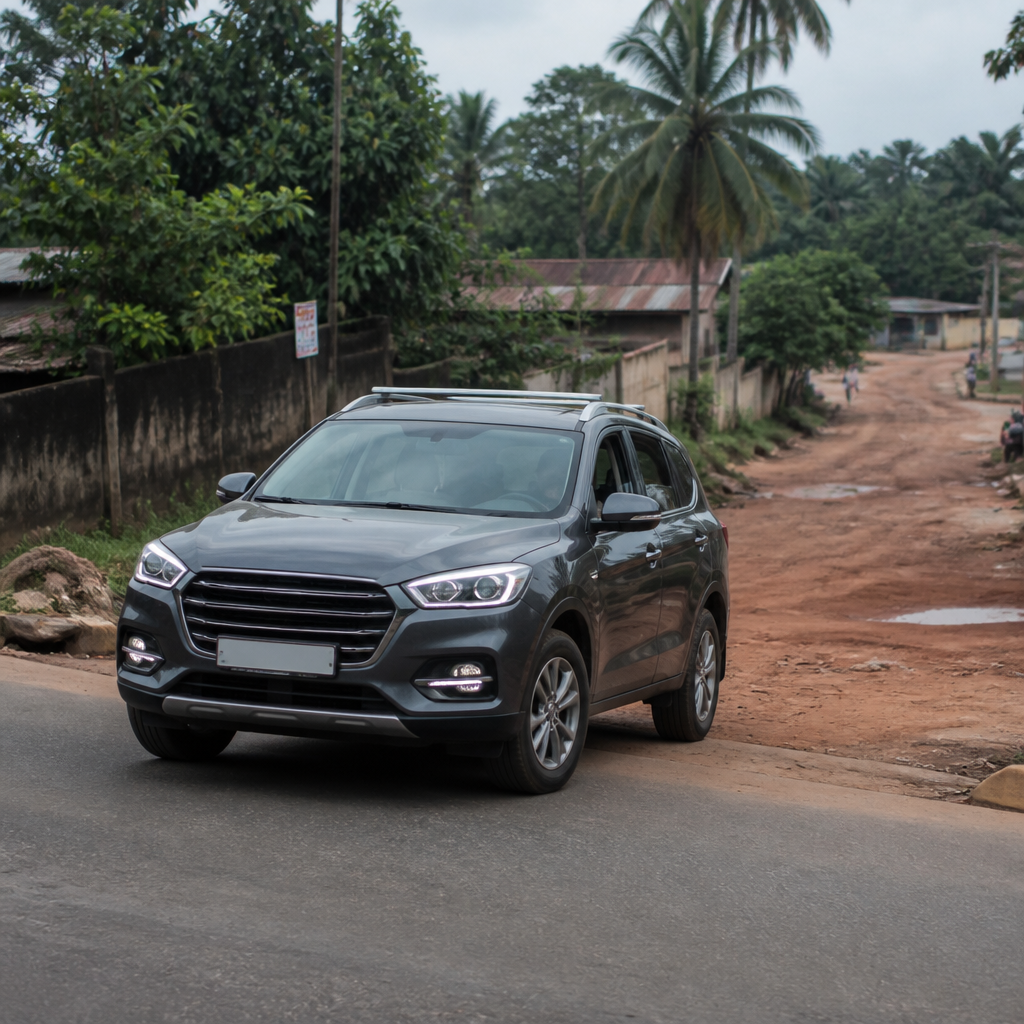
Choosing the best SUVs for Nigerian roads requires more than comparing body size, luxury features or engine power. The right SUV should handle potholes, uneven surfaces, flooding risks, traffic, long-distance travel and the realities of local maintenance without becoming too expensive to own. This guide explains what to look for and compares practical SUV types for city driving, inter-state trips and genuinely rough terrain.
Nigeria has many different driving environments. A vehicle that feels excellent on smooth roads in parts of Lagos or Abuja may struggle on a badly damaged rural route. Likewise, an SUV designed for serious off-road work can be unnecessarily costly and uncomfortable for someone who mainly drives through traffic and occasionally visits a village or construction site.
Therefore, the best choice depends on your route, budget, passengers, access to mechanics and tolerance for fuel and repair costs. Before looking at specific models, it helps to understand the features that matter most. If you are buying your first vehicle, you can also review this first-time owner’s guide to buying used cars in Nigeria: first-time used-car buying guide.
What makes an SUV suitable for Nigerian roads?

An SUV does not automatically become a good rough-road vehicle because it has a tall body or four doors. Road suitability comes from the combination of suspension strength, ground clearance, tyre choice, drivetrain, body protection and the availability of replacement parts. A large vehicle with weak suspension can perform worse than a smaller, well-maintained SUV.
Ground clearance
Ground clearance is the space between the lowest part of the vehicle and the road surface. More clearance can help the vehicle pass over deep potholes, ridges, stones and uneven shoulders. However, clearance alone is not enough. The lowest point may still be an exhaust component, suspension arm, differential or plastic underbody panel.
When inspecting an SUV, look underneath it. Scrapes, dents, oil leaks and fresh undercoating can reveal previous contact with rocks or badly damaged roads. Also check whether the vehicle sits evenly. A sagging rear end may indicate worn springs or a vehicle that has regularly carried heavy loads.
Suspension and wheel travel
A durable suspension system absorbs impacts and keeps the tyres in contact with the surface. Strong shock absorbers, properly functioning springs and good bushings matter more than a firm or sporty ride. On rough roads, a suspension that is too stiff can transfer sharp impacts into the cabin and increase stress on other components.
During a test drive, listen for repeated knocking over bumps. A single sound may not identify the problem, but clunks, rattles, steering looseness or excessive bouncing deserve inspection. For more information, see this guide on signs your car needs wheel alignment: wheel alignment warning signs.
Tyres and wheel size
Tyres are the vehicle’s only contact with the road. Their condition can affect braking, cornering, comfort and resistance to pothole damage. For Nigerian roads, a sensible sidewall is often more useful than an oversized alloy wheel with a low-profile tyre.
A taller sidewall provides more cushioning between the rim and the road. It can reduce the chance of rim damage when a driver meets a pothole unexpectedly. This does not mean you should use any tyre that fits. The replacement must match the manufacturer’s approved size, load rating and speed rating.
Inspect the spare tyre as carefully as the four tyres on the vehicle. A spare that is flat, badly cracked or a different size may not help during a long journey. Check the jack, wheel brace and towing equipment too. These small details become important when a tyre fails far from a workshop.
Two-wheel drive or four-wheel drive?
Many SUVs sold today use two-wheel drive, usually with power sent to the front or rear wheels. This is enough for normal city roads, motorways and occasional unpaved routes when the tyres and driver are suitable. Four-wheel drive or all-wheel drive can improve traction on mud, loose sand and slippery slopes, but it also adds weight, complexity and maintenance needs.
Four-wheel drive cannot create grip where there is no suitable tyre contact. A heavy SUV with worn tyres may still get stuck. It can also encourage drivers to enter terrain that the vehicle, recovery equipment or driver cannot safely handle.
Best SUVs for Nigerian roads by driving situation
There is no single winner for every Nigerian driver. The most useful approach is to match the SUV to the job. The following categories cover common ownership needs and explain the compromises involved.
For everyday city driving: compact and mid-size crossovers
Drivers who spend most of their time in Lagos, Abuja, Ibadan, Port Harcourt, Benin City or another busy urban area may benefit from a compact or mid-size crossover. These vehicles usually offer a higher seating position than a sedan, reasonable clearance and easier manoeuvrability than a large body-on-frame SUV.
A crossover can be a sensible choice for commuting, school runs, shopping and weekend travel. It often uses less fuel than a heavy 4×4, and its independent suspension may provide a more comfortable ride on patched city roads. Models in this class may include compact SUVs from Toyota, Honda, Hyundai, Kia, Nissan, Mazda and similar manufacturers, depending on availability and condition.
The main warning is that not every crossover is designed for deep mud, steep tracks or repeated heavy loads. Some have limited underbody protection and modest approach angles. Treat them as practical road vehicles rather than dedicated off-road machines.
For mixed city and inter-state travel: dependable mid-size SUVs
A dependable mid-size SUV is often the best compromise for families and business owners. It can carry passengers and luggage, cope with broken sections of highway and remain manageable in traffic. Toyota RAV4, Honda CR-V, Hyundai Santa Fe, Kia Sorento, Nissan X-Trail and similar vehicles are examples of the type, not automatic recommendations.
Condition matters more than the badge. A carefully maintained older SUV can be a better purchase than a newer vehicle with flood damage, neglected servicing or a questionable history. Before payment, inspect the engine, transmission, cooling system, suspension, electrical equipment and body structure.
Pay special attention to cooling performance. Long traffic delays, hot weather, dusty roads and heavy loads can expose weaknesses in the radiator, cooling fans, hoses and air-conditioning system. This detailed guide on checking a used car for overheating can help you identify warning signs before buying: used car overheating checks.
For serious rough terrain: body-on-frame 4×4 SUVs
Drivers who regularly travel on badly washed-out roads, farm routes, mining areas, construction sites or remote communities may need a body-on-frame 4×4. These vehicles commonly use a separate chassis, stronger underbody components and a drivetrain designed for demanding conditions.
Examples of the category include Toyota Land Cruiser, Toyota Prado, Toyota Hilux-based SUV variants, Mitsubishi Pajero, Nissan Patrol, Suzuki Jimny and comparable four-wheel-drive vehicles. Availability, age, engine type and previous use vary widely. A model name should never replace a proper inspection.
A serious 4×4 can offer excellent traction and durability, but ownership costs may be higher. Fuel consumption, tyre prices, suspension repairs, drivetrain servicing and replacement body parts can all cost more. Some older examples may also have been heavily used by previous owners, imported after difficult service or modified poorly.
For rural work and difficult access roads
People who work on farms, construction projects, telecommunications sites or rural supply routes should consider practical strength over luxury. A vehicle with useful approach and departure angles, a durable suspension, simple controls and readily available parts may be more valuable than one with a panoramic roof or complex electronic features.
Manual transmissions can provide useful control in some situations, while automatic transmissions may be easier in traffic and less tiring on long journeys. Neither option is universally better. The important issue is whether the transmission has been maintained and whether local technicians can diagnose it correctly.
If the vehicle will carry tools or materials, confirm its load capacity. Overloading increases braking distance, strains tyres and suspension, and can cause premature failure. Keep heavy items low and secure them so they cannot move during sudden braking.
Important SUV features to compare before buying
Approach, breakover and departure angles
The approach angle describes how steep an obstacle can be before the front bumper touches it. The departure angle applies to the rear. Breakover angle affects whether the middle of the vehicle hits when crossing a ridge or mound.
These measurements are especially important on steep driveways, eroded tracks and drainage crossings. A long SUV may have good clearance but still scrape because of its wheelbase. Inspect the actual vehicle rather than relying only on advertised specifications, especially if it has a different bumper, running board or suspension setup.
Engine and transmission suitability
Engine size should be considered alongside vehicle weight, load and driving conditions. A small engine may use less fuel when lightly loaded, but it can work harder when carrying passengers through traffic or climbing hills. A larger engine may feel relaxed under load but cost more to fuel and maintain.
Diesel engines can provide strong low-speed torque and may suit heavy work. Petrol engines are often quieter and may be easier to service in some markets. The right choice depends on the vehicle’s design, service history, fuel quality, parts access and your typical journey.
Test the transmission when the engine is cold and again after the vehicle reaches normal operating temperature. Delayed engagement, slipping, harsh shifts, warning lights or unusual noises require professional diagnosis. A seller who insists that a serious transmission symptom is normal should not be your only source of advice.
Brakes and stability systems
Good brakes matter more than acceleration on crowded roads and steep descents. Check whether the pedal feels firm, whether the vehicle pulls to one side and whether braking creates vibration. Uneven tyre wear can also indicate alignment, suspension or braking problems.
Electronic systems such as anti-lock braking, traction control and stability control can assist the driver. They do not replace safe speed, proper tyres or sensible route choices. Warning lights should be investigated before purchase, not ignored because the vehicle still moves.
Cabin practicality and visibility
A high driving position may improve visibility, but large pillars, dark window tint or a high bonnet can create blind spots. Check the mirrors, rear camera and sensors. These aids are useful, yet the driver should still understand the vehicle’s dimensions.
Look at seating comfort, rear legroom, luggage space and access to the third row if the SUV has one. A third-row seat may be useful for occasional passengers, but it can reduce luggage capacity. Confirm that the seats fold properly and that the boot remains practical for your normal needs.
How to inspect an SUV before you pay
A good inspection reduces the risk of buying a vehicle that looks attractive but needs expensive repairs. Arrange the inspection in daylight, preferably when the engine is cold. Do not allow the seller to warm the vehicle before you arrive without explaining why.
- Confirm the identity. Compare the VIN on the vehicle with the ownership and import documents. Check that the plate, chassis markings and paperwork do not show suspicious inconsistencies.
- Inspect the body. Look for mismatched paint, uneven panel gaps, ripples, overspray and signs of structural repair. Accident repairs are not always disqualifying, but major damage should be disclosed and professionally assessed.
- Check for flood damage. Inspect under the carpets, inside storage areas, beneath seats and around wiring connectors. Mud, unusual corrosion, water lines, damp odour or inconsistent electrical faults deserve attention.
- Examine the engine bay. Look for oil leaks, coolant stains, damaged wiring, excessive dirt, fresh cleaning and signs of overheating. A clean engine is not automatically a healthy engine.
- Start the engine cold. Observe starting time, exhaust smoke, idle quality and warning lights. Listen for knocking, rattling or belt noise.
- Test the transmission. Select each gear smoothly and check for hesitation, slipping or harsh engagement. Test reverse as well as forward gears.
- Drive over different surfaces. Use a quiet route to test steering, braking, acceleration, suspension and parking manoeuvres. Do not abuse the vehicle during the test.
- Inspect the underside. Check the chassis, oil pan, exhaust, driveshafts, differentials and suspension for impact damage, leaks or excessive rust.
- Scan the vehicle. A diagnostic scan can reveal stored fault codes, but it should support a physical inspection rather than replace one.
- Use an independent mechanic. Choose a technician who is not financially connected to the seller. A specialist inspection can cost money, but it may prevent a much larger loss.
Do not skip document checks. You should verify ownership, customs evidence where applicable, vehicle history and any outstanding issue before completing payment. This guide explains how to inspect a tokunbo car before paying a dealer: tokunbo car inspection checklist.
Common mistakes Nigerian SUV buyers should avoid
Buying only because the SUV looks big
Size can create confidence, but it also affects fuel use, tyres, parking and repair bills. A large SUV that spends most of its life in traffic may be an unnecessary burden. Choose capacity based on passengers, luggage and roads rather than appearance.
Ignoring the previous owner’s use
An SUV used for family commuting may be in very different condition from one used on construction sites, rough tracks or commercial transport routes. Ask how the vehicle was used, but verify the answer through wear patterns, service records and an inspection.
Fitting cheap or unsuitable tyres
Low-quality tyres can reduce wet-road grip and increase puncture risk. Oversized tyres may rub the wheel arches, affect steering and change the accuracy of the speedometer. Use the correct size and buy from a reliable source.
Installing poor modifications
Lift kits, oversized wheels, roof loads, bull bars, auxiliary lights and electrical accessories can be useful when installed correctly. Poor modifications can damage suspension geometry, overload wiring, reduce braking performance or create new clearance problems.
Failing to budget for maintenance
The purchase price is only one part of SUV ownership. Budget for fluids, filters, tyres, brake components, suspension parts, insurance, documentation, fuel and unexpected repairs. Regular servicing helps identify problems before they become breakdowns. Use this practical guide on how often to service a car in Nigeria when creating a maintenance schedule.
Maintenance habits that protect an SUV on rough roads
Rough roads punish vehicles gradually. A driver may not notice the damage after one trip, but repeated impacts can loosen suspension components, damage tyres and disturb wheel alignment. Routine checks are therefore essential.
- Check tyre pressure regularly. Use the manufacturer’s recommended pressure, not a random setting based on the vehicle’s size. Check when the tyres are cold.
- Inspect the sidewalls. Bulges, deep cuts and exposed cords require immediate attention. Do not continue driving on a damaged tyre.
- Rotate tyres when appropriate. Follow the vehicle maker’s guidance and inspect for uneven wear.
- Check the suspension. Look for leaking shock absorbers, cracked bushes, broken springs and loose components.
- Keep fluids at correct levels. Engine oil, coolant, brake fluid, transmission fluid and power-steering fluid should be checked according to the vehicle’s instructions.
- Clean the underside. Mud and sand can hide leaks and accelerate corrosion. Cleaning also makes future inspections easier.
- Protect the cooling system. Keep the radiator and condenser free from heavy dirt, but avoid damaging delicate fins with excessive water pressure.
- Check the battery and terminals. Heat, dust and vibration can affect battery performance and electrical connections.
- Service after demanding trips. After extended rough-road use, inspect the tyres, wheels, suspension, underbody and fluid leaks.
Alignment deserves particular attention after a serious pothole impact. Warning signs include a steering wheel that sits off-centre, uneven tyre wear, pulling to one side or a vehicle that feels unstable. If the SUV shakes during braking, do not treat the symptom as a normal rough-road problem. The braking system should be inspected promptly.
How much SUV capability do you really need?
Start by listing your regular routes. Separate them into three groups: paved urban roads, mixed highways and unpaved routes, and genuinely difficult terrain. Then estimate how often you carry passengers, luggage or heavy equipment.
If nearly all your driving is urban, a compact crossover may provide the best balance. If you travel frequently between cities and encounter damaged road sections, a reliable mid-size SUV may make more sense. If your route includes mud, steep inclines, deep sand or remote areas, consider a properly maintained 4×4 with suitable tyres and recovery equipment.
Be honest about the availability of help. A sophisticated premium SUV may offer impressive comfort, but diagnosis and parts can be difficult outside major cities. A simpler model with a strong local repair network may keep you mobile more consistently.
Also consider who will drive the vehicle. A heavy SUV with a large turning circle can be tiring for a new driver. A smaller model may be safer and easier to control in crowded streets, even if it has less off-road ability.
Useful equipment for long trips and rough routes
Good preparation does not mean carrying unnecessary items. Build a practical emergency kit around the distance and road conditions you face.
- A properly inflated spare tyre and working jack
- A wheel brace and basic hand tools
- A tyre inflator or reliable pressure gauge
- Jumper cables or a suitable jump starter
- A torch with spare batteries or a charged rechargeable light
- Reflective warning equipment
- Drinking water and a basic first-aid kit
- Gloves and suitable footwear for roadside work
- A recovery strap rated for the vehicle, used by someone who understands safe recovery
- Charging equipment for your phone and an alternative communication plan for remote trips
Do not use a recovery strap casually. Incorrect attachment points, poor positioning or a damaged strap can cause serious injury and vehicle damage. When a vehicle is deeply stuck, professional recovery is safer than repeated wheel spinning.
Should you buy new, tokunbo or Nigerian-used?
A new SUV gives you clearer ownership history and may include manufacturer support, but it can require a larger initial budget. A tokunbo vehicle may offer good value when it has been properly inspected and documented. A Nigerian-used SUV can also be a sound purchase if the owner maintained it well.
Each option has risks. Imported vehicles may have an unknown climate, accident or flood history. Local vehicles may have experienced neglected servicing, poor repairs or difficult operating conditions. The correct question is not simply where the SUV came from. Ask whether its actual condition matches its price and intended use.
Check the VIN and vehicle history where reliable records are available. Review service evidence, inspect wear against the claimed mileage and look for signs of repairs. Be cautious when a seller rushes you, refuses an independent inspection or presents incomplete documents.
Never pay a deposit based only on attractive photographs. Examine the exact vehicle you will receive. If the SUV is being shipped or cleared, confirm the transaction terms and documentation before sending money.
Best SUVs for Nigerian roads: a practical shortlist by type
The following shortlist focuses on vehicle categories and commonly known examples. It is not a guarantee that every example will be reliable. Age, maintenance, accident history, imported specification and replacement parts can change the ownership experience completely.
- Compact crossovers: Toyota RAV4, Honda CR-V, Mazda CX-5, Hyundai Tucson, Kia Sportage and Nissan X-Trail can suit drivers who want a manageable vehicle for city use and occasional rough roads.
- Family mid-size SUVs: Toyota Highlander, Honda Pilot, Hyundai Santa Fe, Kia Sorento and similar vehicles offer more cabin and luggage space, although their weight and fuel requirements may be higher.
- Durable 4×4 SUVs: Toyota Land Cruiser, Prado, Nissan Patrol, Mitsubishi Pajero and Suzuki Jimny are associated with stronger off-road ability, but condition and service history remain decisive.
- Practical work-oriented options: SUVs related to pickup platforms can suit demanding routes and heavy use. They may feel less car-like and can be more expensive to operate.
For most buyers, the best SUV is the one that can complete normal journeys without excessive fuel use, frequent breakdowns or difficult repairs. Do not buy a dedicated 4×4 for occasional potholes if a well-maintained crossover can handle your routes. Conversely, do not choose a soft-roading crossover for work that regularly involves mud, deep sand or steep unpaved tracks.
Questions to ask a seller
- How long have you owned the SUV?
- What was its main use?
- Has it been involved in an accident or flood?
- Which major parts have been replaced?
- When was the last service?
- Are there service receipts or inspection records?
- Does four-wheel drive engage correctly, if fitted?
- Are there warning lights on the dashboard?
- Is the VIN consistent across the vehicle and documents?
- Can I take the SUV to an independent mechanic?
Listen to the answers, but also inspect the vehicle. Honest sellers should generally be willing to explain the SUV’s history and allow reasonable checks. Pressure, vague responses and resistance to inspection are useful warning signs.
Frequently asked questions
What is the best SUV for pothole-filled roads?
There is no universal model. A dependable SUV with good ground clearance, strong suspension, suitable tyres and a clean maintenance history is usually more useful than a fashionable model with low-profile tyres. A mid-size crossover may suit normal potholes, while severe routes may justify a body-on-frame 4×4.
Is a four-wheel-drive SUV necessary in Nigeria?
No. Two-wheel-drive SUVs can handle many city roads, highways and graded unpaved routes. Four-wheel drive becomes more valuable when you regularly face mud, loose sand, steep slopes or remote roads. It also requires correct use and additional maintenance.
Are diesel SUVs better for rough terrain?
Diesel SUVs can provide useful low-speed torque and may work well under load. However, fuel quality, service history, injector condition and parts availability matter. A poorly maintained diesel can be more expensive than a healthy petrol SUV.
What tyre type is best for Nigerian roads?
Choose a quality tyre in the correct size and load rating. Highway-terrain tyres may suit mostly paved driving with occasional gravel. All-terrain tyres can offer a compromise for mixed roads. Mud-terrain tyres are intended for more specialised use and may create extra noise, cost and pavement wear.
Should I buy an SUV with very large wheels?
Large wheels can improve appearance and, in some designs, handling on smooth roads. However, they often reduce sidewall height and increase the risk of rim and tyre damage on potholes. For rough roads, a sensible wheel and tyre combination is usually more practical.
How can I reduce SUV fuel consumption?
Keep tyres correctly inflated, remove unnecessary weight, service the engine, avoid harsh acceleration and maintain a steady speed when conditions allow. Roof loads and poor wheel alignment can also increase fuel use. Never reduce tyre pressure below the recommended range simply to save fuel.
Can an SUV safely drive through floodwater?
An SUV’s height does not make floodwater safe. Water depth can change quickly, and hidden potholes or open drains may be present. Avoid driving through moving or unknown water. If a route is flooded, turning back is usually safer than relying on ground clearance.
Final buying checklist
Before choosing among the best SUVs for Nigerian roads, write down your real requirements. Consider your daily distance, road quality, passenger needs, load, fuel budget and access to service. Then compare vehicles using the same checklist rather than choosing based on emotion.
- Does the SUV have enough clearance for your regular roads?
- Are replacement parts reasonably available?
- Can trusted mechanics service the engine and transmission?
- Are the tyres correctly sized and in good condition?
- Does the suspension remain quiet and stable?
- Does the cooling system work correctly in traffic?
- Are the VIN and ownership documents consistent?
- Has an independent mechanic inspected the vehicle?
- Can you afford fuel, insurance, servicing and unexpected repairs?
- Does the SUV match your actual routes rather than an imagined lifestyle?
The best purchase is rarely the most expensive SUV or the one with the biggest engine. It is the vehicle that fits your roads, budget and support network. Buy based on verified condition, choose tyres and maintenance carefully, and remember that safe driving still matters more than four-wheel-drive branding.
With a careful inspection and realistic expectations, you can find an SUV that handles Nigerian roads confidently without turning every pothole, journey or service visit into a major financial problem.
1 thought on “Best SUVs for Nigerian Roads: A Practical Buying Guide”