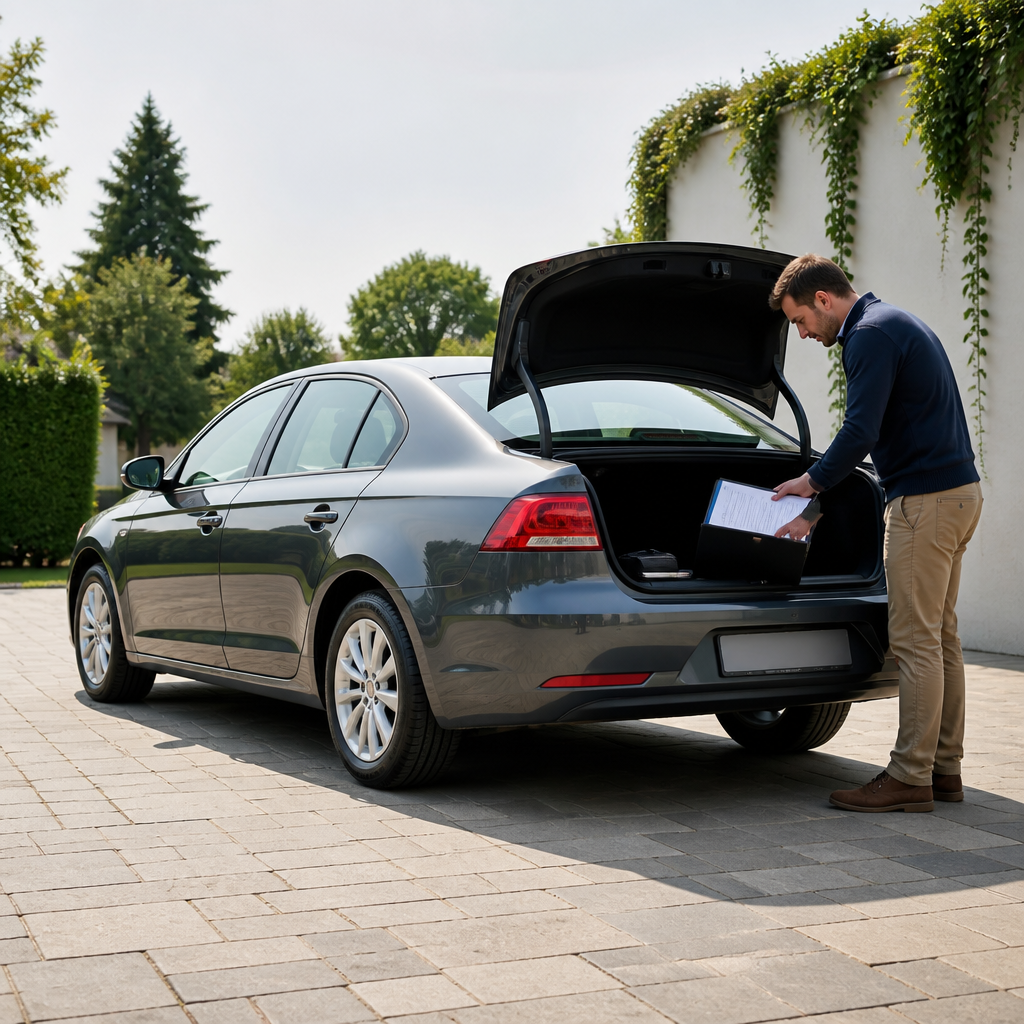
When you prepare your car for inspection, your goal is not to hide faults or create a false impression. It is to make the vehicle easy to assess, show that you have maintained it responsibly, and give a potential buyer enough information to make a confident decision. A clean, organised and honestly presented car usually creates a better selling experience than a rushed vehicle surrounded by unanswered questions.
A buyer may inspect the bodywork, interior, engine bay, tyres, lights, paperwork and driving behaviour. They may also ask why you are selling, what repairs the car has received, and whether any warning lights or known defects remain. Preparing in advance helps you answer clearly, avoid preventable concerns and protect yourself during the negotiation.
This guide explains how to prepare your car for inspection step by step. It covers cleaning, mechanical checks, documents, test drives, safety, pricing conversations and the mistakes that can make a sound vehicle appear neglected. How to Pay for a Used Car Safely in Nigeria
Why preparation matters before a buyer arrives
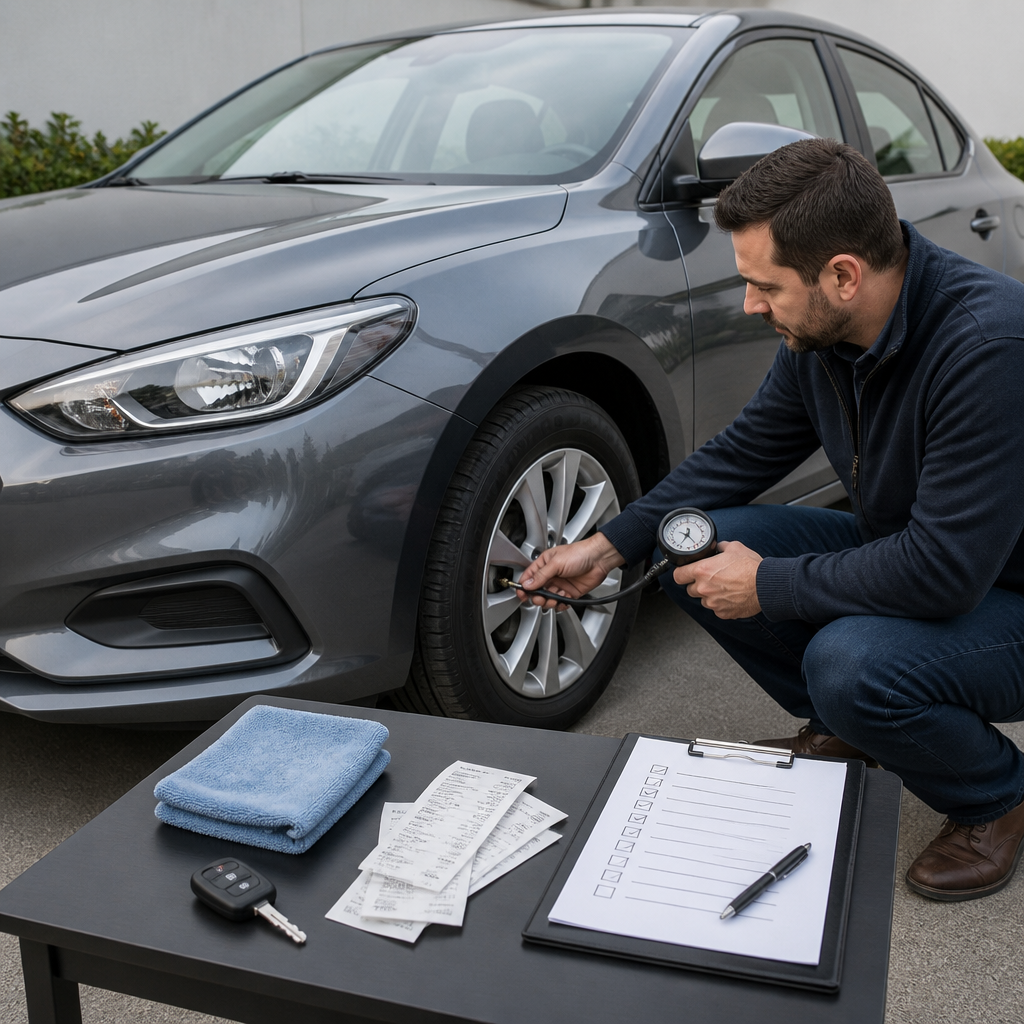
A vehicle inspection is partly technical and partly practical. The buyer wants to understand the car’s condition. You want to show it fairly without wasting time on avoidable issues. Good preparation supports both aims.
For example, a dead battery caused by leaving the lights on may look like a serious electrical problem. Low tyre pressure can make a test drive feel poor. A dirty windscreen may make the buyer question how carefully the rest of the car has been treated. These issues may be minor, but they create doubt.
Preparation also reduces pressure. If you inspect the vehicle before the appointment, you can identify problems, gather service records and decide what information you are willing to disclose. You can then discuss known faults calmly instead of appearing surprised when the buyer discovers them.
However, preparation must remain honest. Do not disconnect a warning light, conceal accident damage, use a temporary repair without explaining it, or alter the mileage display. Cosmetic improvement is reasonable. Concealment is not.
Prepare your car for inspection with a simple plan
Begin several days before the buyer’s visit if possible. A useful plan has four stages:
- Review the vehicle: Look for visible, functional and documented issues.
- Complete sensible maintenance: Fix inexpensive safety or presentation problems where the cost makes sense.
- Clean and organise: Present the car neatly without using products that hide defects.
- Prepare information: Gather documents, receipts, spare keys and honest answers.
Do not spend heavily on repairs simply to impress a buyer. Before approving any work, compare the likely cost with the value it may add. A major repair will not always return its full cost in the sale price. In some cases, it is better to disclose the problem and adjust your asking price fairly.
Create a pre-inspection checklist
Write down everything you want to check. Include the following areas:
- Exterior paint, panels, glass, mirrors and lights
- Tyre condition, pressure and visible damage
- Engine oil, coolant, brake fluid and windscreen washer fluid
- Battery condition and signs of corrosion
- Dashboard warning lights and instrument readings
- Air conditioning, heating, windows, locks and entertainment systems
- Seats, carpets, boot area and roof lining
- Service history, registration documents and ownership records
- Roadworthiness or inspection documents, where applicable
- Spare wheel, jack, tools, keys and vehicle accessories
Use the checklist as a fact-finding tool, not as a script for avoiding questions. If something does not work, record it and decide whether to repair it or disclose it.
Clean the car thoroughly without hiding its condition
Cleaning is one of the most effective ways to improve a vehicle’s presentation. It also makes genuine defects easier to identify. Wash the exterior, clean the windows, vacuum the cabin and remove personal items from the boot and storage compartments.
Start with the cabin because buyers often spend more time examining the interior than sellers expect. Remove rubbish, old paperwork, food containers, air fresheners and loose objects. Vacuum under the seats and around the pedals. Wipe the dashboard, door panels, centre console and steering wheel with a suitable interior cleaner.
Be careful with glossy products. An excessively shiny steering wheel or pedal area can feel slippery and may make the car look artificially dressed. Use a clean, natural finish instead.
Pay attention to odours and stains
Unpleasant smells are a common source of concern. Look for damp carpets, spilled liquids, smoke odour, mould or food residue. Cleaning the source is more useful than spraying a strong fragrance over it. A heavy scent can suggest that the seller is trying to cover a problem.
If the car has experienced water entry, be especially careful. Check the carpet, boot floor and spare-wheel well for moisture. Look for unusual staining, corrosion or a persistent damp smell. If you know that water has entered the vehicle, tell the buyer and explain what was repaired.
For stains, use a suitable fabric or upholstery cleaner and test it on a hidden area first. Do not soak electrical components or leave the interior wet before the inspection. Moisture can create a new electrical problem and may make the buyer suspicious.
Wash the exterior in good light
Clean the bodywork, wheels, wheel arches, mirrors and glass. Use proper washing materials rather than rough household items that can scratch paint. Rinse away dirt before wiping the surface. If you use a pressure washer, keep it away from damaged seals, loose trim and sensitive electrical areas.
Inspect the vehicle after washing. Dirt can hide scratches, dents, paint differences and rust. You should know what the buyer is likely to see. A clean car does not need to look perfect, but its condition should be clear.
A light wax or polish may improve the finish when the paint is already in reasonable condition. Avoid aggressive polishing if you do not know the paint’s history. Do not use tyre products to cover cracked sidewalls, or body-colour products to disguise deep scratches. Presentation should support transparency.
Check the mechanical and safety basics
You do not need to rebuild the car before a viewing. However, you should confirm that basic safety and operating systems work as expected. If you are not comfortable inspecting mechanical components, ask a qualified technician for a pre-sale assessment.
Start the engine when it is cold if possible. A cold start can reveal noises, smoke or difficult starting that may not appear after the engine has warmed up. Do not warm the car beforehand merely to hide these symptoms.
Observe the dashboard during startup. Many vehicles illuminate warning indicators briefly as part of their normal self-check. They should then go out if the relevant systems are operating normally. If a warning light remains on, do not remove the bulb or reset the system without resolving and disclosing the issue.
Inspect fluids carefully
Check engine oil, coolant, brake fluid, transmission fluid where the vehicle allows it, and windscreen washer fluid. Follow the owner’s manual for correct checking procedures. Some vehicles require a particular temperature, gear position or waiting period.
Look for leaks beneath the vehicle and around hoses, reservoirs and the engine. A small stain may have a simple explanation, but it still deserves attention. Do not wipe a leak immediately before the buyer arrives and present the area as dry. If the vehicle has a leak, investigate it or disclose it.
Never open a hot cooling system. Hot coolant can cause serious burns. If you are unsure about the condition of the cooling system, let the vehicle cool fully or ask a professional to check it.
Check tyres, brakes and lights
Tyres are easy for a buyer to inspect. Confirm that all tyres have appropriate pressure and look for uneven wear, bulges, cuts or exposed material. Uneven wear may indicate alignment, suspension or tyre-pressure issues. Check the spare tyre as well, if the vehicle has one.
Test the headlights, high beams, brake lights, indicators, hazard lights, reverse lights and number-plate lights. Replace a failed bulb if the repair is straightforward and safe. If a light has a deeper electrical problem, explain it rather than fitting an unsuitable temporary solution.
During a slow test in a safe location, listen for unusual brake noise and note whether the vehicle pulls to one side. Do not make a technical diagnosis based only on a short drive. Instead, record the symptom and arrange a professional inspection when needed.
Test convenience features
Buyers often check features that sellers forget. Test the air conditioner, heater, fan speeds, power windows, central locking, mirrors, horn, wipers, washers, interior lights, boot release and fuel-door release. If the vehicle has parking sensors, a reversing camera or driver-assistance features, check them too.
Confirm that the radio or infotainment system starts properly. Remove your personal phone accounts and navigation data later, but keep the system available for demonstration. If the car has a removable navigation card, charging cable or special key, include it with the vehicle if it belongs to the car.
Do not claim that a feature works perfectly if it works only sometimes. Explain intermittent faults clearly. A buyer may accept a minor issue when it is disclosed, but discovering it independently can damage trust. How to Take Better Car Photos for Sale Online
Review the exterior for damage and previous repairs
Walk around the vehicle slowly in daylight. Look at each panel from several angles. Check for dents, scratches, peeling paint, rust, cracked trim and mismatched colour. Inspect panel gaps as well. Uneven gaps can indicate previous repairs, although they are not conclusive proof of accident damage.
Look beneath the bumpers and around the wheel arches. These areas can collect dirt and show scrapes. Check the windscreen and other glass for cracks or chips. A small chip may still require attention if it is in the driver’s viewing area or likely to spread.
If the car has been involved in a collision, explain what happened as accurately as you can. State what you know and avoid guessing about details you cannot verify. If you have repair invoices, insurance records or photographs, organise them for the buyer.
Previous repair does not automatically mean a vehicle is unsafe. The important questions include how serious the damage was, who repaired it, whether structural components were involved and how well the repair was completed. A qualified inspection can provide more useful information than a seller’s assurance alone.
Prepare the interior and boot for inspection
Open every door and remove items that prevent a proper view. The buyer should be able to see the floor, seat rails, door seals, boot lining and spare-wheel area. Fold the seats and demonstrate the available space if the vehicle has a folding-seat system.
Check the seat belts for fraying, cuts or damaged buckles. Confirm that seats adjust and lock properly. Look at the roof lining for sagging, water marks or smoke staining. Inspect the boot seal and floor for signs of moisture.
Leave useful equipment in place. This may include the jack, wheel brace, warning triangle, first-aid kit, cargo cover, roof-rack parts or charging equipment. Do not leave valuable personal property in the car. Remove documents that contain private information before the viewing.
Child seats, phone mounts and custom accessories can affect the buyer’s view. Remove them unless they form part of the sale. If you remove a sticker, wrap or accessory, check whether it has left paint or adhesive differences.
Gather documents and maintenance records
Organised paperwork can answer questions quickly. Gather the documents that lawfully belong with the sale and that you are entitled to share. Depending on your location and the vehicle, these may include ownership or registration documents, service invoices, inspection certificates, import or customs documents, insurance records and receipts for major repairs.
Keep original documents secure until the sale is complete. You can show them during the inspection and provide copies where appropriate. Remove or cover sensitive personal information that the buyer does not need.
Build a clear maintenance summary
A simple maintenance summary is often more useful than a thick stack of receipts. List the approximate date, mileage or usage level, work completed and the workshop that carried it out. Include routine services, tyre replacements, battery changes, brake work, suspension repairs and major engine or transmission work.
Do not fill gaps with guesses. If you bought the vehicle without complete history, say so. You can write, “Records available from the date I purchased the vehicle,” rather than implying that the history is complete.
Receipts should support your explanation. If a receipt shows a part replacement but not the full reason for the work, describe only what you know. Honest limits are better than confident but inaccurate claims.
Confirm the identity of the vehicle
Check that the vehicle identification number, registration details and other identifying information match the relevant documents. Do not publish sensitive identification details in a public advert unless there is a clear reason and you understand the privacy implications.
If the vehicle was imported, keep the import and customs paperwork available where applicable. Buyers may want to understand the vehicle’s origin and whether required charges or procedures were completed. Do not promise that a document proves more than it actually proves.
Decide which repairs are worth completing
Not every imperfection needs repair before a sale. Use three questions to decide what to do:
- Is it a safety issue? Problems with tyres, brakes, lights, steering, seat belts or fluid leaks deserve prompt attention.
- Is it inexpensive and easy to correct? Replacing a failed bulb or securing a loose trim piece may improve the inspection without a major expense.
- Will the repair be reliable? Avoid rushed work that creates a new problem or only hides the old one.
Safety-related defects should not be left for the buyer to discover. If you cannot repair them before the inspection, disclose them clearly and avoid presenting the vehicle as ready for immediate use.
Cosmetic repairs need more judgement. A professional paint repair may be worthwhile on a valuable vehicle, but a cheap touch-up can look worse than an honest scratch. Ask for an estimate before authorising bodywork.
Never replace a dashboard or steering-wheel component merely to remove evidence of a deployed airbag. Do not use sealants to conceal leaks, additives to mask engine problems, or disconnected sensors to stop a warning message. These actions can create safety risks and serious trust problems.
Prepare for questions from the potential buyer
A prepared seller can answer common questions without becoming defensive. Expect the buyer to ask about ownership, service history, fuel use, accidents, repairs, reason for selling and known faults.
Prepare short, factual answers. For example, explain when you bought the car, how you used it, where it was serviced and what work it needs. Avoid statements such as “nothing has ever gone wrong” unless you can genuinely support them.
The reason for selling should also be handled carefully. You can give a simple truthful explanation without sharing private details. A change in transport needs, relocation or replacement of the vehicle may all be sufficient. The key is consistency between your explanation and the vehicle’s condition.
Think about questions related to the engine, gearbox, air conditioning, accident history, ownership documents and outstanding finance. If you do not know an answer, say that you will verify it. Guessing can create a larger problem later.
Arrange a safe and fair inspection
Choose a well-lit location where the buyer can inspect the vehicle safely. A driveway, open parking area or agreed professional workshop may work, depending on local rules and privacy considerations. Avoid isolated locations and late-night meetings.
Keep the keys and documents under your control until you are comfortable with the buyer and the transaction. Do not allow an unknown person to take the car alone. If a test drive is appropriate, confirm that the driver is legally permitted to drive and that insurance arrangements are suitable.
It is reasonable to accompany the buyer during the drive. Agree on the route and avoid dangerous roads. The buyer should be able to assess normal acceleration, braking, steering and ride quality, but neither party should drive recklessly. Car Deposit Refund in Nigeria: What Buyers Should Know
If the buyer wants an independent inspection, consider it carefully. An independent mechanic can protect both sides by identifying problems that neither person noticed. Agree in advance who will pay for the inspection and what will happen if it reveals a major fault.
Set boundaries around the inspection
A buyer may inspect the vehicle thoroughly, but they should not remove parts, access private accounts or perform unsafe tests without permission. Do not allow anyone to probe wiring, operate a hydraulic jack without proper equipment or take the car to another location without your agreement.
If the buyer brings a mechanic, let the mechanic work within reasonable limits. You can ask what they plan to inspect and remain present. A professional inspection should be evidence-based rather than a negotiation tactic built around vague criticism.
Keep conversations respectful. You do not need to accept every opinion about the vehicle, but you should listen to specific findings. If the buyer identifies a genuine problem, respond with facts rather than arguing immediately.
Handle the price discussion with evidence
Set your asking price after considering the vehicle’s age, condition, mileage or usage, service history, equipment and local market. Research comparable vehicles, but remember that advertised prices are not always final selling prices.
Prepare a short list of the vehicle’s strengths. These may include recent maintenance, good tyres, complete records, a clean interior or included accessories. Balance that list with known defects. A realistic price is easier to defend than an inflated figure supported by vague claims.
If the buyer asks for a discount, ask what supports the request. A worn tyre, overdue service or faulty feature can justify a discussion. A general statement that the car is “too expensive” gives you less useful information.
Do not agree to a price reduction for a problem that was already disclosed unless you deliberately choose to do so. You can say, “That issue was included in the description and reflected in the asking price.” Remain flexible, but do not let pressure force a rushed decision.
Protect your personal information and transaction
Before showing the vehicle, remove registration papers, bank statements, work documents and other items that reveal unnecessary personal information. Clear paired phones from the infotainment system and delete saved addresses from navigation equipment before handing over the vehicle.
Use a written sale agreement that records the vehicle details, agreed price, payment status, date, condition disclosures and items included. The exact requirements vary by location, so confirm the correct transfer process with the relevant authority or a qualified local professional.
Verify payment through your own bank or payment provider. Do not rely solely on a screenshot, email or message claiming that funds have been sent. Be cautious about overpayment requests, urgent shipping arrangements, unfamiliar escrow services and requests to return part of a payment.
Complete ownership and registration transfer steps promptly. Keep copies of the agreement and any required notification. Do not hand over the vehicle, keys or ownership documents until the payment and transfer arrangements meet your agreed conditions.
Common mistakes sellers make before an inspection
Only washing the outside: A clean body cannot compensate for a dirty cabin, stained boot or strong odour. Clean the whole vehicle.
Warming the engine to hide a cold-start problem: This undermines trust and may conceal a fault that affects safety or reliability.
Resetting warning lights: A warning light should be investigated, not erased for presentation.
Using thick oil or additives without disclosure: Temporary measures can change symptoms without resolving the cause.
Leaving personal belongings inside: Clutter limits inspection and increases privacy risks.
Overpromising: Statements such as “the car needs nothing” invite conflict when a normal inspection finds wear.
Refusing an independent inspection: A reasonable buyer may interpret this as a sign that you have something to hide.
Arguing about every defect: A calm response is more persuasive than insisting that every concern is unimportant.
Failing to test simple features: A broken bulb, window switch or horn can make the vehicle appear neglected.
Rushing the handover: Confirm payment, documents and transfer details before releasing the car.
A practical day-before checklist
The day before the appointment, complete a final walk-around. Check the tyre pressure, fuel level, lights, wipers, fluid levels and dashboard indicators. Make sure the vehicle starts normally and that no new warning messages have appeared.
Clean the windows from inside and outside. Vacuum the floor and boot. Remove unnecessary items. Put the service records, spare key and included accessories in a folder. car battery dying — How to Know If a Car Battery Is Dying
Review your advert and make sure your description matches the vehicle. Correct an inaccurate statement before the buyer arrives. If you recently discovered a problem, tell the buyer rather than hoping they will not notice.
Choose a time with adequate daylight. Arrange for another adult to know where you are meeting if the buyer is unknown to you. Keep your phone charged and avoid scheduling several appointments so close together that you feel pressured.
What to do during the inspection
Welcome the buyer and allow a reasonable opportunity to look around. Point out the main features and recent work, but do not follow them so closely that they cannot inspect independently.
Answer questions directly. If the buyer notices a scratch or fault, acknowledge it if it is genuine. You can explain when you noticed it, whether it affects operation and whether you have obtained a repair estimate.
Demonstrate features only when useful. Start the engine, show the dashboard, operate the air conditioner and open the boot. Avoid making exaggerated claims about performance, reliability or future repair needs.
If the buyer requests a test drive, agree on the conditions first. Accompany them, keep the route sensible and stop the drive if it becomes unsafe. Afterward, discuss observations while they are fresh.
When the inspection ends, do not feel forced to accept an offer immediately. You can thank the buyer, review the findings and decide later. A careful decision is usually better than a rushed sale followed by a dispute.
When a professional inspection is the better choice
A professional inspection is especially useful when you lack maintenance knowledge, the vehicle has a complicated history or the buyer raises a serious concern. It may also help when the vehicle has been imported, repaired after an accident or stored for a long period.
Choose an independent professional who can inspect the vehicle without a financial interest in the sale. Ask for a written report or at least a clear explanation of significant findings. A workshop inspection is not a guarantee of future reliability, but it can identify current problems that deserve attention.
Remember that an inspection report may include normal wear. Not every recommendation means the car is unsafe or defective. Ask the mechanic to separate urgent safety concerns from items that can be monitored or maintained later.
Use the report responsibly. If it identifies an important issue, repair it, disclose it or reconsider the sale. Do not commission an inspection merely to obtain a document that you will ignore when it contains inconvenient information.
Frequently asked questions
Should I service the car before selling it?
Service the vehicle if it is due for important maintenance or has a safety-related problem. Routine servicing can improve confidence, especially when you provide an invoice. However, do not assume that every expensive repair will increase the selling price by the same amount. Compare the cost with the vehicle’s value and disclose work that remains outstanding.
Should I repair every scratch and dent?
No. Minor cosmetic damage may be acceptable when the price reflects it. Repair damage that affects safety, allows water entry or could worsen. For cosmetic work, obtain an estimate first and avoid low-quality repairs that look more suspicious than the original mark.
Can the buyer bring a mechanic?
Yes, a reasonable independent inspection can benefit both parties. Agree on the inspection location, timing and cost. Remain present, protect your documents and do not allow unsafe dismantling or removal of parts without permission.
What if I do not have complete service records?
Explain what records you have and when your ownership began. Do not invent missing history. You can offer receipts for work completed during your ownership and encourage the buyer to arrange an independent inspection.
Should I let the buyer test-drive the car alone?
Usually, you should accompany an unknown buyer unless there is a specific, safe and properly documented arrangement. Confirm that the driver is legally permitted and that the insurance situation is appropriate. Keep control of the keys and agree on the route.
What if the buyer finds a fault I did not know about?
Listen to the explanation and ask for specific evidence. If the fault appears genuine, decide whether to repair it, adjust the price or end the negotiation. Avoid claiming that you knew nothing if you had previously noticed related symptoms.
How clean should the car be?
It should be clean enough for the buyer to see its real condition. Wash the exterior, clean the glass, vacuum the interior and remove odours and clutter. Do not use heavy fragrance, thick dressing or temporary products to hide stains, leaks or damage.
Should I disclose a previous accident?
Yes, disclose an accident or repair history that you know about, especially if it affected body structure, airbags or major components. Explain only verified facts and provide supporting documents when available. A professional inspection can help assess the quality of the repair.
Final preparation checklist
Before the buyer arrives, confirm that you have completed the following:
- Washed the exterior and cleaned the glass
- Vacuumed the interior and boot
- Removed personal items and private documents
- Checked tyres, lights, wipers and fluid levels
- Tested air conditioning, windows, locks, horn and other major features
- Reviewed warning lights and known mechanical issues
- Inspected for leaks, water entry, body damage and unusual smells
- Gathered service records, receipts, keys and relevant vehicle documents
- Prepared accurate answers about ownership, repairs and the reason for selling
- Chosen a safe inspection location and test-drive plan
- Decided how an independent inspection will be handled
- Prepared a written sale agreement and a secure payment process
When you prepare your car for inspection properly, you give the buyer a clearer picture and give yourself more control over the sale. The strongest presentation is not a perfect-looking vehicle. It is a clean, safe and honestly described vehicle supported by sensible records.
Approach the inspection as a transparent review rather than a contest. Fix what is practical, disclose what is not fixed, and allow reasonable checks. That approach may not eliminate every negotiation, but it can reduce surprises and help the right buyer make a confident decision.