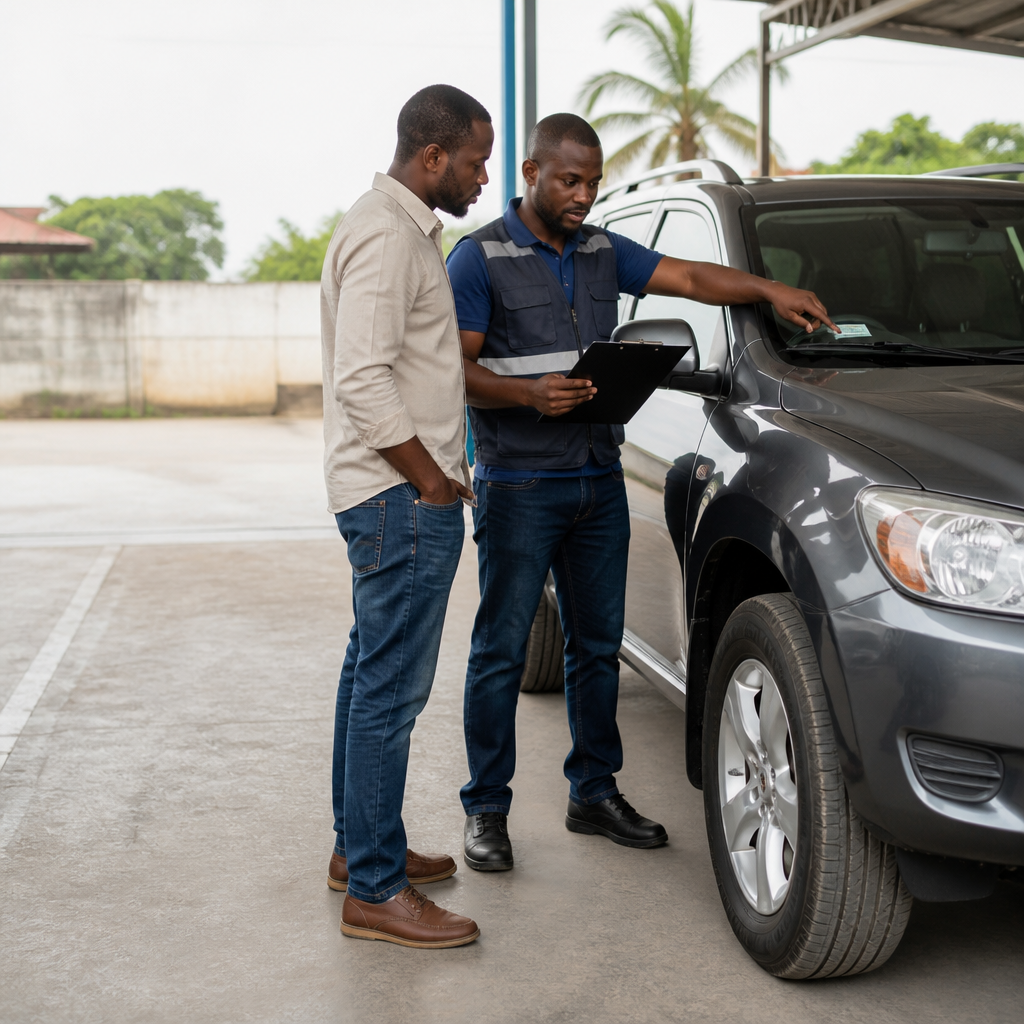
If you plan to buy a used or imported car, you should verify a vehicle’s VIN before paying a deposit or signing a sales agreement. The Vehicle Identification Number can help you confirm the car’s identity, compare its records with the seller’s documents and detect warning signs such as cloning, theft, accident damage or an incorrect model year.
In Nigeria, buyers often encounter vehicles imported through different channels, cars sold by dealers, locally used vehicles and adverts with incomplete information. A clean-looking body does not prove that a car has a clear history. Likewise, a registration document or customs paper should not be accepted without comparing it with the physical vehicle and other available records.
This guide explains how to find a VIN, check whether it is consistent, use online tools carefully, inspect vehicle documents and decide when to pause the transaction. It also covers common VIN scams, imported vehicles, Nigerian registration issues and practical questions to ask before buying. Why Your Car Vibrates While Driving and What It Could Mean
What is a VIN and why does it matter?
A VIN is a unique vehicle identification code assigned by the manufacturer or, in some cases, recorded during a vehicle’s registration process. Most modern VINs contain 17 characters made up of letters and numbers. The code may identify details such as the manufacturer, vehicle type, production attributes and serial sequence.
Although many VINs follow an international 17-character format, older vehicles may use shorter identification numbers. This is especially relevant when you are considering a classic vehicle, a very old imported car or a vehicle manufactured for a market with different identification standards. Therefore, do not reject a vehicle only because its number does not look like a modern 17-character VIN. Instead, ask a qualified inspector or the relevant authority to explain the format.
The VIN is important because it links the physical car to records. Depending on the country and the records available, those records may include registration details, import information, insurance claims, theft reports, auction history, inspection results, recalls and title or ownership information.
However, a VIN is not a magic guarantee. A database may be incomplete, delayed or unavailable for a particular country. A clear online result does not replace a physical inspection, document review and proper ownership transfer. Treat VIN checking as one part of a wider buying process.
Where to find the VIN
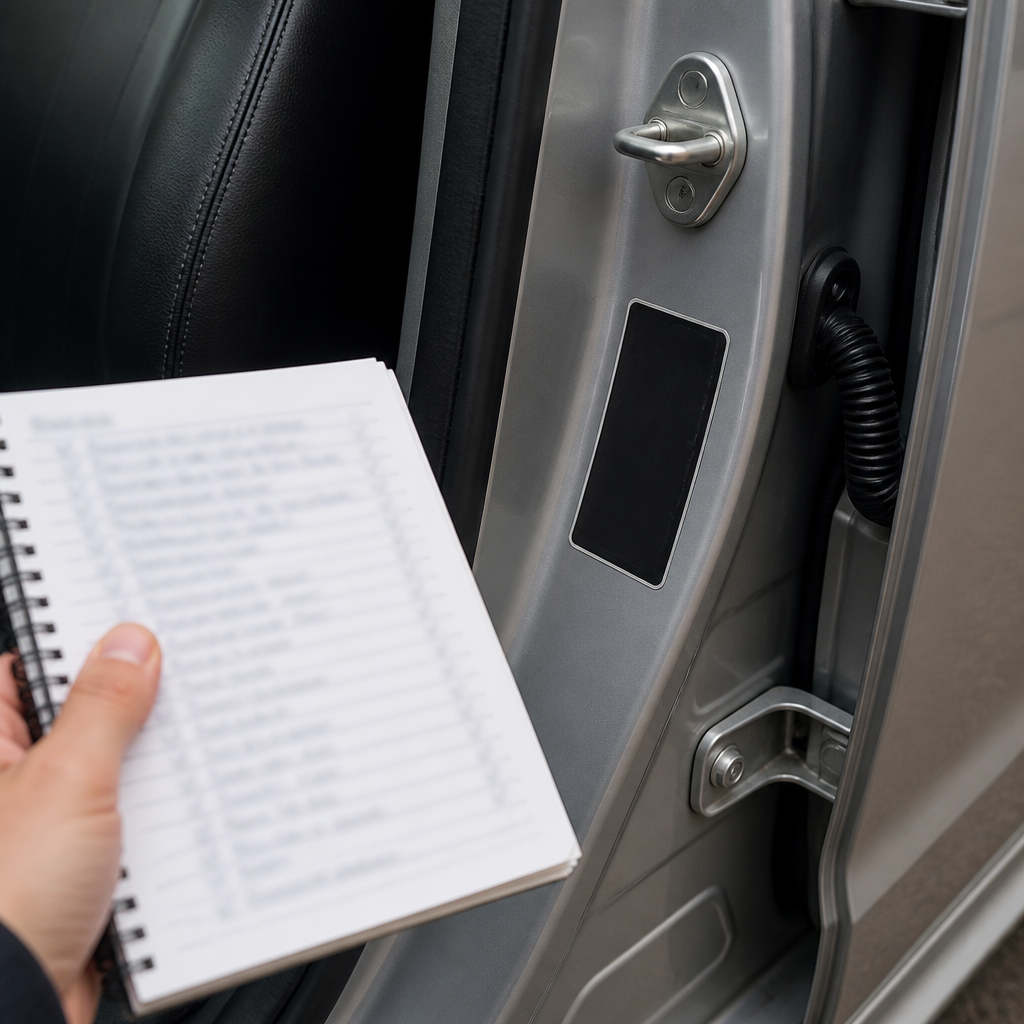
Common VIN locations include the lower corner of the windscreen on the driver’s side, the driver’s door jamb, the door pillar, the engine bay, the chassis or frame and the vehicle identification plate. The exact location depends on the make, model and market.
Ask the seller to show you every visible VIN location. Do not rely only on a photograph or a number typed into a message. You need to see the number on the car and compare it with the paperwork. Take clear photographs only with the seller’s permission, and avoid sharing the complete VIN publicly if it is not necessary.
- Look through the windscreen for a plate or printed identification marking.
- Open the driver’s door and inspect the jamb or pillar.
- Check the engine compartment and chassis where appropriate.
- Look for the manufacturer’s plate, stamp or label.
- Ask a technician to identify less obvious VIN locations.
Verify a vehicle’s VIN before you negotiate
The safest approach is to check the VIN before you spend time negotiating the final price. A mismatch can affect the vehicle’s ownership, registration, insurance and resale prospects. It may also expose you to questions from authorities if the vehicle is stolen or its identity has been altered.
Step 1: Ask for the VIN early
Request the full VIN before visiting the vehicle, where practical. A genuine seller should understand why you need it. You can use the number to prepare preliminary checks and identify questions before arranging an inspection.
Be cautious if the seller refuses to provide the VIN, sends only part of it, claims that a VIN is confidential in every circumstance or keeps changing the explanation for the missing number. A seller may have a reasonable privacy concern, but you still need enough information to verify the vehicle before committing money.
Also compare the VIN in the advert with the VIN on the seller’s documents. If they differ, do not assume it is a typing mistake. Ask for a clear explanation and supporting evidence. Do not edit the number yourself to make the records match.
Step 2: Write the VIN down carefully
Copy the VIN character by character. Record it twice, then compare both copies. Some letters and numbers can look similar, especially on a worn plate or low-quality photograph. In many VIN systems, the letters I, O and Q are not used because they can be confused with the numbers 1 and 0. Still, never guess a character.
Ask the seller to confirm the number in writing. Save the original advert, messages and photographs. These records may help you explain what information you relied on if the transaction later becomes disputed.
Step 3: Compare every VIN location on the vehicle
A vehicle may have more than one identification marking. The numbers should match. Look closely for uneven lettering, damaged rivets, fresh paint, cuts, weld marks, stickers covering older markings or a plate that appears newer than the surrounding parts.
Not every unusual mark proves fraud. A manufacturer may use labels, stamped metal or different finishes in different locations. Repairs can also affect nearby areas. The important point is to ask a qualified inspector to assess anything that looks altered rather than relying on your own conclusion.
Walk away or pause the purchase if the VIN is missing, unreadable, deliberately obstructed or inconsistent. A seller who says the number will be fixed after payment is asking you to accept avoidable risk.
Step 4: Match the VIN with the vehicle’s basic identity
Use the VIN and the physical inspection to compare the vehicle’s make, model, body style, engine details, colour and approximate production information. Some VIN decoders provide limited information, and different manufacturers encode details differently. A decoder result is useful for spotting obvious inconsistencies, but it may not identify every factory specification.
For example, if a seller describes a vehicle as a particular model year and trim, but the VIN decoder shows a different manufacturer or vehicle type, stop and investigate. A small difference in trim equipment may be harmless. A different manufacturer, body type or production identity is more serious.
Check the VIN against the seller’s documents
Document review should happen beside the vehicle, not after you have paid. Ask to see the available registration and import documents. The exact documents will depend on the vehicle’s origin, age, ownership history and registration status.
Possible documents may include registration evidence, proof of ownership, import or customs paperwork, a bill of sale, insurance records, inspection records and previous transfer documents. These documents are not interchangeable, and one paper does not automatically prove every part of the vehicle’s history.
Documents to compare
- Registration details: Compare the VIN, registration number, make, model, colour and owner information with the vehicle.
- Proof of ownership: Confirm that the person selling the car has the right to sell it and can explain any previous ownership.
- Import or customs records: For imported vehicles, compare the VIN and description with the available clearance or import documents.
- Purchase or sales records: Look for a consistent chain of ownership and check whether the seller’s name matches the person authorised to sell.
- Insurance or inspection records: These may reveal earlier damage, mileage entries or identity details, depending on what records exist.
- Identification documents: Where appropriate, confirm the seller’s identity and record the details needed for a lawful transaction.
Check spelling, dates, registration numbers and descriptions. A document that contains the correct VIN but describes a different colour, body type or engine may need further explanation. Do not assume that official-looking paper is genuine. Examine the source and verify important details through the responsible authority or an experienced professional. How to Choose Tyres for Nigerian Roads
Watch for document inconsistencies
Common warning signs include different VINs across documents, missing pages, altered text, blurred stamps, inconsistent owner names, unexplained gaps in the ownership chain and documents that refer to a vehicle with a different engine or body type. A seller may describe a discrepancy as a minor clerical issue. It could be minor, but you should confirm that independently before proceeding.
Never hand over your original identity documents to an unknown seller. If a document must be examined, inspect it in a safe setting. Keep copies only where lawful and necessary, and protect personal information that is not needed for the transaction.
Use online VIN tools carefully
Online VIN tools can provide useful clues. Some decode basic manufacturer information. Others search theft, salvage, insurance or title records in specific countries. Their coverage varies widely, so a result from one country may not reveal what happened in another.
For a vehicle connected to the United States, the National Highway Traffic Safety Administration provides a VIN decoder at nhtsa.gov/vin-decoder. The tool can help users understand information encoded in a VIN, but it is not a complete history report for every vehicle.
The National Insurance Crime Bureau provides VINCheck at nicb.org/vincheck. It can help identify certain theft and salvage records contributed by participating insurers. A negative result does not prove that a vehicle is free from every problem, because databases have limits and records may not be present.
For some United States vehicle history and title information, the U.S. Department of Justice’s National Motor Vehicle Title Information System consumer information is available through vehiclehistory.bja.ojp.gov. This is mainly relevant to vehicles with U.S. title histories, including some cars later exported to Nigeria.
These tools should support, not replace, local checks. A Nigerian buyer should still examine registration, import documentation, physical identity markings and the transfer process. If the car came through another country, identify where it was previously registered and search the records relevant to that jurisdiction.
What an online result can and cannot tell you
An online result may confirm that the VIN format is plausible or that a vehicle has a recorded event. It may reveal an auction image, a salvage classification, a reported theft or a mileage entry. However, it may not show every accident, repair, ownership change or registration issue.
Some records are private, some are not digitised and some events are never reported. A vehicle can also have a clean result because its identity has been cloned from another car. That is why you must compare the online information with the physical VIN, the documents and the vehicle’s actual condition.
Be careful with websites promising a complete history for an unusually low fee or asking for excessive personal information. Confirm the website address before entering payment details. Avoid relying on screenshots supplied by the seller when you can conduct the check yourself.
Inspect the vehicle for signs of VIN cloning
VIN cloning occurs when someone places the identity of a legitimate vehicle on another vehicle, often to disguise a stolen or seriously damaged car. The cloned car may carry a VIN that produces a normal search result. Physical and document comparisons are therefore essential.
Signs that deserve closer attention
- The VIN on the dashboard differs from the number on the door pillar or chassis.
- The identification plate has damaged fasteners, uneven edges or signs of replacement.
- The stamping looks too fresh compared with the age and condition of the vehicle.
- There are grinding marks, welds, paint changes or repairs near the chassis number.
- The vehicle’s equipment does not match the model description linked to the VIN.
- The registration documents identify a different colour, body style or engine.
- The seller insists that you do not inspect the VIN yourself.
- The vehicle’s history appears to move suddenly between locations without a clear explanation.
- The price is far below similar vehicles without a credible reason.
- The seller wants payment to a third party or refuses a written agreement.
None of these signs alone proves that the vehicle is stolen or cloned. They do justify a pause and an independent inspection. A reputable technician can examine the stamping, body structure and signs of replacement more effectively than a buyer using a phone flashlight.
Ask for an independent inspection
Choose an inspector who is not financially connected to the seller. A mechanic can check the engine, transmission, suspension, brakes, electronics and accident repairs. For VIN concerns, select someone experienced with vehicle identity markings and imported cars.
Tell the inspector that you want a full identity and condition check, not only a mechanical test drive. Give the inspector the documents and ask for a written report. If the seller refuses access to the car or objects to an independent inspection, treat that as a serious warning.
Special considerations for imported vehicles in Nigeria
Imported vehicles may have passed through several countries before reaching Nigeria. Each stage can create records, translations, inspections and ownership changes. The vehicle may also have a history that is easier to find in its country of export than in Nigeria.
Ask the seller where the car was manufactured, where it was previously registered and how it entered Nigeria. If it was imported from the United States, search U.S. records. If it came from another country, identify the relevant registration, insurance or auction sources for that market. Do not assume that a foreign report covers Nigerian registration or customs status.
For questions about road safety and driver or vehicle-related processes, consult official Nigerian government channels. The Federal Road Safety Corps website is available at frsc.gov.ng. Use official contact details and verify that any instruction you receive applies to your particular vehicle and transaction.
Customs documentation also requires care. A customs receipt or clearance document should be checked against the vehicle identity and the issuing process. A seller’s claim that customs records are unavailable, or that a buyer can regularise everything later, should not replace proper verification before payment.
Remember that a vehicle can be legally imported yet still have a serious accident history. It can also have a clean mechanical condition while carrying incorrect identity details. Import status, vehicle condition and ownership status are separate questions. How to Choose the right tyres for Nigerian roads
Do not rely on the registration number alone
A registration number is not the same as a VIN. Registration plates can change when a vehicle is transferred, re-registered or assigned to a new owner. The VIN is generally the more stable identity reference, but both details should agree with the documents and the physical vehicle.
Searches based only on a plate number can produce incomplete or misleading results. A seller may show you a plate that belongs to another vehicle, or a vehicle may be displaying a plate that has not been properly transferred. Always record the VIN and compare it with the registration information through the appropriate official process.
Also inspect the plate itself. Different plates, unusual mounting, damaged numbers or inconsistent fonts may deserve attention. Do not attempt to remove or alter a plate during an inspection. Ask the seller or a relevant official to explain any issue.
How to handle a VIN mismatch
If one character differs between the vehicle and a document, stop the transaction until the issue is resolved. Do not accept a promise that the seller will correct it after you pay. A mismatch may result from a typing error, but you need independent confirmation.
First, photograph or record the relevant details with permission. Then ask the seller for the original document and a clear explanation. Contact the issuing authority or use the recognised correction process. If the seller becomes aggressive, refuses verification or pressures you to pay immediately, leave the deal.
If the physical VIN appears altered, do not scrape it, repaint it or attempt to repair it yourself. Preserve the condition and seek advice from an appropriate authority or qualified expert. Handling a suspicious marking can destroy evidence and create additional complications.
If you believe the vehicle may be stolen or connected to fraud, do not confront anyone in a dangerous situation. Move to a safe place and report the concern through suitable law-enforcement or official channels. Keep the advert, messages, payment requests, photographs and document copies that you lawfully obtained.
A practical VIN verification checklist
Use the following checklist before making a final decision:
- Request the complete VIN before agreeing on a price.
- Copy the VIN carefully and confirm every character.
- Locate the VIN in all visible positions on the vehicle.
- Check for damage, replacement plates, fresh stamping or unusual repairs.
- Compare the VIN with registration and ownership documents.
- Compare the VIN with import, customs, inspection and sales records where available.
- Use a suitable online decoder or history source for the vehicle’s country of origin.
- Check whether the make, model, body type and approximate production details match.
- Ask about previous countries of registration, accidents and ownership.
- Arrange an independent mechanical and identity inspection.
- Confirm how ownership transfer and registration will be completed.
- Use a written agreement that records the VIN, price, parties, condition and promises.
- Pay only after the identity and documents satisfy you.
Print the checklist or keep it on your phone. Buyers often overlook basic checks when they become excited about a vehicle or fear that another customer will purchase it first. A genuine seller should allow reasonable time for verification.
Questions to ask the seller
Direct questions can reveal whether the seller knows the vehicle’s history. Ask the questions calmly and record the answers in writing.
- What is the full VIN, and where can I inspect it on the vehicle?
- Who is the registered owner?
- Do you have authority to sell the vehicle?
- Where was the vehicle previously registered?
- Has it been involved in an accident, flood, fire or major repair?
- Was it imported as a used vehicle, and what import documents are available?
- Has the VIN ever been replaced, repaired or reported as unreadable?
- Can I arrange an independent inspection?
- Will the sales agreement record the exact VIN and vehicle condition?
- Why does any difference between the physical car and the documents exist?
Pay attention not only to the answers but also to the seller’s behaviour. A knowledgeable seller may not know every technical detail, but should normally permit reasonable checks. Evasion, urgency and pressure to make a cash payment are reasons to reconsider.
Protect yourself during payment and transfer
VIN verification is only one part of a safe purchase. Confirm the seller’s identity and the ownership transfer process before paying. The name on the payment instruction should be consistent with the seller or a clearly authorised business. Be cautious when the seller requests payment to an unrelated person or account.
Use a written sales agreement. It should identify the buyer and seller, describe the vehicle, state the exact VIN, record the agreed price and explain what documents will be delivered. Include any promise about repairs, outstanding finance, customs matters or registration. Both parties should sign and retain a copy.
Do not leave the VIN blank in the contract. Do not accept a contract that says the vehicle is sold without identifying its condition or identity when the seller has made specific promises. If the car belongs to a company, confirm that the person signing has authority to complete the sale.
Consider using a secure payment method that creates a reliable record. Count cash in a safe setting if cash is lawful and unavoidable. Never let payment pressure prevent you from completing document checks. Once money changes hands, recovering it may be difficult.
Common mistakes buyers make
Checking only one VIN location
A buyer may inspect the windscreen plate and ignore the door jamb or chassis. That misses one of the easiest ways to identify a mismatch. Check all accessible locations and ask a specialist to inspect areas you cannot safely reach.
Trusting a clean online report
Reports depend on the records available to the provider. A clean report does not confirm that the physical VIN belongs to the car, and it cannot reveal every unreported event. Always combine digital research with inspection and document checks. Best Used Cars for Lagos Traffic: A Practical Buying Guide
Assuming the dealer is responsible for everything
A dealer may be honest and experienced, but the buyer still needs to review the transaction. Ask who owns the vehicle, who imported it and who will provide the transfer documents. A dealer’s reputation is useful, not a substitute for evidence.
Ignoring a low price
A bargain can result from urgent circumstances, mechanical faults or a seller’s legitimate pricing strategy. It can also indicate hidden problems. Compare similar vehicles and ask why the price differs. Do not allow a discount to distract you from identity checks.
Paying a deposit before inspection
A deposit may be lost if the terms are unclear. If a deposit is necessary, record whether it is refundable when the VIN, ownership or documents fail verification. Never pay merely to gain access to the documents you should have seen before committing.
When should you walk away?
Walk away when the VIN cannot be verified, the seller will not show the documents, the vehicle has suspicious identity markings or the ownership story does not make sense. You should also leave when the seller refuses an independent inspection or insists that you pay immediately.
Do not let a completed repair or attractive interior persuade you to ignore an identity problem. Mechanical issues can often be priced and repaired. A questionable VIN can affect whether you can register, insure, resell or legally keep the vehicle.
If you are uncertain, ask a qualified lawyer, vehicle inspection professional or relevant government office for advice before paying. The cost of an additional consultation is usually small compared with the financial and legal consequences of buying a vehicle with a false or disputed identity.
Frequently asked questions about VIN checks in Nigeria
Can I verify a vehicle’s VIN using only an online website?
No. An online tool can provide useful information, but it cannot prove that the physical vehicle carries its original identity. You must compare the VIN across the vehicle and documents, then arrange appropriate inspection and ownership checks.
What if the VIN has fewer than 17 characters?
Some older vehicles and vehicles made for different markets may use a different format. Ask a manufacturer representative, experienced inspector or relevant authority to confirm the identification system. Do not add characters or change the number to make it fit an online form.
Does a matching VIN prove that the car is not stolen?
No. A matching VIN is important, but a cloned VIN can match a genuine vehicle’s records. Theft databases may also be incomplete or delayed. Confirm the seller’s ownership, inspect the identity markings and use appropriate official checks.
Should I share the VIN with the seller?
The seller already has access to the vehicle’s VIN. You may share a copy of your inspection notes or a report when necessary, but protect personal information and payment details. Avoid publishing the full VIN and your transaction information on public platforms without a reason.
Can a mechanic verify the VIN?
A qualified mechanic can identify the VIN locations and notice signs of alteration, repairs or mismatch. However, mechanical experience alone may not answer ownership, customs or registration questions. For a serious concern, combine the mechanic’s report with document and official checks.
What should I do if the seller says the VIN is confidential?
Explain that you need to verify the vehicle before purchasing. If the seller still refuses to provide or show the VIN, do not pay. A buyer cannot responsibly confirm a vehicle’s identity without access to its identification number.
Is a vehicle history report enough for an imported car?
No. A history report may cover only the country or companies that supplied its data. It may not include Nigerian registration, customs, local accidents or later ownership changes. Use the report as one source, then complete local checks.
Final advice for Nigerian car buyers
To verify a vehicle’s VIN properly, compare the physical identification markings, seller documents, available online records and ownership story. No single check is perfect, especially when a vehicle has crossed international borders. The strongest decision comes from several pieces of evidence that agree with one another.
Take your time. Inspect the car in daylight, save the advert and messages, ask direct questions and insist on a written agreement. If the VIN, documents or seller’s explanation does not make sense, pause the purchase rather than hoping the problem will disappear after payment.
A careful VIN check can help you avoid a stolen, cloned, heavily damaged or improperly documented vehicle. More importantly, it gives you a clearer basis for deciding whether the car is worth your money and whether the transaction can be completed safely.