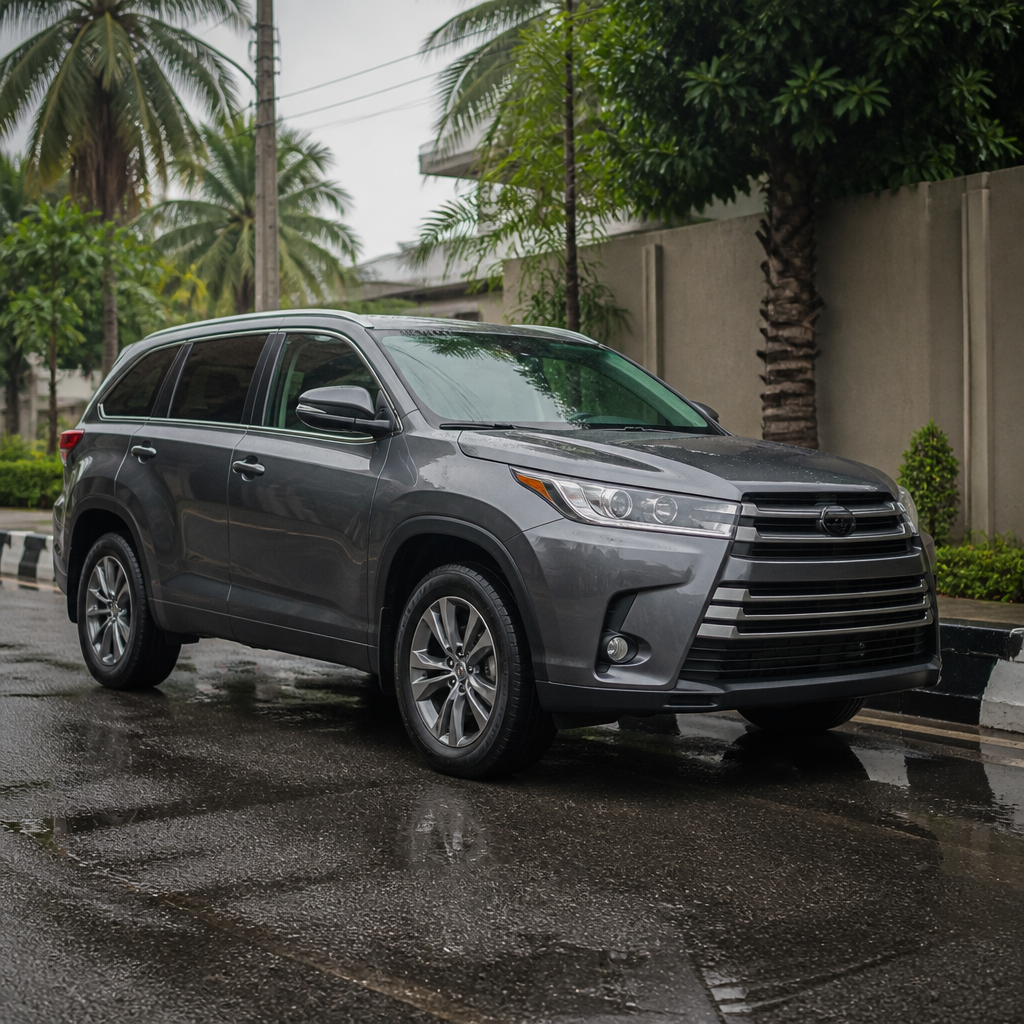
Choosing the right tyres for Nigerian roads can improve your vehicle’s grip, braking, comfort and reliability. The best option is not always the most expensive tyre or the one with the deepest-looking tread. You need a tyre that matches your vehicle, driving pattern, weather conditions, road surfaces and budget.
Nigeria presents a wide range of driving conditions. You may move between smooth city roads, broken surfaces, gravel shoulders, flooded streets, expressways and unpaved access roads during the same week. Heat, heavy rain, dust, potholes, overloaded vehicles and long journeys can also place extra demands on tyres.
This guide explains how to make a careful choice. It covers tyre size, construction, tread patterns, wet-weather performance, load and speed ratings, age, storage, installation and maintenance. It also shows how to inspect a tyre before purchase and how to avoid common mistakes. Tokunbo Car Inspection: 20 Things to Check Before Payment
Why the right tyres matter on Nigerian roads
Tyres are the only parts of your vehicle that directly touch the road. Every steering input, acceleration and braking action depends on their small contact patches. If the tyres have poor grip, incorrect pressure or hidden damage, other vehicle systems cannot fully compensate.
Good tyres can help your car remain stable when you brake suddenly. They can also reduce the chance of losing control on a wet surface. However, no tyre can make unsafe speeds, worn suspension or reckless driving safe. Tyres work best as part of a properly maintained vehicle.
Road conditions affect tyre wear in different ways. Pothole impacts can damage the sidewall or bend the wheel. Rough shoulders can cut the tread. Excessive heat can accelerate ageing, especially when a tyre is underinflated or heavily loaded. Standing water increases the risk of losing contact with the road if the tread cannot move water away effectively.
For these reasons, tyre selection should begin with your actual driving conditions. A tyre that works well for a driver who stays on paved roads in a city may not be the best choice for someone who regularly visits construction sites, farms or rural communities.
Start with your vehicle’s approved tyre size
Before comparing brands, confirm the correct tyre size for your vehicle. The information may appear on the existing tyre sidewall, the vehicle handbook, a label on the driver’s door frame or another manufacturer-provided location. Do not rely only on what a previous owner installed.
A typical size marking may look like 205/55 R16 91V. Each part provides useful information:
- 205 is the nominal section width in millimetres.
- 55 is the aspect ratio. The sidewall height is a percentage of the tyre width.
- R identifies radial construction, which is common on modern passenger vehicles.
- 16 is the wheel diameter in inches.
- 91 is the load index.
- V is the speed rating.
Do not assume that a wider tyre is automatically safer. A change in width, sidewall height or overall diameter can affect steering feel, speedometer readings, fuel use, suspension clearance and braking behaviour. It may also cause the tyre to rub against the wheel arch or suspension components.
Check the complete size, not just the wheel diameter
Many buyers ask for a 15-inch or 17-inch tyre without checking the rest of the marking. Wheel diameter alone does not identify the correct tyre. Two tyres that fit a 17-inch wheel can have different widths, sidewall heights, load ratings and intended uses.
When replacing tyres, compare the full marking. If you want to change the original size, ask a qualified tyre professional to confirm that the alternative is suitable for your vehicle. The replacement should maintain safe clearance and meet the vehicle maker’s requirements.
Do not mix unsuitable sizes
Ideally, use matching tyres across the same axle. If only two tyres are replaced, ask the installer about the safest arrangement for your vehicle. Differences in tread design, grip and wear can affect handling, particularly in rain.
Four-wheel-drive and all-wheel-drive vehicles may have stricter requirements. Even small differences in rolling circumference can create problems for some drivetrains. Check the vehicle manual before mixing brands, tread patterns or sizes.
Consider the roads you use most often
The best tyres for Nigerian roads depend on where and how you drive. Make a realistic assessment rather than choosing based on appearance. Think about your usual route, your longest regular journey and the road conditions you face during the rainy season.
Mainly urban paved roads
If you spend most of your time on paved roads in Lagos, Abuja, Port Harcourt, Ibadan, Benin City or another urban area, a quality touring or highway tyre may suit your needs. Look for a balanced design that provides wet-road grip, predictable steering, reasonable comfort and stable performance at motorway speeds.
A road tyre usually offers a smoother ride than an aggressive off-road pattern. It may also produce less noise and roll more efficiently. That can be useful for daily commuting, provided the tyre has the correct size and ratings.
Frequent potholes and rough surfaces
If your routes include potholes, broken edges or rough construction areas, sidewall strength and impact resistance become important considerations. A tyre with an extremely short sidewall may offer sharp handling, but it gives the wheel less cushioning against severe impacts.
That does not mean you should automatically choose the tallest tyre available. The correct option must still fit the vehicle and wheel. Ask about the manufacturer’s intended use and inspect the tyre after serious impacts. A tyre can suffer internal damage even when the outer sidewall looks acceptable.
Gravel, mud and unpaved roads
Drivers who regularly use gravel roads or light off-road routes may need an all-terrain pattern. These tyres often have more open tread blocks and stronger construction than ordinary touring tyres. They can provide better traction on loose surfaces.
However, an aggressive tread is not a universal upgrade. It can be noisier on asphalt, wear faster if alignment is poor and sometimes deliver less precise steering. If your vehicle almost never leaves paved roads, a highway tyre may provide a better overall balance.
Long-distance intercity travel
For frequent intercity journeys, focus on stability, heat management, wet-road grip, load capacity and consistent construction. Long trips expose weaknesses that may not appear during a short commute. How to Choose the right tyres for Nigerian roads
Before travelling, inspect all four tyres and the spare. Confirm pressure when the tyres are cold, and check that the vehicle is not overloaded. Luggage should be distributed carefully, with heavy items secured and placed as low as practical.
Understand tread patterns and wet-road performance
Tread design affects how a tyre interacts with water, dust, gravel and asphalt. Grooves help move water away from the contact area. Tread blocks influence braking, cornering and traction. The exact design varies by tyre type, so no single pattern is best for every driver.
For regular driving during heavy rain, look for a tyre from a reputable manufacturer that is designed for dependable wet grip. Pay attention to the product information and do not judge performance only by the number of grooves. A tyre with deep grooves is not necessarily better if the rubber compound, construction or condition is poor.
Wet grip also depends on tread depth. As a tyre wears, the channels that move water become shallower. Braking and cornering performance can decline before the tyre looks completely smooth. Replace tyres when they reach the manufacturer’s wear indicators or when a qualified professional identifies unsafe wear.
Why rain requires more than a new tread pattern
Flooded roads create risks that tyres alone cannot remove. Water may hide potholes, broken surfaces or open drains. If the water is deep, it can affect the engine, brakes and electrical components as well as the tyres.
Reduce speed before reaching standing water. Avoid sudden steering or braking, and leave more distance from the vehicle ahead. If visibility is poor, stop in a safe location rather than continuing through dangerous conditions.
Tyre pressure matters in the rain too. Underinflation can increase heat and distort the contact patch. Overinflation can reduce the amount of tread touching the road and may make the vehicle feel less settled. Use the vehicle manufacturer’s recommended pressure rather than the maximum pressure printed on the tyre sidewall.
Choose the correct load index and speed rating
The load index tells you the maximum load assigned to a tyre under specified conditions. The speed rating indicates the maximum speed capability associated with the tyre’s design. These markings must match the vehicle’s requirements.
Do not select a lower load index because the tyre is cheaper or easier to find. A vehicle carrying passengers, luggage or equipment needs sufficient capacity at each wheel. SUVs, pickup trucks, minibuses and commercial vehicles require particular care because their loads can vary greatly.
A higher load index is not automatically a complete solution. The tyre must still have the correct size, construction and application. You should also respect the vehicle’s gross weight limits and axle limits.
For speed ratings, follow the vehicle maker’s recommendation and the limits that apply to safe driving. A higher rating does not give permission to drive faster. It may involve different handling, comfort, cost or rolling-resistance characteristics.
Think about passenger and cargo loads
Consider the heaviest load you regularly carry, not only the weight of the driver. A sedan used for daily commuting may occasionally carry five adults and luggage. A pickup may carry tools or building materials. A family SUV may travel long distances with a full cabin and a loaded boot.
Check the vehicle information label for the recommended pressure when carrying heavier loads. Some vehicles specify different pressures for normal and fully loaded use. Follow those instructions and avoid guessing.
Compare tyre construction, comfort and durability
Tyres are designed with different priorities. Some focus on quietness and comfort. Others prioritise handling, long wear, fuel efficiency or resistance to rough surfaces. You should decide which qualities matter most for your routine.
A touring tyre can be a sensible choice for a family car used mainly on paved roads. A performance tyre may offer responsive steering, but it may cost more and wear faster. An all-terrain tyre may suit mixed surfaces, but it can create more noise and reduce efficiency on asphalt.
Durability is not the same as hardness. A very hard compound may last longer in some conditions, but it may not provide the wet grip or comfort you need. Likewise, a soft performance compound may grip well but require more frequent replacement.
Ask the seller for the tyre’s intended application. Product names can be confusing, and visual features can be misleading. A tyre with large sidewall lettering or an aggressive appearance may not be suitable for your vehicle or driving pattern.
Inspect the tyre before you buy
Whether you buy from a physical shop or an online seller, inspect the product carefully before installation. Ask to see the exact tyre, not only a catalogue image. Compare the markings with your vehicle requirements. How to Choose the Right Tyres for Nigerian Roads
- Check the size. Confirm width, aspect ratio, construction and wheel diameter.
- Check the load and speed ratings. Make sure they meet the vehicle’s requirements.
- Inspect the sidewall. Look for cuts, bulges, cracks, abrasions or unusual marks.
- Inspect the tread. It should be even, clean and free from damage or embedded objects.
- Look for manufacturing information. Ask the seller to explain the date code and other markings.
- Confirm that the tyre is unused. A tyre that has been mounted or driven may not be equivalent to a new product.
- Check storage conditions. Tyres should be protected from prolonged sun exposure, chemicals, moisture and unnecessary heat.
A tyre does not become unsafe simply because it was manufactured recently or because it is not from the same week as another tyre. Nevertheless, age and storage matter. Rubber changes over time, even when a tyre has not been used. Ask the seller how the product was stored and follow the manufacturer’s guidance on age-related replacement.
Be careful with unusually cheap tyres
A very low price may reflect a clearance deal, an unfamiliar brand, an old product, unclear warranty support or a mismatch with your vehicle. Price alone does not prove that a tyre is unsafe, but it should encourage more questions.
Compare the full specification, not only the brand name. Check whether the seller provides a proper invoice and whether there is a clear process for handling manufacturing defects. Avoid products with damaged packaging, missing markings or unexplained alterations.
Also be cautious with part-worn tyres. They may have visible tread but unknown history. A used tyre could have been driven underinflated, repaired incorrectly, exposed to a severe impact or stored badly. If you consider one, have it inspected by a qualified tyre professional and understand the risks before buying.
Buy from a trustworthy seller and use proper installation
Good tyres can perform poorly if they are fitted carelessly. Choose a seller or workshop that uses suitable equipment and takes time to inspect the wheel and valve.
During installation, ask the technician to check for bent wheels, damaged valves and corrosion around the bead area. The tyre should seat evenly on the rim. The wheel should then be balanced, and the vehicle should receive an alignment check if there is uneven wear, steering pull or a history of pothole impacts.
Do not allow a technician to force a tyre onto an incompatible wheel. Do not accept a repair to a sidewall as a normal solution. Ask for an explanation if the workshop recommends replacing a wheel, valve or another component.
Balancing and alignment are not the same
Wheel balancing corrects weight differences around the wheel and tyre assembly. Poor balance can cause vibration, especially at higher speeds. Alignment adjusts the angles that control how the wheels meet the road.
Alignment problems can cause the vehicle to pull to one side or wear the inner and outer edges of the tread. Balancing cannot correct every alignment problem, and alignment cannot fix a damaged or badly balanced wheel. Both should be checked when symptoms appear.
Set the correct tyre pressure
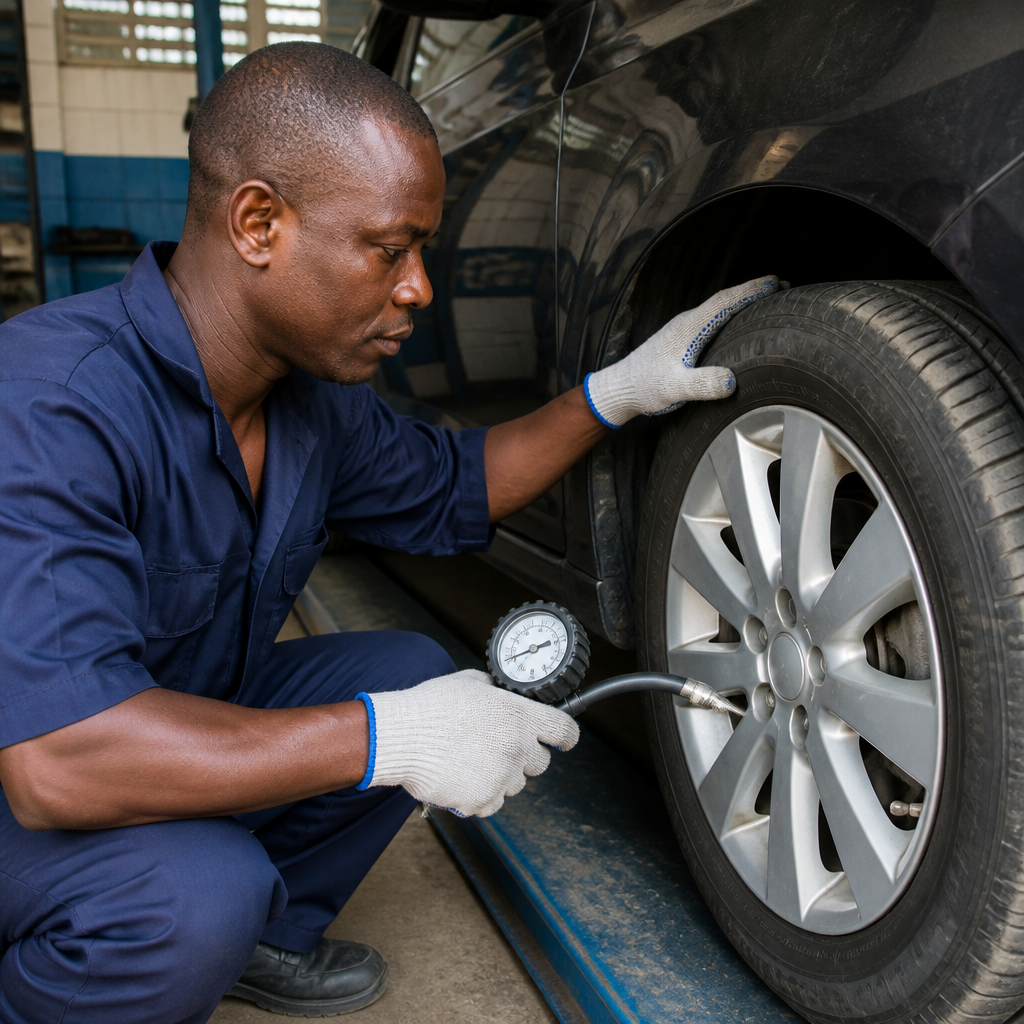
Pressure is one of the simplest and most important parts of tyre care. Check it regularly with a reliable gauge when the tyres are cold. Driving heats the air inside the tyre, so a reading taken immediately after a long journey may not represent the cold pressure.
Use the pressure recommended by the vehicle manufacturer. You can usually find it on the vehicle information label or in the handbook. The maximum pressure printed on the sidewall is not necessarily the pressure you should use for everyday driving.
Underinflation can increase rolling resistance, heat build-up and shoulder wear. It may also make steering feel heavy. Overinflation can reduce comfort, concentrate wear in the centre of the tread and affect grip on uneven surfaces.
Check the spare tyre too. A spare that has been ignored for years may have low pressure or age-related damage. If your vehicle uses a temporary spare, follow its restrictions and return to a normal tyre as soon as practical.
Monitor wear, damage and tyre age
Inspect your tyres at least regularly and before long journeys. Look across the entire tread, including the inner edge, which is easy to miss. Look for uneven wear, exposed cords, cracks, bulges, cuts and objects lodged in the tread.
Uneven wear can reveal another problem. Wear on both shoulders may suggest underinflation. Excessive centre wear may indicate overinflation. Wear on one edge can point to alignment or suspension issues. Cupped or scalloped wear may be linked to balance, suspension or other mechanical faults.
A puncture should be assessed from the inside by a qualified technician. A simple plug inserted from the outside may not be an appropriate permanent repair. The location, size and nature of the damage determine whether repair is possible. Sidewall damage is especially serious because the sidewall flexes during driving.
Age also deserves attention. Look for cracking between tread blocks and on the sidewall. Follow the tyre manufacturer’s recommendations for inspection and replacement based on age, condition and service history. If you cannot establish the tyre’s history, use extra caution. Why Your Car Vibrates While Driving and What It Could Mean
Rotate tyres and maintain the whole vehicle
Tyre rotation can help distribute wear, but the correct pattern depends on the vehicle and tyre type. Directional tyres, staggered wheel sizes and some four-wheel-drive systems require special procedures. Ask the vehicle maker or a qualified technician before rotating.
Do not ignore suspension and steering components. Worn shock absorbers, damaged bushes or loose steering parts can reduce tyre contact with the road. They can also destroy a new set of tyres quickly.
Keep the wheels clean and avoid contact with oil, fuel, solvents and harsh chemicals. Park in shade when possible, especially during long periods without use. If a vehicle will remain stationary for an extended time, follow the manufacturer’s storage guidance.
Common mistakes to avoid
- Choosing only by price. The cheapest tyre may not offer the right specification, condition or support.
- Choosing only by tread depth. A deep tread cannot compensate for age, damage or an unsuitable design.
- Fitting a different size without checking clearance. The tyre may rub or change vehicle behaviour.
- Using the maximum sidewall pressure as the normal setting. Use the vehicle maker’s recommendation instead.
- Ignoring the spare. A flat spare is useless during an emergency.
- Mixing tyres carelessly. Different grip levels can affect balance and handling.
- Continuing after a major pothole impact. Stop safely and inspect the tyre and wheel.
- Replacing tyres without investigating uneven wear. The same mechanical problem may damage the replacement set.
- Assuming an SUV tyre is suitable for every SUV. Size, load index and construction still have to match.
- Driving through deep water at speed. Tyres cannot remove the risks created by flooding.
A practical buying checklist
Use this checklist before paying for tyres:
- Write down the full tyre size currently recommended for your vehicle.
- Confirm the required load index and speed rating.
- Decide whether you mainly drive on paved roads, rough roads, gravel or mixed surfaces.
- Consider rain, heat, passenger loads and your longest regular trips.
- Compare reputable products with the same specification.
- Inspect the sidewalls, tread and manufacturing information before installation.
- Ask about storage, warranty support and the seller’s return or defect process.
- Have the tyres fitted by a competent technician.
- Balance the wheels and check alignment when necessary.
- Set cold pressure to the vehicle maker’s recommendation.
- Keep the invoice and record the installation date.
- Inspect the tyres regularly and before long-distance travel.
This process helps you compare value rather than chasing the lowest purchase price. A tyre that lasts well, grips predictably and suits your roads may cost less over its useful life than a cheaper product that wears quickly or performs poorly in rain.
Frequently asked questions
Are wider tyres better for Nigerian roads?
Not necessarily. Wider tyres can change steering response and may provide a different contact area, but they can also increase road noise, rolling resistance and the risk of rubbing. Use the approved size unless a qualified professional confirms a suitable alternative.
Should I buy run-flat tyres?
Run-flat tyres can allow limited travel after a loss of pressure, depending on the tyre and vehicle system. They may have different comfort, repair and replacement requirements. Fit them only when the vehicle is designed or approved for them, and follow the manufacturer’s instructions.
Is an all-terrain tyre best for potholes?
An all-terrain tyre may suit mixed surfaces, but it does not make pothole impacts harmless. Speed, tyre pressure, wheel design and suspension condition still matter. Choose an all-terrain tyre only if your regular driving justifies its compromises.
Can I replace only one tyre?
Replacing one tyre may create differences in tread depth and grip. The safest option depends on the vehicle, drivetrain, remaining tread and tyre condition. Ask a qualified technician to assess the full set before making a decision.
How often should I check tyre pressure?
Check pressure regularly and before long trips. The exact interval depends on vehicle use and the manufacturer’s guidance. Check when the tyres are cold, and inspect the tyres whenever the vehicle has hit a pothole or sharp object.
Do new tyres need a break-in period?
Follow the tyre manufacturer’s instructions. New tyres may feel different from worn tyres, and careful driving during the first part of use allows you to become familiar with their steering and braking response. Avoid abrupt manoeuvres while you adjust.
What is the best tyre brand for Nigeria?
There is no single best brand for every Nigerian driver. The right choice depends on the correct specification, authentic product, storage condition, road use, support and budget. Compare tyres on those factors instead of relying on brand reputation alone.
Final advice for choosing tyres for Nigerian roads
The safest choice begins with the vehicle manufacturer’s specifications. From there, match the tyre to your real driving conditions, including paved roads, potholes, rain, heat, gravel and passenger loads. Check the product carefully, buy from a trustworthy seller and insist on proper fitting.
Once installed, maintain pressure, inspect for damage, correct alignment problems and replace tyres when age or wear makes them unsuitable. Remember that careful driving remains essential. Even the best tyres for Nigerian roads need sensible speed, safe following distance and extra caution around potholes and flooded surfaces.
When in doubt, ask a qualified tyre professional to inspect the vehicle and explain the available options. A short conversation before purchase can help you avoid an incorrect size, an unsuitable tread pattern or a tyre that cannot safely carry your normal load.
3 thoughts on “How to Choose Tyres for Nigerian Roads”