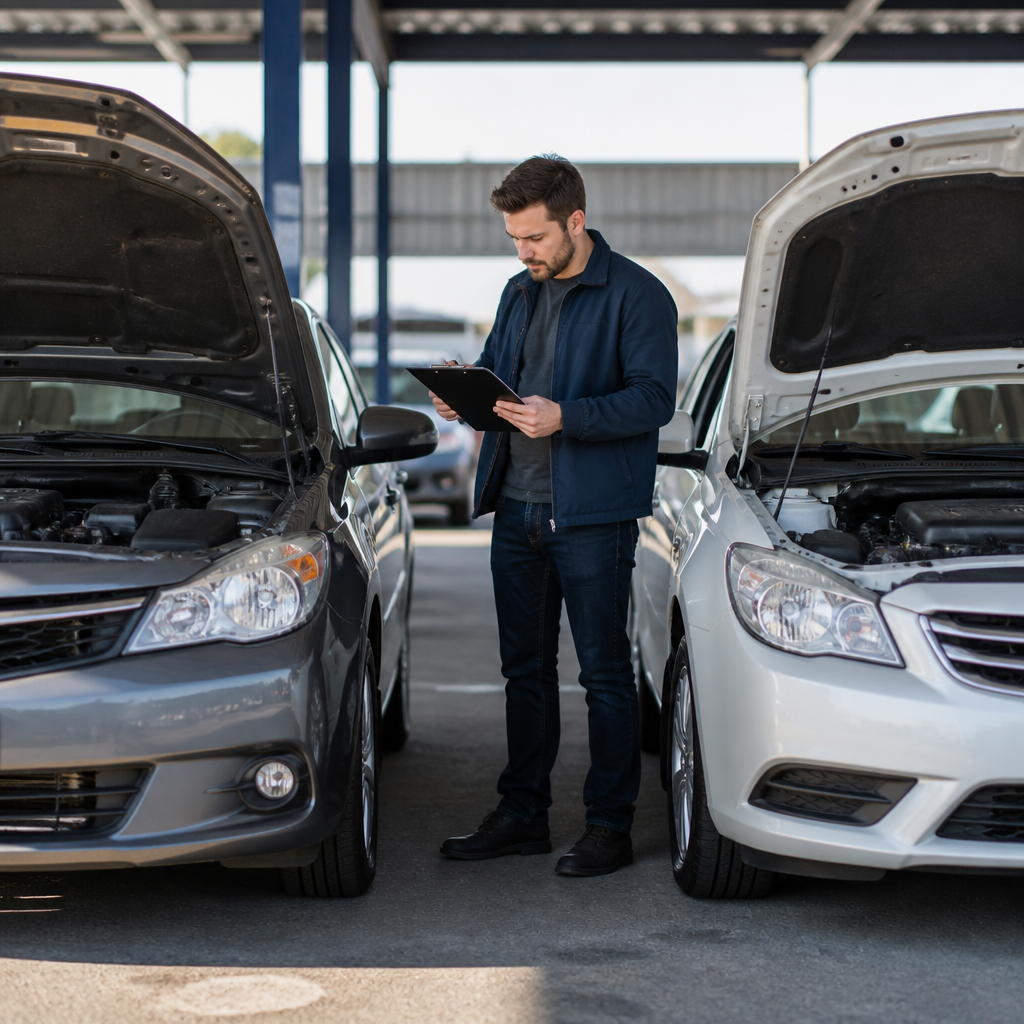
When you compare used cars, do not choose only the vehicle with the lower asking price or the more attractive appearance. A reliable decision requires a side-by-side review of condition, history, safety, running costs, practicality, paperwork and seller credibility. This guide shows you how to compare two vehicles methodically before you commit your money.
Two cars can look similar in photographs yet offer very different ownership experiences. One may have a stronger maintenance record, better tyres and fewer signs of accident damage. The other may be cheaper today but need immediate work on the brakes, suspension, air-conditioning system or engine. A structured comparison helps you identify that difference before it becomes your problem.
Why you should compare used cars systematically
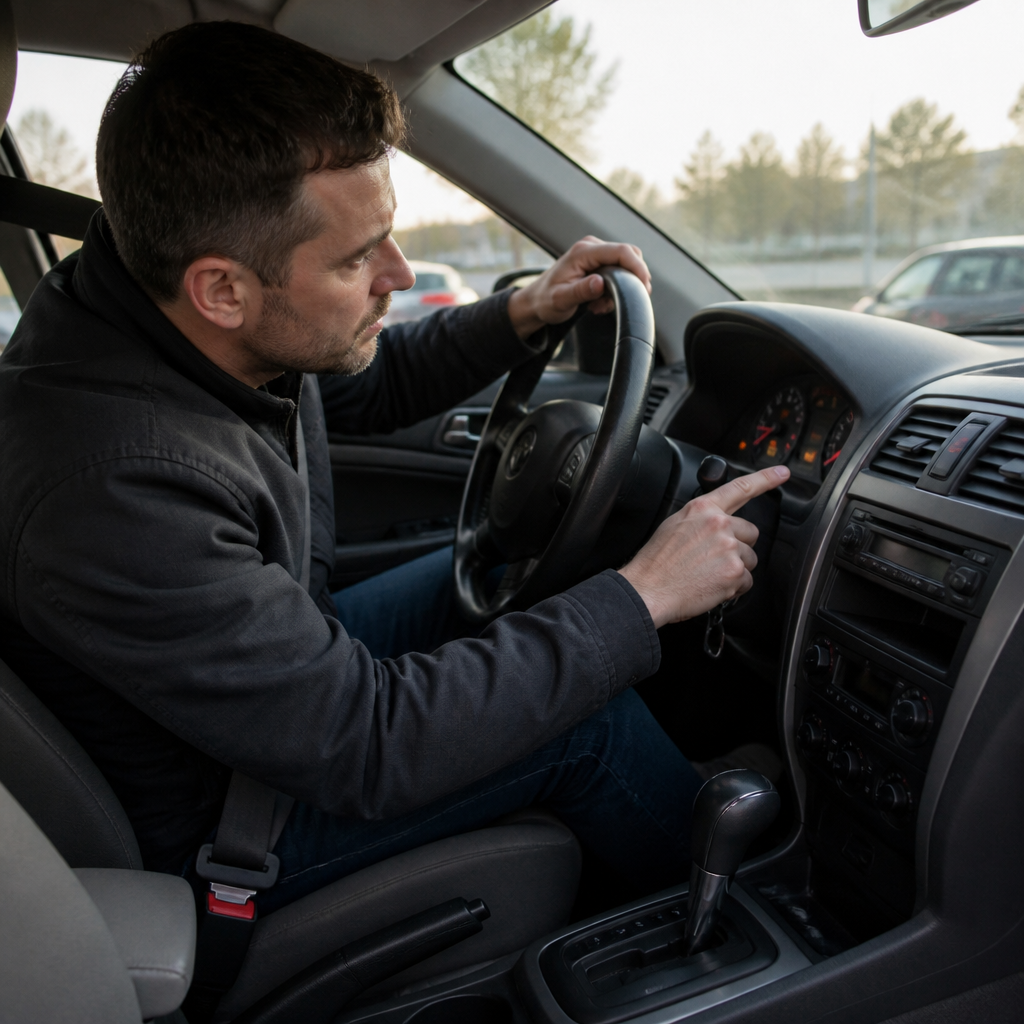
Buying a used vehicle always involves some uncertainty. You may not know every detail of its previous use, and a short inspection cannot reveal everything. However, you can reduce the risk by collecting the same information for both cars and judging them against the same standards. Best Long-Distance Cars for Nigerian Roads
A systematic comparison also protects you from common buying mistakes. Buyers often become attached to the first car they like. They may overlook faults because the colour is attractive, the seller seems friendly or the asking price appears affordable. A written comparison makes the decision more objective.
The best car is not necessarily the newest one, the largest one or the cheapest one. It is the vehicle that gives you the right balance of:
- Purchase price and available budget
- Mechanical condition
- Verified ownership and vehicle history
- Safety equipment and crash protection
- Fuel, maintenance and repair costs
- Comfort and suitability for your normal journeys
- Availability of parts and qualified technicians
- Resale prospects and likely depreciation
Before viewing either vehicle, create a simple comparison table. Use one column for each car and rows for mileage, model year, engine, transmission, service records, tyres, known faults, paperwork, asking price and estimated repairs. Add notes during each viewing instead of relying on memory later.
Start with your needs and budget
Before comparing two specific cars, define what you need from a vehicle. Otherwise, you may compare features that do not matter while ignoring the issues that will affect your daily life.
Identify your normal driving pattern
Think about how and where you drive most often. A small hatchback may suit urban commuting, parking and lower fuel consumption. A larger vehicle may be more suitable for family trips, rougher roads, frequent passengers or carrying equipment. Neither choice is automatically better.
Ask yourself practical questions:
- How many people normally travel in the vehicle?
- Do you drive mainly in town, on motorways or on unpaved roads?
- Do you need a large boot or flexible rear seats?
- Will you drive long distances regularly?
- Do you need an automatic transmission?
- Is ground clearance important for your usual routes?
- Do you need strong air conditioning because of your climate?
- Will you use the car for work, family transport or occasional trips?
Write down your three most important requirements. For example, you might choose reliability, low running costs and enough space for four adults. These priorities should guide the comparison when the two vehicles have different strengths.
Calculate the full ownership budget
The purchase price is only one part of the cost. Set aside money for registration or transfer expenses, insurance, inspection, immediate servicing, tyres, fluids and unexpected repairs. The exact costs depend on your location, vehicle type and provider, so confirm local fees before buying.
A car that uses less fuel may still be expensive to own if it has specialised parts or a complicated repair history. Likewise, a larger engine may cost more to run, but a well-maintained example could be more dependable than a neglected smaller vehicle. Look beyond the badge and assess the specific car in front of you.
Do not spend your entire budget on the purchase. A reasonable reserve gives you room to handle defects discovered after the sale. If you cannot afford an independent inspection or basic repairs, the cheaper car may not be the safer financial choice.
Compare the basic specifications
Begin with objective details. Record the model year, trim level, engine size, transmission type, drive layout, mileage and body style for both vehicles. Confirm these details from the vehicle itself and its documents rather than relying only on the advertisement.
Specifications can affect both suitability and future costs. For example, two cars with the same model name may have different engines, safety features, transmission systems or equipment levels. Confirm the exact version before comparing prices.
Pay attention to the following points:
- Model year: A newer car may have newer safety or convenience features, but condition matters more than age alone.
- Mileage: Mileage provides useful context, but it is not proof of condition. A high-mileage car with consistent servicing may be stronger than a low-mileage car with poor maintenance.
- Engine and transmission: Confirm the fuel type, engine specification and transmission. Repair complexity and parts availability can vary.
- Trim and equipment: Check whether each car has the features you actually need, such as parking sensors, a spare wheel, climate control or stability systems.
- Tyre and wheel size: Larger or less common tyres can increase replacement costs.
- Seating and cargo space: Test the rear seats and boot with your normal passengers or luggage in mind.
Do not treat a long equipment list as a substitute for condition. A feature-rich vehicle with warning lights, worn suspension or missing service records still requires caution.
Check the vehicle history and paperwork
Documents can reveal problems that are not obvious during a quick viewing. Ask to see the available ownership, registration, import, service and inspection records. The exact documents vary by country, so use the requirements of your local vehicle authority as your guide.
Check that the identification number on the vehicle matches the number on the documents. Depending on the vehicle, you may find the VIN on the dashboard, door frame, engine compartment or another manufacturer-designated location. Any mismatch, damaged plate or altered marking deserves a clear explanation before you proceed.
Review service and repair records
A service history is more useful when it includes dates, mileage, work performed and the workshop or technician involved. Look for evidence of routine maintenance, not just a recent oil change before the sale.
Important records may include:
- Engine oil and filter changes
- Transmission servicing where required
- Brake pad, disc or shoe replacement
- Coolant and other fluid maintenance
- Timing belt or chain-related work where applicable
- Battery replacement
- Tyre purchases and wheel alignment
- Suspension, steering or electrical repairs
- Accident repairs and replacement panels
A missing history does not prove that the car is bad. It does mean you should be more cautious and allow for unknown maintenance. If the seller claims that major work was completed, ask for an invoice or other supporting evidence.
Investigate the vehicle identification number
Use reliable vehicle-history or identification services available in your market. The National Highway Traffic Safety Administration provides a VIN decoder and recall information for vehicles covered by its systems. These resources are useful examples of how official records can support your checks, although local records and authorities remain important.
Compare any available history with the seller’s description. Look for reported theft, salvage, serious damage, odometer concerns, ownership changes or unresolved recalls. A report is not a replacement for inspection, because databases can be incomplete or delayed.
Never ignore inconsistencies. A seller who refuses to show documents, rushes you to pay or gives conflicting explanations creates additional risk. You do not need to prove that a vehicle is fraudulent before walking away. Unclear history is enough reason to pause.
Inspect the exterior in daylight
View both cars in good daylight and, if possible, on a clean, dry surface. Poor lighting can hide paint differences, dents, corrosion and previous repairs. Walk around each vehicle slowly and inspect the same areas in the same order. Used Car Nigeria: When Is the Best Time to Buy?
Look for differences in paint colour between adjacent panels. Slight variation can result from normal ageing, but a sharp mismatch may indicate repainting. Check panel gaps, bonnet alignment, door fit and the shape of the body lines. Uneven gaps can suggest previous collision repairs, although only a qualified inspection can confirm the cause.
Inspect the following areas:
- Front and rear bumpers
- Headlamps and tail lamps
- Bonnet, roof and boot lid
- Doors, wings and quarter panels
- Wheel arches and lower sills
- Underside of the vehicle where visible
- Glass, mirrors and wiper arms
- Door seals and weather stripping
Small scratches are usually easier to address than structural damage or serious corrosion. Look beneath the surface. Bubbling paint, flaking metal and rust around suspension mounting points may become expensive problems.
Check all lights and indicators. Replacements may be simple or costly depending on the design. Confirm that the boot opens properly, the bonnet latch works and each door locks and closes securely.
Inspect the tyres, wheels and suspension
Tyres provide useful clues about both immediate costs and vehicle condition. Compare tread depth visually, but also check for uneven wear across the tyre. Wear on one edge may indicate alignment, suspension or steering problems.
Check the tyre sidewalls for cracks, bulges or other damage. Confirm that all four tyres are the correct size and that the tread patterns are reasonably consistent. A vehicle with several tyres near replacement may need more money immediately than the asking price suggests.
Inspect the wheels for bends, cracks and heavy impact marks. Damage can occur after pothole strikes and may cause vibration or air loss. Ask whether the car includes a usable spare wheel, jack and wheel-removal tools.
During the inspection, look for leaks or damaged components around the suspension. A low corner, unusual stance or knocking noise deserves attention. Do not crawl under a vehicle unless it is safely supported. A professional should examine areas that require lifting.
Assess the engine compartment and fluid condition
Ask to see the engine when it is cold. A seller who warms the vehicle before you arrive may be trying to hide difficult cold starting, smoke or unusual noises. Do not touch hot components, and keep clothing and hands away from belts, fans and moving parts.
Look for obvious oil or coolant leaks around the engine, hoses and reservoirs. Check fluid levels only as recommended by the manufacturer. Dark or dirty fluid does not always identify a specific fault, but low levels, strong contamination or a neglected engine should increase your caution.
Inspect the battery for corrosion and confirm that it is securely mounted. Look at wiring for signs of poor repairs, exposed conductors or modifications. After starting the engine, watch for warning lights. Some lights should appear briefly during the starting sequence and then go out; lights that remain on require investigation.
Listen for knocking, tapping, rattling, squealing or irregular idling. A short video cannot replace a mechanical assessment. If either car produces a sound you cannot explain, arrange an inspection before making an offer.
Compare used cars during a proper test drive
A test drive is one of the most valuable parts of the process. Drive both cars on similar roads when safe and legal. Use urban streets, a smoother faster road and a route with turns, stops and moderate inclines if available.
Before moving, adjust the seat, mirrors and steering wheel. Check visibility, driving position and access to the controls. Confirm that the seat remains comfortable after more than a few minutes, especially if you expect long journeys.
What to notice when starting and moving
Pay attention to how each car starts from cold. It should respond without excessive cranking, heavy smoke or severe vibration. The precise behaviour depends on the engine and fuel system, so compare it with manufacturer guidance or a technician’s opinion.
During the drive, assess:
- Steering response and whether the car tracks straight
- Brake pedal feel and whether the vehicle pulls to one side
- Gear changes, clutch engagement or automatic transmission behaviour
- Engine response when accelerating gently and firmly
- Suspension noise over bumps
- Vibration through the steering wheel, seat or floor
- Air-conditioning performance and fan operation
- Visibility, blind spots and ease of parking
- Warning lights, unusual smells or changes in temperature
Do not drive aggressively to test a used car. Smooth, controlled driving is enough to reveal many issues. If the seller will not allow a meaningful test drive, treat that as a serious warning.
Test the controls and safety features
Operate every important control. Test the windows, mirrors, locks, wipers, washers, horn, lights, audio system and dashboard display. Check the boot release, fuel door and remote key functions.
Confirm that seat belts latch and retract properly. Check the airbag warning light and other safety indicators. Do not assume a feature works because its button is present. Test it yourself when safe.
If the vehicle has parking sensors, a camera, driver-assistance functions or a touchscreen, test each system. Electronic repairs can be expensive, and some faults may not be obvious until the car is driven.
Compare safety, comfort and everyday practicality
Safety should receive more weight than cosmetic features. Compare the available restraint systems, braking technology, stability features and crash-test information where reliable data exists for the exact model and equipment level. Safety equipment can vary between markets and trim versions.
Check the condition of seat belts, head restraints and child-seat anchor points if you need them. Look for damaged dashboard panels or missing airbag covers. A professional should investigate any signs that airbags have deployed or interior safety components have been replaced. Tokunbo Car Inspection: 20 Things to Check Before Payment
Comfort also affects whether you will enjoy and safely operate the vehicle. Sit in every seat you expect to use. Check legroom, headroom, door access, storage spaces and the boot opening. Try loading a bag, stroller, work equipment or other items you commonly carry.
Consider visibility and manoeuvrability. A vehicle can be technically reliable but frustrating if it is difficult to park or has poor visibility for your normal environment. Choose the car that fits your real routine, not an imagined lifestyle.
Estimate fuel, maintenance and repair costs
Compare likely running costs instead of relying on general reputation. Ask a trusted technician or parts supplier about routine service items, common wear components and parts availability for each specific model.
Consider:
- Fuel type and expected consumption in your driving conditions
- Oil, filter and fluid service requirements
- Tyre size and replacement availability
- Brake component prices
- Battery cost and expected specification
- Air-conditioning servicing needs
- Suspension and steering parts
- Transmission repair complexity
- Access to qualified technicians
Do not use a single fuel-consumption figure as a promise. Real consumption changes with traffic, road conditions, tyre pressure, load, driving style and vehicle condition. Use published figures as a comparison point, then ask owners or a reputable technician about practical experience.
Also consider downtime. A vehicle that requires uncommon parts may spend longer in a workshop. For someone who depends on the car for work, that inconvenience has a real cost.
Use a fair scoring system
Once you inspect both vehicles, score them using the same categories. A simple scale from one to five can help, but your notes matter more than the exact numbers.
Suggested categories include:
- Mechanical condition
- Body and interior condition
- Maintenance history
- Documentation and ownership clarity
- Safety equipment
- Driving comfort
- Practicality
- Expected running costs
- Immediate repair needs
- Price after adjustments
You can assign greater importance to categories that affect your situation. For example, a family buyer may give more weight to safety and space. A commercial driver may prioritise reliability, fuel cost and parts availability.
Keep facts separate from impressions. Write “front tyres worn on inner edges” as a fact. Write “feels less stable” as an observation that needs further checking. This distinction helps you decide which concerns require professional verification.
Calculate the adjusted purchase price
The asking price is not the same as the real cost of bringing a used car into dependable daily service. Create an adjusted price for each vehicle:
Adjusted cost = asking price + immediate repairs + overdue maintenance + transfer expenses + realistic near-term replacements.
For example, imagine Car A costs more but needs only routine servicing. Car B has a lower asking price but requires four tyres, brake work, a battery and air-conditioning repairs. After adding those items, Car B may no longer be the cheaper vehicle.
Use quotations or reasonable local estimates rather than guessing. If a fault has not been diagnosed, mark the amount as uncertain and include a contingency. Never subtract the full cost of a possible repair from the price unless a qualified professional has confirmed it.
Ask the seller whether there is flexibility in the price, but do not negotiate only because you want a discount. Base your offer on documented maintenance needs, visible defects and comparable vehicles. A fair explanation is more effective than an emotional argument.
Arrange an independent inspection
An independent inspection is especially important when the two vehicles are close in price or when one has unclear history. Choose a technician who is not connected to the seller. A seller’s preferred mechanic may be honest, but an independent professional gives you stronger separation.
Ask the inspector to examine the engine, transmission, brakes, suspension, steering, cooling system, electrical systems, underside, body structure and diagnostic codes where appropriate. Request a written report that distinguishes urgent defects from routine future maintenance.
Tell the technician how you plan to use the car. They can pay closer attention to issues that matter for long trips, heavy loads, city driving or rough roads. Provide the vehicle identification details and any history you received.
Do not treat a clean inspection as a guarantee. Mechanical components can fail without warning, and no inspection can predict every future repair. The purpose is to identify current condition, visible risks and likely immediate costs.
If the seller refuses an inspection, offers only a very short drive or insists that you pay before checking the vehicle, be prepared to walk away. A genuine seller should understand why a buyer needs reasonable verification. How to Spot a Used Car Oil Leak Before You Buy
Watch for warning signs from the seller
The seller’s behaviour can provide useful context. Be careful if the person avoids direct questions, cannot explain the ownership history, changes the price suddenly or pressures you to transfer money immediately.
Other warning signs include:
- Documents that appear inconsistent or incomplete
- A request to meet somewhere that prevents proper inspection
- Pressure to skip a test drive or independent inspection
- Claims that a major defect is normal without evidence
- Unclear answers about accident damage or previous use
- Different names on the vehicle documents and sale agreement without explanation
- Requests to pay a deposit before you verify the car
- A price that seems unusually attractive compared with similar vehicles
One warning sign may have an innocent explanation. Several together should make you stop. Confirm the seller’s authority to sell and use a written agreement that records the vehicle details, price, payment terms and any promises about repairs or documents.
Make the final decision without rushing
After inspecting both vehicles, take time to review your comparison table away from the sellers. Ask which car has fewer unknowns, not simply which one has more features. Reliability often comes from evidence of proper care, not from appearance.
Use these final questions:
- Which car has the clearer history?
- Which vehicle passed the more thorough inspection?
- Which one has fewer immediate repair needs?
- Which car fits my driving conditions and passenger needs?
- Can I afford the purchase and the likely near-term maintenance?
- Are the vehicle identity and ownership documents consistent?
- Would I still choose this car if the seller’s pressure disappeared?
If one car wins clearly, proceed with the required checks and paperwork. If the scores are close, choose the vehicle with better documentation, stronger inspection results and lower uncertainty. If both cars have serious concerns, the correct decision may be to keep looking.
There will always be another vehicle for sale. Losing a questionable bargain is usually better than buying a problem because you felt committed to the search.
Common mistakes to avoid
Many used-car problems begin with rushed decisions. Avoid these common mistakes when comparing two vehicles:
- Comparing only asking prices: Add repairs, maintenance and ownership costs.
- Trusting mileage without checking history: Mileage should match the documents, condition and service evidence.
- Inspecting only the exterior: Engine, transmission, suspension, electrical systems and paperwork matter more than polished paint.
- Skipping the test drive: A stationary car cannot reveal gear-change problems, vibration or brake behaviour.
- Using the seller’s mechanic automatically: Arrange an inspection that gives you independent advice.
- Ignoring small warning signs: Minor leaks, warning lights or uneven tyres can signal larger costs.
- Paying a deposit too early: Verify identity, documents and condition before committing funds.
- Buying a model you cannot maintain: Confirm parts and technician availability in your area.
- Letting emotion control the decision: Use written evidence and a consistent scoring method.
Frequently asked questions
Is the newer used car always the better choice?
No. A newer vehicle may have updated features and fewer years of use, but a neglected example can be a poor purchase. Compare service history, condition, inspection findings and total cost. A carefully maintained older car may offer better value than a newer car with unclear history.
Is lower mileage more important than maintenance history?
Not necessarily. Lower mileage can be helpful, but it does not prove that the vehicle was maintained correctly. Compare the mileage with service records, interior wear, tyre condition and inspection results. Treat unexplained mileage claims cautiously.
Should I buy the car with the most features?
Only if those features work and matter to you. More equipment can improve comfort, but it can also add repair complexity. Prioritise mechanical condition, safety, documentation and affordability before optional features.
Can I inspect a used car without a mechanic?
You can perform useful initial checks yourself, including reviewing documents, examining the body, testing controls and taking a careful drive. However, a professional inspection can identify mechanical or structural problems that a non-specialist may miss. Use both approaches when the purchase is important or the vehicle history is uncertain.
What should I do if both cars have problems?
Separate normal wear from serious defects. Ask for professional repair estimates and calculate the adjusted cost of each vehicle. If either car has unresolved ownership, identity or structural concerns, do not proceed simply because the price is low. Continuing your search may be the safer choice.
How do I negotiate after comparing two vehicles?
Use specific evidence. Explain that the vehicle needs particular tyres, brake work, servicing or document clarification, then support your offer with realistic local estimates. Remain respectful, but do not allow negotiation to distract you from major safety or legal concerns.
Final checklist before payment
Before handing over money or signing the final agreement, complete one last review. Confirm the vehicle identification number, seller identity, ownership documents and agreed price. Make sure the payment method creates a clear record and that you understand when possession and responsibility transfer.
- Verify the vehicle identity against all available documents.
- Confirm that the seller has the right to complete the sale.
- Review any finance, import, registration or ownership issues relevant to your location.
- Complete the agreed inspection and test drive.
- Record existing damage and included accessories in writing.
- Obtain receipts for payment and copies of signed documents.
- Collect all keys, service records and manuals that were promised.
- Arrange insurance and required registration or transfer steps.
Do not accept vague promises that important documents will arrive later unless you fully understand the risk and have appropriate written protection. Requirements differ by location, so confirm the correct transfer process with the relevant authority or a qualified local professional.
Conclusion
Learning how to compare used cars gives you a practical way to reduce uncertainty and make a calmer purchase decision. Start with your needs and budget, then compare condition, history, safety, driving behaviour, paperwork and ownership costs. Use the same checklist for both vehicles so that attractive styling or seller pressure does not distort your judgement.
The strongest choice is usually the car with the clearest history, soundest inspection results and most manageable total cost. If neither vehicle meets those standards, walking away is a successful buying decision. A careful comparison takes more time, but it can save you from expensive repairs and unnecessary stress later.
2 thoughts on “How to Compare Used Cars Before Making a Decision”