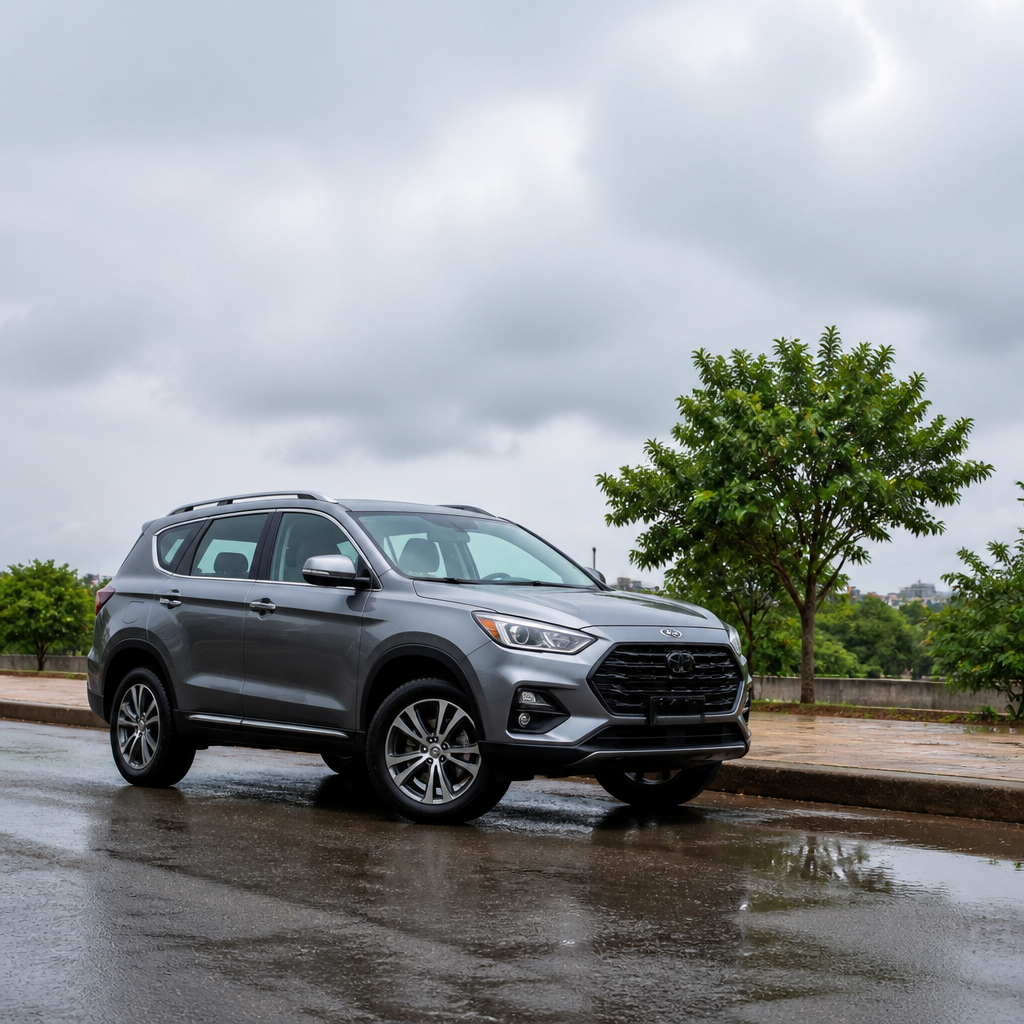
If you want to choose tyres for Nigerian roads, start with your vehicle, your usual routes and the conditions your tyres face every day. The best tyre is not necessarily the most expensive one. It is the tyre with the correct size, load capacity, construction, tread pattern and condition for your car and driving habits.
Nigerian drivers may deal with smooth expressways, patched city streets, sharp potholes, flooded sections, dusty shoulders, gravel roads and long journeys between towns. A tyre that performs well on a dry highway may not be the best choice for frequent driving through heavy rain or rough unpaved areas. This guide explains how to make a safe, practical decision before you buy.
Why tyre choice matters on Nigerian roads
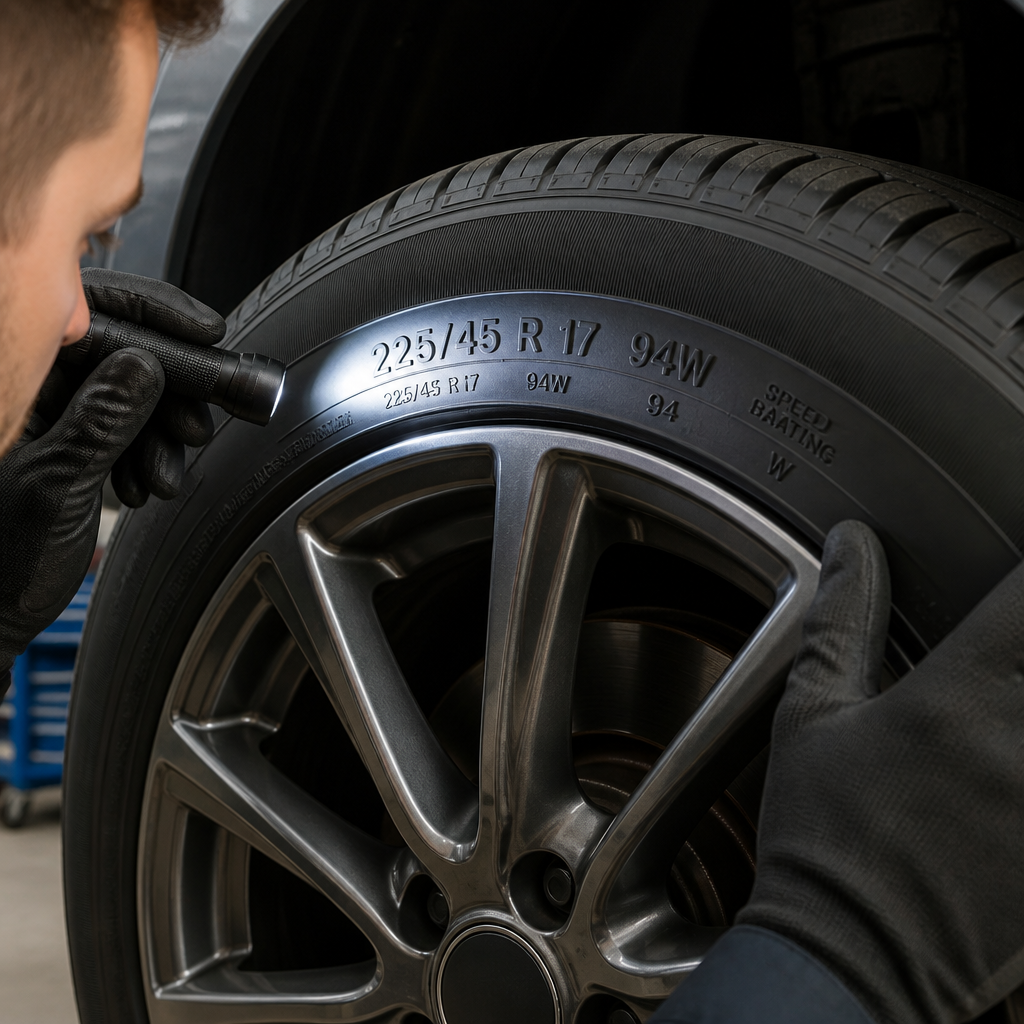
Tyres are the only parts of your vehicle that remain in direct contact with the road. They help the car accelerate, steer, stop and absorb some of the impact from uneven surfaces. When tyres are worn, damaged, incorrectly sized or poorly inflated, the vehicle can become harder to control. How to Know If a Car Has a Bad Head Gasket
Road conditions also affect how quickly tyres age. Repeated contact with pothole edges can damage the casing or wheel. High temperatures can increase pressure and accelerate rubber ageing. Standing water can reduce grip, while loose sand and gravel can make steering and braking less predictable.
These risks do not mean that one special tyre will solve every driving problem. Instead, you should match the tyre to the vehicle and accept the compromises involved. A tyre designed for quiet highway driving may offer less protection on rough tracks. A rugged all-terrain tyre may be more durable on loose surfaces but noisier and less efficient on asphalt.
Good tyre selection is also about avoiding unsuitable bargains. A very cheap tyre with an unknown history may look acceptable but have poor storage, an unclear age or damage that is difficult to see. Buying from a reputable seller and checking every tyre before payment can prevent expensive problems later.
Start with the tyre size recommended for your vehicle
The first step is to find the size approved for your car. Look at the vehicle placard, owner’s manual or information supplied by the manufacturer. The placard is often located on the driver’s door frame, door pillar, glovebox area or fuel-filler flap, although its position differs between vehicles.
A tyre size may appear in a format such as 205/55 R16 91V. Each part provides useful information:
- 205 is the nominal width of the tyre in millimetres.
- 55 is the aspect ratio. The sidewall height is approximately 55 percent of the tyre’s width.
- R identifies radial construction, which is common on modern passenger vehicles.
- 16 is the wheel diameter in inches.
- 91 is the load index.
- V is the speed rating.
Do not select a tyre by width alone. The wheel diameter, load index and speed rating also matter. A tyre that fits physically may still be unsuitable if it cannot carry the vehicle’s weight or does not work correctly with the car’s suspension, steering and braking systems.
Be careful with modified wheels
Some owners install larger wheels or different tyre sizes for appearance, handling or ground clearance. Such changes can affect the speedometer, ride comfort, steering effort, suspension clearance and braking behaviour. A wider tyre can also rub against the wheel arch when the steering is turned or the suspension compresses.
If you are considering a different size, obtain professional advice before buying. The replacement should maintain suitable load capacity and clearance. It should also be compatible with the wheel width and the vehicle’s safety systems. Do not assume that a tyre is safe simply because it can be mounted on the wheel.
Understand load index and speed rating
The load index tells you the maximum load the tyre is designed to carry under specified conditions. The number itself is a code, not a direct kilogram figure. Use a trusted load-index table or ask a qualified tyre professional when you need to confirm the capacity.
Every replacement tyre should meet or exceed the vehicle manufacturer’s required load index unless a qualified specialist has confirmed another safe arrangement. This is especially important for sport utility vehicles, pickups, taxis, vans and cars that regularly carry passengers or luggage.
The speed rating indicates the maximum speed capability of the tyre under controlled test conditions. It does not mean that driving at that speed is safe on a particular Nigerian road. Traffic, potholes, weather, vehicle condition and local road hazards remain more important than the rating.
Never reduce the load capacity because a tyre is cheaper or easier to find. Overloading can generate excess heat and increase stress on the tyre. It can also affect braking and handling. Check the vehicle’s recommended pressure and maximum load information before a long trip.
Choose the right tread for your typical routes
Tread patterns contain grooves and channels that help move water away from the contact area. They also influence road noise, dry grip, braking feel and the tyre’s behaviour on loose surfaces. There is no single tread pattern that is perfect for every route.
Mostly urban and highway driving
If you spend most of your time on paved roads in Lagos, Abuja, Port Harcourt, Ibadan, Kano or another urban area, a quality highway or touring tyre may suit your needs. Look for a pattern that offers dependable wet and dry grip, stable steering and reasonable comfort.
For ordinary city use, an extremely aggressive off-road tread may be unnecessary. Large tread blocks can create more noise and may wear unevenly on asphalt. A road-oriented tyre can be a better choice when most of your driving takes place on paved streets and expressways.
Mixed paved and unpaved driving
If your regular route includes construction roads, farm roads, gravel, sand or rough shoulders, consider a tyre designed for mixed use. Depending on the vehicle, this may be marketed as an all-terrain or reinforced light-truck tyre. Confirm that its size and load rating suit your vehicle.
Mixed-use tyres usually make a compromise. They may provide more traction and stronger casing features on loose or rough ground, but they can be noisier and less smooth on the highway. They may also use more fuel than a lighter road tyre. Choose this type because your routes require it, not simply because the tread looks tough.
Frequent off-road work
Drivers who regularly travel on remote tracks, rocky routes or deep sand need to consider more than tread depth. Sidewall strength, construction, load capacity and the vehicle’s ability to handle the terrain are also important. A tyre cannot make an unsuitable vehicle safe for every off-road environment.
Off-road tyres also need careful inspection. Sharp stones, exposed metal, broken glass and low branches can damage sidewalls. After a difficult trip, remove debris from the tread and inspect the sidewalls for cuts, bulges or exposed cords.
Prioritise wet-road performance
Rain can change a familiar road within minutes. Water may collect in potholes, cover road markings or hide broken edges. When a tyre moves through standing water, the tread must disperse enough water to maintain contact with the surface. If it cannot, the vehicle may lose steering response. Best Used Cars Nigeria: A First-Time Owner’s Guide
When comparing tyres, look for credible information about wet grip and braking. Do not judge wet performance by appearance alone. A deep-looking tread does not automatically mean excellent wet handling, and a tyre with a simple pattern is not automatically unsafe.
Proper inflation is essential in wet conditions. Underinflated tyres can flex excessively and may not work as intended. Overinflation can reduce the contact area and make the ride harsher. Check the pressure when the tyres are cold and follow the vehicle manufacturer’s recommendation.
Tyres cannot overcome unsafe speed in heavy rain. Reduce speed, increase following distance and avoid sudden steering or braking. If water is deep enough to cover the road surface, turn around when possible. Floodwater can hide open drains, damaged pavement and other hazards.
Consider heat, storage and tyre age
Tyre rubber ages even when a vehicle is not driven. Heat, sunlight, humidity, oxygen and poor storage can affect the rubber over time. A tyre that has spent a long period outdoors may need closer inspection than one stored correctly in a protected warehouse.
Ask to inspect the date information moulded into the sidewall. Many tyres use a four-digit date code in which the first two digits identify the production week and the last two identify the production year. The exact marking format can vary, so ask the seller or consult the manufacturer if the code is unclear.
Age is only one part of the decision. A tyre’s condition, storage history, use and manufacturer guidance also matter. Avoid tyres with visible cracking, bulges, deep cuts, exposed cords, uneven deformation or suspicious repairs. If the date code is missing or unreadable, treat that as a reason for caution.
Do not buy old tyres merely because they have full tread. Tread depth cannot reveal every problem inside the casing. Likewise, do not reject a tyre based only on a vague claim about age. Check the markings, condition and manufacturer recommendations together.
Inspect a tyre before paying
A careful inspection takes only a few minutes. If the tyre is already mounted, ask the seller to make the sidewall and tread visible. Examine all four tyres when buying a set, because they should be consistent in size and specification unless the vehicle is designed with different front and rear sizes.
- Confirm the size. Compare the sidewall markings with the vehicle’s recommended specification.
- Check the load and speed ratings. Make sure they meet the vehicle’s requirements.
- Inspect the sidewalls. Look for cuts, cracks, bulges, abrasions and repaired damage.
- Examine the tread. Check for uneven wear, missing rubber, embedded objects and separated blocks.
- Find the date code. Ask for clarification if the marking is unclear.
- Check the bead area. Damage around the part that seals against the wheel can cause air loss.
- Compare the tyres. Major differences in pattern, age or specification may create handling differences.
Be wary of tyres with fresh-looking black dressing that hides cracks or repairs. A clean appearance is not proof of good condition. Ask the seller to remove any dressing from the area you need to inspect.
Also check whether a used tyre has been repaired. A properly completed repair in the tread may sometimes be acceptable, depending on the damage and professional assessment. Sidewall damage is more serious and should not be treated like an ordinary tread puncture.
Buy from a reliable seller
The seller matters almost as much as the brand. A reputable tyre dealer should allow you to inspect the products, explain the specification and provide an invoice or other purchase record. The seller should not pressure you to accept a tyre with unclear markings or visible damage.
Ask where the tyres were stored and whether they are new, used, retreaded or repaired. These terms describe different products and should never be left ambiguous. If you want new tyres, confirm that the invoice and the product supplied match that description.
Do not choose a brand solely because it is popular in another country. Local availability, correct specification, warranty support and proper storage are practical considerations. A well-maintained tyre from a suitable manufacturer can be a better purchase than a premium tyre that has been stored poorly or does not match your vehicle.
Keep the receipt and record the date of installation. Note the tyre size, brand, model and position on the vehicle. This information helps when checking wear, rotating the tyres or replacing one damaged tyre later.
Set the correct tyre pressure
Correct pressure improves handling, comfort, tread wear and fuel efficiency. Use the pressure listed by the vehicle manufacturer, not the maximum pressure printed on the tyre sidewall. The sidewall figure describes a tyre limit under specified conditions. It is not normally the vehicle’s everyday setting.
Check pressure when the tyres are cold. Driving heats the air inside the tyre and raises the reading, so checking immediately after a long journey may produce a misleading result. If you must check a warm tyre, follow the gauge or tyre manufacturer’s guidance and recheck later when it is cold.
Inspect the spare tyre too. A spare that has remained under the boot floor for years may be low, aged or damaged. If the car uses a temporary spare, understand its speed and distance restrictions before an emergency occurs.
Pressure can change after a puncture repair, valve replacement, wheel impact or extended parking. Make pressure checks part of your routine. A simple gauge kept in the vehicle can be useful, but compare it occasionally with a reliable workshop gauge. Wheel Alignment: How to Know Your Car Needs It
Rotate, balance and align the wheels
Front and rear tyres often experience different forces. Front tyres may carry steering and braking loads, while driven wheels may wear faster during acceleration. Rotation can help distribute wear, but the correct pattern depends on the tyre type and vehicle.
Directional tyres must remain pointed in the intended direction. Asymmetrical tyres must be installed with the correct inside and outside faces. Some vehicles also use different front and rear sizes, which limits rotation options. Ask a qualified technician to follow the manufacturer’s instructions.
Wheel balancing helps reduce vibration caused by uneven weight distribution around the wheel and tyre assembly. Alignment affects how the tyre meets the road. A vehicle that pulls to one side, has an off-centre steering wheel or wears one edge quickly may need an alignment check.
Have the wheels inspected after a strong pothole impact. The tyre may appear intact while the wheel is bent or the alignment has shifted. Continuing to drive without checking can cause rapid wear and poor handling.
Know when a tyre needs replacement
Replace a tyre when the tread reaches the manufacturer’s wear indicators or when the tyre shows serious damage. Do not wait until the grooves look completely smooth. Tread is needed to help clear water and maintain grip, especially during rain.
Replacement may also be necessary when you see:
- Bulges or bubbles on the sidewall.
- Deep cuts, punctures or exposed internal cords.
- Cracking across the sidewall or between tread blocks.
- Repeated air loss without an obvious simple cause.
- Separation, lifting or unusual deformation.
- Severe shoulder wear or wear concentrated in one section.
- Vibration that remains after balancing and other checks.
A damaged tyre should be assessed by a qualified professional. Do not attempt to repair a sidewall cut with a plug or rely on sealant as a permanent solution. Temporary products may help you reach a safe location, but they do not replace proper inspection and repair.
Should you replace two tyres or four?
Replacing all four tyres at the same time gives the vehicle a more consistent grip balance. However, the safest option depends on the vehicle, drivetrain, remaining tread and the condition of the other tyres.
If you replace only two tyres, many tyre professionals recommend placing the tyres with better tread on the rear axle, subject to the vehicle and tyre manufacturer’s guidance. Stronger rear grip can help reduce the risk of rear-end instability on wet roads. Confirm the correct arrangement with a qualified technician, particularly if your vehicle has a special drivetrain or staggered sizes.
Never mix tyres carelessly. Avoid combining radically different tread patterns, constructions or sizes on the same axle. If a single tyre must be replaced, match the remaining tyre on that axle as closely as possible and check the manufacturer’s advice.
Common buying mistakes to avoid
Choosing the cheapest visible option
Price is important, but it should not be the only test. A low-cost tyre may be reasonable if it is correctly specified, genuine, properly stored and in good condition. The risk comes from buying without checking those details.
Buying oversized tyres without checking clearance
Larger or wider tyres can change the car’s behaviour. They may rub, increase steering effort or affect the speedometer. Confirm compatibility before changing from the original size.
Judging quality from tread depth alone
A deep tread cannot compensate for age, cracks, casing damage or poor storage. Inspect the full tyre, including the sidewalls and date markings.
Ignoring the valve and wheel
A good tyre can still lose air through a damaged valve or bent wheel. During installation, ask the technician to inspect the valve, wheel rim and bead seal.
Using different tyres without understanding the effect
Mixing patterns and brands may be unavoidable after damage, but it can alter steering and braking balance. Keep matching tyres on each axle whenever possible.
Assuming a rugged tyre is always safer
More aggressive tread does not automatically mean better braking on asphalt. Choose the construction and pattern for the routes you actually use.
A practical tyre-buying checklist
Before visiting a tyre shop, write down your vehicle’s make, model, year, tyre size and recommended pressure. Photograph the information placard if necessary. Also consider how many kilometres you drive, whether you carry heavy loads and how often you use rough or flooded roads. Car Service Nigeria: How Often Should You Service a Car?
At the shop, use this checklist:
- Confirm the exact size against the vehicle recommendation.
- Confirm the load index and speed rating.
- Decide whether you need a road, touring, reinforced or mixed-use tyre.
- Inspect the date code and physical condition.
- Ask whether the tyre is new, used, repaired or retreaded.
- Compare at least two suitable options, not two random sizes.
- Ask about installation, balancing, valves and alignment checks.
- Request an invoice showing the tyres supplied.
- Check the pressure after installation.
- Drive gently at first and notice vibration, pulling or unusual noise.
When comparing prices, include installation and related services. A tyre that appears cheaper may not offer the same casing, warranty arrangement, seller support or fitting service. The final decision should balance safety, suitability, expected use and total ownership cost.
How to drive to protect your tyres
Even the right tyre can be damaged by avoidable impacts. Slow down before potholes rather than braking sharply while the wheel is inside the hole. Keep both hands available for steering, avoid sudden swerves and leave enough distance to see road defects ahead.
Do not drive quickly through standing water. Water can conceal potholes, drains, broken pavement and debris. If you cannot judge the depth, treat the section as hazardous and find a safer route where possible.
Use extra care on gravel and rough shoulders. Reduce speed, avoid harsh steering and inspect the tyres after travelling through areas with sharp stones or construction debris. If a warning light appears or the vehicle starts pulling, stop in a safe place and investigate.
Heavy loads require attention too. Distribute luggage evenly and do not exceed the vehicle’s load limit. Check the recommended pressure for the load condition if the manufacturer provides separate settings.
Frequently asked questions
What is the best tyre brand for Nigerian roads?
There is no single best brand for every driver. The better choice is a genuine tyre with the correct specification, suitable construction, good condition and reliable local support. Compare products based on your routes, vehicle and budget rather than brand name alone.
Are all-terrain tyres suitable for every Nigerian car?
No. All-terrain tyres must match the vehicle’s approved size, load capacity and wheel. They may be useful for mixed paved and unpaved driving, but they can add noise, weight and rolling resistance to a car used mainly on smooth roads.
Can I use a different tyre size?
Only after confirming compatibility with the vehicle and wheel. A different size can affect clearance, steering, speedometer readings, suspension behaviour and safety-system performance. Professional advice is important before making the change.
How often should I check tyre pressure?
Check it regularly and before long journeys. The interval depends on the vehicle, tyre condition, driving and temperature changes. Always check when the tyres are cold and use the manufacturer’s recommended pressure.
Is a repaired tyre safe to use?
It depends on the location, size and nature of the damage, as well as the quality of the repair. A professional should inspect it. Sidewall damage is generally more concerning than a suitable repair in the central tread area.
Can I buy second-hand tyres?
Used tyres can carry hidden damage or have an uncertain history. If you consider them, inspect the date, tread, sidewalls, bead and repair history carefully. Buy only when a qualified professional can confirm their condition and suitability.
Why does my car vibrate after fitting new tyres?
Possible causes include incorrect balancing, a bent wheel, an installation problem, uneven tyre construction or an alignment issue. Return to the installer promptly for inspection, especially if the vibration increases with speed.
Final advice before you buy
To choose tyres for Nigerian roads confidently, begin with the manufacturer’s specification and then match it to your real driving environment. Consider rain, heat, potholes, road quality, passengers, luggage and the condition of the roads you use most often.
Inspect every tyre, confirm the markings and buy from a seller who gives clear answers. After installation, set the pressure correctly, balance the wheels and monitor the first signs of uneven wear or damage. Good maintenance is just as important as the original purchase.
Finally, treat tyres as safety equipment, not decoration. The right set will not remove every road hazard, but it can give your vehicle more predictable steering, braking and stability. A careful choice today can also reduce premature wear and prevent avoidable costs later.