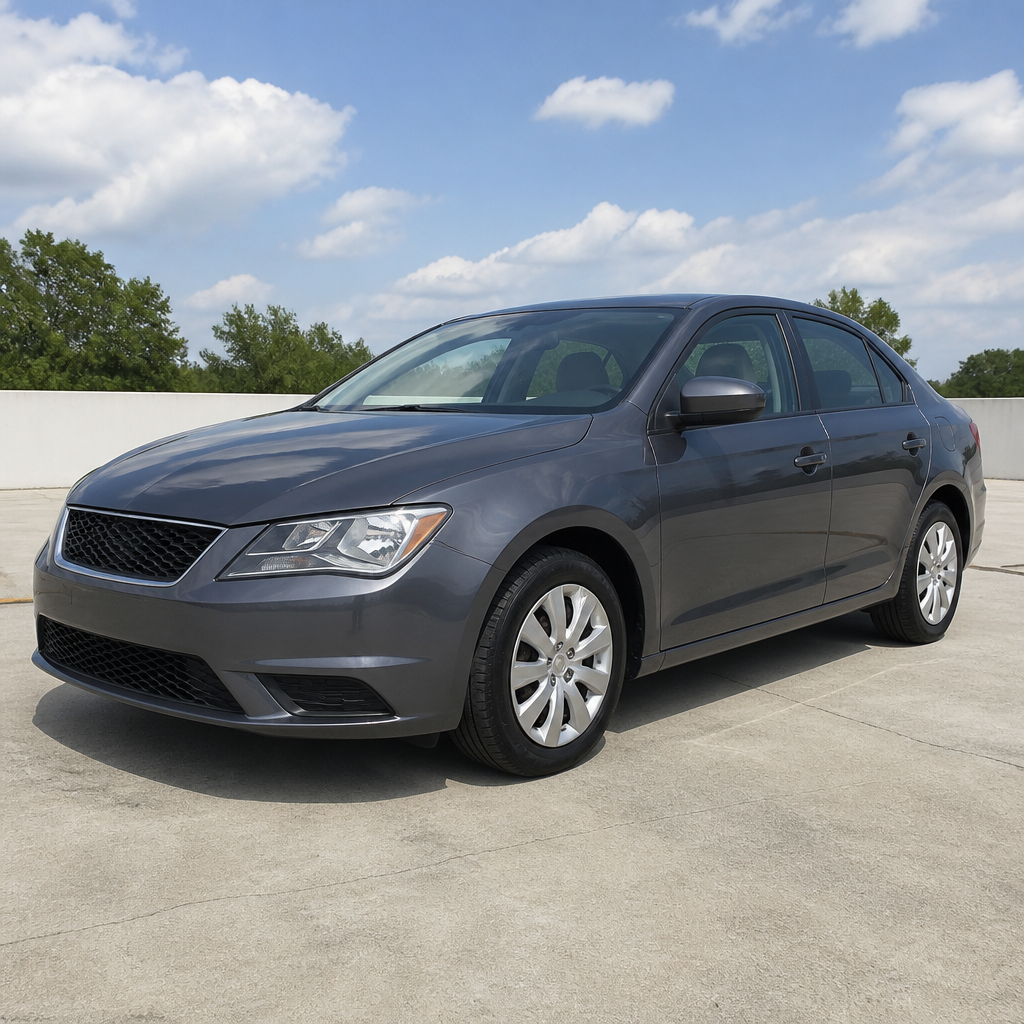
Writing a car sales advert that attracts serious buyers requires more than listing a make, model and asking price. A strong advert answers the questions buyers already have, presents the vehicle honestly and makes it easy for the right person to take the next step. When your listing is clear, specific and trustworthy, you reduce wasted calls and improve the quality of enquiries.
This guide explains how to prepare the information, photographs, price and wording your vehicle needs. It also covers common mistakes, safety precautions, response templates and practical ways to separate genuine buyers from people who are only browsing. Whether you are selling privately or helping someone prepare a listing, these steps can make your advert more effective.
Why a well-written car sales advert matters
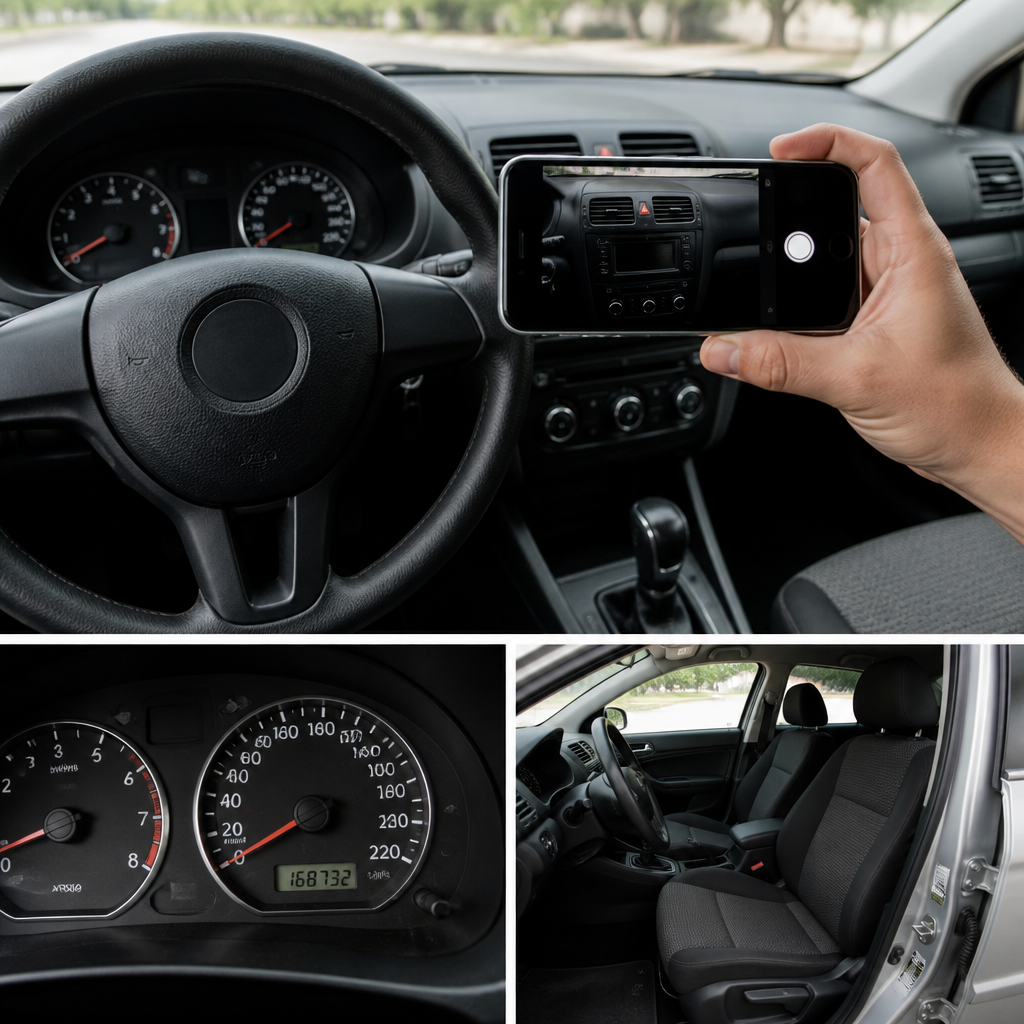
Most buyers compare several vehicles before contacting a seller. They often make a quick decision based on the first photograph, the headline and the visible facts. If the advert appears incomplete, exaggerated or careless, buyers may move on before asking a single question. How to Take Better Car Photos for Sale Online
A detailed listing does three important jobs:
- It attracts attention: A clear title and strong lead image help the vehicle stand out in search results.
- It builds confidence: Accurate information and honest photographs show that you are not hiding important details.
- It saves time: Buyers can decide whether the car suits their budget, needs and expectations before they contact you.
Good advertising does not mean making the vehicle sound perfect. In fact, overpromising can create suspicion. A buyer who arrives and discovers undisclosed damage, warning lights or missing documents is unlikely to complete the purchase. Honest wording may reduce some enquiries, but it improves the chance that the remaining ones are genuine.
Think of your advert as a first inspection. The buyer cannot yet touch the vehicle or take a test drive, so your job is to provide enough useful information for a sensible first decision.
Prepare the facts before writing
Before you draft the listing, gather the vehicle information in one place. This prevents errors and helps you respond consistently when people ask questions. Check the documents and the vehicle itself rather than relying only on memory.
At a minimum, confirm the following details:
- Make and model
- Model year or registration year, described accurately
- Body type, such as saloon, hatchback, estate, SUV, pickup or van
- Engine size and fuel type, if known
- Transmission type
- Drive type, if relevant
- Current odometer reading
- Exterior colour and interior trim
- Number of previous users or owners, only when you can verify it
- Location where the vehicle can be inspected
- Asking price and whether it is firm or open to reasonable offers
- Available keys, service records and other documents
Do not guess a specification because another advert uses the same model name. A vehicle may have several engine, trim or transmission versions. If you are uncertain, use cautious wording such as specification to be confirmed from the vehicle documents. You can also ask a qualified mechanic or use the manufacturer’s documentation to verify the information.
Check the identity and history of the vehicle
Record the vehicle identification number, commonly called the VIN, from the vehicle and compare it with the relevant documents. A mismatch deserves attention before you publish the advert. Do not conceal a VIN problem or make a claim about a clean history unless you have a reliable basis for doing so.
History claims need careful wording. There is a difference between saying the seller has service invoices from the previous owner and saying full service history. The second statement suggests a complete and continuous record. Use it only when the documentation supports that description.
Similarly, do not describe a car as accident-free if you do not know its complete history. Safer wording might be no accident damage known to me, followed by an invitation for the buyer to arrange an independent inspection. Transparency protects both sides.
For general background on vehicle identification and checking a VIN, buyers and sellers can consult the official VIN resources provided by the National Highway Traffic Safety Administration. The available tools and records may vary by country, so do not present a foreign database result as a complete local history report.
Separate confirmed facts from personal impressions
Facts are easier for buyers to assess. Personal descriptions can still help, but they should not replace evidence. For example, air conditioning blows cold during the seller’s recent check is more useful than simply saying everything works perfectly.
Use specific observations for features and condition:
- Specific: The front tyres were replaced recently, and the seller has the invoice.
- Vague: Nearly new tyres.
- Specific: There is a visible scratch on the left rear bumper.
- Vague: Minor marks only.
- Specific: The check-engine warning light is illuminated and the vehicle is priced accordingly.
- Misleading: Drives perfectly.
If a fact is unknown, say so. Buyers generally prefer a clear limitation to a confident statement that later proves inaccurate.
Build a headline that gives useful information
The headline is often the first line a buyer sees. It should identify the vehicle quickly and highlight one or two genuine selling points. Avoid writing a headline that consists only of emotional words such as must go, urgent sale or best deal. Those phrases do not tell the buyer what is being offered.
A practical headline usually contains:
- Make and model
- Year or model generation, when relevant
- Transmission or fuel type, if it helps the buyer filter listings
- A verified condition or ownership point
Examples include:
- 2016 Toyota Corolla Automatic – Clean Interior, Service Records
- 2018 Honda CR-V AWD – Family SUV With Two Keys
- 2014 Ford Ranger Manual – Work-Ready Pickup, Inspection Welcome
These examples are useful because they identify the vehicle and communicate information a buyer may actively search for. Do not include a feature in the headline unless the car actually has it. A headline that attracts the wrong expectations can lead to complaints and wasted appointments.
Write the description in a buyer-friendly order
Readers should not have to search through a long paragraph to find basic facts. Use short sections and place the most important information near the beginning. A good description can follow this order:
- One-sentence summary of the vehicle
- Core specifications
- Condition and recent maintenance
- Known faults or cosmetic defects
- Documents, keys and history
- Price, location and viewing instructions
- Clear next step for interested buyers
Start with a factual summary
The opening should help the reader decide whether to continue. Mention the vehicle’s identity, mileage, transmission, general condition and purpose. Avoid dramatic claims that cannot be supported.
For example:
This 2016 automatic Toyota Corolla has covered approximately 118,000 kilometres and is available for inspection in Lagos. It has a clean, practical interior and is suitable for daily commuting. The vehicle has normal age-related marks, which are shown in the photographs.
This introduction is stronger than perfect Corolla, buy and drive, no fault because it gives useful context without promising more than the seller can prove.
List equipment without overwhelming the reader
Features can influence a buyer’s decision, but a long unverified list reduces trust. Include equipment that is present and working, where you have checked it. Depending on the vehicle, useful details may include:
- Air conditioning or climate control
- Power windows and central locking
- Infotainment system or Bluetooth connection
- Reversing camera or parking sensors
- Airbags and other visible safety equipment
- Leather or cloth upholstery
- Sunroof, roof rails or towing equipment
- All-wheel drive or four-wheel drive
- Folding seats and cargo space
- Spare wheel, jack and toolkit
Do not list a feature simply because it appears in a generic model brochure. Trim levels can differ, and equipment may have been removed or stopped working. If a feature is important to the buyer, invite them to verify it during inspection. How to Verify a Vehicle’s VIN Before Buying in Nigeria
Describe condition honestly and specifically
Condition is one of the most important parts of a car sales advert. Buyers want to know what they will see when they arrive. You do not need to describe every tiny mark, but you should disclose issues that affect safety, operation, appearance or value.
Consider the following areas:
- Body: Mention dents, scratches, faded paint, rust, repaired panels or cracked lights.
- Glass: Note chips, cracks or damaged mirrors.
- Tyres: State whether tread appears usable, but avoid giving a legal or technical safety opinion unless qualified to do so.
- Interior: Mention tears, stains, broken switches, worn seats or missing trim.
- Engine and transmission: Describe known symptoms, leaks, smoke, unusual sounds or starting difficulties.
- Electrical systems: Identify warning lights, faulty windows, inoperative screens or air-conditioning problems.
- Underbody and suspension: Disclose known knocks, damage or issues reported by a mechanic.
A useful rule is this: if a reasonable buyer would want to know before travelling to inspect the car, include it in the advert. This includes defects that you plan to repair later. If a repair has not happened, do not describe it as completed.
When you do not know the cause of a symptom, describe the symptom rather than diagnosing it. Write the engine makes a tapping sound when cold, not it only needs a minor valve adjustment, unless a qualified professional has confirmed the diagnosis.
Use photographs that support the written advert
Photographs are evidence. They also set the buyer’s expectations before the first conversation. A bright, complete photo set can increase confidence, while dark or heavily edited images may make buyers assume that something is being hidden.
Take photographs in daylight, preferably when the vehicle is clean but dry. Use a simple background and keep the entire vehicle in frame. Take enough images to show both strengths and weaknesses.
A practical set may include:
- Front three-quarter view
- Rear three-quarter view
- Both sides
- Front and rear views
- Dashboard with the ignition on, where safe and appropriate
- Odometer reading
- Front and rear seats
- Engine bay
- Boot or cargo area
- Tyres and wheels
- Documents, with sensitive personal information covered
- Close-ups of every significant scratch, dent, crack or worn area
Do not use stock photography, images of another vehicle or photographs from a previous owner without permission. Do not edit out damage. Minor adjustments to brightness may improve visibility, but filters should not change the vehicle’s colour or hide defects.
Photograph the car from several angles rather than relying on one attractive image. A serious buyer wants to compare the written claims with what is visible. If a defect appears in a photograph, mention it in the description so the buyer does not feel misled.
Set and explain the price carefully
Price is one of the strongest filters in any vehicle marketplace. A price that is far above comparable vehicles may produce little interest. A price that is unusually low may attract many messages, but it can also create suspicion or encourage unrealistic bargaining.
Compare vehicles that are genuinely similar. Consider the same or closely related model, year, mileage, transmission, condition, documentation, location and equipment. A high-mileage vehicle with missing records should not be compared directly with a lower-mileage example that has extensive maintenance documentation.
When setting the asking price, decide in advance:
- Whether the price is firm
- What level of negotiation you will consider
- Whether registration, delivery or transfer costs are included
- Whether any known repair has already been reflected in the price
- Whether you will accept a trade, instalments or another arrangement
State the price clearly. Avoid writing send your offer if you already have a minimum amount in mind. A clear figure helps buyers decide quickly and reduces messages from people whose budget is far below your expectations.
If the vehicle has a significant fault, explain that the price reflects its condition. However, do not use a low price to pressure someone into skipping inspection. A cheap vehicle can still have serious safety, ownership or documentation problems.
Explain documents and ownership information
Documentation can be as important as appearance. Buyers need confidence that the seller can complete the transaction properly and that the vehicle’s identity and ownership records deserve examination.
List the documents you actually have, using precise language. Depending on the vehicle and jurisdiction, this might include registration records, purchase documents, service invoices, inspection records, import or customs documents and insurance-related paperwork. Requirements differ, so do not promise that a document is sufficient for transfer unless the relevant authority or a qualified professional has confirmed it.
Useful wording includes:
- Available for inspection: registration document and maintenance invoices.
- Not available: original service booklet; maintenance evidence is limited to separate invoices.
- To be confirmed: transfer requirements with the relevant vehicle authority.
Never publish a full copy of sensitive documents with personal numbers, signatures, addresses or other information that could be misused. If you show a document photograph, cover unnecessary personal data while keeping enough information for a serious buyer to understand what is available.
The UK government guidance on selling a vehicle illustrates why sellers should treat transfer notifications and records carefully. The exact process differs between countries, but the general principle is useful: understand the paperwork and complete the appropriate transfer steps rather than relying on an informal promise.
Make the call to action specific
A call to action tells a buyer what to do next. It should be simple and realistic. Avoid vague endings such as interested people should call when you can provide clearer instructions.
Examples include: car battery dying — How to Know If a Car Battery Is Dying
- Serious buyers can message to arrange an inspection during daylight hours.
- Please include your preferred inspection day and whether you have reviewed the listed condition.
- The vehicle is available for viewing in Ikeja. A test drive is possible after identity and licence checks.
- Please call between 9 a.m. and 6 p.m. for questions about the vehicle.
Do not make the call to action unnecessarily hostile. Phrases such as no time wasters may express frustration, but they can also discourage polite and genuine buyers. A professional alternative is please contact me only if the price and condition meet your expectations.
How to filter for serious buyers
A good advert can reduce unsuitable enquiries, but it cannot eliminate them. Your follow-up process matters. Ask practical questions that help both sides determine whether an appointment makes sense.
Useful questions include:
- Have you reviewed the full description and photographs?
- Does the asking price fit your budget?
- When would you be available to inspect the vehicle?
- Are you buying for yourself or on behalf of someone else?
- Do you need financing, a trade-in or delivery?
- Have you arranged an independent inspection if you want one?
These questions are not an interrogation. They clarify expectations before either person spends time travelling. A buyer who refuses to discuss the basic price, location or inspection process may not be ready to proceed.
Keep your replies consistent. If a fault was disclosed in the advert, repeat it when asked. Do not change the story to close the sale. Save important messages and keep a simple record of appointments, deposits and documents.
Recognise common warning signs
Be cautious when a prospective buyer:
- Sends a payment link or asks you to pay a fee before viewing the car
- Insists on using an unfamiliar courier, agent or inspection service
- Offers more than the asking price and asks for a refund of the difference
- Requests sensitive banking or identity information without a clear reason
- Pressures you to hand over the vehicle before funds are confirmed
- Refuses a reasonable inspection but wants immediate delivery
- Uses urgency to make you ignore normal documentation and safety steps
Online marketplaces and payment systems differ, so follow the safety guidance of the platform you are using. The Federal Trade Commission’s consumer guidance on used cars also provides useful general reminders about researching a vehicle, checking records and avoiding assumptions based only on a seller’s claims.
Arrange safe viewings and test drives
Meet in a public, well-lit place when possible. Tell someone where you are going and when you expect to return. Avoid handing over original documents or keys before you have confirmed the visitor’s identity and agreed on the viewing process.
Before a test drive, establish reasonable conditions. Confirm that the driver is legally permitted to drive and check any insurance or liability requirements that apply in your location. If you are uncertain about the rules, ask the relevant authority or an insurance professional instead of guessing.
Never allow a buyer to drive alone in the vehicle unless you are comfortable with the risk and your insurance arrangements allow it. Remove valuable personal belongings before the appointment. Keep the meeting focused on inspection rather than pressure.
A buyer may want an independent mechanic to examine the car. This is usually a positive sign because it allows the buyer to make an informed decision. Agree in advance who will pay for the inspection and what access the mechanic will have. Do not prevent a reasonable inspection merely because you want a quick sale.
Common car advert mistakes to avoid
Many weak listings fail because of small omissions rather than one major problem. Review your draft for these common mistakes.
Using exaggerated claims
Words such as brand new, faultless, accident-free and perfect condition create a high standard that few used vehicles can meet. Replace them with measurable descriptions. For example, say that the interior is clean for its age, or that the vehicle starts normally during recent use.
Hiding important defects
Omitting a warning light, damaged panel or missing document may create more enquiries at first. However, buyers will feel misled when they inspect the vehicle. Disclosure saves time and protects your reputation.
Providing too little information
A listing that says only available, call me forces every buyer to ask basic questions. Include the location, price, mileage, transmission, condition and key documents. A serious buyer should be able to understand the offer without a long back-and-forth conversation.
Adding too much unrelated information
A long personal story can distract from the vehicle. Keep the description focused on facts, maintenance, condition and the transaction. Buyers need relevant detail, not repeated claims about how urgently you want to sell.
Ignoring spelling and formatting
Typos do not automatically mean a vehicle is poor, but a careless advert can reduce confidence. Use headings, bullet points and short paragraphs. Check numbers twice, especially the mileage, price, year and contact details.
A practical car sales advert template
You can adapt the following structure to your vehicle. Replace each bracketed item with accurate information and delete sections that do not apply.
Title: [Year] [Make] [Model] [Transmission] – [verified selling point]
Summary: This [year] [make and model] has covered approximately [mileage] and is located in [area]. It has a [transmission] transmission, [fuel type] engine and [body type]. The vehicle is suitable for [daily use, family travel, business use or another accurate purpose]. How to Pay for a Used Car Safely in Nigeria
Key details:
- Year: [year or registration information]
- Mileage: [reading and unit]
- Transmission: [type]
- Fuel: [type]
- Colour: [colour]
- Price: [amount and negotiation position]
- Location: [inspection area]
Features: [List verified equipment, such as air conditioning, parking sensors, Bluetooth, leather seats or four-wheel drive.]
Condition: [Describe how the vehicle starts, drives and presents. Mention normal wear and every important known fault. Explain which statements are based on your own observation and which are supported by service records.]
Maintenance: [List recent work and dates only when you can support them with invoices or reliable records. State what is unknown.]
Documents and keys: [List the documents, number of keys and records available for inspection.]
Viewing: Serious buyers can contact me to arrange an inspection in [location]. Please review the photographs and condition notes before booking. An independent inspection is welcome by prior arrangement.
This structure is useful because it gives the buyer both a quick summary and enough detail for an informed follow-up. Do not copy claims that do not fit your vehicle.
Review the advert before publishing
Read the completed listing as if you were a buyer who had never seen the car. Can you identify the price, location, mileage, transmission and main condition issues within a few seconds? If not, move those details higher.
Use this final checklist:
- Is the make, model and year accurate?
- Does the mileage match the photograph and documents?
- Are all important faults disclosed?
- Do the photographs show the entire vehicle and known damage?
- Is the price clear?
- Have you explained whether negotiation is possible?
- Are the available documents described honestly?
- Have you removed sensitive information from document images?
- Is the location specific enough for a serious buyer?
- Is the contact method working?
- Have you removed unsupported claims such as perfect or faultless?
- Have you stated the next step for viewing?
It is also worth checking the advert from a mobile phone. Many buyers read listings on small screens. Short paragraphs, bullet points and a clear opening make the information easier to scan.
Frequently asked questions
How long should a car sales advert be?
It should be long enough to answer the main buying questions without repeating itself. For most vehicles, a few well-organised sections are more effective than one large block of text. Include essential facts first, then add condition, records and viewing details.
Should I mention every small scratch?
You do not need to catalogue every tiny mark, but disclose damage that is visible, significant or likely to affect a buyer’s decision. Photograph noticeable defects and describe them in plain language. If you are unsure whether an issue matters, disclosure is usually safer than omission.
Should I write negotiable or firm on price?
Use the wording that reflects your actual position. If you will consider reasonable offers after inspection, say so. If the price is firm, state that clearly. Avoid advertising one figure while secretly expecting a very different amount.
Is it safe to publish the VIN?
The right approach depends on the platform, country and your privacy concerns. Never publish unrelated personal information with vehicle documents. If you share a VIN, understand what information it may expose and use a reputable platform. Buyers should still compare the VIN on the vehicle with the available records.
For a general VIN-checking reference, the National Insurance Crime Bureau VINCheck service explains one type of vehicle-history search available in the United States. It is not a universal record and does not replace local checks, professional inspection or document verification.
Should I say that the car is sold as seen?
Do not rely on a short phrase to replace accurate disclosure or your legal responsibilities. The effect of such wording varies by jurisdiction and transaction type. Describe the vehicle honestly, document the agreed condition and seek qualified local advice if you are unsure about the sale terms.
How can I make buyers trust my advert?
Trust comes from consistency. Match the photographs to the written description, answer questions directly, show relevant records, allow a reasonable inspection and avoid pressure. A seller who admits a minor fault often appears more credible than one who insists that an older vehicle has no imperfections.
Final thoughts
The best car sales advert does not try to convince every person to buy. Instead, it helps the right buyer decide whether the vehicle fits their needs, budget and expectations. Accurate facts, honest photographs, clear pricing and practical viewing instructions create a smoother process for everyone.
Before publishing, check every number and condition claim. Disclose what you know, identify what you do not know and avoid promises that a buyer cannot verify. Then respond professionally, maintain sensible safety precautions and give serious buyers a clear path to inspect the vehicle. That combination will usually produce better enquiries than exaggerated wording or a rushed listing.