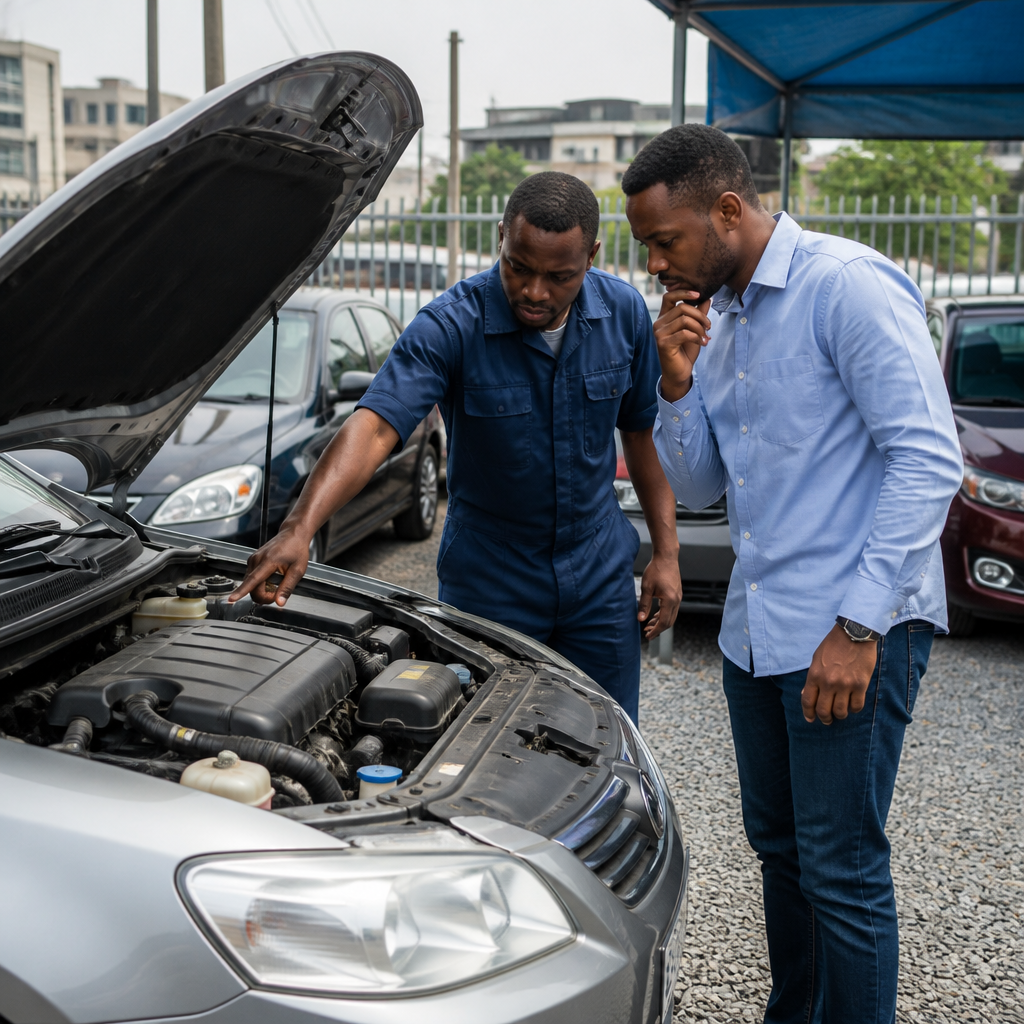
Choosing among the best used cars Nigeria buyers can afford is about more than finding a familiar badge or attractive price. As a first-time owner, you need a car that is easy to maintain, comfortable in your daily environment, economical enough for your budget and supported by parts and technicians. This guide explains which types of used cars deserve consideration, how to compare them and how to avoid an expensive first purchase.
Your ideal first car may be a compact saloon, a small hatchback, a practical SUV or a modest minivan. The right answer depends on where you drive, how many people you carry, your parking situation, your income and whether you are buying a tokunbo or a Nigerian-used vehicle. A car that works well for a short Lagos commute may not suit a buyer who regularly travels long distances on rough roads.
Before looking at specific models, set a complete ownership budget. The purchase price is only one part of the cost. You should also allow for inspection, ownership transfer, licensing, insurance, servicing, tyres, battery, fuel and possible repairs after purchase. A useful overview of vehicle safety considerations can also help you think beyond appearance and focus on equipment that protects occupants.
Do not buy solely because a dealer says a vehicle is clean or accident-free. Inspect the body, engine, transmission, cooling system, suspension, electrical equipment and underbody. You should also confirm the vehicle identification number and documents before money changes hands. If you are new to the process, this used car comparison guide can help you create a fair shortlist: used car comparison guide
What makes a good first car in Nigeria?
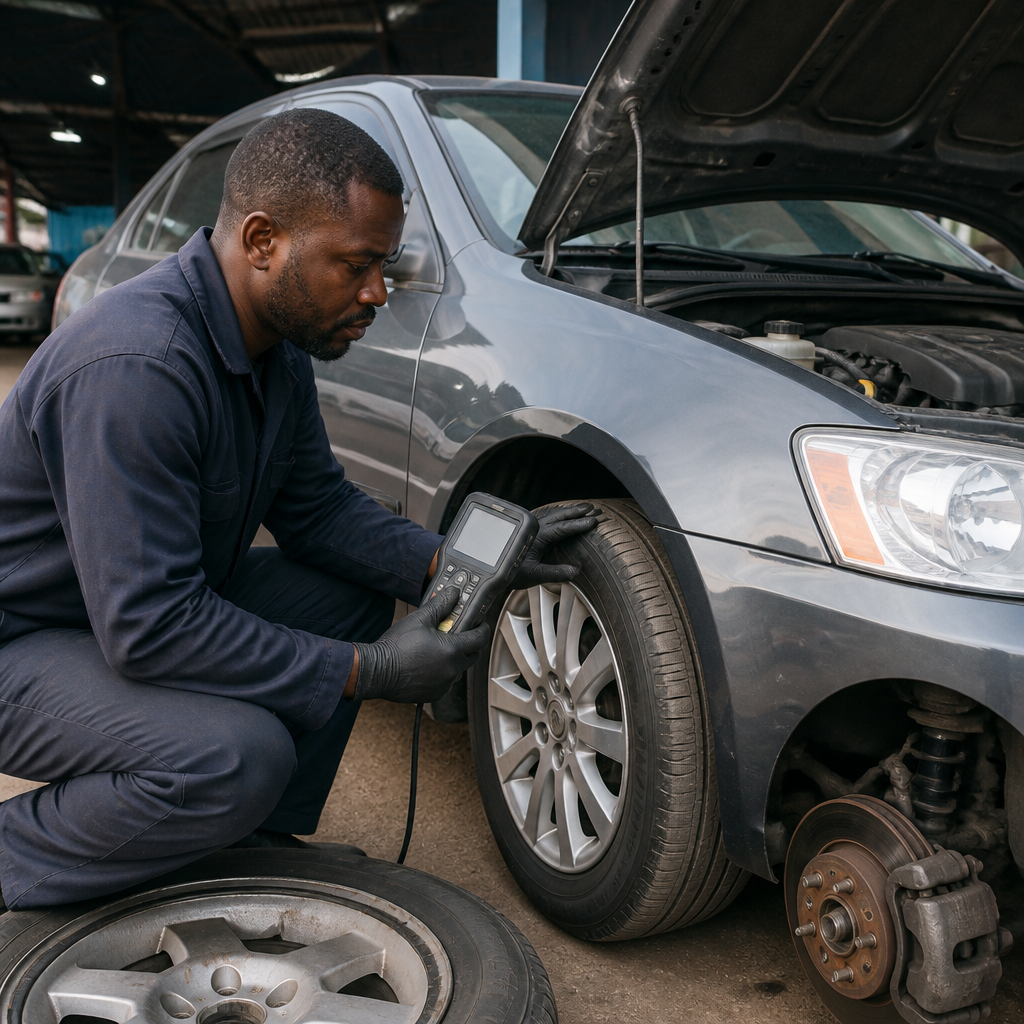
A good first car should be predictable. Predictability means that the vehicle starts reliably, behaves properly in traffic, does not overheat during slow journeys and can be repaired without turning every fault into a financial emergency. It also means that you can find a competent technician and genuine or good-quality replacement parts without an exhausting search.
Reliability does not mean that a car will never develop a fault. Every used vehicle has a history, and even a well-maintained car may need consumables or age-related repairs. Instead, look for a model with a simple maintenance history, a healthy drivetrain and no obvious evidence of neglected servicing, severe overheating, flood damage or structural accident repairs.
Ground clearance is another practical issue. Roads, ramps, potholes and unpaved streets can punish a low vehicle. However, the highest vehicle is not automatically the best choice. A small saloon with sound suspension may be cheaper to run than an old SUV with worn shocks, expensive tyres and neglected four-wheel-drive components.
Fuel economy matters, but do not compare advertised figures as if they will be identical in Nigeria. Traffic, air-conditioning use, tyre pressure, road quality, driving style and engine condition all affect consumption. A smaller petrol engine may suit a daily commuter, while a larger engine may make sense if you regularly carry passengers or travel outside urban areas.
Parts availability should influence your decision. Popular models often have more technicians who understand their common faults. That does not guarantee low repair costs, because some variants use expensive electronic systems or uncommon components. Confirm the availability and approximate cost of routine parts before choosing a particular trim, engine or transmission.
Best used cars Nigeria buyers commonly consider
There is no universal winner. Still, several vehicle groups are sensible starting points for first-time owners. The models below are examples to investigate, not automatic recommendations. Condition, service history and inspection results matter more than a badge on the grille.
Compact saloons for affordable daily driving
Compact saloons are often attractive first cars because they are easy to manoeuvre, relatively simple to park and usually less demanding on fuel and tyres than larger vehicles. They can suit a student, young professional, small family or commuter who spends most days on paved roads. Common examples in the Nigerian market include Toyota Corolla, Honda Civic, Hyundai Elantra, Kia Rio and Nissan Sentra, depending on year, trim and local availability.
The Toyota Corolla is frequently considered because many technicians know the platform and replacement parts are commonly discussed in the market. However, popularity can make buyers overlook poor examples. Check the transmission behaviour, air-conditioning performance, cooling system, suspension and signs of previous accident repairs. A neglected Corolla is still a neglected car.
Honda Civic models can offer pleasant handling and useful cabin space. Their suitability depends heavily on the exact generation and engine. Pay close attention to transmission operation, warning lights, oil leaks, suspension noise and evidence of overheating. Ask a technician to inspect the car rather than assuming that a clean interior proves good mechanical condition.
Hyundai and Kia compact cars can also deserve consideration when they have a clear history and parts support in your area. Compare the exact engine and transmission, because maintenance requirements differ between variants. Confirm that the technician you intend to use has experience with the specific model. A lower purchase price is not a bargain if specialist repairs become difficult.
Small hatchbacks for city users
Small hatchbacks can be practical for dense urban driving. They are usually easier to fit into tight parking spaces and may have a useful rear opening for shopping or small equipment. Examples may include Toyota Yaris, Honda Fit, Kia Picanto, Hyundai i10 and Suzuki Swift, subject to availability and condition.
These cars work best when your passenger and luggage needs are modest. Before buying, check rear-seat space, boot capacity, ride comfort and ground clearance. Some imported hatchbacks have features or transmission designs that require a technician familiar with that exact version. Do not rely on a model name alone; inspect the engine code, transmission and vehicle history.
Small cars can also make sense for a first-time owner who wants to learn basic maintenance without managing a large vehicle. Yet their size does not remove the need for careful inspection. Examine the cooling system, engine mounts, steering, suspension and air-conditioning. A tiny car with a failing compressor or damaged transmission can still produce a large repair bill.
Practical compact SUVs and crossovers
A compact SUV may suit buyers who need a higher driving position, more luggage room or additional ground clearance. Toyota RAV4, Honda CR-V, Hyundai Tucson, Kia Sportage and Nissan X-Trail are examples that buyers may encounter. Their age, drivetrain and maintenance history vary widely, so treat each vehicle as an individual case.
Older SUVs usually cost more to operate than compact saloons. They may use more fuel, need larger tyres and contain more suspension, drivetrain and electronic components. If you only drive alone through town, an SUV may be unnecessary. If you regularly use poor roads, carry family members or need extra space, the added practicality may justify the running cost.
Inspect the four-wheel-drive system where fitted. Listen for unusual drivetrain noise, check for fluid leaks and ask whether the system engages correctly. Also examine the cooling system and automatic transmission. An SUV that has been used on rough roads or for towing may have hidden wear beneath a polished exterior.
Family saloons and durable larger cars
Some first-time owners need a larger cabin for family use. Toyota Camry, Honda Accord, Toyota Avensis and similar mid-size cars can provide comfort and luggage space. They may be suitable for frequent intercity travel when properly maintained, but their larger engines and more complex equipment can increase fuel and repair costs.
Pay particular attention to automatic transmission shifts, engine oil consumption, suspension condition and cooling performance. Test the car in traffic and on a clear road. A vehicle that feels smooth for five minutes at a dealership may reveal overheating, vibration or transmission problems after longer use.
Large saloons are also more difficult to judge by appearance. A quiet cabin and clean leather may conceal worn engine mounts or a weak air-conditioning system. Take a diagnostic scan, inspect the underside and request an independent road test. If the seller refuses a proper inspection, treat that refusal as a serious warning.
Simple work vehicles and people carriers
Some buyers need a vehicle for business, family transport or regular carrying duties. A Toyota Sienna, Honda Odyssey, Toyota Hiace or another people carrier may provide useful space, but these vehicles can be expensive to maintain if previously used heavily. Sliding doors, power seats, rear air-conditioning, suspension and transmission components all deserve close attention.
For commercial work, calculate the economics before buying. Consider fuel, tyre wear, downtime, insurance, servicing and the cost of replacing worn interior or load-area components. A cheaper vehicle that spends weeks off the road may cost more than a better-maintained example with a higher purchase price.
Tokunbo or Nigerian-used: which is better for a first-time owner?
A tokunbo vehicle may appear cleaner because it has spent less time on Nigerian roads. It may also have less local bodywork or interior wear. However, imported vehicles can still have accident damage, flood exposure, high mileage, auction history or long periods of neglect before shipment. Imported status is not proof of quality.
A Nigerian-used vehicle may offer a clearer local history if the seller can show maintenance records and explain how it was used. It may also have suspension, air-conditioning and cooling systems already adapted to local conditions. On the other hand, some vehicles have suffered poor repairs, overloaded use, neglected servicing or repeated overheating.
The best approach is to compare condition rather than labels. Ask for the VIN, inspect the vehicle cold, scan its systems and examine the documents. Look for consistent mileage evidence, matching panels, correct warning-light behaviour and signs that routine maintenance was performed.
For imported vehicles, confirm that the paperwork is complete and consistent. Customs-related questions should be handled carefully through appropriate official channels. The Nigeria Customs Service website is a useful starting point for official customs information: https://www.customs.gov.ng/. Do not accept a dealer’s assurance that missing documents will be supplied later.
Flood damage deserves special caution, especially when an imported vehicle has a musty smell, unusual corrosion or electrical faults. Check beneath carpets, around seat rails, inside the spare-wheel well and behind trim where practical. You can also use this guide on checking a flood-damaged car to structure your inspection: checking a flood-damaged car
How to choose between automatic and manual transmission
Many first-time owners prefer automatic transmission because it reduces fatigue in traffic. That convenience is valuable, but an automatic gearbox can be costly when neglected. During the test drive, shifts should be reasonably smooth for the vehicle’s age. Delayed engagement, slipping, harsh banging, loud whining or a transmission warning light requires professional investigation.
Manual transmission can be simpler and may cost less to repair in some cases. However, the clutch is a wear item. Check for clutch slip by observing whether engine speed rises without matching acceleration. Also listen for release-bearing noise and feel for a very high or unusually hard clutch pedal.
Do not buy an unfamiliar transmission because someone says it is the best. Ask a technician about the exact gearbox, recommended fluid, known failure points and parts supply. A model can have different transmissions across years and markets. Confirm the vehicle’s specification before making a decision.
Inspection checklist before you pay
An independent inspection is one of the most valuable expenses in a used-car purchase. Choose a technician who is not financially connected to the seller. If possible, inspect the car in daylight and begin with a cold engine. A warm engine can hide starting problems, smoke or unusual noises.
Exterior and body inspection
- Compare the colour and finish of adjacent panels. Differences may indicate repainting.
- Inspect panel gaps around the bonnet, boot and doors. Uneven gaps can suggest previous repairs.
- Look for overspray on rubber seals, glass edges, suspension parts or door hinges.
- Check the roof, pillars, floor and chassis rails for signs of structural damage.
- Inspect the tyres for uneven wear, cracks, mismatched brands or different sizes.
- Confirm that all lights, mirrors, locks, windows and wipers operate correctly.
Repainting alone does not make a vehicle unsafe. A careful repair may restore a damaged panel. The concern is hidden structural damage, poor alignment, corrosion or a seller who deliberately conceals the vehicle’s history. Ask what happened, when the repair occurred and whether photographs or invoices exist.
Engine, transmission and cooling system
- Start the engine from cold and listen for knocking, rattling or excessive tapping.
- Observe exhaust smoke after startup and during acceleration.
- Check for oil, coolant, fuel or transmission-fluid leaks.
- Inspect the oil condition and coolant level, but do not treat a clean oil cap as proof of a healthy engine.
- Watch the temperature gauge during a proper road test.
- Test the air-conditioning at idle and while driving.
- Use a diagnostic scanner to identify stored or pending fault codes.
Overheating is a major warning sign. It may result from a radiator, thermostat, water pump, fan, hose, head gasket or electrical problem. Do not accept a seller’s claim that the temperature issue only needs water. A vehicle that overheats can suffer severe engine damage.
If you are considering an older vehicle, study the symptoms carefully. A guide to used cars overheating in Nigeria can help you understand what to inspect around the radiator, fans, coolant reservoir and temperature gauge: used cars overheating in Nigeria
Interior, electronics and safety equipment
Test every electrical function. Operate the windows, central locking, dashboard controls, horn, indicators, headlights, reverse lights, interior lamps and audio system. Check that the airbag warning light comes on briefly during startup and then goes out. A warning light that never illuminates may have been disabled.
Inspect seat belts for damage and confirm that they latch properly. Check the dashboard for warning lights after startup. Airbags, anti-lock brakes and stability systems are important safety equipment, but repairs can be expensive. A scan and professional inspection are worthwhile if the vehicle has been in a collision.
Look for water stains, mould, corrosion and damp carpet. Check the boot and spare-wheel area as well. Electrical problems can appear weeks after purchase, particularly when water has reached wiring, control modules or connectors.
Test drive and underbody checks
A test drive should include slow traffic, smooth acceleration, firm braking, turning, reversing and a section of uneven road if safe. Notice steering pull, vibration, suspension knocks, brake judder and delayed gear changes. Do not let the seller limit the drive to one quiet street.
Wheel alignment and suspension faults can cause uneven tyre wear and unstable handling. If the car drifts, the steering wheel sits off-centre or the tyres show irregular wear, arrange a detailed inspection. You can review this practical guide on how to know your car needs wheel alignment: how to know your car needs wheel alignment
Brake vibration deserves attention as well. A shaking steering wheel or pedal during braking may come from warped discs, worn suspension parts, poor wheel balance or another fault. It should not be dismissed as a minor inconvenience, especially when buying a first car. A road test should confirm whether the problem appears under light, moderate or hard braking.
Documents and ownership checks in Nigeria
A vehicle can be mechanically sound and still create serious problems if its ownership documents are incomplete or suspicious. Ask to see the available documents before paying a deposit. The names, VIN, engine details, registration information and vehicle description should be consistent.
- Verify the vehicle identification number on the body, windscreen plate and documents.
- Ask for proof of ownership and evidence that the seller has authority to sell.
- Check customs documentation for an imported vehicle.
- Confirm registration and licence information through appropriate official processes.
- Ask about outstanding finance, police issues, court disputes or previous ownership claims.
- Obtain a written receipt or sale agreement describing the vehicle and transaction.
- Keep copies of the seller’s identification and all documents exchanged, where appropriate and lawful.
Do not pay because a seller creates urgency. A genuine buyer can request time for verification. If the VIN has been altered, removed or does not match the documents, stop the transaction. You should also be cautious when the seller refuses to provide the VIN until payment.
Vehicle licensing and insurance requirements can change or depend on the relevant authority and registration circumstances. For road-safety and driver information, consult the Federal Road Safety Corps through its official website: https://www.nigeriaroadsafety.gov.ng/. For insurance-related regulatory information, the National Insurance Commission provides official resources at https://naicom.gov.ng/.
How much should you reserve after buying?
Keep a repair reserve after purchase. The amount depends on the vehicle’s age, condition and price, so avoid relying on a fixed percentage for every car. At minimum, plan for an initial service, fluids, filters, inspection corrections and likely wear items. You may also need a battery, tyres, brake components or suspension work.
Ask your technician to separate urgent repairs from items that can wait. Safety and overheating faults come first. Next, address problems that can damage major components, such as low fluid levels, worn belts or severe leaks. Cosmetic work should usually come last when money is limited.
Build a monthly running-cost estimate before buying. Include fuel, parking, tolls where applicable, routine service, insurance and a maintenance reserve. If the car loan or purchase exhausts your savings, choose a simpler vehicle or delay the purchase. Owning a car should improve mobility, not create constant financial stress.
Common first-time buyer mistakes
Choosing appearance over condition
A freshly polished vehicle can look newer than it is. Shiny paint, leather seat covers and an upgraded audio system do not prove that the engine, transmission or chassis is healthy. Inspect mechanical and structural condition first. Cosmetic improvements can be made later.
Skipping an independent inspection
Many buyers skip inspection to save money, then spend much more repairing problems. Even if you know cars, an independent technician may notice faults you miss. The inspection should include a scan, road test, lift inspection where possible and document comparison.
Buying the cheapest example
The cheapest vehicle may have a reason for its price. It could need tyres, suspension, paint, cooling-system work, electrical repairs or document correction. Compare the total cost after repairs, not only the amount requested by the seller.
Ignoring the exact specification
Two vehicles with the same model name can have different engines, transmissions, safety equipment and parts requirements. Confirm the year, engine, gearbox, drive type, trim and market specification. This step is especially important with imported vehicles.
Failing to plan for maintenance
Even the best used cars Nigeria buyers consider will need regular care. Change fluids and filters according to the manufacturer’s requirements and the advice of a qualified technician. Keep records of every repair, including dates, mileage and parts used. Good records protect the car’s value and help diagnose future problems.
A practical buying process for beginners
- Define your use. Write down your daily distance, passenger needs, road conditions, parking space and likely long trips.
- Set the full budget. Include inspection, transfer, documents, insurance, service, repairs and fuel.
- Shortlist three to five models. Compare parts supply, technician familiarity, fuel needs, cabin space and known maintenance concerns.
- Research examples, not just models. Ask for the VIN, service history, ownership history and reason for sale.
- Inspect at least two vehicles. Comparing examples helps you recognise poor condition and unrealistic pricing.
- Use an independent technician. Never let the seller’s preferred inspection be your only assessment.
- Verify documents. Match VIN and vehicle details before negotiating final payment.
- Negotiate based on evidence. Use confirmed repair needs, not vague guesses, to discuss the price.
- Pay safely and document the transaction. Obtain a receipt, sale agreement and copies of relevant documents.
- Service the car after purchase. Establish a maintenance baseline so you know what has been done.
Take your time when comparing vehicles. A patient buyer can walk away from a questionable car and continue searching. A rushed buyer may become responsible for another person’s hidden mechanical, legal or financial problem.
Questions to ask a used-car seller
- Why are you selling the vehicle?
- How long have you owned it?
- Has it been involved in an accident, flood or major repair?
- Which parts were replaced recently?
- When was the last service performed?
- Does the air-conditioning work correctly?
- Are there dashboard warning lights?
- Is the mileage supported by service records or inspection history?
- Are there outstanding ownership, customs, finance or police issues?
- Can I take the vehicle for an independent inspection and road test?
Pay attention to how the seller answers. A clear answer does not prove the claim, but evasive responses deserve further verification. Ask for documents, invoices or inspection evidence where the answer concerns a major repair or ownership matter.
Maintenance habits that protect a first car
Service the vehicle before a problem becomes urgent. Check engine oil, coolant, brake fluid, tyre pressure and visible leaks at sensible intervals. Replace worn filters and damaged belts according to the manufacturer’s guidance. Ask your technician to inspect hoses, battery terminals, suspension components and braking parts during routine visits.
Cooling-system care deserves special attention in hot weather and heavy traffic. Use the correct coolant mixture, keep the radiator and condenser clean, and do not ignore a rising temperature gauge. Never open a hot radiator cap. If the temperature rises, stop safely and allow the vehicle to cool before seeking professional help.
Drive smoothly during the first months of ownership while you learn the vehicle’s behaviour. Avoid carrying more weight than the vehicle is designed for. Slow down over potholes and ramps, maintain proper tyre pressure and respond promptly to unusual sounds, smells or warning lights.
Keep a maintenance folder or digital record. Record the mileage, date, workshop, diagnosis, parts and cost. This history makes future servicing easier and can support a better resale value. It also helps you identify repeated problems instead of paying for the same temporary fix.
Frequently asked questions
What is the best first car for a Nigerian buyer?
There is no single best option for every buyer. A well-maintained compact saloon or hatchback may suit an urban commuter, while a compact SUV may suit someone who regularly uses rough roads or carries a family. Choose based on condition, running costs, parts support, safety and your actual daily needs.
Is a tokunbo car always better than a Nigerian-used car?
No. A tokunbo vehicle may have less local wear, but it can still have accident, flood, mileage or auction-history problems. A Nigerian-used car may have a known service history and repairs suited to local conditions. Inspect both types independently and verify documents before deciding.
Should a first-time owner buy an SUV?
An SUV can be a sensible choice when you need ground clearance, passenger space or luggage capacity. However, expect higher fuel, tyre and repair costs in many cases. If your driving is mainly urban and your budget is limited, a well-maintained compact car may be easier to own.
How can I tell whether a used car is reliable?
No visual check can guarantee future reliability. Improve your chances by reviewing service history, scanning the vehicle, inspecting it when cold, checking for leaks and overheating, completing a long enough test drive and using an independent technician. Condition and maintenance are stronger indicators than seller promises.
How important is mileage?
Mileage provides useful context, but it should not be the only deciding factor. A high-mileage vehicle with consistent servicing may be healthier than a low-mileage vehicle with tampered records or long periods of neglect. Check mileage against service records, interior wear, tyres, diagnostic information and inspection evidence.
Should I pay a deposit before inspection?
Be cautious. A deposit can make it harder to walk away if the inspection reveals serious faults or document problems. Agree in writing whether the deposit is refundable after unsuccessful verification. Never let pressure prevent you from checking the car and paperwork.
What should I do immediately after buying?
Complete the ownership and document steps, insure the vehicle as required, and establish a maintenance baseline. Change fluids or filters when your technician advises it, inspect tyres and brakes, check the cooling system and record the current mileage. These steps give you a known starting point.
Final advice for choosing your first used car
The best used cars Nigeria buyers can choose are not necessarily the newest, largest or most fashionable. They are vehicles that fit the owner’s real needs and have been maintained properly. Start with a realistic budget, shortlist practical models, compare several examples and insist on an independent inspection.
Give equal attention to mechanical condition and documentation. Confirm the VIN, ownership trail and import or registration papers. Walk away from a car with altered identification, unexplained overheating, severe structural damage, suspicious documents or a seller who will not permit proper checks.
Finally, remember that the buying decision continues after payment. A modest car with disciplined maintenance can serve you better than a prestigious vehicle that you cannot afford to repair. Choose simplicity where it makes sense, keep records and treat every warning sign seriously. That approach will give you a safer and more manageable start to car ownership in Nigeria.
2 thoughts on “Best Used Cars Nigeria: A First-Time Owner’s Guide”