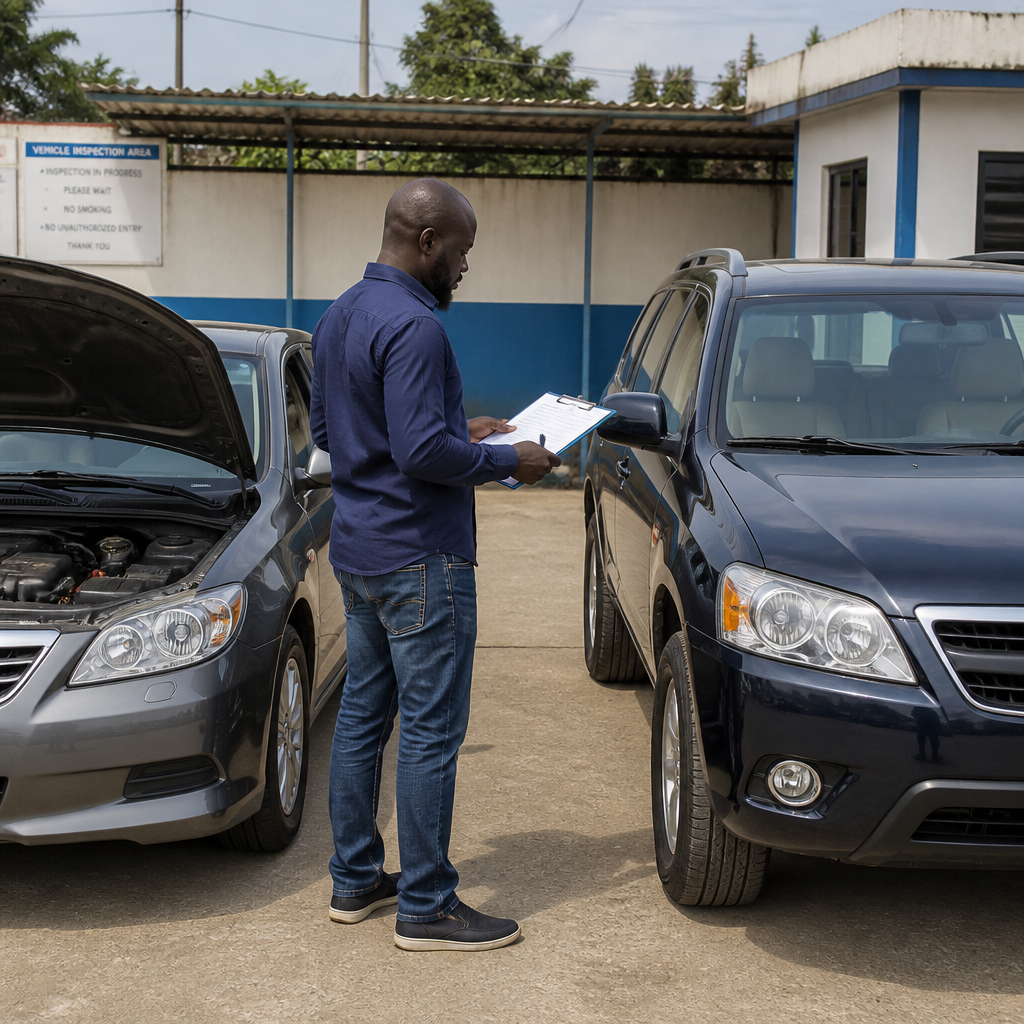
When you compare used cars, do not focus only on the asking price or the appearance of each vehicle. A proper comparison looks at condition, history, documents, running costs, safety, likely repairs and how well each car suits your daily needs. This process helps you avoid choosing the cheapest car today and paying far more for it later.
Two vehicles can have the same model year and similar mileage yet offer very different value. One may have a clean service history, healthy transmission and complete papers. The other may have a repaired accident history, worn suspension, questionable mileage or overdue maintenance. A careful comparison brings those differences into view before you hand over your money.
Start by treating each car as a separate investigation. Collect the same information for both vehicles, inspect them under similar conditions and use the same scoring method. If you are considering a tokunbo vehicle, begin with a detailed mechanical inspection rather than relying on a clean body or a seller’s assurance. Our guide on how to check a Tokunbo car for hidden mechanical problems can help you identify faults that are easy to miss during a short viewing. hidden mechanical problems in a Tokunbo car
It is also important to define your own requirements before comparing models. A compact saloon may be easier to park and cheaper to run, while a larger sport utility vehicle may offer more ground clearance and cabin space. Neither is automatically better. The right choice depends on your roads, passengers, driving distance, budget and access to competent repair support.
How to Compare Used Cars Using the Same Checklist
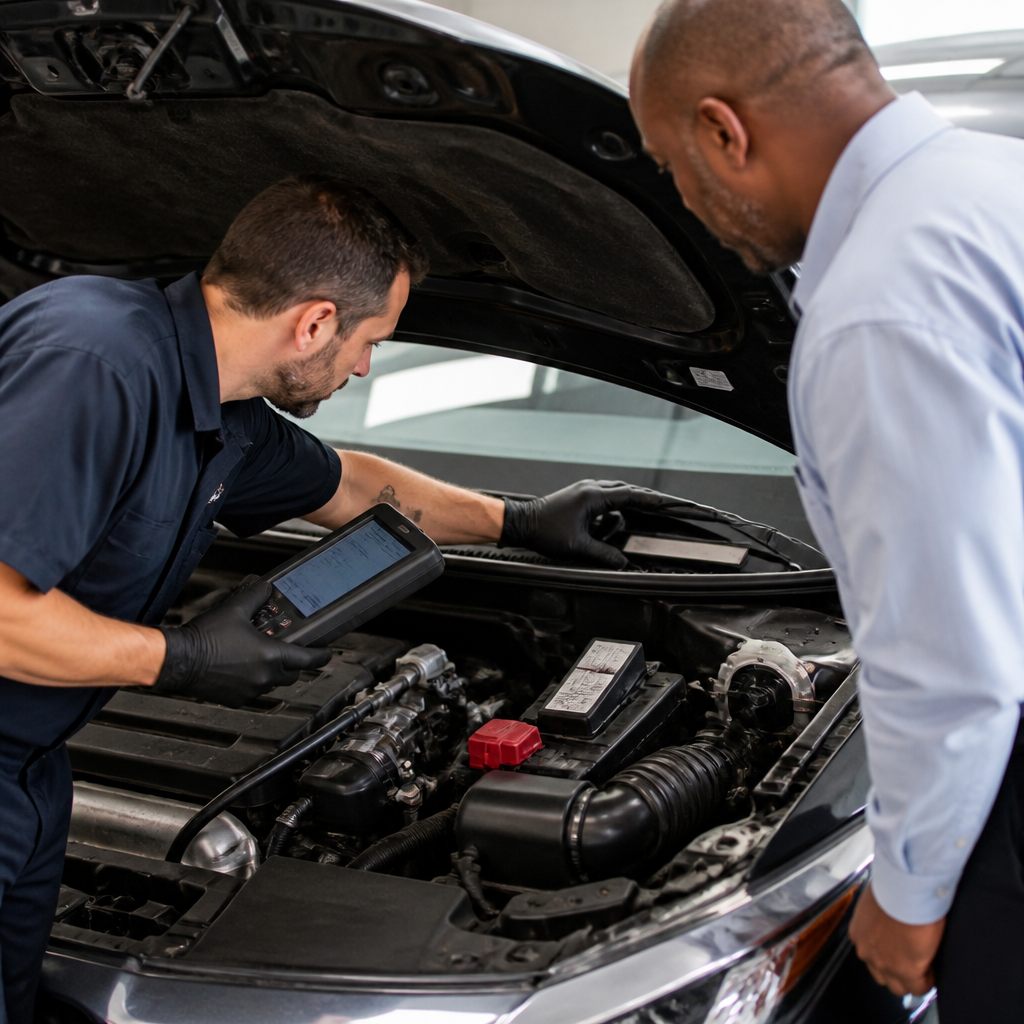
Comparisons become unreliable when you inspect one car carefully and glance at the other. Use one written checklist for both vehicles. Record facts, observations and estimated costs instead of depending on memory. Photos can also help you compare paintwork, tyre condition, dashboard warnings and engine-bay details after the inspection.
Record the basic identity of each vehicle
Write down the make, model, trim, model year, vehicle identification number, registration details, stated mileage, asking price and location. Note whether the vehicle is locally used, imported or recently cleared. Also record the seller’s name and contact details. These notes help prevent confusion when several cars look similar online.
Ask whether the seller is the registered owner, a dealer, an agent or someone selling on behalf of another person. An agent may not know the car’s complete history, while a private owner may provide useful maintenance information. However, neither status proves that a car is good or bad. Verification still matters.
Do not compare only the advertised trim level. Confirm the features installed on the actual vehicle. A listing may describe a higher specification than the car you will see. Check the engine type, transmission, drive system, air-conditioning controls, safety equipment, entertainment system, parking sensors and other features that influence value.
Separate facts from opinions
Use three columns in your notes: verified, claimed and needs checking. A service invoice you can inspect is different from a seller saying the car was regularly serviced. A visible warning light is a fact. The explanation that it only needs a minor reset is a claim until a qualified technician diagnoses it.
This simple method protects you from making a decision based on confident language. It also shows where you need additional evidence. If one seller supplies maintenance records and the other provides only verbal assurances, that difference should affect your risk assessment.
For cars imported into Nigeria, examine the vehicle identity and paperwork together. A car that looks attractive may still create problems if its VIN, customs documents, ownership records or registration details do not align. Before payment, review practical guidance on checking VIN and verifying car history in Nigeria, especially when the seller cannot explain the vehicle’s import or ownership trail. checking VIN and verifying car history in Nigeria
Compare the Purchase Price With the Real Cost
The advertised price is only the starting point. Build a total first-year cost for each car. Include the purchase amount, inspection fee, transfer expenses, registration or renewal needs, insurance, immediate servicing, tyres, battery, fluids and any repair that the inspection identifies.
For an imported vehicle, also consider whether there are unresolved customs or documentation issues. Do not assume that a seller’s statement about clearance is enough. Ask to see the relevant documents and ensure the details match the vehicle. If the papers are incomplete, the apparent bargain may carry a financial and legal risk.
Use a simple cost worksheet
Create a worksheet with the following lines for each vehicle:
- Agreed purchase price.
- Professional pre-purchase inspection.
- Immediate engine and transmission service.
- Tyres, battery and brake work.
- Suspension, steering or cooling-system repairs.
- Insurance and required documentation expenses.
- Transport, towing or delivery costs.
- A reasonable reserve for defects that cannot be confirmed before purchase.
You do not need to guess an exact repair bill when the information is uncertain. Use a range and mark it as an estimate. For example, if the tyres are visibly worn but the brand and size are available, ask a reputable supplier for a replacement estimate. If a technician suspects a transmission problem, obtain a second opinion before treating the vehicle as a good deal.
Compare the difference between the cars, not just the total. A vehicle that costs more upfront may be better value if it needs fewer immediate repairs and has stronger records. Conversely, a higher-priced car is not automatically safer or more reliable. You need evidence for the premium.
Think about fuel and maintenance realistically
Fuel consumption depends on engine size, traffic, driving style, tyre pressure, load and maintenance. Avoid relying on a single fuel-economy figure from a brochure or online listing. Instead, ask how the car will be used. A vehicle driven through heavy urban traffic may incur very different fuel costs from one used mainly on open roads.
Maintenance access matters as well. A common model may have easier access to technicians and replacement parts. A less common model may be comfortable and attractive but more difficult or expensive to repair. Ask a trusted mechanic whether the specific engine, transmission and electronic systems are familiar locally.
Inspect the Exterior and Look Beyond Fresh Paint
Inspect both cars in daylight, preferably when the body is dry and clean. Walk around each vehicle slowly. Look at the paint from several angles and compare the colour of adjoining panels. Differences in shade, texture or gloss may indicate repainting, although a repaint is not automatically a reason to reject a car.
Check the gaps between the bonnet, doors, boot and wings. Uneven gaps, paint on rubber seals, damaged fasteners or mismatched panel edges can point to previous repairs. Also look at the headlights, lamps, grille, mirrors and glass. Different production markings or noticeably newer parts may deserve further questions.
Open the bonnet and inspect the inner wings, radiator support and visible chassis areas. Look for creases, fresh underseal, weld marks, disturbed bolts and paint that does not match surrounding metal. Some repairs are properly completed and do not make a car unsafe. The key issue is whether the damage was serious, whether repairs were done correctly and whether the price reflects the history.
Check underneath the vehicle where possible. Look for fluid leaks, damaged covers, severe rust, bent components and signs of impact. A small amount of dirt is normal. Thick wet residue around the engine, gearbox, differential or cooling system requires investigation.
Tyres deserve their own comparison. Check the brand, size, tread, sidewalls and wear pattern on all four corners. Uneven wear may suggest alignment, suspension or steering problems. A car with four matching, healthy tyres may represent better immediate value than one that needs a complete replacement, even if both asking prices are similar.
Check for Accident Repairs, Flood Damage and Neglect
A clean-looking exterior does not prove that a car has never been damaged. Fresh paint can hide accident repairs, while a detailed interior can disguise water exposure. Inspect the boot floor, spare-wheel well, carpets, seat rails and lower door areas for moisture, corrosion, unusual odours or mismatched materials.
Test every door, lock, window, mirror, seat adjustment, lamp, fan speed and switch. Electrical faults can be time-consuming to diagnose. A dashboard with warning lights switched off during a viewing is not reassuring; turn the ignition on before starting the engine and confirm that the relevant warning lamps illuminate briefly, then go out after the engine starts.
Compare the steering wheel, pedals, gear selector, driver’s seat and door controls with the stated mileage. Wear patterns are not precise proof of mileage, but a large mismatch deserves questions. A low odometer reading alongside heavily worn controls may indicate incorrect mileage or exceptionally hard use.
When comparing two repaired cars, ask for photographs, inspection reports, auction records or other evidence where available. Learn more about detecting accident and repainted Tokunbo cars before buying if either vehicle shows paint differences, panel replacement or structural concerns. detecting accident and repainted Tokunbo cars
Be especially cautious around flood indicators. Mud or sand in hidden cavities, corrosion on electrical connectors, damp insulation and a persistent musty smell can all justify a deeper inspection. One sign alone may have an innocent explanation, but several signs together should not be ignored.
Compare Engine, Transmission and Mechanical Condition
Arrange a cold-start inspection if possible. Ask the seller not to warm the vehicle before you arrive. A cold engine can reveal starting difficulty, excessive smoke, unusual noises and unstable idle more clearly than a warm engine.
Engine checks
Before starting, inspect the oil level and condition according to the manufacturer’s procedure. Look for obvious leaks around the engine and check the coolant reservoir when the engine is cold. Do not remove a hot radiator cap. The coolant should not show an unusual oily appearance, although only proper testing can confirm the source of a suspected fault.
During startup, listen for knocking, rattling, tapping, squealing or grinding. Some brief sounds may be normal for a particular engine, but a qualified technician should assess any persistent or unfamiliar noise. Watch the exhaust after startup and during gentle acceleration. Excessive smoke can point to different issues depending on its colour and when it appears.
Let the engine reach normal operating temperature while monitoring the temperature gauge. Test the air conditioner in traffic-like conditions if possible. Check whether the fan engages, whether the air becomes cold and whether the engine remains stable when the system is operating.
Transmission and drivetrain checks
For an automatic transmission, select each gear with the brake applied and observe whether engagement is excessively delayed or harsh. During the road test, check for slipping, shuddering, banging, hesitation or unusual noises. For a manual transmission, test clutch engagement, gear selection and signs of clutch slip under appropriate conditions.
Test the brakes in a safe area. The vehicle should slow in a controlled, reasonably straight line without severe vibration or pulling. Check the parking brake as well. Steering should feel predictable, with no excessive free play, vibration or repeated knocking over uneven surfaces.
Drive both cars on a similar route. Include smooth pavement, rough sections, turns, gentle acceleration and braking. Pay attention to road noise, cabin vibration, suspension movement and how confidently each vehicle tracks. A short drive cannot prove that a vehicle is mechanically perfect, but it can expose symptoms that justify further testing.
Review the Interior, Safety Equipment and Comfort
Interior condition affects both daily satisfaction and resale value. Inspect the seats, carpets, headliner, dashboard, door trims and boot. Look for broken plastics, loose trim, water stains, missing tools and damaged seat belts. Cosmetic wear can be negotiated, but it should not distract you from safety or mechanical defects.
Check the seat-belt webbing for fraying and confirm that each belt latches and retracts correctly. Inspect airbags for signs of tampering, but remember that visual inspection cannot confirm whether an airbag system works. A diagnostic scan by a competent technician is more useful when an airbag or restraint warning light appears.
Test the horn, indicators, hazard lights, headlights, brake lights, reverse lights, wipers and washers. Confirm that the instrument cluster displays no unexplained warning messages. Test the audio system, charging ports, central locking and any reversing camera or parking sensor system that influenced your buying decision.
Consider whether the vehicle fits your real life. Sit in every passenger position. Check child-seat space if relevant, boot access, visibility, step-in height and the ease of loading common items. A car can be mechanically sound yet unsuitable if it causes discomfort or cannot carry what you need.
Verify Documents, Ownership and Vehicle Identity
Documentation is part of the vehicle’s value. Ask to see the available ownership, registration, customs and insurance documents before committing to payment. Names, VIN details, engine information and registration numbers should be consistent across the records and the physical vehicle.
Do not accept unexplained alterations, missing pages or documents that the seller promises to provide after full payment. If a document is unavailable, ask why, identify who can verify it and make the transaction conditional on satisfactory confirmation. Keep copies or clear records of what you inspected.
Before completing a purchase, review the practical checklist on the documents to collect when buying a used car. It covers the importance of receiving the paperwork connected with ownership, registration and the vehicle’s history. documents to collect when buying a used car
Check the VIN on the dashboard, door pillar, chassis or other manufacturer-approved location. The exact location varies by vehicle. Do not rely on a plate or sticker alone. If the VIN is damaged, altered, missing or inconsistent, pause the transaction until an appropriate authority or qualified professional explains the issue.
Also ask whether there is any outstanding finance, police matter, ownership dispute or restriction connected with the vehicle. A seller’s confidence is not proof of a clean record. Use available official verification channels where applicable, and do not pay a non-refundable deposit while important identity questions remain unresolved.
Compare the Sellers and the Buying Conditions
The seller is not the car, but the buying conditions influence your risk. A seller who permits an independent inspection, provides reasonable records and answers questions consistently gives you more opportunity to make an informed decision. A seller who rushes you, refuses a road test or insists on using only a chosen mechanic increases the risk.
Ask both sellers the same questions. Why are you selling? How long have you owned it? What work has been done recently? What faults do you know about? When was the last service? Has it been involved in an accident or flood? Are there outstanding payments or documents? Compare the answers with what you observe.
Do not interpret every hesitation as dishonesty. A genuine owner may not remember the exact date of a repair. However, contradictions between the conversation, documents and inspection deserve attention. The more important the claim, the more useful supporting evidence becomes.
Never let urgency replace due diligence. Statements about another buyer waiting, a rapidly changing price or a special offer should not push you into skipping inspection. If the vehicle is sound and the deal is legitimate, a reasonable verification process should be acceptable.
Build a Weighted Scorecard
A scorecard helps you make a calm decision after the excitement of a test drive. Give each car a score from one to five for mechanical condition, body condition, documentation, safety, comfort, practicality, maintenance access and total cost. Add a notes column beside every score.
Weight the categories according to your priorities. For example, reliability and documentation may matter more than entertainment features. A family buyer may give greater importance to safety, rear-seat space and air-conditioning performance. A commercial driver may focus on fuel use, durability, parts availability and downtime.
Use zero or a clear warning label for a serious unresolved issue. Do not allow a good sound system or attractive paint to cancel out uncertain ownership documents or a suspected transmission fault. Some risks are not suitable for averaging because they can prevent lawful use or create a major loss.
Here is a practical comparison structure:
- Condition: engine, transmission, suspension, brakes, tyres and cooling system.
- History: service records, accident evidence, mileage consistency and number of owners.
- Identity: VIN, registration, ownership and customs information.
- Safety: restraint systems, tyres, brakes, lights and warning messages.
- Economics: price, immediate repairs, fuel use, insurance and likely maintenance.
- Suitability: passenger space, ground clearance, boot capacity and driving comfort.
- Seller quality: transparency, inspection access and willingness to complete proper paperwork.
At the end, write one sentence explaining the main strength and main risk of each car. If you cannot identify the main risk, you probably need more information rather than a quick purchase.
Negotiate Based on Evidence
Use your inspection notes to negotiate respectfully. A worn tyre, overdue service or damaged trim has a different financial impact from an uncertain transmission. Ask the seller to respond to specific findings instead of making a general offer based on emotion.
Separate repairs that are essential from improvements that are optional. Brake defects, serious leaks, unsafe tyres and document problems deserve priority. Minor scratches, an older battery or a dated audio system may be negotiable but should not be treated as major mechanical faults.
Request a written agreement that identifies the vehicle, agreed amount, payment method, date, parties and documents to be handed over. The agreement should not hide known defects. Keep proof of payment and avoid paying into an unrelated account without understanding who legally owns the vehicle.
If the seller refuses reasonable verification or will not document the transaction, walk away. There will be other cars. Losing a promising opportunity is usually less costly than inheriting a vehicle with unresolved mechanical, legal or ownership problems.
When One Car Is Cheaper but the Other Is Better
Suppose Car A costs less but needs tyres, suspension work and a major service. Car B costs more but has stronger records, healthy tyres and no major inspection findings. Car B may be the better purchase if the price difference is lower than Car A’s realistic first-year costs.
Now consider the opposite. Car B may have a clean interior and newer paint, but its VIN history is unclear and the seller cannot produce complete papers. Car A may show ordinary cosmetic wear while offering verifiable ownership and a sound mechanical inspection. In that situation, Car A may carry less risk even if it looks less impressive.
Do not pay a premium for a story. Pay for verified condition, usable features, proper identity and a cost profile that fits your budget. Likewise, do not reject a car solely because it has a repaired panel if the repair is documented, professionally completed and fairly reflected in the price.
Final Pre-Purchase Process
- Shortlist two or three vehicles with comparable use cases.
- Record the identity, price, mileage and seller information for each one.
- Inspect the exterior, tyres, interior, engine bay and underside in daylight.
- Arrange a cold start and a road test on a similar route.
- Use an independent mechanic and request a diagnostic scan where appropriate.
- Verify the VIN, ownership trail, registration information and relevant customs documents.
- Estimate immediate repairs and first-year ownership costs.
- Score each vehicle using the same weighted categories.
- Ask the seller to explain every important discrepancy.
- Negotiate from documented findings, not fear or excitement.
- Complete a written sale agreement and retain payment evidence.
- Collect all agreed documents, keys, tools and service records before finalising the handover.
Before signing, take one final walk around the vehicle. Confirm that the VIN is the same vehicle you inspected, the agreed accessories remain present and no new warning light has appeared. Check that the seller has not substituted another car or removed a component after the negotiation.
If the inspection reveals a major unresolved defect, stop and reconsider. You do not have to choose between only the two cars you first found. Expanding the search is often wiser than forcing a decision because you have already invested time.
Common Mistakes to Avoid
Choosing appearance over condition
Polished paint, large wheels and a clean cabin attract attention, but they do not confirm mechanical health. Always inspect the systems that affect safety, reliability and cost before judging cosmetic quality.
Comparing mileage without context
Mileage is useful, but it is not a complete condition report. A well-maintained higher-mileage car may be a better choice than a neglected low-mileage car. Look for service evidence and wear consistency.
Using the seller’s mechanic as your only inspector
The seller’s mechanic may be competent, but an independent inspection reduces conflict of interest. If you cannot arrange one, treat the added uncertainty as a serious factor in your decision.
Ignoring paperwork until payment day
Documentation should be examined before the final payment, not after. A mechanical inspection cannot solve an ownership dispute or explain an inconsistent vehicle identity.
Failing to budget for immediate maintenance
Every used car needs some level of maintenance. Budget for fluids, filters and ordinary wear items, then add a reserve for defects. If buying the car would leave no money for necessary repairs, it may not be affordable.
Frequently Asked Questions
Should I choose the cheaper used car?
Not automatically. Compare the purchase price with immediate repairs, documentation risks, fuel use and likely maintenance. The cheaper car is sensible only when its condition and history support the lower total cost.
Can I compare two cars by taking only one test drive?
A single test drive can reveal useful symptoms, but it does not create a fair comparison. Drive both vehicles on a similar route and under similar conditions. Use the same inspection checklist as well.
Is a repainted used car automatically a bad purchase?
No. A repaint may be cosmetic or may follow a significant accident. Determine why the panel was repaired, whether the structure was affected, how well the work was completed and whether the price reflects the history.
What if the mileage on one car is much lower?
Ask for maintenance records and compare the odometer reading with wear on the steering wheel, pedals, seats and controls. Mileage should support the overall history rather than stand alone as the deciding factor.
Do I need a mechanic even if the car drives well?
Yes, if possible. A road test cannot reliably identify every leak, diagnostic fault, structural repair or deferred maintenance issue. An independent professional inspection can reduce uncertainty before payment.
How much should I negotiate?
There is no universal amount. Base your offer on verified defects, comparable vehicles, required repairs and the seller’s documentation. A clear cost estimate is stronger than an arbitrary discount request.
What is the biggest warning sign during a comparison?
Any major inconsistency deserves attention. Examples include a VIN mismatch, unexplained ownership records, refusal of an independent inspection, serious warning lights, evidence of structural damage or pressure to pay immediately.
Make the Decision With Evidence
The best way to compare used cars is to replace excitement with a repeatable process. Inspect both vehicles carefully, verify their identity and documents, estimate the total ownership cost and record the differences. Then weigh the risks against your actual needs.
Your final choice does not need to be the newest-looking car or the one with the lowest asking price. Choose the vehicle with the clearest history, soundest condition, manageable costs and documentation you can verify. If neither car meets those standards, keep searching.
A careful buyer is not trying to find a perfect used vehicle. The goal is to understand what you are buying, identify the risks early and agree on a price that reflects the vehicle’s real condition. That approach gives you a much better chance of enjoying the car after the paperwork is complete.
3 thoughts on “How to Compare Used Cars Before You Buy”