How to Buy a Tokunbo Car in Lagos Without Getting Scammed (2026 Guide)
Buying a Tokunbo car in Lagos can be exciting, but it can also become an expensive mistake if you rush the process.
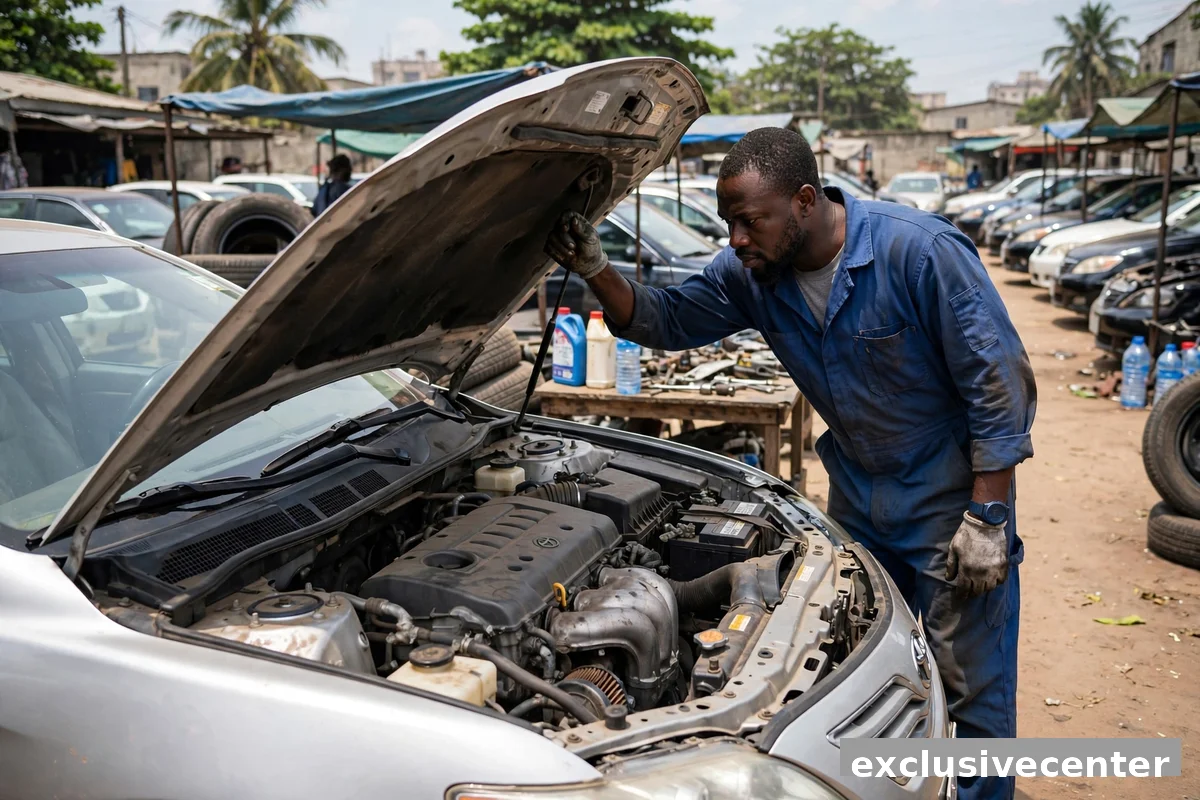
A few weeks ago, a young man brought a clean-looking 2010 Toyota Camry to my workshop in Ibadan. He had just purchased it at Berger for ₦7.5 million and was convinced he had found a great deal. The exterior looked excellent, the paint was shiny, and the interior was spotless.
However, during a routine inspection, we discovered that one of the chassis legs had been welded after a previous collision. The damage had been repaired well enough to fool an inexperienced buyer, but not well enough to restore the car to its original structural condition. By the time the necessary repairs were completed, he had spent close to ₦2 million more.
Over the years, I’ve seen similar situations happen repeatedly. Most buyers don’t lose money because they’re careless—they lose money because they don’t know what to check before making payment.
If you’re planning to buy a Tokunbo car in Lagos in 2026, this guide will help you avoid some of the most common and costly mistakes.

Why Buying a Tokunbo Car in Lagos Requires Extra Care
Lagos is Nigeria’s largest used-car market, with thousands of vehicles arriving every month through different import channels.
Because demand is high, buyers are often pressured into making quick decisions.
You may hear statements like:
“Oga, another customer is coming back by 2 p.m. to pay.”
While some dealers are completely honest, rushing into a purchase without proper inspection increases the risk of buying a vehicle with hidden accident repairs, flood damage, mechanical problems, or incorrect mileage records.
The best way to protect yourself is to follow a structured inspection process instead of relying on appearance alone.
Step 1: Set a Realistic Budget
One of the biggest mistakes buyers make is spending their entire budget on the purchase price.
If your total budget is ₦8 million, avoid shopping for an ₦8 million vehicle.
Instead, consider vehicles between ₦6.8 million and ₦7.2 million, leaving enough money for:
- Vehicle registration and licensing
- Insurance
- Immediate servicing
- Engine oil and transmission fluid replacement
- Battery or tyre replacement if needed
- Unexpected repairs
Keeping a financial buffer prevents unnecessary stress after buying the vehicle.
Step 2: Verify the VIN Before Paying
Every vehicle has a unique Vehicle Identification Number (VIN).
You’ll usually find it:
- On the dashboard near the windshield
- On the driver’s door frame
- On official vehicle documents
Before making payment, compare the VIN in all locations to ensure they match.
You can also use reputable VIN history services, such as EpicVIN or similar providers, to review available information about the vehicle’s history.
Depending on the records available, these services may provide details about:
- Previous accident reports
- Salvage history
- Flood damage
- Reported mileage
- Number of previous owners
Although VIN reports usually require a small fee, they can help you identify potential issues before completing the purchase.
Step 3: Perform a Thorough Physical Inspection
Never rely solely on the vehicle’s appearance.
A clean exterior doesn’t always mean the vehicle is mechanically sound.
Here are some important checks:
Inspect the Fender Bolts
Open the bonnet and examine the bolts securing the front fenders.
Factory-installed bolts usually have smooth, even paint.
If the paint is scratched or the bolts appear to have been removed, the vehicle may have undergone body repairs.

Examine the Chassis Legs
Using a flashlight, inspect both chassis legs inside the engine bay.
Look for:
- Fresh welds
- Uneven seams
- Fresh paint covering repairs
- Structural distortion
These may indicate previous accident damage.
Check the Engine Oil Cap
Remove the oil filler cap.
If you notice thick, milky sludge underneath, it could suggest moisture contamination or an internal engine problem.
Further inspection by a qualified mechanic is recommended.
Test the Transmission
With your foot firmly on the brake pedal:
- Shift from Park to Drive.
- Shift from Park to Reverse.
The gear should engage smoothly without excessive delay or harsh jerking.
A delayed response could indicate transmission wear that requires further diagnosis.
Scan the Vehicle
Even if the dashboard shows no warning lights, hidden fault codes may still exist.
Ask an independent mechanic to connect an OBD scanner before you pay.
The scan may reveal issues involving:
- Engine
- Transmission
- ABS
- Airbags
- Emissions systems
The inspection cost is usually small compared to the cost of repairing major faults later.
Step 4: Verify All Documents
Proper documentation is just as important as the condition of the vehicle.
Depending on how the vehicle was imported, ask to see documents such as:
- Bill of Lading
- Customs clearance documentation
- Purchase receipt
- Dealer receipt showing the correct VIN
- Previous registration documents where applicable
Always compare the VIN on the documents with the VIN on the vehicle.
If the numbers don’t match, ask questions before proceeding.
Common Mistakes Buyers Make
1. Buying Based Only on WhatsApp Pictures
Photos can hide scratches, paint differences, rust, or accident repairs.
Always inspect the vehicle in person whenever possible.
2. Paying Before Inspection
Avoid paying the full amount before completing your inspections.
If a deposit is necessary, ensure both parties clearly agree on the inspection terms and refund conditions before transferring money.
3. Buying at Night
Artificial lighting can make it difficult to notice:
- Colour differences
- Body filler
- Poor paintwork
- Panel alignment issues
Inspect vehicles during daylight for better visibility.

Budgeting for Registration and Other Costs
Besides the purchase price, remember to budget for additional expenses such as:
- Vehicle registration
- Insurance
- Change of ownership (where applicable)
- Routine servicing
- New engine oil
- Transmission fluid
- Brake inspection
- Wheel alignment
These costs vary by state and may change over time, so confirm current fees with the relevant licensing authority before making your final budget.
When Should You Walk Away?
Sometimes, the best deal is the one you don’t buy.
Consider walking away if:
- The dealer refuses an independent inspection.
- The VIN appears altered or inconsistent.
- The documentation is incomplete.
- Major structural repairs are discovered.
- The seller pressures you to pay immediately.
- The vehicle history raises concerns that cannot be explained.
Remember, another car will always become available.
Final Thoughts
Buying a Tokunbo car is a significant investment, and taking a few extra hours to inspect the vehicle can save you hundreds of thousands—or even millions—of naira in future repairs.
Don’t let urgency influence your decision. A trustworthy dealer will usually allow reasonable time for inspection and verification. [Link to Article #5 – How to Detect Accident Cars]
If you’re unsure about any part of the buying process, consider taking an experienced mechanic or vehicle inspection specialist with you. The cost of a professional inspection is often much lower than the cost of fixing hidden problems after purchase. How to Check VIN
Frequently Asked Questions
Is Berger better than buying directly from Cotonou?
Both options have advantages.
Buying directly from Cotonou may sometimes offer lower prices, but it can also require additional knowledge of import procedures and trusted contacts. For many first-time buyers, purchasing through an established dealer in Lagos may be more convenient, provided proper inspections are carried out.
Can one mechanic inspect everything?
A general mechanic can perform many checks, but complex issues may require specialists.
For example:
- A bodywork specialist can identify accident repairs.
- A diagnostic technician can perform electronic scans.
- A transmission specialist can assess gearbox performance.
Using the right expertise can provide greater confidence before making your purchase.
Disclaimer: This article is intended for general informational purposes only. Vehicle conditions, import documentation requirements, registration fees, and market prices can vary. Always carry out your own due diligence and consult qualified professionals before completing any vehicle purchase.