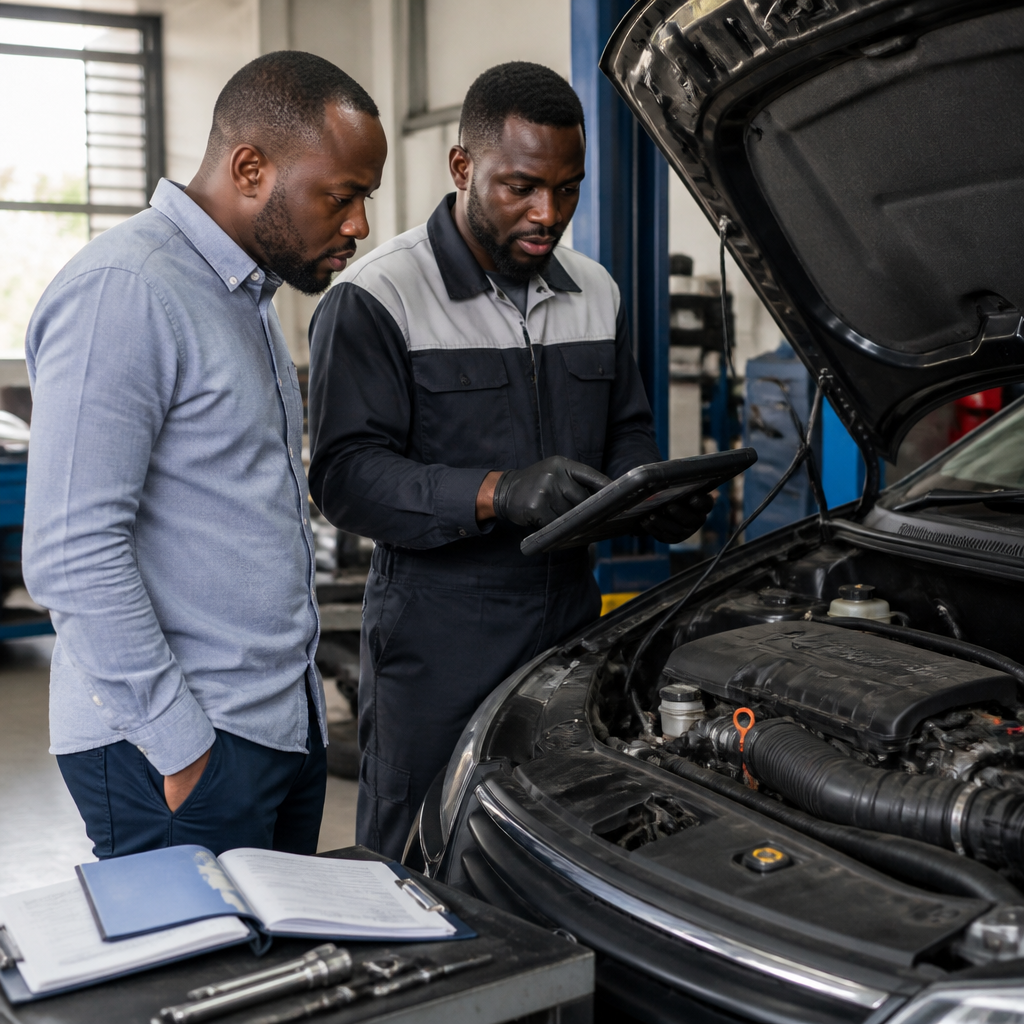
Buying a used CVT car requires more than checking the paint, interior and tyre condition. You also need to understand how the continuously variable transmission behaves, confirm its service history, inspect the fluid and complete a careful test drive. A clean-looking vehicle can still have an expensive transmission problem, so the right checks can protect your money and your safety.
CVT stands for continuously variable transmission. Unlike a conventional automatic gearbox, which normally changes through a set of fixed gears, a CVT changes its operating ratio smoothly within a range. Many CVTs use pulleys and a steel belt or chain. Some newer systems combine a CVT with an electric motor or use a different design. Therefore, always confirm the exact transmission type for the vehicle you are considering.
This guide explains what to inspect before you buy. It covers the car’s history, documents, transmission fluid, engine, cooling system, electronics, underbody and road-test behaviour. It also explains when to walk away and when a specialist inspection is worth paying for. How to Check Car Recalls Before Buying a Used Vehicle
Why a used CVT car needs a careful inspection
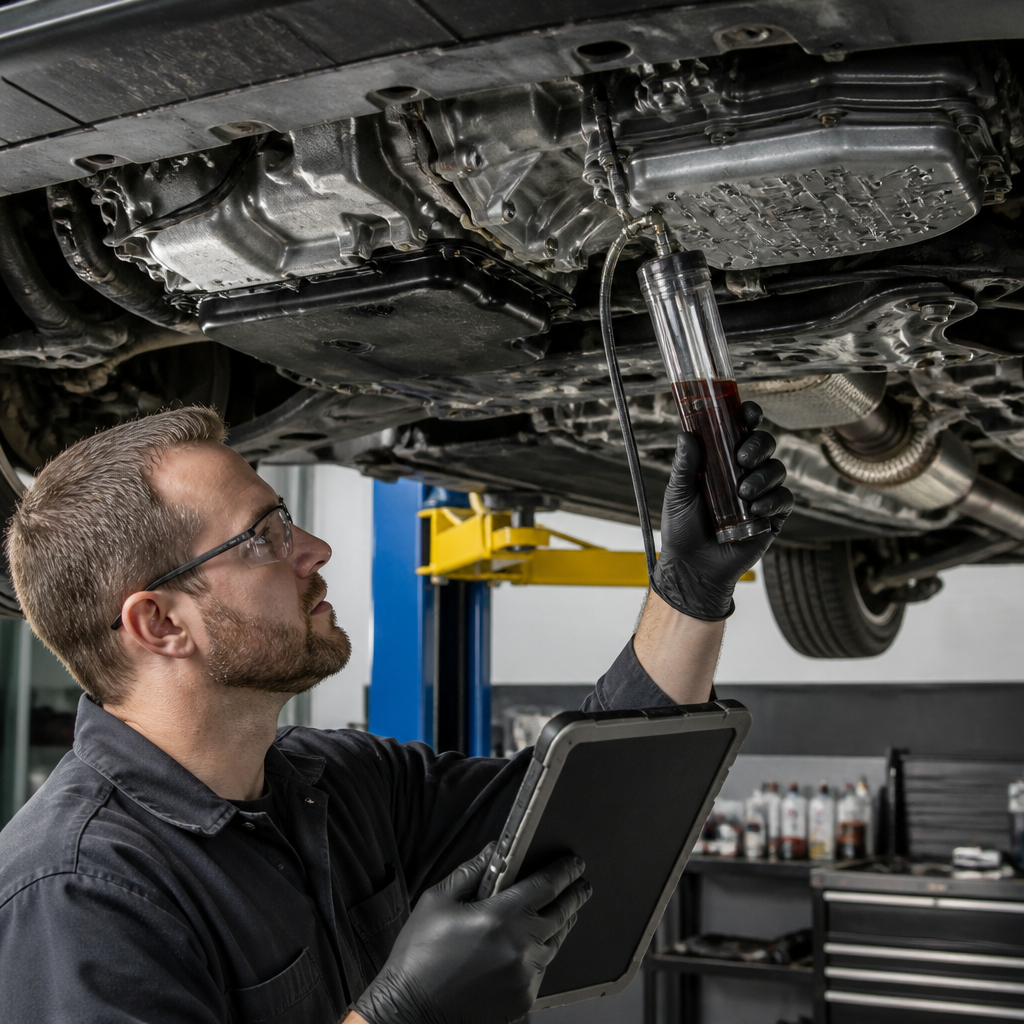
A CVT can feel different from a traditional automatic transmission. During normal acceleration, the engine may hold a steady engine speed while the vehicle continues to gain speed. That behaviour is not automatically a fault. However, harsh juddering, delayed engagement, unusual whining or repeated loss of drive should not be dismissed as “normal CVT behaviour.”
Maintenance history matters because CVT systems depend on the correct fluid, correct fluid level and a sound hydraulic control system. The exact service requirements vary by manufacturer and model. Some vehicles specify a particular CVT fluid, while others use a different formulation. Ordinary automatic transmission fluid may be unsuitable for a CVT.
Repair costs can also be significant because a transmission problem may involve the belt, pulleys, valve body, pump, sensors, software or complete transmission assembly. You do not need to assume that every used CVT car will fail. Instead, you should verify its condition before making a commitment.
Start with the vehicle history and identity
Before inspecting mechanical parts, confirm that the vehicle is exactly what the seller says it is. Compare the vehicle identification number, commonly called the VIN or chassis number, in several locations. Check the number on the vehicle against the ownership documents, import paperwork where applicable, insurance records and any available service invoices.
- Confirm the make, model, year, engine size and transmission type.
- Check that the VIN or chassis number is consistent and readable.
- Look for signs of tampering around VIN plates, stamped areas or identification labels.
- Ask how long the current owner has had the vehicle.
- Ask why the owner is selling it.
- Request service receipts rather than relying only on verbal claims.
- Ask whether the transmission, engine or major electronic components have been replaced.
- Find out whether the vehicle has been involved in a collision, flood or fire.
A seller who cannot provide a clear ownership story may not necessarily be dishonest, but the uncertainty increases your risk. Be especially careful when the seller rushes you, discourages an independent inspection or refuses to let you see the documents before payment.
Check for accident, flood and neglect clues
Inspect the gaps between body panels. Uneven gaps, mismatched paint shades, overspray on rubber seals and bolts with fresh tool marks can indicate previous repairs. These clues do not prove that a car is bad. A properly repaired vehicle may still be reliable. However, you should know what happened and assess the quality of the work.
For possible flood damage, inspect under the seats, inside the boot, beneath carpets and around wiring connectors. Look for mud, water marks, rust, damp smells or an unusually fresh interior that may hide damage. Test every electrical feature because flood-related problems may appear later rather than during the first inspection.
In countries where vehicles are imported as used cars, obtain and review the available import and clearance documents. The documents you need depend on the vehicle’s origin and local requirements. Do not assume that a foreign auction grade or online history report is a complete guarantee of condition.
Confirm the correct CVT maintenance requirements
Find the manufacturer’s recommended maintenance information for the exact model, engine and transmission. The owner’s manual is a useful starting point. A manufacturer’s official service information may provide more detail about fluid type, inspection procedures and replacement intervals.
Ask the seller these direct questions:
- When was the CVT fluid last changed?
- Which fluid was used?
- Was the fluid changed by a qualified technician?
- Was the filter replaced if the model uses a serviceable filter?
- Has the transmission ever overheated or gone into a protection mode?
- Has the transmission control module been reprogrammed or replaced?
- Has the vehicle needed a belt, pulley, valve body or complete CVT replacement?
Do not accept an answer such as “the fluid is universal” without checking the manufacturer’s specification. A receipt should identify the product or service performed. If the seller says the CVT fluid was recently changed but cannot explain what was used, treat that as an unresolved concern.
Also check whether the vehicle has been used in demanding conditions. Frequent heavy traffic, high temperatures, steep roads, towing or prolonged idling can place additional demands on a transmission cooling system. These conditions do not automatically make a car unsuitable, but they make documented servicing more important.
Inspect the CVT fluid carefully
Not every CVT has a simple dipstick. Some require a level check at a specified temperature, with the vehicle positioned in a particular way. Do not open plugs or remove covers unless you know the correct procedure. A wrong fluid level can create new problems and may expose you to hot fluid.
If the model has an accessible dipstick and the owner’s manual permits a check, inspect the fluid with the engine and transmission prepared according to the manufacturer’s instructions. Look at the colour, smell and visible contamination. The fluid should not contain obvious metal particles or a severe burnt odour.
Fluid appearance alone cannot certify the transmission. Some fluids darken with use, and different manufacturers use different fluid colours. A clean-looking fluid does not rule out internal wear. Therefore, use the fluid check alongside records, diagnostic scanning and a road test.
Be cautious if the transmission case appears recently washed. Cleaning may be harmless, but it can also make leaks harder to identify. After the test drive, inspect beneath the vehicle for fresh fluid around the transmission housing, driveshaft areas, cooler lines and seals.
Look for warning signs of overheating
Ask whether the vehicle has ever displayed a transmission temperature warning, check-engine light or reduced-power message. During the inspection, look for stored warning lights when the ignition is switched on before starting the engine. Warning lights should illuminate briefly as part of the self-test and then go out after the engine starts, unless a fault remains. Wheel Bearing Failure Signs: How to Check Your Car Safely
A vehicle that enters a protection mode may limit acceleration or behave differently after becoming hot. For this reason, a very short drive around the seller’s street is not enough. The test should include slow traffic, steady cruising, moderate acceleration and, where safe, an incline.
Inspect the engine and cooling system
The transmission does not operate in isolation. Engine problems, poor electrical supply and cooling faults can affect how the car drives. Start the inspection with the engine cold, if possible. A warm engine may hide difficult starting, excessive smoke or a cooling problem.
Check the engine oil level and condition according to the owner’s manual. Look for coolant leaks, oil leaks, damaged hoses, cracked belts and loose wiring. Inspect the radiator area for damage or heavy corrosion. Confirm that the cooling fans operate when required, but do not place your hands near moving components.
During a cold start, listen for abnormal knocking, loud rattling or a prolonged cranking period. Observe the exhaust. Brief vapour in cool conditions may be normal, but persistent blue, thick white or unusually dark smoke requires further investigation. The exact meaning depends on the engine and conditions, so a qualified technician should diagnose any smoke concern.
Check the battery and charging system as well. Modern vehicles use electronic controls for the engine and transmission. A weak battery, poor ground connection or alternator problem can trigger warning messages and confusing symptoms. A voltage test is simple, but it should be performed with suitable equipment.
Use a professional diagnostic scan
A diagnostic scan is one of the most valuable checks before buying a used CVT car. Ask an independent workshop to scan the engine and transmission control modules with equipment that can read manufacturer-specific data when appropriate. A basic code reader may not reveal every stored fault.
The technician should look for current, pending and historical fault codes. They should also check whether monitors have recently been reset. A recently cleared system may not have completed all of its self-tests, so the absence of warning lights does not prove that the vehicle has no problem.
Useful scan information may include transmission temperature data, input and output speed readings, pressure-related faults, ratio errors and clutch or pulley control faults, depending on the design. Ask the technician to explain the result in plain language. A code is a clue, not automatically a diagnosis.
Do not allow a seller to pressure you into skipping the scan. If the car is in good condition, an inspection gives both parties more confidence. If the seller refuses, consider that refusal a serious buying risk.
Complete a proper road test
Drive the vehicle yourself, with permission and in a safe area. Keep the radio off so you can hear the car. Adjust the seat and mirrors before moving. Confirm that the seller’s insurance and local requirements allow the test drive, and do not drive aggressively to force a fault.
Test cold operation
With your foot on the brake, select reverse and then drive. Engagement should occur without an excessive delay or a hard thump. A small change in engine sound may be normal, but a strong jolt, long hesitation or need to raise the engine speed before movement is a warning sign.
Drive gently at first. Notice whether the vehicle moves smoothly from a stop. A repeated shudder can indicate a transmission, engine, mount or driveline issue. Because several faults can feel similar, arrange a professional diagnosis instead of assuming the CVT is definitely responsible.
Test warm operation
Continue driving until the engine and transmission reach normal operating temperature. Use a mixture of roads. Include slow traffic, a steady-speed section and moderate acceleration. If safe, drive up a moderate incline. Pay attention to whether the symptoms appear only after the vehicle warms up.
During acceleration, the engine may rise to a steady speed while the car continues to gain speed. That can be normal for a CVT. The concern is not the sound alone. Watch for engine speed flaring without matching road speed, repeated juddering, delayed response, whining, grinding or a sudden loss of power.
At steady speed, notice whether the vehicle surges or hunts between ratios. On deceleration, feel for harshness or unexpected vibration. Test reverse on level ground and, if safe, on a slight incline. Do not use a steep hill or risky manoeuvre to prove a point.
After the drive, leave the engine running briefly and check for new warning lights. Then park on a clean surface and inspect for fresh leaks. A warm inspection can reveal fluid escaping from a seal or cooler line that looked dry at the beginning. How to Identify Genuine Toyota Parts in Nigeria
Know the main warning signs
One symptom does not always identify the failed part. Still, the following signs deserve attention:
- Juddering: Shaking during take-off or low-speed acceleration may come from the CVT, engine, mounts or driveline.
- Delayed engagement: A noticeable pause after selecting drive or reverse can indicate a hydraulic, fluid or control problem.
- Slipping or rev flare: Engine speed rises, but vehicle speed does not respond as expected.
- Whining: A new or increasing whine may involve the transmission, pump, bearings or another rotating component.
- Grinding or clunking: These noises should not be dismissed during a test drive.
- Overheating message: Treat any transmission temperature warning as a major concern until diagnosed.
- Reduced power: The vehicle may be protecting itself from a detected fault.
- Fluid leaks: Fresh fluid under the car requires identification before purchase.
- Unexplained warning lights: Scan the vehicle instead of accepting a verbal explanation.
Some symptoms may come from tyres, wheel bearings, driveshafts, engine mounts or electronic controls. That is why an independent inspection should include the whole vehicle, not only the transmission.
Inspect the suspension, tyres and underbody
A transmission problem is not the only expensive issue a used car can have. Check the tyres for even wear, cracks, bulges and matching sizes. Uneven wear may indicate poor alignment, worn suspension components or previous accident damage. Confirm that the tyre condition is suitable for safe driving.
On a quiet road, listen for humming, knocking and rattling. Test the brakes gently and firmly where safe. The pedal should feel consistent, and the car should not pull strongly to one side. Ask a technician to inspect control arms, bushings, ball joints, wheel bearings, shocks and steering components.
Look beneath the vehicle for impact damage, bent components, heavy rust, missing covers and oil or coolant leaks. A damaged underbody can affect wiring, cooling lines and transmission components. Imported vehicles may have been driven on different roads or in different weather, so inspect the actual car rather than relying on its advertised history.
Review the interior and electronic systems
Test the air conditioner, heater, windows, locks, mirrors, lights, dashboard displays, reverse camera, parking sensors and infotainment system. Confirm that the instrument cluster displays the correct information and that warning lights behave normally.
Inspect the pedals, steering wheel, driver’s seat and switchgear for wear. These clues cannot prove the mileage, but heavy wear that does not match the claimed mileage deserves questions. Compare the odometer reading with service invoices, inspection records and any available ownership history.
Check the safety equipment. Confirm that seat belts latch and retract correctly. Look for airbag warning lights and signs of dashboard repair. Do not buy a car with an unresolved airbag warning without a proper diagnosis. Safety systems should not be treated as cosmetic items.
Understand the seller’s answers
Good questions often reveal more than a general visual inspection. Ask the seller to describe the car’s normal use, recent repairs and known faults. Listen for specific answers, dates and documents. “Everything works perfectly” is less useful than a clear explanation of what was replaced and why.
Be cautious when a seller says the car only needs a minor sensor, software update or fluid change. That may be true, but you should verify it with an independent technician. Never price a repair based only on the seller’s estimate.
Likewise, do not assume that a recently replaced transmission makes the car automatically safe. Ask whether the replacement unit was new, rebuilt or used. Request the invoice and confirm whether the replacement carries any transferable warranty. The warranty terms must be read carefully because coverage may depend on the repairer, mileage, servicing or ownership transfer.
Decide whether the asking price reflects the risk
Compare the vehicle with similar cars in the same market, considering model year, mileage, condition, equipment and documented maintenance. A lower price may reflect cosmetic damage, urgent sale or a hidden mechanical problem. It may also represent a fair discount for a car that needs routine maintenance. The inspection should explain the difference.
Prepare a written list of immediate and likely costs. Include tyres, fluids, filters, battery, brakes, suspension work, registration-related expenses and any outstanding repairs. Keep a separate reserve for an unexpected transmission or electronic fault. If buying the car would use every available naira, the vehicle may be too risky for your budget even if it passes a basic test.
Do not pay a non-refundable deposit before checking the identity, documents and mechanical condition. If a deposit is unavoidable, record the terms in writing. The receipt should identify the vehicle, amount paid, date, seller and conditions for refund or completion.
When you should walk away
Walking away is sensible when the risks cannot be verified. Consider rejecting the vehicle if: What to Do When Your Car Breaks Down on a Nigerian Highway
- The VIN or ownership documents do not match.
- The seller refuses an independent inspection or diagnostic scan.
- The vehicle has severe juddering, delayed engagement or repeated loss of drive.
- A transmission warning or check-engine light remains on.
- The car shows signs of flood damage with unexplained electrical faults.
- The seller cannot explain major repairs or provide supporting records.
- The transmission fluid is wrong, contaminated or leaking and the cause is unknown.
- The engine overheats or produces persistent abnormal smoke.
- The seller pressures you to pay immediately.
- The total repair risk exceeds the money you can comfortably set aside.
A seller may claim that another buyer is waiting. Do not let urgency replace due diligence. A genuine opportunity should still allow reasonable checks. There will be other vehicles, but recovering money from a bad purchase can be difficult.
How to arrange an independent inspection
Choose a workshop that is independent of the seller. Ideally, the technician should have experience with the exact brand and CVT design. Ask for a written report that separates urgent faults, recommended repairs and normal wear.
Provide the technician with the vehicle’s VIN and any available service records before the appointment. Request a cold-start inspection, scan, lift inspection, fluid assessment where appropriate and road test. Ask whether the technician can estimate repair priorities without promising an exact cost before diagnosis.
Remain present if practical, but do not interfere with the inspection. Ask questions and take notes. If the technician finds a problem, obtain a second opinion for major work. The inspection fee is usually small compared with the cost of buying a vehicle that needs a transmission replacement.
A practical buying checklist
Use this checklist before making a final decision:
- Record the VIN and compare it with every relevant document.
- Confirm the actual engine and transmission type.
- Review ownership, import, service and repair records.
- Inspect the body for accident repairs and the interior for flood clues.
- Check the engine, coolant, oil, battery and visible leaks.
- Confirm the correct CVT fluid specification and service history.
- Arrange a diagnostic scan using suitable equipment.
- Test the car from cold and continue until it reaches operating temperature.
- Drive in traffic, at steady speed, during moderate acceleration and on an incline where safe.
- Inspect the suspension, tyres, brakes and underbody.
- Test every important electrical and safety feature.
- Get a written independent inspection report.
- Calculate immediate repairs and keep an emergency reserve.
- Put the final agreement, payment and known faults in writing.
Frequently asked questions
Is a CVT automatically a bad choice for a used car?
No. A CVT can be a suitable used-car transmission when the vehicle has been maintained correctly and operates as designed. The key issue is condition, not the CVT label alone. Check the exact model, service history, fluid specification and diagnostic results.
Should the CVT fluid be changed immediately after buying?
Follow the manufacturer’s instructions for the model. If the service history is missing, ask a qualified technician to inspect the fluid and confirm the correct maintenance plan. Do not flush or replace fluid with an unapproved product simply because the car has changed owners.
Is a steady engine sound during acceleration normal?
It can be. A CVT may hold the engine at a steady speed while it adjusts the transmission ratio. The sound becomes more concerning when it comes with juddering, slipping, delayed movement, abnormal noise or a mismatch between engine speed and road speed.
Can a scan guarantee that the transmission is healthy?
No. A scan can reveal stored faults and useful operating data, but it cannot detect every mechanical problem. Combine the scan with service records, fluid checks, a cold and warm road test, and a physical inspection.
Is a used CVT car suitable for heavy traffic?
Suitability depends on the model, condition, cooling system and maintenance. Heavy traffic creates frequent stop-and-go operation and may increase heat exposure. Ask whether the vehicle was used in similar conditions and confirm that servicing followed the manufacturer’s requirements.
What is the most important check before payment?
No single check is enough. The strongest approach combines identity and document verification, a proper test drive, a diagnostic scan and an independent mechanical inspection. If any one of these reveals an unresolved major fault, pause the purchase.
Final advice before you buy
The best way to buy a used CVT car is to slow down the decision. Inspect the vehicle when it is cold, drive it until it is warm, review its history and let an independent technician examine it. Pay attention to specific symptoms, but avoid diagnosing a complex fault from one noise or one dashboard message.
Choose documented maintenance over attractive promises. Confirm the correct fluid, verify the transmission behaviour and make sure the price leaves room for normal ownership costs. If the seller will not support reasonable checks, treat that as information and move on.
A careful inspection cannot remove every risk from a used-car purchase. It can, however, reveal many expensive warning signs before you commit. That makes it one of the most valuable steps you can take before buying.